How Did A Japanese-Born Sydneysider Become One Of Australia’s Biggest Food Names?
なぜ日本生まれのシドニーっ子が、オーストラリアを代表する料理人になったのでしょうか?

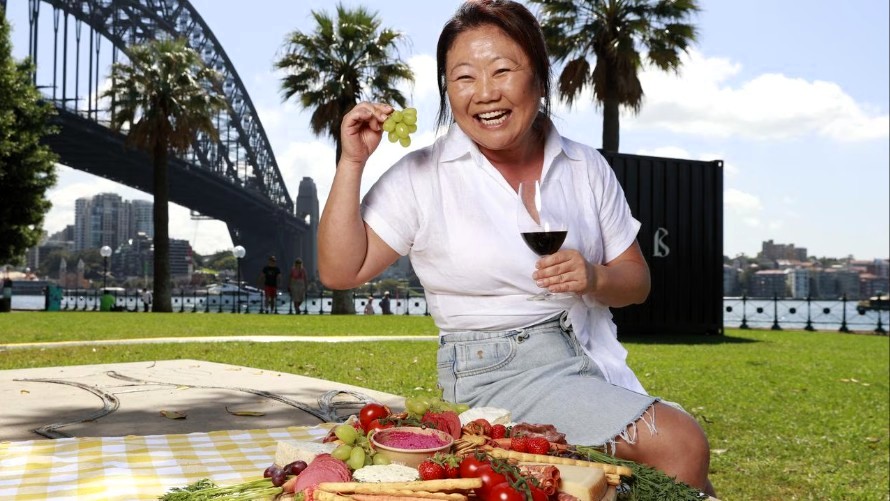
Nagi Maehashi was born in Japan and moved to Australia with her family in 1981, when she was three. Raised in Sydney, she eventually swapped a 17-year corporate finance career for a second-hand camera, a food blog and a very uncertain future.
Today, RecipeTin Eats reaches millions of people and has made Nagi one of Australia’s best-known food personalities. Her story also begins with her Japanese mother and the food she grew up eating.
日本生まれのNagi Maehashiさんは、3歳だった1981年に家族とともにオーストラリアへ移住しました。シドニーで育った彼女は、17年間の金融業界でのキャリアを捨て、中古カメラと料理ブログを手に、まったく未知の世界へ飛び込みました。
現在、RecipeTin Eatsは世界中から読者を集め、Nagiさんはオーストラリアを代表する料理家の一人となっています。その原点には、日本生まれの母親と、家庭で食べていた料理がありました。
From Tokyo to Sydney
東京からシドニーへ
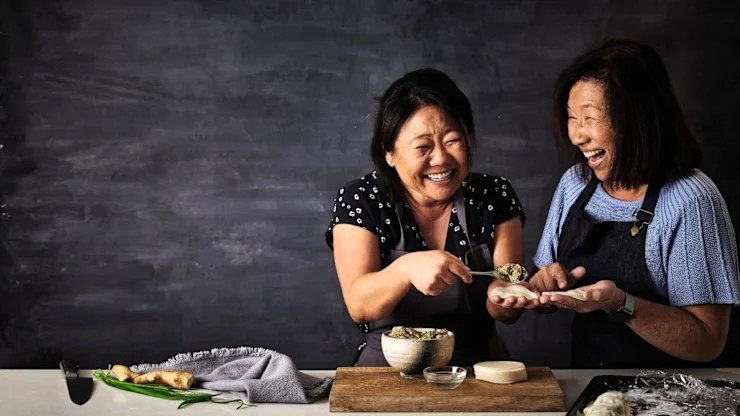
Nagi’s mother, Yumiko, was born and raised in Tokyo and moved to Australia with her family in 1981. She continued cooking Japanese food after settling in Australia, while also preparing Western dishes for her family.
Nagi later described growing up in a family where food was extremely important. Her mother’s cooking became an influence even though Nagi did not initially learn to cook from her.
Yumiko eventually created RecipeTin Japan to record the Japanese home cooking recipes her children kept asking her for in English.
Nagiさんの母親Yumikoさんは東京生まれ。1981年に家族とともにオーストラリアへ移住した後も、日本料理を作り続けながら、西洋料理も家庭の食卓に取り入れていきました。
Nagiさんは、食をとても大切にする家庭で育ちました。母親の料理は大きな影響を与えましたが、子どものころに母から料理を教わったわけではありません。
やがてYumikoさんは、子どもたちから英語で教えてほしいと頼まれていた日本の家庭料理をまとめ、RecipeTin Japanを始めました。
A very Australian career change
とてもオーストラリアらしい転身
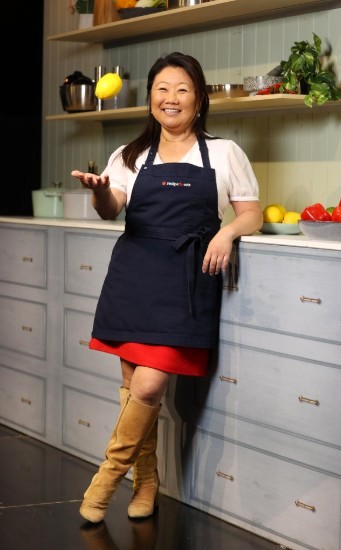
Nagi worked in corporate finance for 17 years before deciding she wanted to build something of her own. She launched RecipeTin Eats in 2014. Her original ambition was remarkably modest: she simply wanted to cover her rent and keep food on the table.
She built the business herself, initially using a second-hand $250 camera. Her recipes concentrated on practical food that ordinary people could cook at home — fast, affordable and packed with flavour.
17年間にわたって金融業界で働いたNagiさんは、やがて「自分自身のために何かをしたい」と考えるようになりました。2014年、RecipeTin Eatsを立ち上げます。最初の目標は驚くほど控えめで、家賃を払い、食費を確保できればいいというものでした。
当初は中古の250ドルのカメラを使い、自らサイトを作り上げていきました。料理は特別な人だけのものではなく、普通の家庭で作れる、手早く、手頃で、おいしい料理が中心でした。
Japanese roots, Aussie cooking
日本のルーツとオージーの料理
RecipeTin Eats is not a Japanese food website. That is what makes Nagi’s story particularly interesting. Her cooking draws on Japanese food, Australian life and influences from around the world. Japanese flavours can sit alongside recipes inspired by many other cuisines without being treated as something exotic.
Her mother’s Japanese cooking provided part of that foundation, but Nagi developed her own style in Sydney. It is a small example of something much larger: Australian food culture has increasingly absorbed influences from Asia while turning them into part of everyday Australian life.
RecipeTin Eatsは日本料理専門のサイトではありません。そこがNagiさんの物語のおもしろいところです。料理には日本の味、オーストラリアでの暮らし、そして世界各地の食文化が入り込んでいます。日本の味も、特別な「外国料理」としてではなく、さまざまな料理の一部として自然に登場します。
その土台の一つになったのが母親の日本料理でした。しかし、Nagiさん自身の料理はシドニーで形作られていきました。これは、アジアの食文化を取り込みながら、それをオーストラリアの日常の食卓へと変えていった、オーストラリアの食文化の大きな変化を象徴する小さな物語でもあります。
More than recipes
レシピだけではない
Nagi’s success eventually allowed her to turn cooking into something more than a business. In 2021 she founded RecipeTin Meals, a not-for-profit organisation providing freshly cooked meals to people experiencing food insecurity.
The organisation grew from the community need that became particularly visible during the COVID-19 pandemic. Its Sydney kitchen has produced hundreds of meals a day for distribution through community partners.
A Japanese-born Australian who grew up eating her mother’s cooking had ended up using food to help feed other Australians.
Nagiさんの成功は、料理を単なるビジネス以上のものへと発展させました。2021年には、食料不足に直面する人々へ作りたての料理を届ける非営利団体RecipeTin Mealsを設立しました。
この活動は、特にCOVID-19のパンデミックで地域社会の食料不足が目立つようになった時期に始まりました。シドニーのキッチンでは、一日に数百食の料理を作り、地域のパートナーを通じて必要な人々へ届けています。
母親の日本料理を食べて育った日本生まれのオーストラリア人が、料理を通じて今度は他のオーストラリア人を支えるようになったのです。

A friendship served at the dinner table
食卓から生まれる友情
The Australia–Japan relationship is often described through treaties, trade and diplomacy. But friendship between countries also develops through ordinary life. Nagi Maehashi’s story begins with a Japanese mother cooking in Australia. It grew into an Australian food website influenced by many cultures. And it eventually became a way of feeding people in the local community.
Fifty years after Australia and Japan signed their Basic Treaty of Friendship and Cooperation, that may be one of the simplest examples of what the relationship has become. Not Japanese food in Australia. Not Australian food in Japan. Just food — shared, adapted and enjoyed together.
日豪関係は、条約や貿易、外交によって語られることが多いものです。しかし、国と国との友情は、普通の暮らしの中でも育っていきます。Nagi Maehashiさんの物語は、オーストラリアで日本人の母親が料理をするところから始まりました。それが、多様な食文化の影響を受けたオーストラリアの料理サイトへと成長し、やがて地域の人々を食で支える活動へとつながりました。
日豪両国が「日豪友好協力基本条約」を締結してから50年。それは、この50年間で両国の関係がどのようなものになったのかを示す、とても身近な一例なのかもしれません。オーストラリアにある日本料理でも、日本にあるオーストラリア料理でもありません。
ただ一緒に食べる料理。それを互いの暮らしに合わせて変え、楽しむこと。そこにも、日豪の友情があります。
More About Nagi Maehashi
- RecipeTin Eats – A Food Blog Serving Up Quick & Easy Dinner Recipes
- RecipeTin Meals – Because nobody should go hungry
- About RecipeTin Eats
- About Me – RecipeTin Japan
- It Takes Two: Food blogger Nagi Maehashi and her mother Yumiko Maehashi – ABC News
- Why RecipeTin Eats: Tonight, Nagi Maehashi’s new cookbook, is a Christmas gift to booksellers – ABC News
- Cooking up a storm: How Nagi Maehashi turned RecipeTin Eats into a global hit