Why Has Kumi Taguchi Become One Of Australia’s Most Important Bridges To Japan?

なぜクミ・タグチ氏はオーストラリアと日本を結ぶ大切な架け橋になったのでしょうか?

Australian journalist Kumi Taguchi has spent decades helping Australians understand Japan—not through stereotypes, but through thoughtful storytelling and her own bicultural experience.

オーストラリアのジャーナリスト、クミ・タグチ(田口久実)氏は、長年にわたり自身のルーツと取材を通して、日本を固定観念ではなく「人」の物語としてオーストラリアへ伝えてきました。


Australia’s trusted Japanese-Australian voice

オーストラリアで信頼される日系ジャーナリスト

Many Australians know Taguchi as the calm, thoughtful presenter of SBS’s Insight. Before that she fronted ABC News and Compass, becoming one of Australia’s best-known journalists. Few viewers realise her Japanese heritage has quietly shaped her career and the stories she tells.

Taguchi is, for me, an incredible presence on Insight. The program encourages people to bare their souls about aspects of their lives that make them extremely vulnerable. Having the ability to coax those emotions from people takes an immeasurable degree of trust, and Taguchi has proven to have that in bucketloads.

タグチ氏は、SBSの時事番組『Insight』の司会として知られています。それ以前にはABCニュースや『Compass』でも活躍し、オーストラリアを代表するジャーナリストの一人となりました。しかし、その仕事を支えてきた日本との深いつながりを知る人は意外に多くありません。

タグチ氏は、私にとって『Insight』に欠かせない特別な存在です。 この番組は、人々が自分のもっとも弱い部分をさらけ出す場でもあります。 そんな思いを引き出すには、計り知れないほど深い信頼が必要です。 田口さんは、その信頼を圧倒的なほどに築いてきた人だと強く感じています。


Growing up between two cultures

二つの文化の中で育つ

Born in Melbourne to a Japanese father and Australian mother, Taguchi spent her childhood balancing two cultures. She has spoken openly about questions of identity, belonging and discovering her Japanese family history as an adult.

メルボルンで日本人の父とオーストラリア人の母のもとに生まれたタグチ氏は、二つの文化に囲まれて育ちました。大人になってから自身のルーツや家族の歴史を見つめ直し、「自分はどこに属するのか」という思いを率直に語っています。


Japan became a personal journey

日本は「取材先」ではなく故郷でもあった

In 2019 she presented Kumi’s Japan, travelling across Japan to reconnect with relatives and better understand her late father, Akira Taguchi. The documentary explored family, identity and the lasting ties between Australia and Japan through deeply personal experiences.

2019年にはドキュメンタリー『Kumi’s Japan』を制作。亡き父・明さんの足跡をたどりながら親族を訪ね、自らのルーツを見つめ直しました。家族やアイデンティティーを通じて、日豪を結ぶ深い絆を描いた作品です。


Recognised for strengthening friendship

日豪友好への貢献が評価される
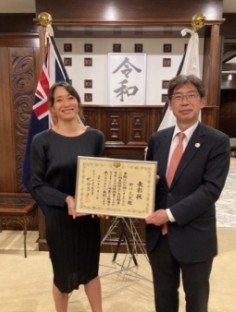
In 2022 the Consul-General of Japan in Sydney awarded Kumi Taguchi a Consul-General’s Commendation. The award recognised her contribution to multicultural Australia and to strengthening friendship and mutual understanding between Japan and Australia through journalism.

2022年、タグチ氏は在シドニー日本国総領事から総領事表彰を受けました。報道活動を通じ、多文化社会オーストラリアへの貢献と、日豪相互理解・友好促進への功績が高く評価されたためです。

More than a television presenter

テレビ司会者以上の存在

Taguchi has helped Australians see Japan through people rather than stereotypes. Her career shows that the strongest Australia–Japan connections are often built quietly—through trust, curiosity and shared stories.

タグチ氏が伝えてきたのは、観光地やイメージではなく、「人」を通して見る日本です。信頼、好奇心、そして物語を積み重ねることが、日豪友好を支える最も大きな力であることを、彼女の歩みは教えてくれます。

Why it matters today

なぜ今も大切なのでしょうか?

Australia and Japan have built their friendship through countless personal connections as much as official agreements. Journalists like Taguchi help both countries understand each other with empathy rather than stereotypes—proving that one person’s story can strengthen a relationship between nations.

日豪の友好関係は、政府同士の交流だけでなく、一人ひとりのつながりによって育まれてきました。タグチ氏のようなジャーナリストは、固定観念ではなく人間らしい視点で互いを伝えています。その積み重ねが、両国の絆をより深いものにしているのです。

More About Kumi Taguchi

Cop A Gander At These Rippers Too...

  • |

    Where Can You Find Australia’s Japanese War Memorials?

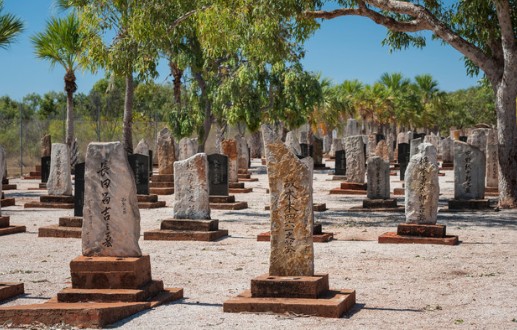
    オーストラリアのどこに日本人戦没者慰霊碑があるのか? In Why Does Australia Have So Many Japanese War Memorials?, we explored why Australia has so many Japanese war memorials and the remarkable spirit of remembrance and reconciliation behind them. This time, we travel across Australia to discover some of the places where these memorials stand today. Each tells a different story, but together they reflect a friendship that grew from one of history’s most difficult chapters. 第1回では 「Why Does Australia Have So Many Japanese War Memorials?」では、なぜオーストラリアに多くの日本人戦没者慰霊碑があるのか、その背景にある追悼と和解の精神について紹介しました。 今回は、オーストラリア各地に残る慰霊碑や墓地を訪ね、それぞれの場所に刻まれた歴史と、それを大切に守り続ける地域の人々の思いを見ていきます。 Cowra, New South Wales ニューサウスウェールズ州カウラ Cowra is home to the largest Japanese war cemetery in the Southern Hemisphere. More than 500 Japanese prisoners of war who died during the Cowra Breakout…

  • | | |

    How Did A Japanese Kid Who Spoke No English Fundamentally Change Aussie Culinary Culture?

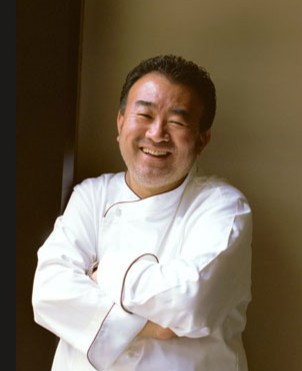
    一人の若い日本人シェフは、どうやってオーストラリアの食文化を変えたのでしょうか? When Tetsuya Wakuda arrived in Australia, he spoke little English and had no reputation. Today he is recognised as one of Australia’s greatest chefs, proving that friendship between nations can sometimes begin in a kitchen. ほとんど英語を話せないままオーストラリアへ渡った一人の日本人青年。後に和久田哲也さんは、オーストラリアを代表するシェフの一人となり、料理を通じて日豪の交流を深める存在となりました。 A new life in Australia オーストラリアで始まった新しい人生 Wakuda was born in Hamamatsu, Shizuoka Prefecture, in 1959. At the age of 22 he moved to Sydney, seeking new opportunities. With little English but a determination to learn, he began working in restaurant kitchens, where his talent quickly became clear. 和久田さんは1959年、静岡県浜松市に生まれました。22歳でシドニーへ渡り、新しい人生を歩み始めます。英語はほとんど話せませんでしたが、料理への情熱と努力で、その才能はすぐに高く評価されました。 Japanese precision meets Australian ingredients 日本の技とオーストラリアの食材が出会う Rather than simply cooking traditional Japanese food, Wakuda combined Japanese techniques with Australia’s exceptional seafood, meat and fresh produce….

  • | |

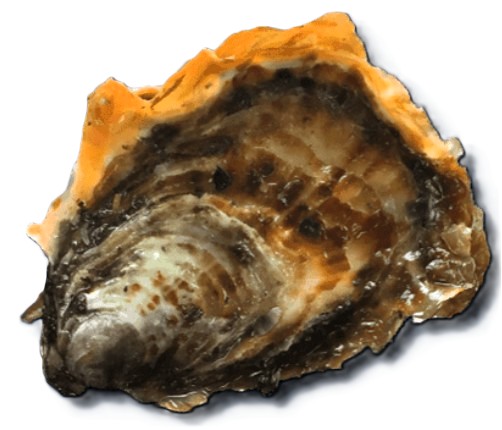
    How Did Japanese Shellfish Help Aussie Harvesters Realize The World Was Their Oyster?

    日本のカキはオーストラリアのカキ産業をどう変えたのか? Aussie oysters are famous around the world. Few people realise that one of the industry’s biggest turning points began in Japan. A tiny shellfish—and decades of scientific cooperation—helped reshape Australian aquaculture. オーストラリア産のカキは世界的に高く評価されています。しかし、その発展の大きな転機の一つが日本にあったことは、あまり知られていません。一つの小さな貝と、長年にわたる日豪の科学協力がオーストラリアの養殖業を大きく変えたのです。 An Industry Faces New Challenges 転機を迎えたオーストラリアのカキ産業 For generations, Australia’s oyster industry relied on the native Sydney rock oyster. It remains one of the country’s finest seafoods. But during the 20th century, growers faced disease, slow growth and changing environmental conditions. They began searching for new ideas. 転機を迎えたオーストラリアのカキ産業 長年にわたり、オーストラリアのカキ産業はシドニーロックオイスターを中心に発展してきました。 現在も高級食材として親しまれています。 しかし20世紀になると、病気や成長速度、環境の変化など、新たな課題に直面しました。 生産者たちは新しい可能性を探し始めます。 Looking to Japan 日本に学ぶ Japan had centuries of experience cultivating oysters. Its farmers had developed efficient methods for collecting oyster spat, raising young oysters and managing…

  • | |

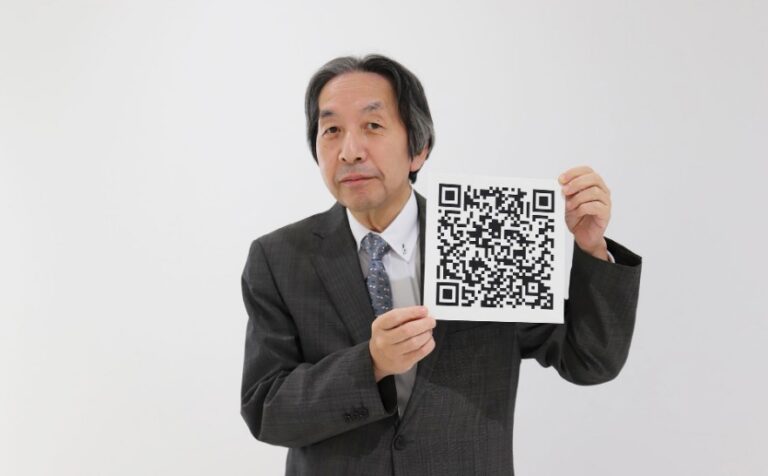
    Did You Know A Japanese Cure Turned Out To Be A QR Aussies Use Daily?

    オーストラリアで毎日使われる便利なものが、日本生まれだと知っていましたか? Aussies scan QR codes countless times every day—for café menus, concert tickets, parking and payments. Yet few realise the technology was invented in Japan by one engineer who wanted to make work easier. カフェのメニュー、コンサートのチケット、駐車場の精算やキャッシュレス決済。オーストラリアでも毎日使われるQRコードですが、その技術が日本で、一人の技術者によって生み出されたことはあまり知られていません。 Meet the man behind the square あの四角いコードを生んだ技術者 In 1994, Japanese engineer Masahiro Hara developed the QR code while working for Denso Wave. The company needed a faster way to track vehicle components during manufacturing. Hara’s solution could store far more information than ordinary barcodes while remaining quick to scan. 1994年、日本の技術者・原昌宏(はら まさひろ)さんは、デンソーウェーブで働きながらQRコードを開発しました。自動車部品をより効率よく管理するため、従来のバーコードより多くの情報を記録でき、素早く読み取れる仕組みを考え出したのです。 A gift, not a monopoly 独占ではなく、世界への贈り物 Although Denso Wave patented the technology, it chose not to enforce the patent rights. This allowed QR codes…

  • | |

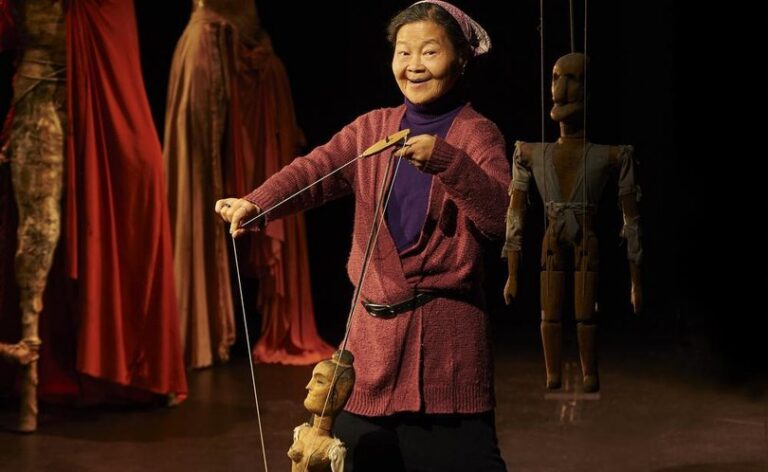
    Did Japan Inspire Australia to Choose National Living Treasures?

    日本の「人間国宝」はオーストラリアの「リビング・トレジャーズ」に影響を与えたのか? Australia’s National Living Treasures celebrate remarkable Australians. Japan’s Living National Treasures protect traditional masters. The two honours are different—but they may be connected by an idea that travelled across the Pacific. オーストラリアの「ナショナル・リビング・トレジャーズ」は優れた人物をたたえる制度です。一方、日本の「人間国宝」は伝統技術の継承者を守る制度です。両者は異なりますが、その背景には海を越えて受け継がれた一つの考え方がありました。 Japan Had the Idea First 最初に制度を作ったのは日本 After the Second World War, Japan faced an urgent question. How could traditional arts survive in a rapidly modernising society? The answer was to recognise exceptional craftspeople and performers as Living National Treasures, helping preserve skills that might otherwise disappear. 最初に制度を作ったのは日本 戦後の日本は、急速な近代化の中で伝統文化をどう守るかという課題に直面しました。 そこで生まれたのが「人間国宝」の制度です。 卓越した技術を持つ職人や芸能家を顕彰し、その技を未来へ伝える仕組みとなりました。 Australia Took a Different Path オーストラリアは独自の形へ When Australia’s National Trust introduced its National Living Treasures in 1997, the goal was different. Instead of recognising only traditional artists,…

  • | |

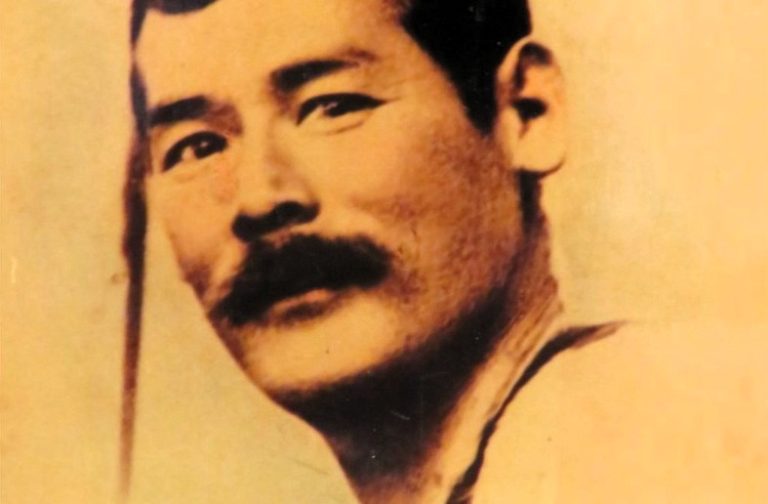
    Poles Apart! How A Japanese-Aussie Created An Apparently Eastern European Monicker

    なぜオーストラリアに「日本人由来のポーランド風の姓」があるのでしょうか? A very Australian mystery オーストラリアにある不思議な姓 Dicinoski sounds Polish. In fact, the surname is so unusual that it appears to belong to just one Australian family. And many of its members thought they came from Poland, too. Yet its origins lie not in Europe, but in Japan. And with a circus performer who became one of the earliest recorded Japanese settlers in Australia. 「ディキノスキー」と聞けば、ポーランド系の姓だと思うのが自然でしょう。ところが、この珍しい姓はオーストラリアの一つの一族にしか見られません。そのルーツはヨーロッパではなく日本。そして、その始まりはサーカス芸人として渡豪した日本人でした。 Meet Rikinosuke 始まりは力之助 His name was Sakuragawa Rikinosuke (桜川力之助). He was a Japanese acrobat who travelled to Australia with other performers in the early 1870s. Australian and Japanese sources differ slightly over the precise arrival date, but he was in Australia by 1873 and is recognised…