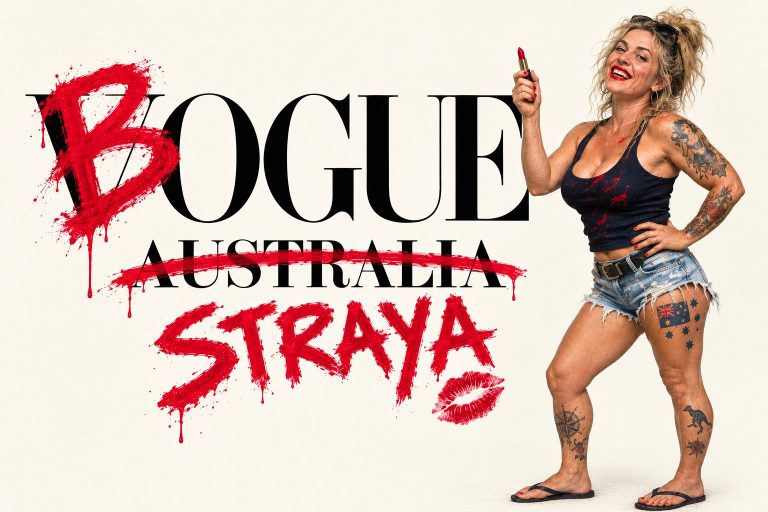
Enter The Ninja: Zef, Bogans, Yankii And Japan
Zef is one of those words that looks like a social category until you dig into it. It is South African, strongly associated with Afrikaans-speaking culture, and has been compared with Australia’s bogans, Britain’s chavs and America’s rednecks. But zef is not simply South Africa’s version of any of them. Its history is tied to apartheid, class, Afrikaner identity, popular music, cars and the extraordinary rise of Die Antwoord. And, like bogan, the word has undergone a remarkable transformation.
What is zef?
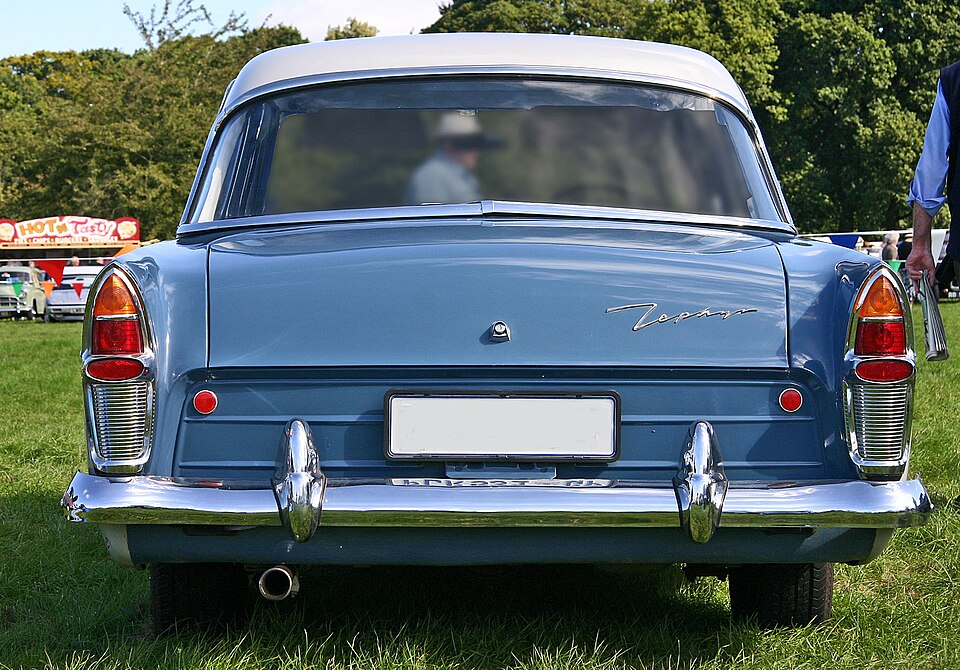
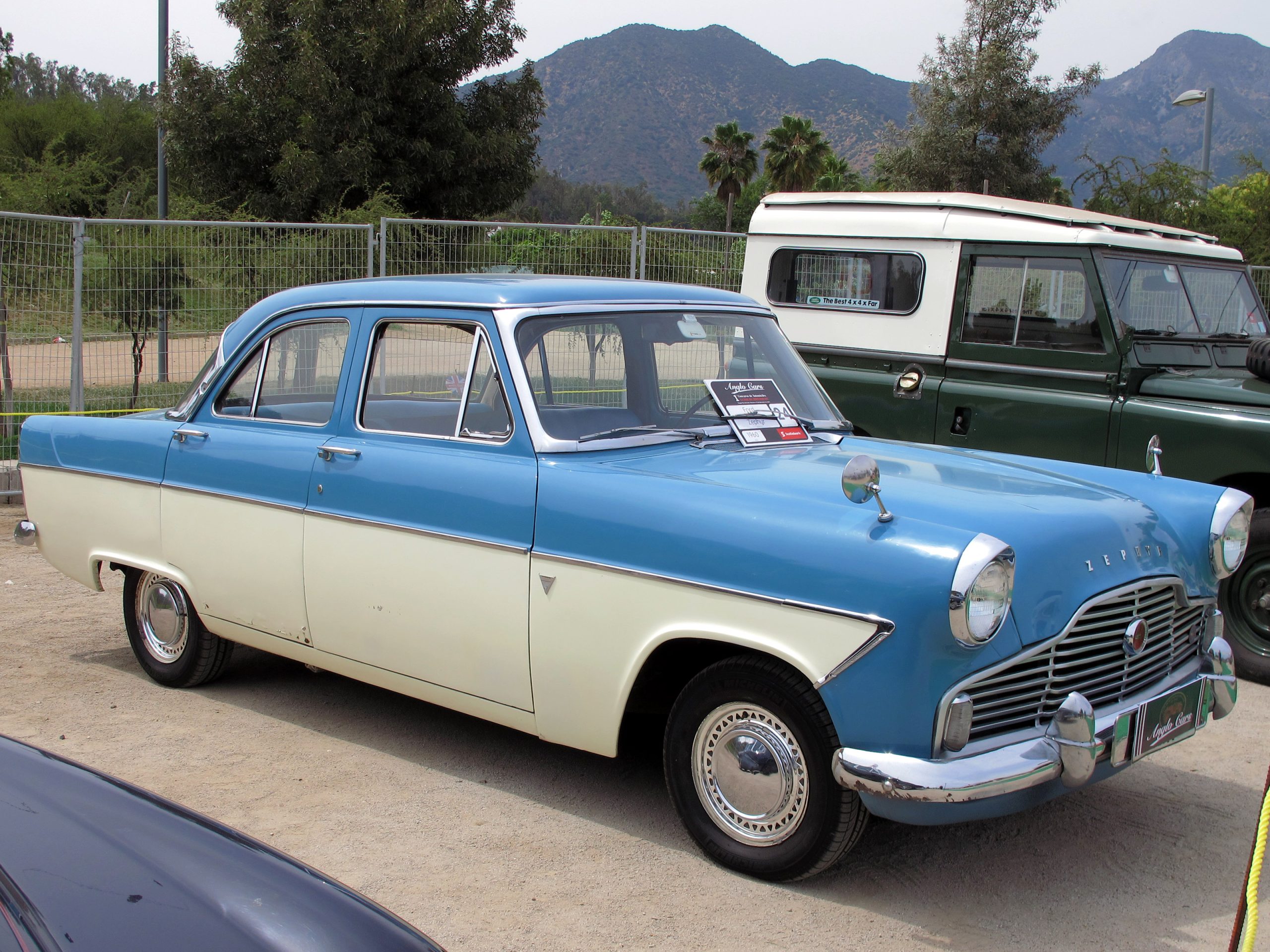
Zef is an Afrikaans slang term associated with things regarded as common, vulgar, kitsch, unsophisticated or unfashionable. The origin is generally linked to the Ford Zephyr, a car that became associated with working-class white South Africans. The precise history of the word is not completely settled, but linguistic research supports the Ford Zephyr explanation. In particular, souped-up Zephyrs became associated with young men who modified their cars and drove them aggressively.
The word was originally derogatory.
It was used to describe working-class white people and was associated with ideas of poor taste, cheapness and social inferiority. In the 1980s and 1990s, being called zef was generally not a compliment. That changed. Zef gradually became something that could be deliberately embraced rather than merely endured.
From insult to identity
The transformation of zef is closely connected with South Africa’s transition from apartheid to democracy in 1994. Apartheid had given white South Africans, including Afrikaners, a privileged political and social position. After 1994, white Afrikaans identity had to be renegotiated in a radically different society.
Research by Hannelie Marx and Viola Milton argues that zef became one way of working through that change. Their study examines how zef culture was used to construct and perform new forms of white Afrikaans identity after apartheid.
That makes zef rather different from simply being “poor people with bad taste.” It became a deliberately performed identity. Old-fashioned fashions, modified cars, flashy jewellery, cheap-looking objects, slang, profanity, kitsch and deliberately excessive behaviour could all be turned into cultural material. The joke was partly that the things respectable society considered embarrassing could be made cool.
Then came Die Antwoord

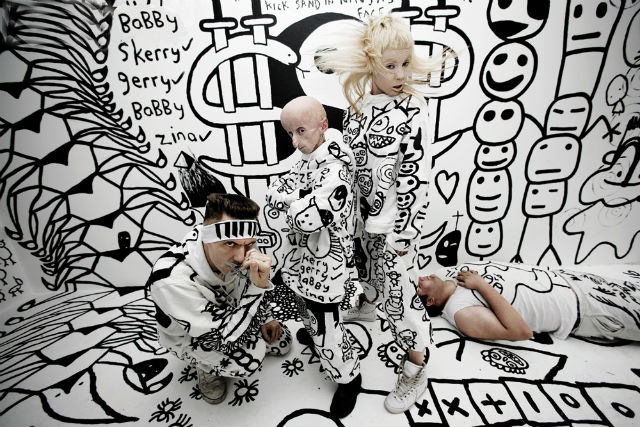
The international explosion of zef came in 2009 and 2010. Cape Town group Die Antwoord released the video “Zef Side” in 2009 and “Enter the Ninja” soon afterwards. The videos spread internationally online, turning a South African cultural term into something audiences around the world suddenly encountered.
Die Antwoord’s Ninja and ¥o-Landi Vi$$er presented zef as an exaggerated combination of working-class imagery, Afrikaans and English slang, rave, hip-hop, fashion, humour, sex, violence and deliberately tacky visual references.
Academic analysis has stressed that this was not simply an authentic documentary portrait of poor South Africans. Die Antwoord constructed highly stylised personas and deliberately mixed different cultural references.
That distinction matters. Zef existed before Die Antwoord. Die Antwoord did not invent zef. They turned it into an internationally recognisable artistic and commercial aesthetic.
Jack Parow became another prominent exponent of zef through Afrikaans rap and an equally flamboyant visual style. Researchers have therefore treated Die Antwoord and Parow as part of a wider development in Afrikaans popular culture rather than as the entire story.
What does zef actually look like?

There is no official zef uniform. The commonly recognised aesthetic includes things such as:
- modified or conspicuous cars
- loud music and powerful sound systems
- bright colours
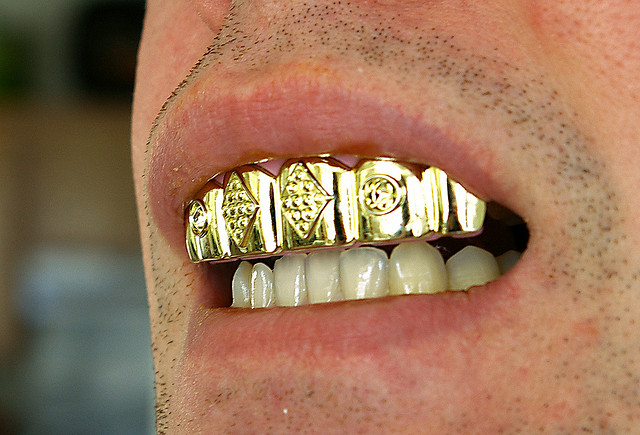
- gold jewellery
- tracksuits and sportswear
- mullets and other deliberately unfashionable hairstyles
- oversized or mismatched clothing
- kitsch domestic decoration
- Afrikaans slang
- deliberate vulgarity
- a mixture of old and new popular culture
One academic study describes the style as an accumulation of cultural “debris”: old music, old fashions, international pop culture and locally specific South African references thrown together rather than carefully curated. That is an important part of its appeal. Zef does not necessarily try to look poor. It can be about looking spectacularly, deliberately and proudly unrefined.
Zef and the bogan
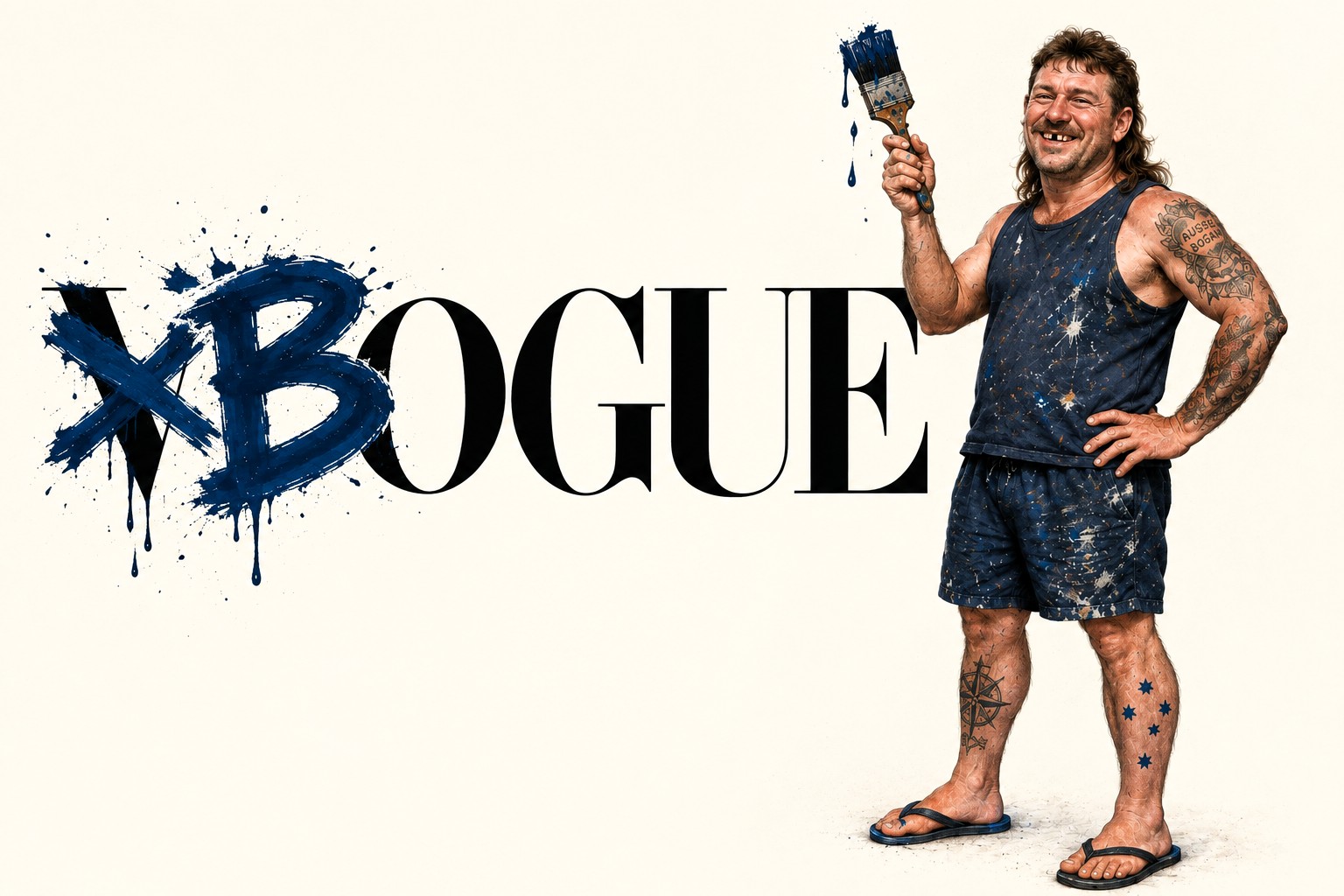
This is where things get particularly interesting. There are genuine similarities between zef and bogan culture. Both words began as insults. Both became associated with perceived lack of sophistication. Both acquired strong associations with particular clothes, hairstyles, cars, music and behaviour. Both were originally used by people looking down on the people they described. And both have subsequently been adopted, played with and sometimes celebrated by people who identify with the culture.
The Australian National Dictionary research places the earliest known use of bogan as a term for people in 1985, with the word spreading nationally during the late 1980s and early 1990s. It also records the later shift towards bogan as a cultural identity rather than simply a description of socioeconomic status.
There is even a particularly useful comparison in academic research: a study of zef explicitly compares it with the Australian bogan, American redneck and British chav. But the two cultures are not interchangeable.
Bogan developed within Australian English and Australian working-class and suburban culture. Zef developed within a specifically South African history involving Afrikaans identity, apartheid and the post-apartheid transformation of white South African identity.
So, Zef is not a South African bogan. But bogans and zefs are certainly distant cultural cousins.
Zef and Japanese yankii
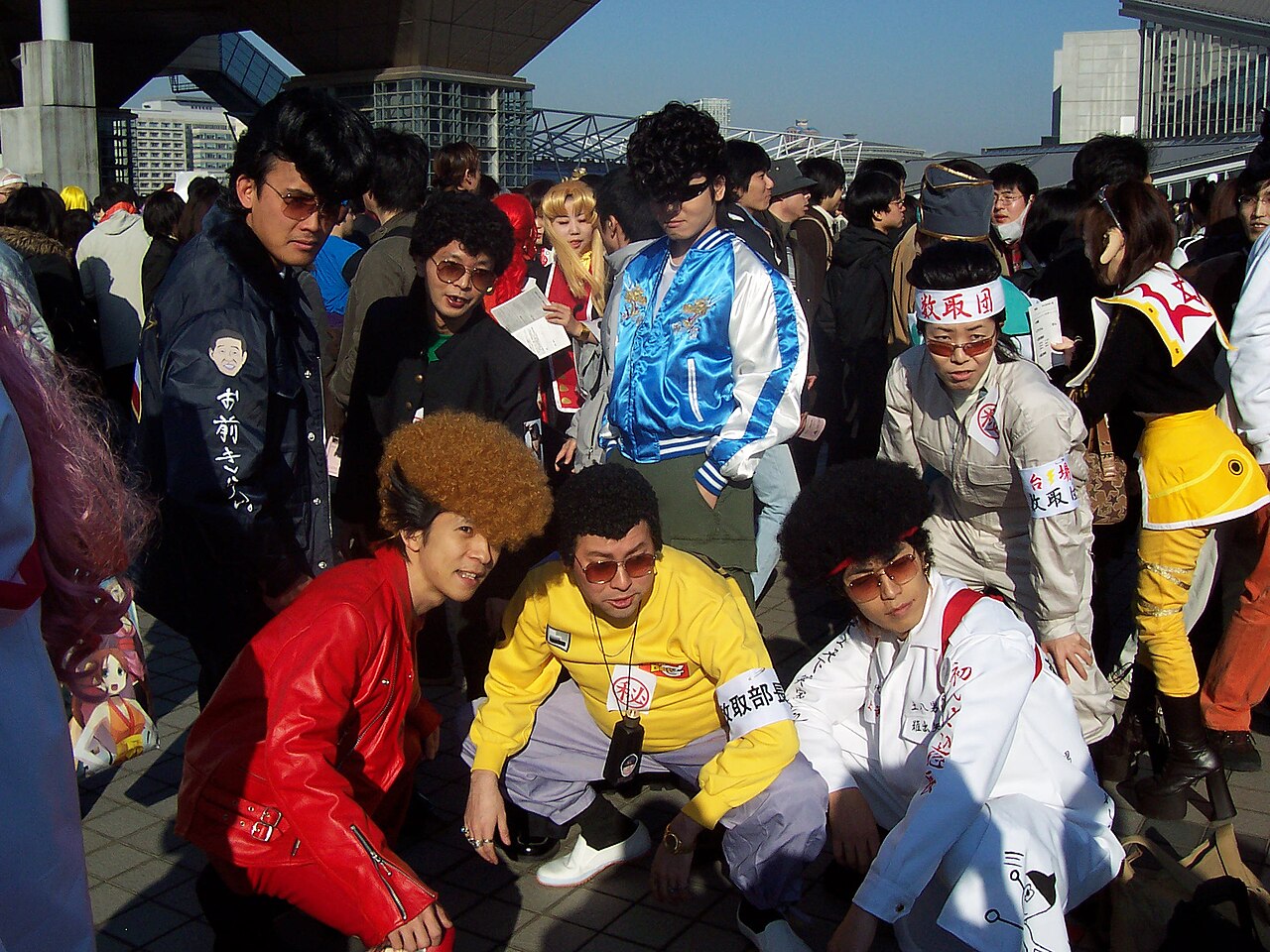
The comparison with Japanese yankii is even more interesting, but also requires some caution.
Yankii culture developed around rebellious Japanese youth, particularly from the late 1970s through the 1980s. It incorporated delinquent youth culture, customised uniforms, pompadours, motorcycles, rock’n’roll imagery and other deliberately rebellious styles. The culture was closely connected with tsuppari youth and, in some cases, bōsōzoku motorcycle groups.
There are obvious visual similarities.
Both cultures have featured:
- customised vehicles
- distinctive hairstyles
- exaggerated clothing
- rebellious behaviour
- youth subcultures
- deliberate rejection of respectable mainstream appearance
But the social meaning is different. Yankii is principally associated with Japanese youth rebellion and delinquent subculture. Zef has a much stronger connection with class, Afrikaans identity and the historical position of white South Africans.
A Japanese yankii is therefore not simply a Japanese zef. There is, however, a fascinating overlap in the way both cultures have subsequently been transformed by popular culture. Japanese manga, television and fashion have helped turn yankii imagery into something that can be nostalgic, humorous and commercially attractive rather than simply threatening.
And what about chavs and rednecks?
The British chav is another useful comparison. Cambridge Dictionary defines chav as an insulting British term for someone, usually young, whose dress, speech and behaviour are perceived as showing low social class and poor education. That makes chav particularly close to the older, derogatory meaning of zef.
The American redneck is different again. It is strongly associated with rural and working-class white America and has also been used both negatively and as a form of self-identification. These labels overlap in what outsiders may see, but their histories are not interchangeable.
| Culture | Country | Original emphasis | Later development |
|---|---|---|---|
| Zef | South Africa | Working-class/common, particularly white Afrikaans culture | Reclaimed and stylised as a distinctive South African identity |
| Bogan | Australia | Uncultured or uncouth person, originally associated with lower socioeconomic status | Broadened into a cultural identity; sometimes proudly self-applied |
| Yankii | Japan | Rebellious and delinquent youth | Became a major nostalgic and commercial youth-culture aesthetic |
| Chav | Britain | Derogatory class and youth label | Remains strongly class-loaded, although sometimes reclaimed |
| Redneck | United States | Rural/working-class white people | Both pejorative and proudly self-identifying uses |
The similarities are real. So are the differences. That is why simply translating zef as “bogan” loses some of the most interesting parts of the story.
Has South Africa’s changing situation changed zef?

Yes and no. South Africa itself has changed enormously since zef emerged. Apartheid ended in 1994. The country has experienced major political, economic and social changes since then. Poverty has declined in some periods, access to basic services has improved, and the racial and economic structure of South African society has changed. At the same time, severe inequality and unemployment remain major problems. Statistics South Africa recorded an official unemployment rate of 31.4 percent in the fourth quarter of 2025.
But the evidence does not support a simple claim that these problems directly produced a new form of zef. What the research does show is a change in what zef meant. The old insult became a consciously performed identity.
The post-apartheid period provided the cultural conditions for white Afrikaans artists and audiences to question older ideas about Afrikaner identity. Zef offered one way of doing that through parody, vulgarity, hybridity and self-mockery. More recent scholarship still discusses zef in terms of post-apartheid white Afrikaans identity and cultural performance.
So the safest conclusion is that South Africa’s problems and transformations form part of the background against which zef developed, but they have not simply caused zef to evolve in one identifiable direction.
There is also another change worth noting. For much of the world, “zef” became almost inseparable from Die Antwoord. That creates a problem of its own. A much broader South African cultural phenomenon can become reduced internationally to two musicians, a handful of music videos and an extreme visual aesthetic. That is rather like deciding that bogan culture is entirely explained by one television programme.
Is there a connection with Japan?

There is no evidence I could find of Japanese yankii culture directly influencing the development of zef. There is, however, a genuine Japanese connection through Die Antwoord.
In 2012, Die Antwoord’s album Tension was released in association with Japan’s Good Smile Company, which also collaborated with the group on merchandise based on their Evil Boy character.
There is also evidence that Die Antwoord’s zef aesthetic reached Japanese youth culture.
A 2012 Tokyo Fashion street-style feature, for example, photographed a young woman in Shinjuku who identified Die Antwoord as one of her favourite musical acts. That is evidence of Japanese exposure to zef through global popular culture. It is not evidence that zef became a Japanese subculture. That distinction is important.
So, is zef basically bogan?
No. But the comparison is useful. Bogan and zef demonstrate something that happens repeatedly in popular culture. A group of people is given a derogatory label by outsiders. The label accumulates stereotypes. The people involved begin playing with those stereotypes. Musicians, comedians, writers and artists turn them into cultural material. Eventually, the insult can become a badge of identity. That does not erase the class prejudice contained in the original word. Instead, it gives the people being described another way of controlling the description.
And that may be the most interesting thing about zef. It took “common” and asked: What if common was the whole point?

Further Reading
- Die Antwoord official website
- Marx and Milton, “Bastardised whiteness: ‘zef’-culture, Die Antwoord and the reconfiguration of contemporary Afrikaans identities”
- Smit, “Enter the imperceptible: Reading Die Antwoord”
- Dobrogoszcz, “From Kitsch and Carnivalesque to Cultural Appropriations”
- Stellenbosch linguistic research on Zefrikaans and the origin of zef
- News24, “The Dummies guide to Zef”
- Australian National Dictionary Centre: meanings and origins of “bogan”
- ABC, history of the word “bogan”
- Nippon.com, history of Japanese yankii and delinquent youth culture
- J-STAGE, research on Okinawan yankii subcultures
- Statistics South Africa, Q4 2025 labour-force results