What Happened When Japan Took On The Melbourne Cup?
日本馬がメルボルンカップに挑んだら、何が起きた?
The Melbourne Cup has always attracted horses from overseas, but Japan’s relationship with Flemington is an unusually dramatic one. Japan’s first Japanese-trained runner appeared only in 2005. A year later, two Japanese horses finished first and second. Then a disease outbreak and Australia’s quarantine rules effectively shut the door for several years. When Japanese runners eventually returned, there were heartbreaks, near misses and one extraordinary second place.
And now, 20 years after Japan’s greatest Melbourne Cup triumph, another Japanese stayer is coming to Melbourne.
メルボルンカップには昔から海外馬が参戦してきましたが、日本との関係はかなりドラマチックです。日本調教馬が初めて出走したのは2005年。その翌年には日本馬が1着と2着を独占しました。ところが、その直後に馬インフルエンザが発生し、オーストラリアの厳しい検疫措置によって日本馬の参戦は事実上ストップ。その後も再挑戦、悲劇、そして惜しい2着が続きました。
そして2026年。日本のメルボルンカップ初制覇から20年、また1頭の日本馬がフレミントンへ向かおうとしています。
The first Japanese challenger
最初の日本馬
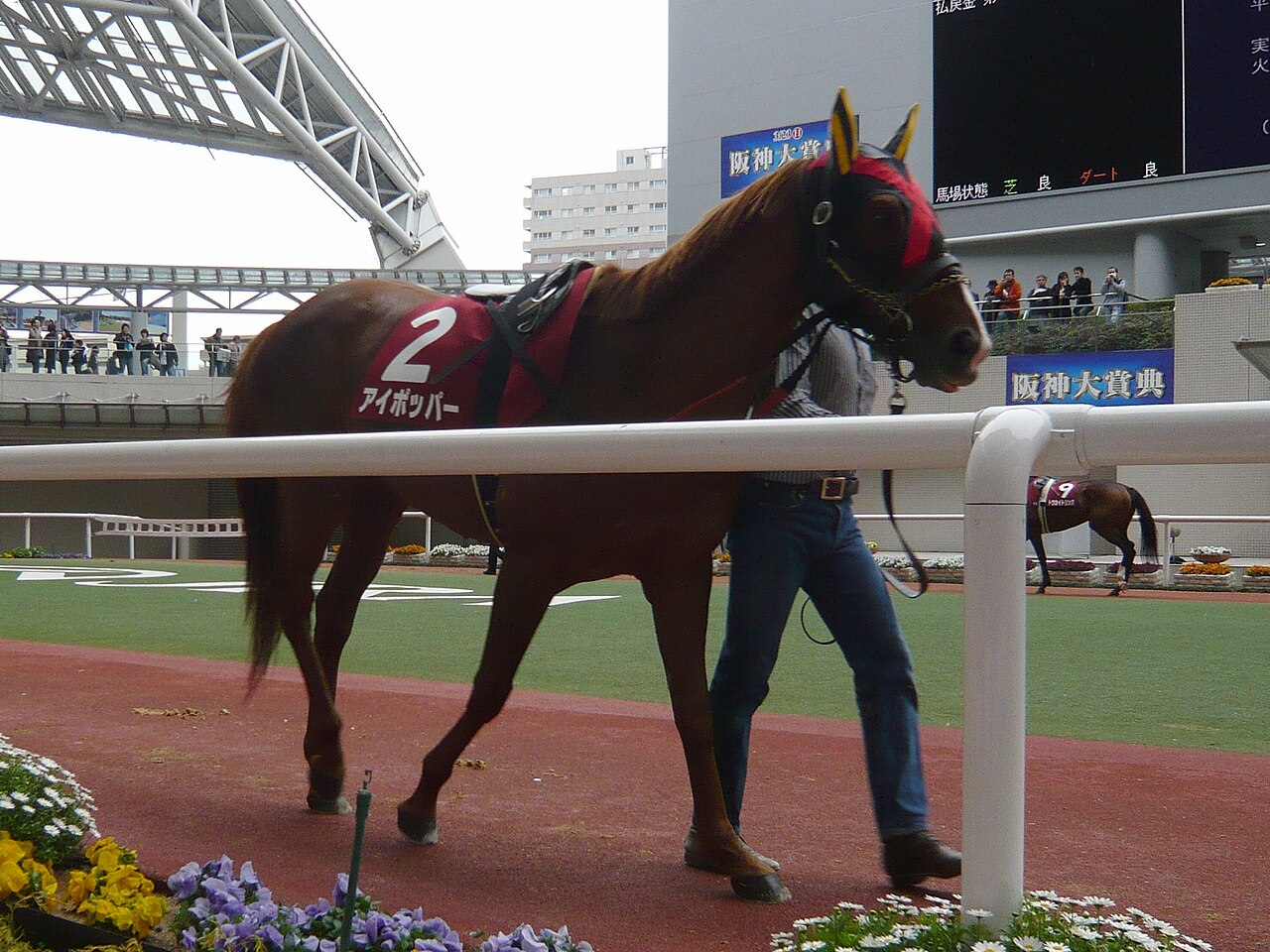
Japan’s first Japanese-trained Melbourne Cup runner was Eye Popper (アイポッパー) in 2005. He arrived in Australia having already established himself as a serious stayer in Japan. He finished second in the Caulfield Cup before lining up at Flemington, where Makybe Diva was chasing her extraordinary third consecutive Melbourne Cup. Eye Popper finished 12th. That result hardly looked historic at the time. But it was the beginning of something much bigger.
2005年にフレミントンへやって来たのが、最初の日本調教馬アイポッパーでした。日本では長距離馬として実績を積んでおり、オーストラリア入りするとコーフィールドカップで2着。メルボルンカップでは、史上初の3連覇を狙っていたマカイビーディーヴァと対戦しました。結果は12着。しかし、この12着が日本とメルボルンカップの歴史の始まりでした。
Then Japan did something nobody expected
そして翌年、日本馬がとんでもないことをやった
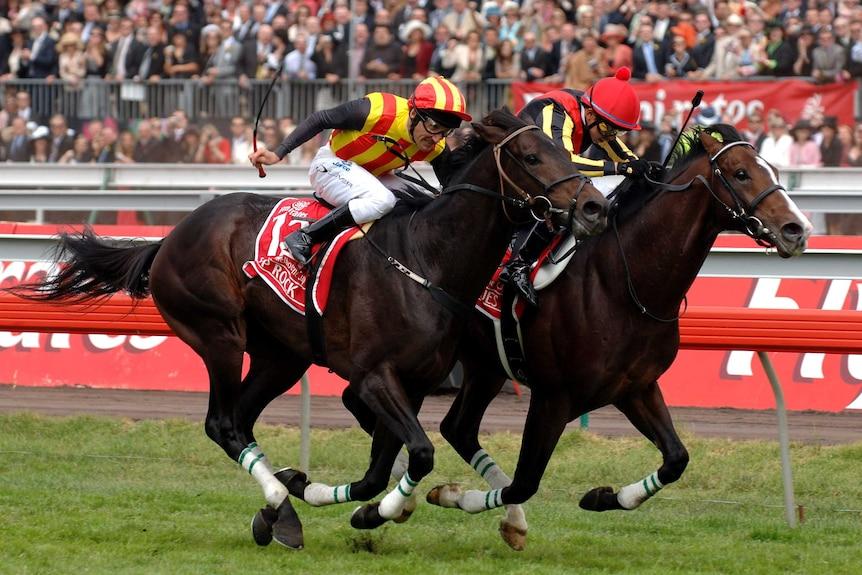
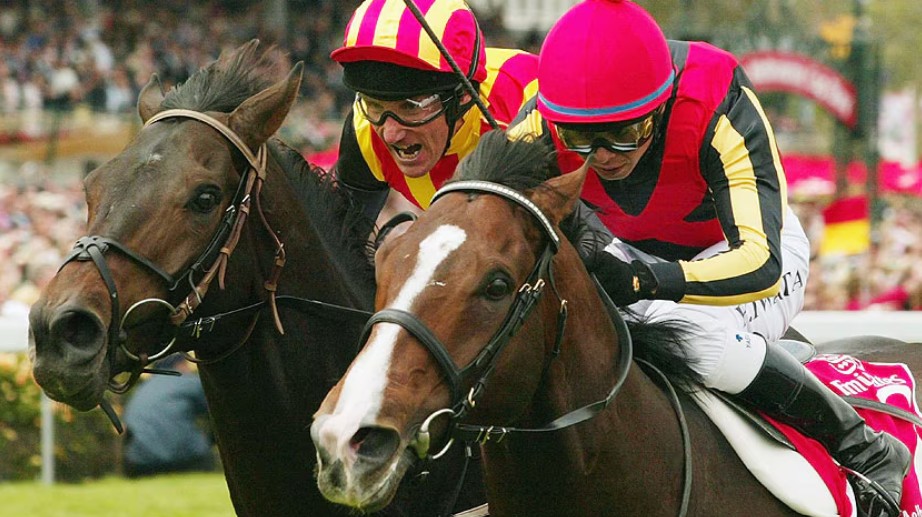
One year later, Japan returned with Delta Blues and Pop Rock, both trained by Katsuhiko Sumii. They had already raced against each other in Japan. At Flemington, they produced one of the most memorable finishes in Melbourne Cup history. Delta Blues had finished third in the Caulfield Cup. Pop Rock had finished seventh. Then, over 3,200 metres at Flemington, the two Japanese horses pulled away from the rest of the field and fought out the finish themselves. Delta Blues, ridden by Japanese jockey Yasunari Iwata, beat Pop Rock by a half-head. Pop Rock was ridden by Australian champion Damien Oliver.
2005年からわずか1年後、日本はデルタブルースとポップロックという2頭を送り込みました。どちらも角居勝彦調教師の管理馬です。そして2006年11月7日、フレミントンで歴史的な一騎打ちが起こりました。デルタブルースはコーフィールドカップ3着、ポップロックは7着。しかし3,200メートルの本番では、日本馬2頭が他馬を引き離し、最後の直線で勝負を決めました。岩田康誠騎手のデルタブルースが、オーストラリアの名手ダミアン・オリヴァー騎手が乗ったポップロックを半馬身差で破りました。
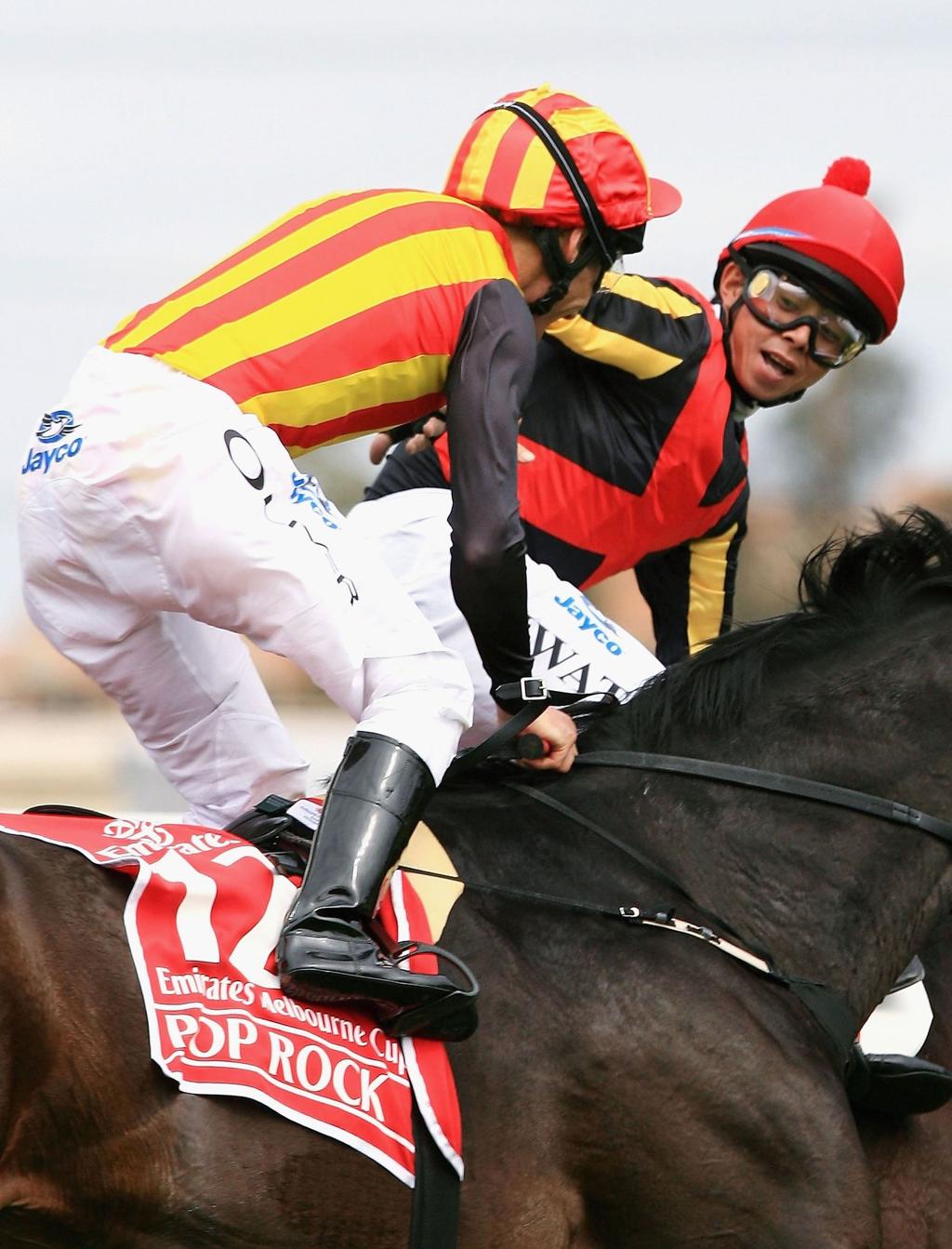
The victory made Delta Blues the first Japanese-trained horse to win the Melbourne Cup — and the first horse trained in Asia to do so. Even more remarkably, Japan had finished first and second. It was such an extraordinary result that Oliver, despite having been beaten, publicly expressed his admiration for the Japanese horses and for Sumii and Iwata.
デルタブルースは、日本調教馬として初めてメルボルンカップを制しただけでなく、アジア調教馬としても初の優勝馬となりました。しかも日本馬によるワンツー。オリヴァー騎手もレース後、日本馬や角居調教師、岩田騎手への大きな敬意を語っています。オーストラリアと日本の競馬人が、同じレースでライバルになりながら互いの技術を認め合う、象徴的な瞬間でもありました。
The horse that refused to move
レース前には「動かない馬」だった
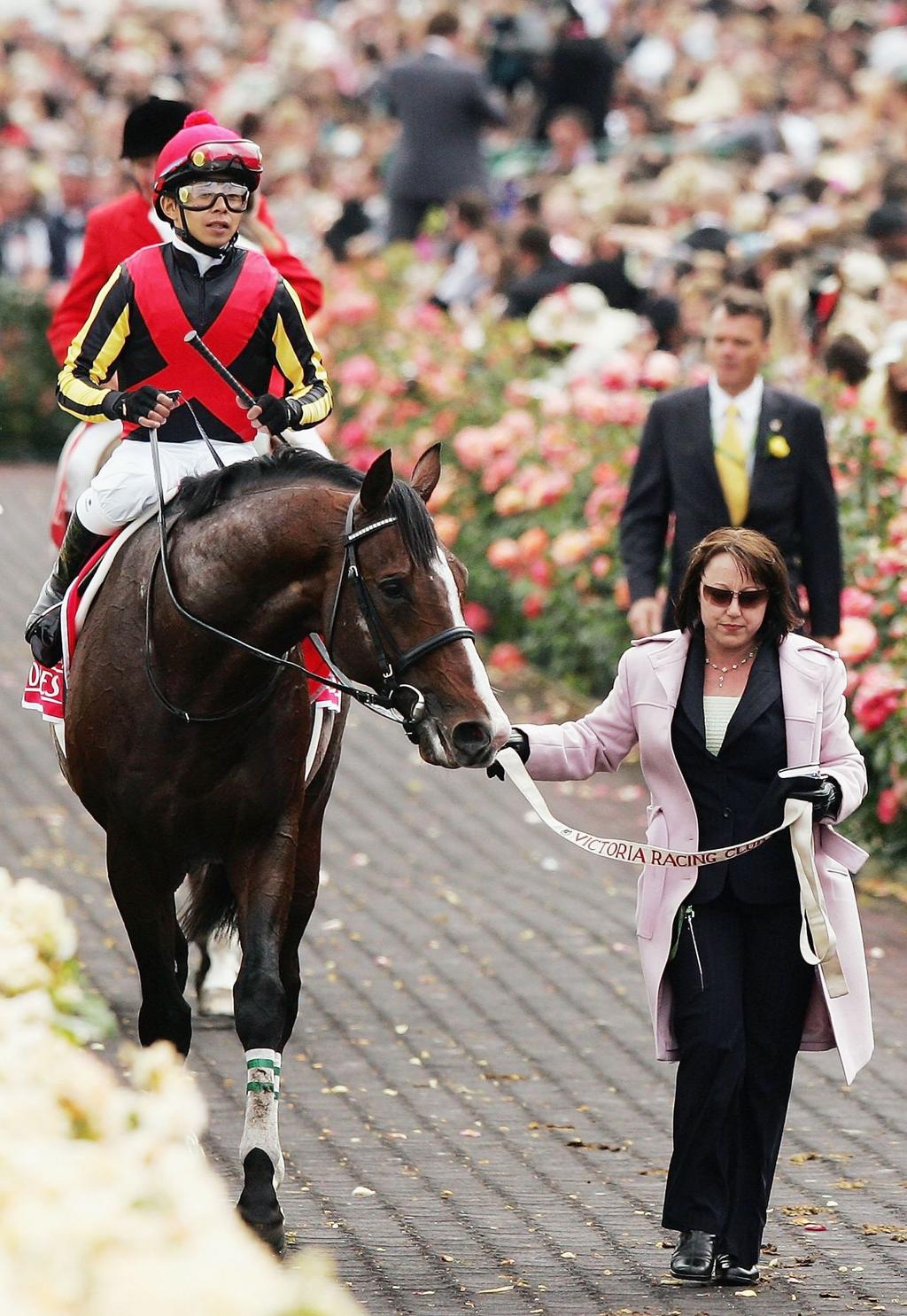
There is a particularly good Melbourne Cup oddity in the Delta Blues story. A week before the race, Delta Blues was supposed to gallop at Flemington during the traditional Breakfast with the Stars morning. He refused to move. Some observers immediately wrote him off. A week later, he won the Melbourne Cup.
デルタブルースには、ちょっと笑えるエピソードもあります。レースの1週間前、フレミントンで公開調教を行う予定だったのですが、デルタブルースはコース上で動こうとしませんでした。それを見て、早くも「これはダメなのでは」と考えた人もいたそうです。1週間後、その馬はメルボルンカップを勝ちました。
Then the door slammed shut
ところが、日本馬の前に大きな壁が現れた
The 2006 triumph looked as though it might begin a new era of Japanese dominance. Instead, it was followed by a three-year absence. In August 2007, Japan experienced an outbreak of equine influenza. Australia subsequently suspended direct imports of horses from Japan, and the Japanese horses that had been expected to return to Melbourne could not come. Delta Blues and Pop Rock were among the horses affected. Racing Victoria had been looking forward to seeing the pair defend their Cup, but the outbreak disrupted their preparations and quarantine arrangements.
2006年のワンツーは、日本馬時代の始まりになるかと思われました。しかし、その直後に3年間の空白が生まれます。2007年8月、日本で馬インフルエンザが発生。オーストラリアは日本からの馬の直接輸入を停止し、メルボルンカップを目指していた日本馬も渡豪できなくなりました。前年の優勝馬デルタブルースと2着馬ポップロックも再出走できませんでした。
The consequences went beyond one race. Australia’s government undertook a lengthy reassessment of the biosecurity risks associated with importing horses from Japan. Racing Victoria wanted Japanese stayers back, but quarantine arrangements had to be changed before that could happen.
日本馬が出られなかったのは、単に「オーストラリア側が日本馬を締め出した」という単純な話ではありません。馬インフルエンザによるバイオセキュリティ上の問題から、オーストラリア政府は日本からの馬の輸入について改めてリスク評価を行いました。一方、レーシング・ヴィクトリア側は日本の一流ステイヤーを再びメルボルンに呼びたいと考えていました。つまり、競馬そのものだけでなく、両国の検疫制度がレースの顔ぶれを左右することになったのです。
Japan came back — but Melbourne was unforgiving
日本馬は戻った。でも、メルボルンは甘くなかった
The restrictions were eventually eased and Tokai Trick became the first Japanese runner to return, in 2010. The eight-year-old had enormous staying experience, including five consecutive appearances in Japan’s Tenno Sho (Spring), the 3,200-metre race that is one of Japan’s great tests for stayers. He finished 12th in the Melbourne Cup.
2010年、検疫規制の緩和によって日本馬が再びオーストラリアへ戻れるようになり、その先陣を切ったのが8歳馬トウカイトリックでした。日本の3,200メートルの長距離G1、天皇賞(春)にも5年連続で出走したほどのベテランでしたが、メルボルンカップでは12着でした。
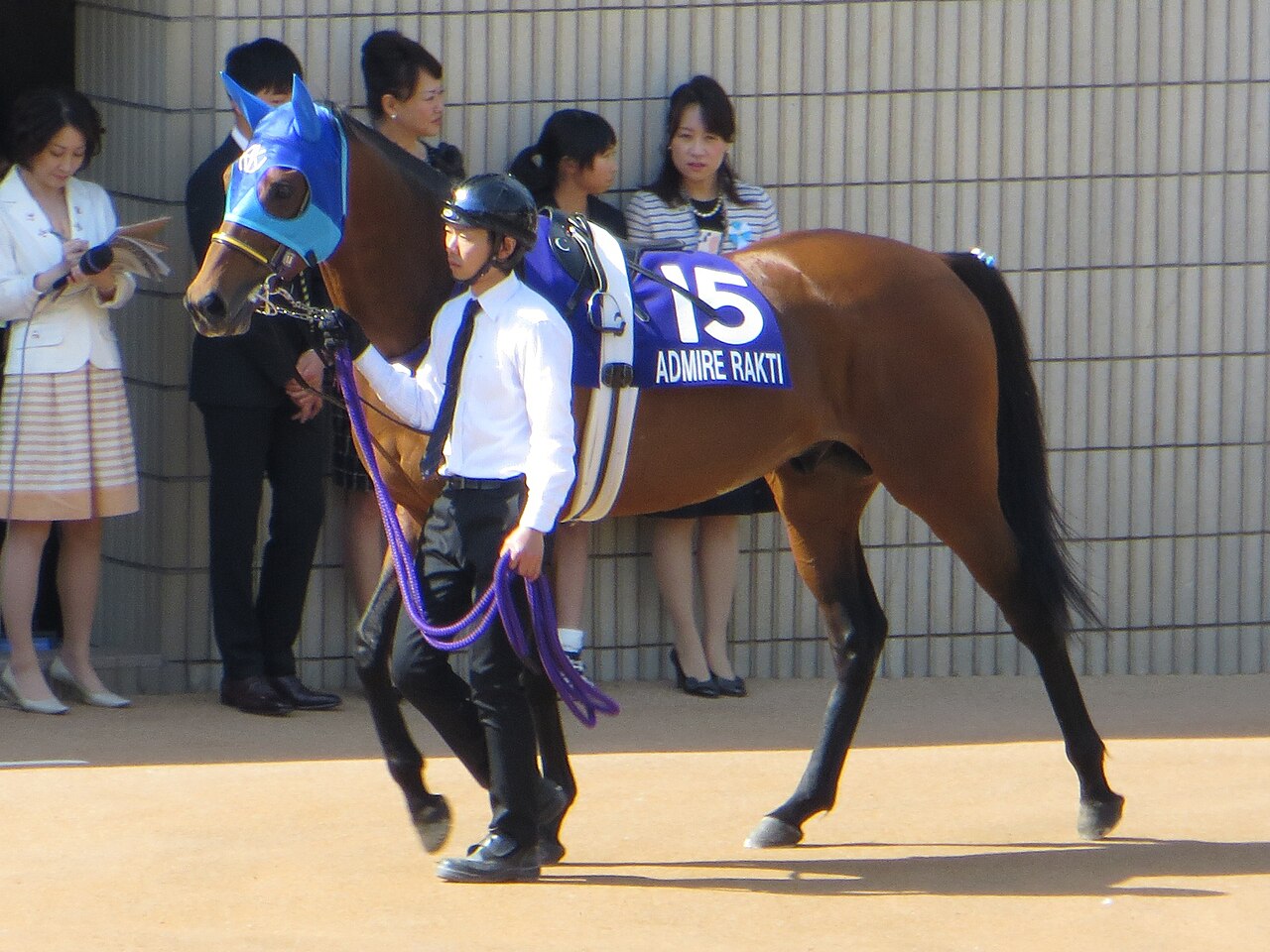
The next major Japanese challenge came in 2014. Admire Rakti won the Caulfield Cup — becoming only the second Japanese-trained horse to win an Australian Group 1 — and went into the Melbourne Cup as favourite. But he finished last. Tragically, he died from cardiac arrest after the race.
2014年にはアドマイヤラクティがコーフィールドカップを制しました。日本調教馬としてオーストラリアのG1を勝った2頭目の馬でした。メルボルンカップでは1番人気に支持されましたが、22着。さらにレース後、心臓発作で亡くなるという悲劇に見舞われました。
The following year, Fame Game and Hokko Brave represented Japan. They finished 13th and 17th respectively.
翌2015年にはフェイムゲームとホッコーブレーヴが参戦しましたが、それぞれ13着と17着でした。
And then came another Japanese near-miss
そして2024年、また日本馬があと一歩まで来た
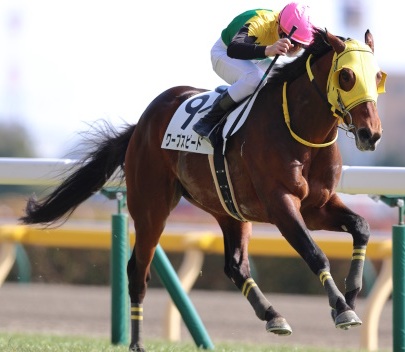
For several years after 2015, Japan did not produce another Japanese-trained Melbourne Cup runner. Then came Warp Speed in 2024. He arrived after finishing fifth in Japan’s Tenno Sho (Spring), but his first Australian run was disappointing: 13th in the Caulfield Cup on wet ground. At Flemington, however, everything changed. Warp Speed came from the second half of the field and produced a huge late run. He was beaten by only a head by Knight’s Choice.
2015年以降、日本調教馬によるメルボルンカップ参戦はしばらく途絶えました。そして2024年、ワープスピードが登場します。日本の天皇賞(春)5着を経てオーストラリアへ来ましたが、コーフィールドカップでは雨の影響もあり13着。ところがフレミントンでは別馬のような走りを見せ、後方から一気に追い込みました。結果はナイツチョイスにわずか頭差の2着。日本馬は、またしてもメルボルンカップ制覇のすぐそばまで来ていました。
What about 2025?
2025年はどうだった?
Japan sent Chevalier Rose, an eight-year-old son of the great Japanese stallion Deep Impact. His 2024 form looked highly suitable for Flemington: he won the Kyoto Daishoten over 2,400 metres and then the Stayers Stakes over 3,600 metres. But his form deteriorated during 2025. He finished 23rd of 24 in the Melbourne Cup.
日本から2025年に送り込まれたのは、名種牡馬ディープインパクト産駒のシュヴァリエローズでした。2024年には京都大賞典2,400メートル、ステイヤーズステークス3,600メートルを連勝しており、長距離適性は十分に見えました。しかし2025年は本来の力を発揮できず、メルボルンカップでは24頭中23着に終わりました。
So who is coming in 2026?
では2026年は誰が来るのか?
Sadly, Stinger Glass, Japan’s representative in the 2026 Melbourne Cup, had to be withdrawn before the race due to concerns for his safety.
残念ながら、2026年日本代表だったスティンガーグラスは、けがの恐れがあったため出馬を見送りました。
The relationship runs both ways
日本からオーストラリアへ、そしてオーストラリアから日本へ

The interesting thing about the Japan–Melbourne Cup relationship is that it isn’t really a story about one country’s horses invading another country’s race. Australian and Japanese racing have been borrowing from each other for decades. In 1990, the Australian-trained Better Loosen Up became the first Australian-trained horse to win the Japan Cup in Tokyo.
Australian jockeys have ridden Japanese horses to major victories in Japan. Hugh Bowman won the 2017 Japan Cup aboard Japanese-trained Cheval Grand, while Craig Williams rode Japanese horses including Admire Rakti in Japan. And Damien Oliver’s role in the 2006 Melbourne Cup is a particularly nice example of the connection: he was riding a Japanese horse against another Japanese horse, trained by the same Japanese trainer, while his opponent was a Japanese jockey.
この関係の面白さは、「日本の馬がオーストラリアのレースに挑戦する」という一方通行の話ではないことです。日本とオーストラリアの競馬は、何十年も互いの技術、人材、馬を行き来させてきました。1990年にはオーストラリア調教馬のベター・ルースン・アップが東京競馬場のジャパンカップを制しました。これはオーストラリア調教馬によるジャパンカップ初制覇です。日本ではオーストラリア人騎手も活躍してきました。2017年のジャパンカップではヒュー・ボウマンが日本調教馬シュヴァルグランに騎乗して優勝しています。
And that is perhaps the best thing about the Melbourne Cup’s Japanese story. The horses may carry the colours of Japan or Australia, but the people involved have increasingly crossed the same borders. Trainers, jockeys, owners, breeders and racing officials have made the relationship much more complicated — and much more interesting — than a simple Australia-versus-Japan sporting contest.
そして、これこそメルボルンカップと日本の関係で一番面白いところかもしれません。馬は日本やオーストラリアの所属として走ります。しかし、その背後にいる人々は国境を越えてきました。調教師、騎手、馬主、生産者、競馬関係者が日本とオーストラリアを行き来してきた結果、この関係は単純な「日本対オーストラリア」というスポーツ対決ではなくなっています。
Twenty years after Delta Blues
デルタブルースから20年
Delta Blues died in Japan in October 2024, aged 24. After racing, he spent time at Northern Horse Park and later at Old Friends Japan, where he was retrained and enjoyed a second life away from the racetrack. The Melbourne Cup Tour even visited him in Japan. By the time Stinger Glass reaches Melbourne, it will be exactly 20 years since Delta Blues and Pop Rock produced that astonishing Japanese one-two.
デルタブルースは2024年10月、日本で24歳の生涯を終えました。引退後はノーザンホースパークなどで過ごし、その後はOld Friends Japanで再調教を受けながら余生を送りました。メルボルンカップ・ツアーが日本でデルタブルースを訪問したこともあります。スティンガーグラスがフレミントンに到着すれば、デルタブルースとポップロックが日本馬による歴史的なワンツーを決めてから、ちょうど20年になります。

20年前、日本馬がメルボルンカップを席巻する時代が始まるのではないかと思われました。そうはなりませんでした。その代わりに日本馬が残したのは、かなり波乱に富んだ歴史です。
More About Japan-Australia Horse Racing…
- Victoria Racing Club — Melbourne Cup winners and history
- JRA — Stinger Glass profile
- JRA — 2026 Diamond Stakes result
- JRA-VAN — History of Japanese runners in the Melbourne Cup
- ABC — Delta Blues and Pop Rock’s 2006 Melbourne Cup quinella
- Australian Government — Australia’s horse-import biosecurity review after the 2007 outbreak
- Racing.com — Stinger Glass and the 2026 Melbourne Cup
- Melbourne Cup blow as Japanese star Stinger Glass ruled out
- Delta Blues leads Japanese sweep