Japan and the ANZACs
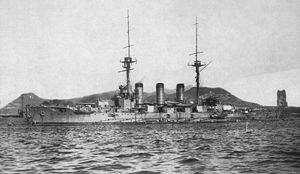
Japan is one of the many forgotten contributors to
ANZAC Day, a day that has assumed legendary status in Australia and New Zealand.
ANZAC Day commemorates the landing of Australian and New Zealand troops at Gallipoli on April 25, 1915.
Thousands of young men would be cut down in their prime during the vain campaign that ended in an embarassing defeat at the hands of the Ottomon Empire forces, but Gallipoli has since become a hallowed reminder of people’s willingness to commit their lives for their country. The ANZACs, diggers from the Australia New Zealand Army Corps, are now almost deified in an Australia where nationalism has come into vogue over the past couple of decades.
Yet, the ANZACs may never have arrived at the battlefield were it not for Japan.
Japan was an ally in World War I, courtesy of the Anglo-Japanese Alliance then in operation. Japan was entrusted with providing military power in the Pacific, protecting Australia and other British possessions in the Pacific. Part of those duties included His Japanese Imperial Majesty’s Ship Ibuki escorting the original ANZACs to Egypt, from where they would later head to Gallipoli.
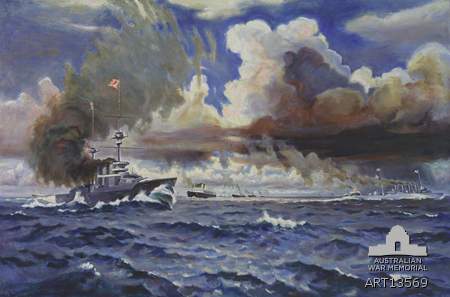
Ibuki was the only protection for the HMAS Sydney when she took on the German ship SMS Emden in the Battle of the Cocos, Australia’s first-ever naval
engagement as a nation.
Ibuki could have taken on the German ship as it was more powerful than the Sydney, but deferred to the Australian craft. Australian naval authorities would later laud the Ibuki for showing the “spirit of the samurai” for the gesture that allowed the Royal Australian Navy to mark its first major success with the sinking of the Emden.
In this regard, Japan’s part in creating the ANZAC legend has largely fallen by the wayside alongside others such as Indigenous Australians, Chinese Australians and woman. Many around Australia will mark ANZAC Day today with the phrase “Lest we Forget.” We hope that includes not forgetting the way many other less well-known contributors helped shape the ANZAC tradition.
Reference
HMIJS Ibuki
Lest We Forget Japan’s Role in Creating the ANZAC Legend