Lest We Forget Japan’s Role in Creating the ANZAC legend
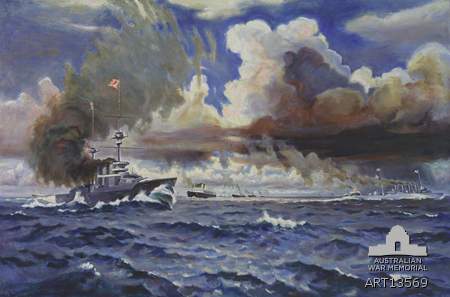
ANZAC Day, April 25, has become an almost holy day on the Australian calendar in the early 21st century as the country celebrates the efforts and sacrifices of its military personnel since it first went to war as a nation at Gallipoli in 1915, but few remember Japan was an ally that played a vital role in creating the ANZAC legend.
21世紀初期現在、ANZAC Day(4月25日)がオーストラリアでは、1915年に国として初めて戦争を体験したガリポリをはじめ復員兵などの努力や犠牲を称える聖なる日のような存在となっているが、そのANZAC伝説づくりに味方としての日本の大きな貢献がほとんど知られていないのだ。
ANZAC Day is a painful time for many Japanese Down Under as anti-Japanese sentiment in Australia peaks with constant reminders of World War II, when the countries were on opposing sides of the conflict.
第二次世界大戦では日本は敵国だったことから、反日感情が高まるANZAC DAYは在豪日本人にとって苦痛を感じる長い一日となる。
But the reality is that the ANZAC legend so glorified nowadays in Australia would arguably not have been created had it not been for the aid of His Imperial Majesty’s Japanese Ship Ibuki, a battlecruiser that served as part of the naval escort of the Australian and New Zealand troops that would go on to fight at Gallipoli and create the ANZAC legend.
しかし、大日本帝国海軍伊部位巡洋戦艦がANZAC伝説の舞台となったガリポリで豪州・ニュージーランド軍の援護隊であった。
As part of the Anglo-Japanese Alliance, the Imperial Japanese Navy also played a vital role in helping with the defense of Australia in the early decades of its nationhood following Federation in 1901.
また、日英同盟下の一環としても、1901年の豪州独立以降、大日本帝国海軍は豪州の防衛に重大な役割を果たした。
Australian journalist Denise Smithson has worked tirelessly in recent years to have the Ibuki’s role in the ANZAC legend recognized in Australia.
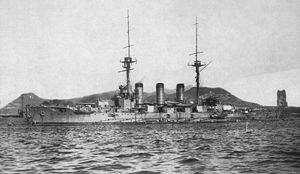
近年、オーストラリア人ジャーナリスト、デニス・スミソン氏は研究などにより、巡洋戦艦「伊吹」のANZAC伝説に関する役割を認めるように働きかけている。
As the centenary of the ANZAC landings nears, perhaps it’s a good time to start celebrating Japan’s role in Gallipoli and thanking it for its contribution toward an event often seen as the birth of the Australian nation.
ANZAC軍のガリポリ上陸100周年記念を前に、日本のガリポリでの役割を称えオーストラリア国家創生に貢献してくれたことに感謝を表すべきだ。
Reference
HMIJS Ibuki
Japan’s Forgotten Role
Smithson Media News Release About Ibuki
Smithson Media