From Runaway Kumamoto Bride To Aussie Clan Matriarch
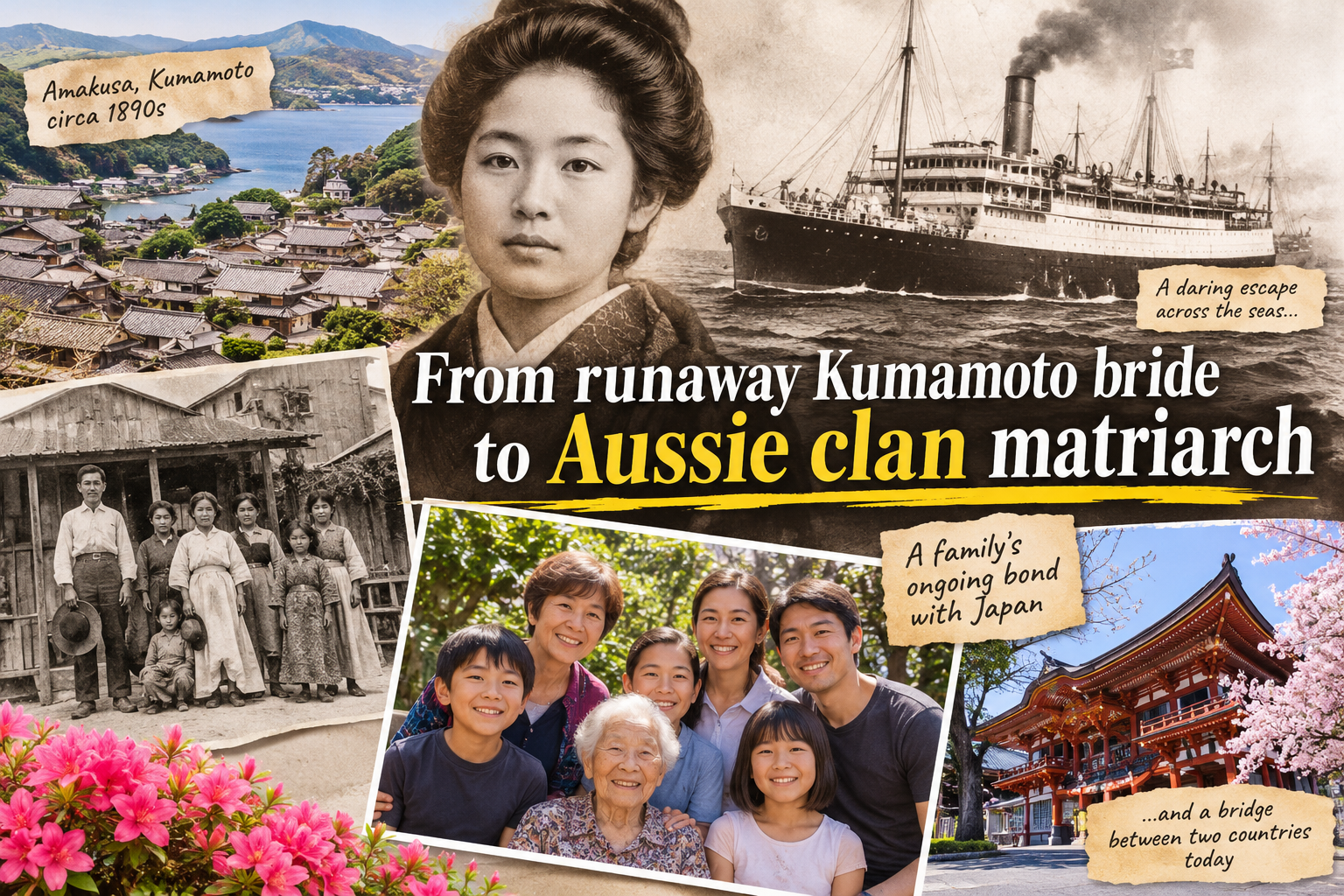
From a coal bunker in Nagasaki to a multicultural family in Broome, the extraordinary journey of Yae Yamamoto.
A daring escape from Japan
In 1896, a young woman from a remote island village in the Amakusa archipelago in Japan’s Kumamoto Prefecture made a remarkable escape. Unwilling to marry a man chosen by her family, Yae Yamamoto ran away from home, eventually reaching Nagasaki. Her escape route was extraordinary: she hid in the coal bunker of a ship leaving Japan and arrived in Fremantle, Western Australia. She was one of many women seeking to escape the poverty of rural Japan.
1896年、熊本県の人里離れた村に暮らす若い女性が、驚くべき行動に出た。家族が決めた男性との結婚を望まなかった山本ヤエは故郷から逃げ出し、長崎までたどり着いた。そして、日本を離れる船の石炭庫に身を隠し、西オーストラリア州のフリーマントルに到着した。ヤエは、当時の日本の農村の貧困から抜け出そうとした女性の一人だった。
Yae came from Ichoda-mura, a village on Shimoshima Island in the Amakusa Islands, now part of Amakusa in Kumamoto Prefecture. Amakusa was a remote island region where fishing and farming sustained much of the population. Its limited agricultural land and dependence on the sea made life difficult for many rural households. Opportunities were scarce, and poverty could place enormous restrictions on people’s choices.
ヤエの故郷は、天草諸島の下島にあった市田村。現在の熊本県天草市の一部にあたる。天草は、漁業と農業が人々の暮らしを支える離島地域だった。耕作できる土地は限られ、海に頼る生活は自然条件にも左右された。農村の暮らしは厳しく、貧困によって人生の選択肢が大きく制限されることもあった。
Yae’s granddaughter, Pearl Hamaguchi, later described her grandmother as one of the women who left Japan to escape rural poverty. Pearl never met Yae, who died before she was born, but heard stories about her from her aunt Theresa Chi. Those family recollections preserved the remarkable account of a woman determined to make her own choices.
ヤエの孫娘、パール・ハマグチは、祖母を農村の貧困から逃れるために日本を離れた女性の一人として紹介している。ヤエはパールが生まれる前に亡くなっていたため、二人が会うことはなかった。しかし、パールは叔母のテレサ・チーから祖母の話を聞き、その大胆な人生を知ることになった。
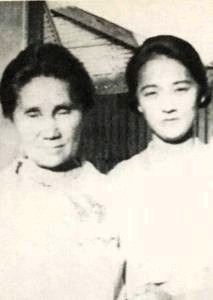
A new life in Australia’s pearling country
After arriving in Australia, Yae met John Chi, a Chinese-born pearler and businessman originally from Shantou in Guangdong Province. John had arrived in Australia in 1870 as a cabin boy and later became involved in the pearling industry around Cossack in Western Australia.
オーストラリアに渡ったヤエは、中国広東省の汕頭(スワトウ)出身の真珠業者で実業家でもあったジョン・チーと出会った。ジョンは1870年、船の給仕係としてオーストラリアに渡り、その後、西オーストラリア州コサック周辺の真珠産業に関わるようになった。
Yae and John married and moved to Broome in 1899. They invested in property in the town’s Chinatown district, where they operated boarding houses and a noodle shop. Their business became part of a growing community built around the pearling industry.
ヤエとジョンは結婚し、1899年にブルームへ移住した。二人は町のチャイナタウン地区で不動産に投資し、下宿屋や麺料理店を営んだ。真珠産業の発展とともに成長していた町の商業社会に、二人も加わった。
Broome was already an unusually multicultural place. Japanese, Chinese, Malay, Filipino, Timorese, Aboriginal and European people all played roles in the town’s development. The pearling industry brought people from across the region and beyond, creating a community whose cultural diversity was as remarkable as its commercial ambitions.
当時のブルームは、すでに非常に多文化的な町だった。日本人、中国人、マレー人、フィリピン人、ティモール出身者、先住民、ヨーロッパ系住民などが町の発展に関わっていた。真珠産業は周辺地域や海外から人々を呼び寄せ、商業的な活気とともに豊かな文化的多様性を生み出していた。
Yae’s new life in Australia was a long way from the village she had left behind. Her marriage to John also brought together two migration stories: a Japanese woman who had escaped an unwanted marriage and a Chinese man who had crossed the seas as a young sailor.
オーストラリアで始まったヤエの新しい生活は、故郷から遠く離れたものだった。ジョンとの結婚は、望まぬ結婚から逃れた日本人女性と、若い船員として海を渡った中国人男性という、二つの移住の物語を結びつけるものでもあった。
A family shaped by three cultures
Yae’s son, Jimmy Chi Senior, inherited Japanese and Chinese ancestry. He became a successful Broome businessman, running boarding houses, a noodle shop and a taxi business. He married Barbara Lynott, whose family background included Aboriginal and Scottish ancestry. Their daughter Pearl was born in Broome in 1940.
ヤエの息子、ジミー・チー・シニアは、日本と中国のルーツを受け継いだ。ブルームで下宿屋、麺料理店、タクシー事業などを営み、実業家として成功した。彼はアボリジナルとスコットランド系のルーツを持つバーバラ・リノットと結婚し、二人の娘パールが1940年にブルームで生まれた。
Barbara’s life was also shaped by Australia’s discriminatory policies. As a young child, she was taken from her family at Ruby Plains and placed in a Catholic mission at Beagle Bay in 1909, when she was about four years old. Her experience was part of the history now known as the Stolen Generations.
バーバラの人生もまた、オーストラリアの差別的な政策に大きく左右された。彼女は幼いころ、ルビー・プレーンズの家族から引き離され、1909年、4歳ごろにビグル・ベイのカトリック系施設に入れられた。これは現在「盗まれた世代(Stolen Generations)」として知られる歴史の一部である。
The family’s Japanese heritage also brought hardship during the Second World War. Jimmy Chi Senior was interned because his mother was Japanese. Many other Japanese residents of Broome were also interned, while the war devastated the pearling industry and scattered the town’s established communities.
第二次世界大戦中、日本にルーツを持つことは家族に苦難をもたらした。ジミー・チー・シニアは母親が日本人だったため、敵性外国人として収容された。ブルームの多くの日本人住民も収容され、戦争によって真珠産業は壊滅的な打撃を受け、長年築かれてきた地域社会も分散してしまった。
Pearl’s family history is therefore much more than a story of Japanese migration. It brings together Japanese, Chinese, Aboriginal and Scottish heritage, as well as the difficult history of Australia’s treatment of its Indigenous population and people of Japanese ancestry.
つまり、パールの家族の歴史は、単なる日本人移民の物語ではない。日本、中国、アボリジナル、スコットランドのルーツが交わり、オーストラリアの先住民や日本にルーツを持つ人々が経験した厳しい歴史も刻まれている。
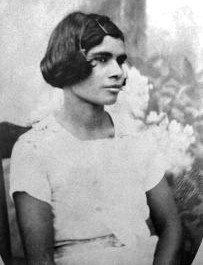
Japan returns to Broome
The postwar revival of Broome’s pearling industry brought another wave of Japanese migrants. In 1955, experienced Japanese divers began returning to the town, helping rebuild an industry that had been crippled by the war. Their knowledge of the waters and pearl-shell beds was invaluable.
戦後、ブルームの真珠産業が復活するにつれて、再び日本人移住者が町にやって来た。1955年には経験豊富な日本人ダイバーたちが戻り、戦争で大きな打撃を受けた産業の再建を支えた。海域や真珠貝の漁場を知り尽くした彼らの技術と経験は、産業にとって欠かせないものだった。
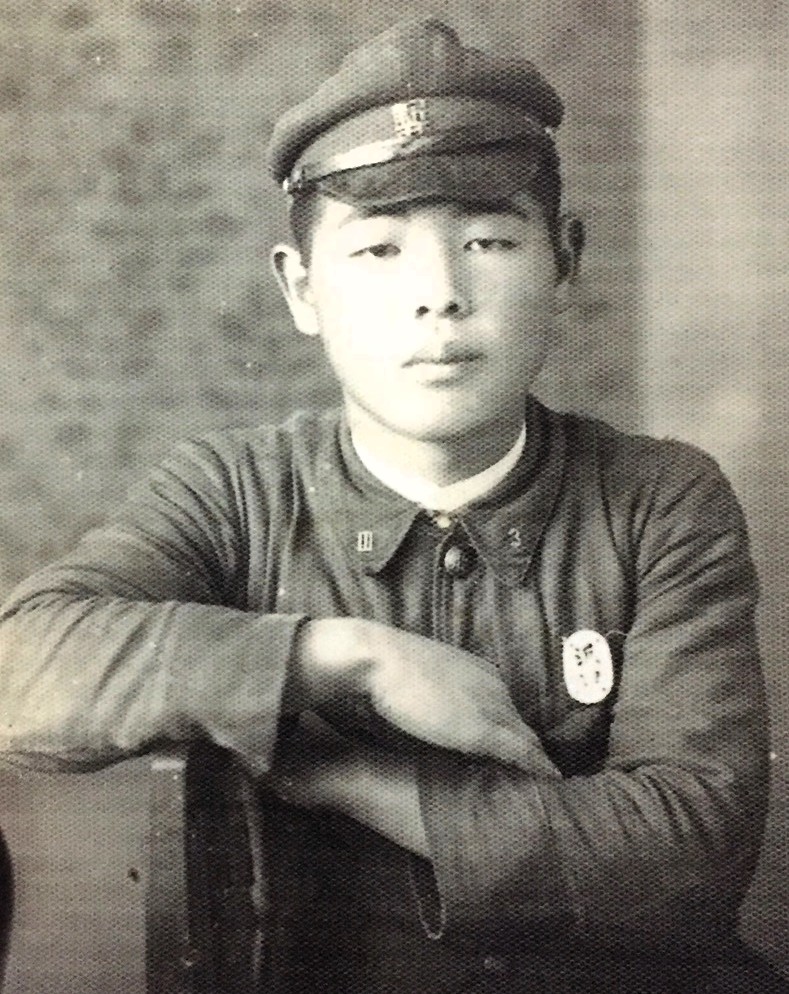
Among the newcomers was Hiroshi Hamaguchi, a young seaman from Wakayama Prefecture. He arrived in Broome in 1955 with 22 other Japanese men. Pearl was working as a shop assistant at the Streeter & Male General Store, which stood across from the Japanese workers’ quarters. The two met, and their lives became intertwined.
新たにやって来た日本人の一人が、和歌山県出身の若い船員、ハマグチ・ヒロシだった。ヒロシは1955年、ほかの日本人男性22人とともにブルームに到着した。当時、パールは日本人労働者の宿舎の向かいにあったストリーター&メール社の雑貨店で働いていた。二人はそこで出会い、人生をともに歩むことになる。
They married in 1960 and had six sons. Four of the boys became involved in the pearling industry, with three working as divers. The whole family helped with the work, and Hiroshi and Pearl established their own pearling business in the 1980s.
二人は1960年に結婚し、6人の息子をもうけた。息子のうち4人が真珠産業に関わり、そのうち3人はダイバーとして働いた。家族全員が仕事を手伝い、ヒロシとパールは1980年代に自分たちの真珠事業を始めた。
The Hamaguchi family became part of the next chapter in Broome’s Japanese-Australian history. Hiroshi’s arrival from Wakayama linked the family once again to Japan, while the business helped maintain the family’s place in the town’s pearling community.
ハマグチ家は、ブルームの日豪交流史の新たな一章を担うことになった。和歌山からやって来たヒロシの存在によって、家族と日本とのつながりは再び強まり、真珠事業を通じてブルームの産業社会にも深く根を下ろした。
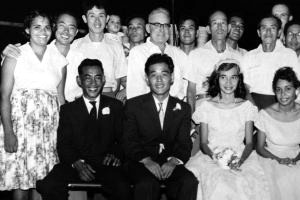
Pearl’s connection with Japan did not end with her grandmother’s story. She first visited Japan in 1977, expecting to stay for a month. Instead, the trip lasted more than four months. She met relatives, learned more about her family’s history and experienced the country from which Yae had departed eight decades earlier.
パールと日本とのつながりは、祖母の物語だけにとどまらなかった。彼女が初めて日本を訪れたのは1977年。当初は1か月の予定だったが、実際には4か月以上滞在した。親戚と会い、家族の歴史について学び、ヤエが日本を離れてから約80年後の祖国を自分の目で確かめた。
One particularly important meeting was with her Uncle Joe, who helped confirm her family lineage. Hiroshi also took Pearl to Nagasaki and Amakusa, the places associated with Yae’s escape. For Pearl, visiting her grandmother’s homeland brought the family story into a very real and personal focus.
特に重要だったのが、叔父のジョーとの出会いだった。彼はパールの家系を確認する手助けをしてくれた。また、ヒロシはパールを長崎と天草へ連れて行った。ヤエが日本を脱出する際に関わった場所を訪れたことで、パールにとって祖母の物語は、より身近で現実的なものになった。
The connection has continued through the generations. Pearl said that most of her grandchildren had visited Japan. Some were learning Japanese, while older grandchildren had developed an interest in Japanese culture and their ancestry. When they travelled to Japan, relatives and family friends welcomed them.
日本とのつながりは、さらに次の世代へと受け継がれている。パールによると、孫たちの大半は日本を訪れている。日本語を学んでいる孫もいれば、年長の孫たちは日本文化や自分たちの祖先に関心を持っている。日本を訪れると、親戚や家族の友人たちが温かく迎えてくれるという。
The relationship is not simply a matter of having Japanese ancestry. It is maintained through visits, family relationships, shared memories and an active interest in the country that remains part of the family’s identity.
それは、単に日本人の祖先がいるというだけの話ではない。実際に日本を訪れ、親戚と交流し、思い出を共有し、日本という国への関心を持ち続けることで、家族のアイデンティティーの一部として守られているのだ。
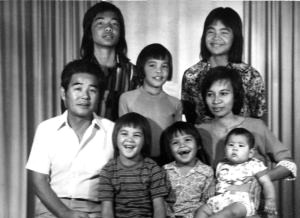
A legacy that is still growing
The family’s story continues into the present generation. One of Pearl and Hiroshi’s descendants is Halim Mellick, an award-winning sports photographer from Broome whose work has appeared in major Australian publications and campaigns. His photographs have captured major sporting moments, including the 2021 AFL Grand Final.
ハマグチ家の物語は、現在の世代にも続いている。パールとヒロシの子孫の一人、ハリム・メリックはブルーム出身の受賞歴を持つスポーツ写真家だ。彼の作品はオーストラリアの主要な出版物や広告キャンペーンに掲載され、2021年のAFLグランドファイナルをはじめとする大きなスポーツイベントも撮影している。
A profile published by Regional Arts WA in September 2026 explored Halim’s family background and the many cultural influences that shaped him. His heritage includes Japanese, Chinese, Aboriginal and Middle Eastern connections. He also treasures his grandfather Hiroshi’s Nikon camera from 1959, a tangible link to the family’s past.
2026年9月にリージョナル・アーツWAが掲載した特集では、ハリムの家族の背景と、彼を形作ってきた多様な文化的影響が紹介された。彼のルーツには日本、中国、アボリジナル、中東とのつながりがある。また、祖父ヒロシが1959年から使っていたニコンのカメラも大切にしている。家族の歴史を今に伝える、目に見えるつながりの一つだ。
Halim’s career has taken him well beyond Broome, but his hometown and family history remain central to his outlook. His story shows how the family’s multicultural legacy is not simply something preserved in old photographs. It continues to evolve through the lives and achievements of younger generations.

ハリムの仕事はブルームの外へと広がっているが、故郷と家族の歴史は今も彼の視点の中心にある。家族の多文化的な遺産は、古い写真の中に保存されているだけではない。若い世代の人生や活躍を通じて、今も新たな形で受け継がれている。
Pearl has also spoken about the importance of preserving Broome’s multicultural heritage. In a 2022 ABC News report, she expressed concern that some of the town’s older cultural traditions and connections were becoming less prominent as its annual Shinju Matsuri festival became more commercialised.
パール自身も、ブルームの多文化的な遺産を守ることの大切さについて語っている。2022年のABCニュースの取材では、毎年開催される真珠祭り「シンジュ・マツリ」が商業化するなかで、町に根付いていた古い文化や人々のつながりが目立たなくなっていることを懸念していた。
Yae Yamamoto’s escape from Japan in 1896 began with a young woman determined to choose her own future. More than a century later, her descendants continue to connect Japan and Australia through family, culture and a shared history rooted in Broome.
1896年、山本ヤエの日本脱出は、自分の未来を自分で選ぼうとした一人の若い女性の決断から始まった。それから1世紀以上が過ぎた今も、子孫たちは家族、文化、そしてブルームに根付いた共有の歴史を通じて、日本とオーストラリアを結び続けている。
石炭庫に隠れて日本を脱出した女性が、日豪をつなぐ大家族の礎になるとは。人生、何が起きるか分からないものだ。
More About Broome’s Japan Links
- Pearl Hamaguchi’s Oral History from Broome
- Reading the Play – Regional Arts WA
- The changing nature of Broome
- Broome Historical Society – Multicultural Broome.
- Poverty in Late Meiji Japan
- Japanese descendants in Broome
- Broome / WA – Gallery | When You Call My Name
- 魚貫史跡2 / 魚貫地区振興会 ~夕陽の映える海のまち~