Macropod Music and Getting Sentimental Over Kangaroos in Japan
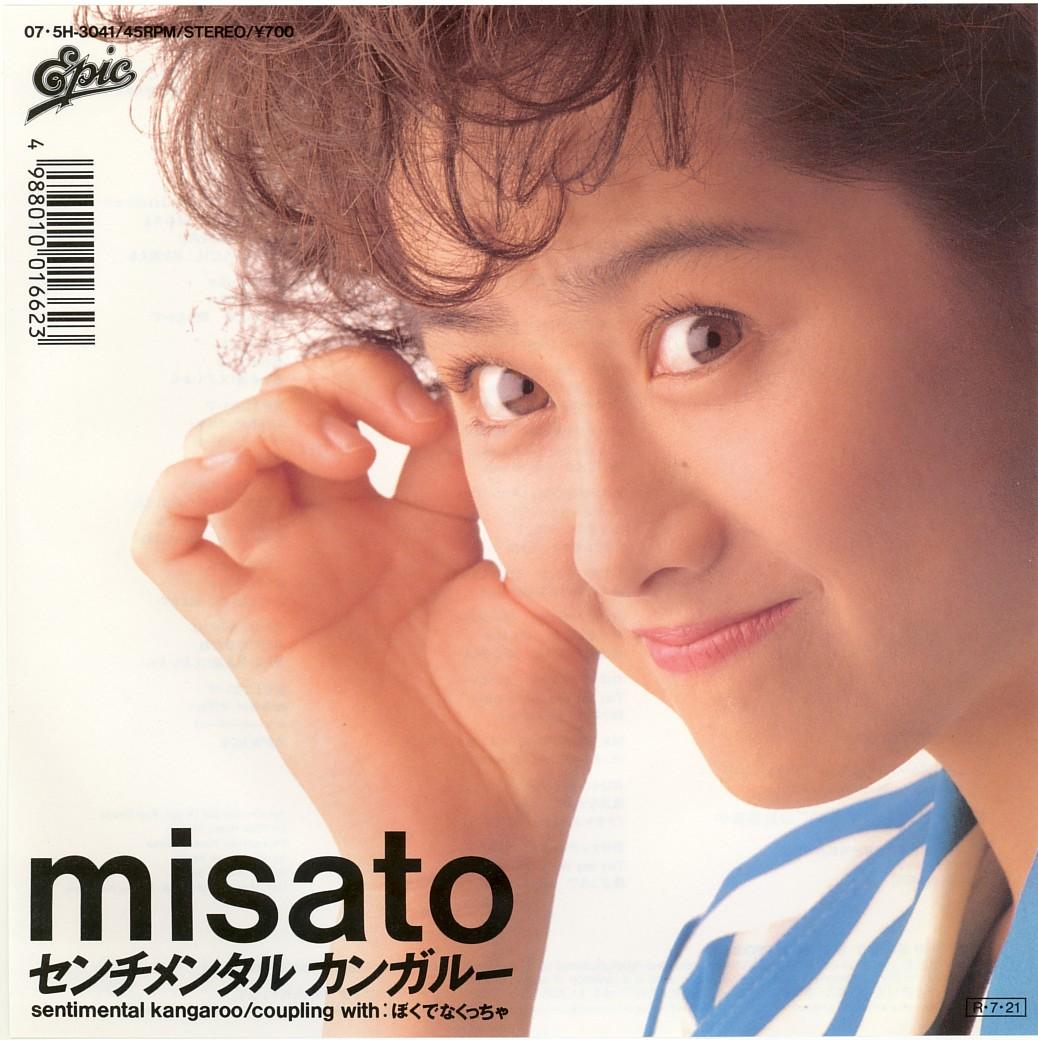
The cover for Misato Watanabe’s “Sentimental Kangaroo.”
Kangaroos and koalas are among the symbols Japanese pop culture has, for many and various reasons, adopted at times (the latter with particular relish), and singer Misato Watanabe‘s choice of subject topic for her 1988 hit Sentimental Kangaroo proved a marsupial masterpiece.
Watanabe made her debut in 1986 with My Revolution, a huge hit that earned her a gold prize at the 28th Annual Japan Record Awards and would be the biggest-selling song of her career. Watanabe, whose heyday stemmed from the late ’80s to early ’90s, continues performing regularly today.
Sentimental Kangaroo was one of the attempts she made to match My Revolution, one of Japan’s most-covered songs of the past couple of decades and an early hit for its writer, Tetsuya Komuro, who would go on to become one of the most successful figures in Japanese entertainment history.
Sentimental Kangaroo scored a canned coffee ad for Watanabe, who appeared together with some animated marsupials bouncing through a sunflower field.

Misato Watanabe Official Site
渡辺美里

Cop A Gander At These Rippers Too...

  • |

    Striking a Light for Strine 「豪」にいれば「豪語」に従えって?

    Hugh Lunn, one of the most vocal advocates of Strine and arguably its greatest modern protector, is about to release Words Fail Me, a follow-up to his 2006 bestseller Lost for Words, which told the tale of disappearing Australian English, mainly due to American cultural influence on the mass media. ヒュー・ラン氏は、ジャーナリストのヒュー・ラン氏は有数のオージー英語の最大の支持者で、保護者とも言えるであろう。同氏は近年オージー英語をテーマにした著書「Words Fall Me」を発刊した。同書は絶滅しつつあるオージー英語についての話題が中心となった2006年発行の「Lost for Words」の続編である。 Hugh Lunn’s Works on Amazon.co.jp

  • Sayonara Stories

    Mobile phones were starting to become a reality when Kangaeroo left Australia around this time of the year back in 1988, a year when the bicentennial of British colonization was marked. It was supposed to be a six-week holiday in Japan. Some 32 years later, that trip effectively hasn’t ended. Japan was in the news in Australia at the time of departure. Then Emperor Hirohito was in a critical condition (he would die shortly into the new year). The Japanese economy was booming and Japan seemed poised to take over leadership of the global business world. But, the more things change, the more they seem to stay the same. Like…

  • Green Godzilla

    On what was something of a strange weekend, perhaps the weirdest moment came when I got to come face-to-face with a green, as in made of plants, Godzilla. There’re plenty of Godzilla statues and effigies all over Tokyo, as I’ve reported before, and the rest of Japan, some life-sized, others tiny and plenty in-between and loving devoted to Japan’s most adored monster. In western Tokyo, where I live, the most famous example is probably the Godzilla statue outside the TOHO CO., LTD. studios near Seijogakuen-mae, which is a bit of a trip for me further out in the boonies. So, I was surprised to learn that there is actually a…

  • Whatever Happened To Japan’s Emu-chan?

    Emus take pride of place in the Australian Coat of Arms alongside the kangaroos upon which this site has a focus. And Emu-chan played a crucial role in raising spirits in Japan during the darkest days of the Covid-19 pandemic before suddenly and mysteriously disappearing. Sabaku, the pseudonym used by a Japanese woman working in central Tokyo and “living in the mountains about an hour’s drive from the city” according to Bunshun Online, caused a national sensation with her YouTube channel Live Together With Emu up until late 2023. Videos told the tale of Sabaku’s life with Emu-chan, which she had raised from a hatchling, delighting people with footage of…

  • |

    How Do Japanese Students Help Preserve Aussie Nature?

    日本人留学生はどのようにオーストラリアの自然保護を手伝うのか? Every autumn, groups of Japanese students trade classrooms for gum forests, beaches and wetlands. Their goal isn’t sightseeing. They’re helping protect Australia’s unique environment while discovering a different side of Aussie life. 毎年秋、多くの日本人留学生が教室を離れ、ユーカリの森や海岸、湿地で環境保全活動に参加しています。観光ではなく、オーストラリアの自然を守りながら、地域との新しい交流を育んでいるのです。 Learning Beyond the Classroom 教室の外で学ぶ Many Japanese students come to Australia to improve their English. Some discover that their most valuable lessons happen outdoors. Working alongside local volunteers, they remove weeds, plant native trees and restore wildlife habitat. 教室の外で学ぶ 日本人留学生の多くは英語を学ぶためにオーストラリアへやって来ます。 しかし、本当に印象に残る学びは教室の外で待っていることもあります。 地域の人々と一緒に外来植物を取り除き、在来樹木を植え、野生動物のすみかを守っています。 Friends Through Conservation 自然保護が結ぶ友情 Conservation projects bring together people who might never otherwise meet. Retired Aussies, school children, university students and overseas visitors all work towards the same goal. Conversation comes naturally when everyone…

  • | | |

    How Did An Aussie Bloke Build One of Japan’s Favourite Craft Breweries?

    オーストラリア人はいかにして日本で人気クラフトビール醸造所を築いたのか? When Australian Sean Collett moved to Japan, he came to study—not to brew beer. Today, he and his Japanese wife Ayako run Two Rabbits Brewing in Shiga Prefecture, creating beers that blend Australian creativity with Japanese craftsmanship. オーストラリア出身のショーン・コレットさんは、留学のために日本へやって来ました。 しかし現在では、日本人の妻・綾子さんとともに滋賀県で「Two Rabbits Brewing」を営み、オーストラリアの発想と日本のものづくり精神を融合させたクラフトビールを造っています。 From Australia to Lake Biwa オーストラリアから琵琶湖へ Sean Collett first came to Japan as a student at Kyoto University. While living in Japan, he discovered that the country’s growing craft beer scene offered an opportunity to combine two passions—brewing and cultural exchange. Together with his wife Ayako, he founded Two Rabbits Brewing in neighbouring Shiga Prefecture. Today, the brewery welcomes both local customers and visitors from around the world….