Little Girl’s Story Opens Door to Aussie Animal Boom in Japan

Scenes from Lucy-May of the Southern Rainbow
Back in the early ’80s Australia did not command a great deal of attention in Japan (to be honest, it still doesn’t command that great a presence to this day…)

Things changed, however, with the launch of Lucy-May of the Southern Rainbow.
Lucy-May of the Southern Rainbow was an anime by Nippon Animation that aired weekly from January 10 to December 26, 1982.

The cartoon told the story of Lucy-May Popple and her family, who had emigrated from Yorkshire to live in Adelaide, Australia. The story was based on a book called Southern Rainbow by Australian author Phyllis Piddington. The anime would be translated into numerous languages and aired in many countries outside of Japan.

The DVD cover
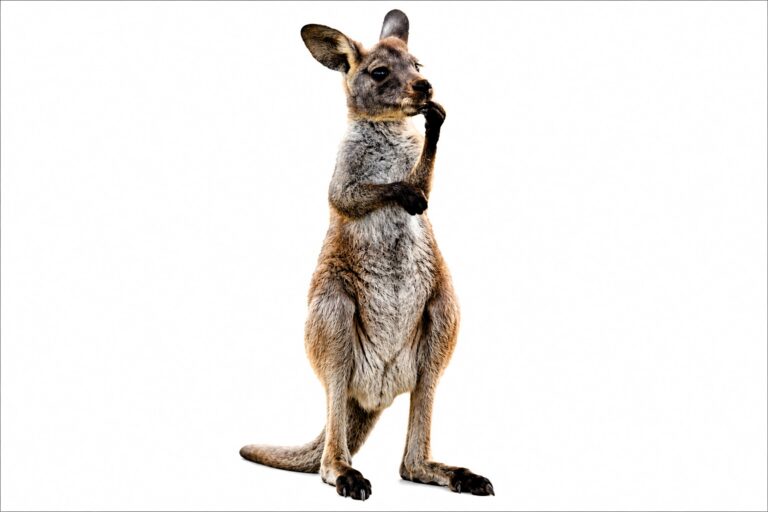
The cartoon introduced Japanese audiences to all sorts of Australian animals that were then largely unknown. Among the Australian creatures featured on the show were kangaroos, platypuses, wombats, kookaburras and koalas. There were no koalas in Japan when the cartoon aired, but the marsupials would sweep the country of its feet with their cuteness when the first koalas arrived at the Higashiyama Zoo and Botanical Gardens in Nagoya two years later.

Lucy-May of the Southern Rainbow was part of the World Masterpiece Theater, a yearlong series that featured an anime adaptation of a famous book. Among those who worked on the series were Hayao Miyazaki, who had already left Nippon Animation before Lucy-May of the Southern Rainbow aired. World Masterpiece Theater aired from 1969 to 1997, then resumed after a 10-year hiatus and continues to air now.
Cop A Gander At These Rippers Too...

  • Frills Attached: When Japan Went Ape Over An Aussie Lizard

    Way back in the early 1980s, Australia went from barely being a blip on the average Japanese radar to capturing the nation’s attention thanks to the frill-necked lizard, an endemic Australian reptile that uses its frill to threaten or frighten off predators. The lizard was featured in a March 1984 episode of Waku Waku Dobutsu Land (Exciting Animal Land), a popular TV show in those days when limited information meant news spread more broadly than now. The program offered a frill-necked lizard plush toy to six lucky viewers drawn from a lottery. More than 700,000 entries were received. Then, Mitsubishi Motors Corporation started airing a commercial for its 1984 Mirage…

  • |

    Japan’s Crucial Role in Turning “Mad Max” into a Global Aussie Icon

    Turning the clock back 40 years, Japan played a crucial role in giving Australia a leg-up toward becoming a player in the global movie industry. In late 1977, a couple of fledgling Australian filmmakers pooled their meager funds and shot a movie starring mostly unknown young actors and actual motorcycle gang members serving as extras. Almost two years later, Mad Max opened Australian theaters and became a steady, but controversial hit. The car action movie was immediately banned in New Zealand as some of its motorcycle gang violence resembled actual events in the market most closely resembling Australia’s. Australia’s movie industry was in the middle of a growing renaissance, backed…

  • | |

    How Did Wagyu Become An Aussie Success Story?

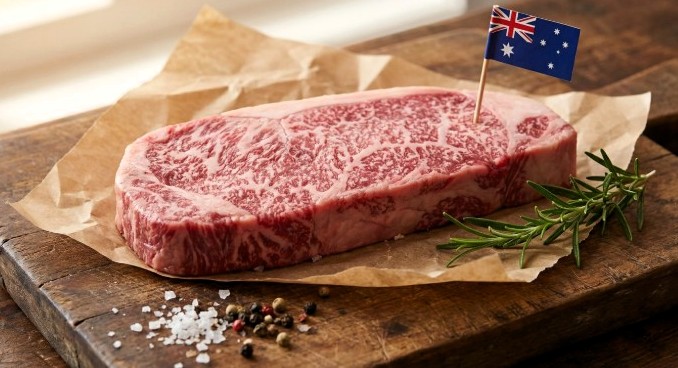
    和牛はどのようにオーストラリアで成功を収めたのか? Australia is now one of the world’s largest producers of wagyu beef, but few people know that its success began with a remarkable partnership between Japanese genetics and Aussie cattle producers. This is the story of how trust, science and shared ambition created one of the world’s great agricultural success stories. 現在、オーストラリアは世界有数の和牛生産国です。しかし、その成功が日本の和牛遺伝資源とオージーの畜産家たちとの協力から始まったことは、あまり知られていません。信頼と技術、そして共通の志が生み出した日豪農業協力の物語です。 A Japanese Treasure Finds a New Home 日本の宝が南半球へ For centuries, wagyu cattle were raised almost exclusively in Japan. Their unique genetics produced the exceptional marbling that made Japanese beef famous throughout the world. 和牛は何世紀もの間、日本だけで大切に改良・飼育されてきました。その優れた遺伝資源は、美しい霜降り肉を生み出し、日本を代表する食文化の一つとなりました。 Until the late twentieth century, very few wagyu cattle or their genetics left Japan. 20世紀後半まで、生きた和牛やその遺伝資源が海外へ渡ることは、ほとんどありませんでした。 Everything changed when Aussie cattle producers recognised the…

  • | |

    Did Japan Inspire Australia to Choose National Living Treasures?

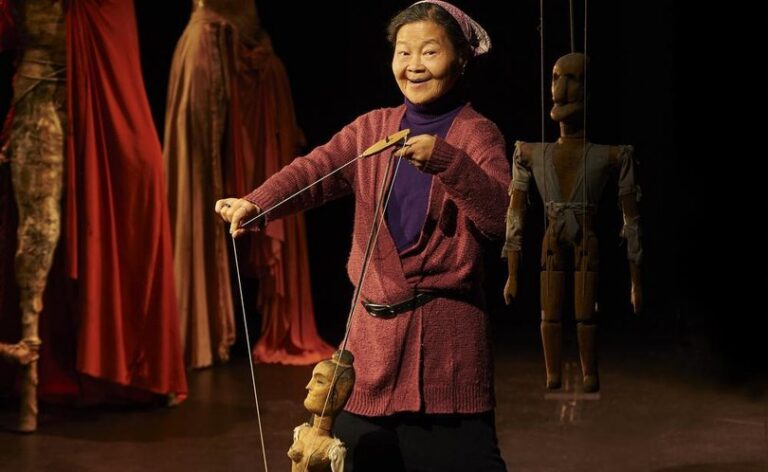
    日本の「人間国宝」はオーストラリアの「リビング・トレジャーズ」に影響を与えたのか? Australia’s National Living Treasures celebrate remarkable Australians. Japan’s Living National Treasures protect traditional masters. The two honours are different—but they may be connected by an idea that travelled across the Pacific. オーストラリアの「ナショナル・リビング・トレジャーズ」は優れた人物をたたえる制度です。一方、日本の「人間国宝」は伝統技術の継承者を守る制度です。両者は異なりますが、その背景には海を越えて受け継がれた一つの考え方がありました。 Japan Had the Idea First 最初に制度を作ったのは日本 After the Second World War, Japan faced an urgent question. How could traditional arts survive in a rapidly modernising society? The answer was to recognise exceptional craftspeople and performers as Living National Treasures, helping preserve skills that might otherwise disappear. 最初に制度を作ったのは日本 戦後の日本は、急速な近代化の中で伝統文化をどう守るかという課題に直面しました。 そこで生まれたのが「人間国宝」の制度です。 卓越した技術を持つ職人や芸能家を顕彰し、その技を未来へ伝える仕組みとなりました。 Australia Took a Different Path オーストラリアは独自の形へ When Australia’s National Trust introduced its National Living Treasures in 1997, the goal was different. Instead of recognising only traditional artists,…