豪キャブラリー

  • Nuggetty Turns Stodgy And Stolid Into A Compliment

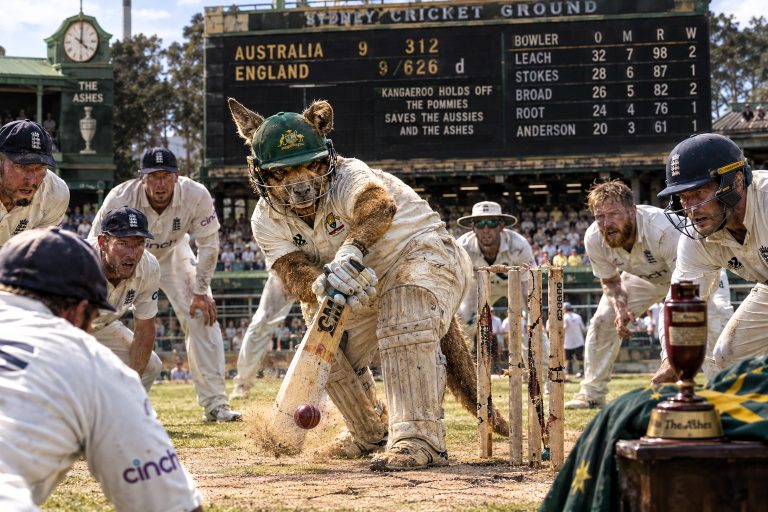
    Few opening bats in the Australian Test team would be turned off if one of the commentators referred to them as “nuggety.” Nobody would explain what nuggety means, though. Nobody would need to. オーストラリアのクリケット実況が打者を “nuggetty” と評すると、地元の視聴者は皆うなずく。誰もその意味を説明しないし、その必要もない。 Meaning Nuggetty describes someone short, stocky, and solidly built — usually with an admiring tone, especially in sport, where a “nuggetty” player is compact, tough, and hard to knock over. Nuggetty は、背が低くがっしりとした体格の人を表す形容詞で、たいてい肯定的なニュアンスを持つ。特にスポーツの世界では、小柄でも頑丈で倒れにくい選手を指して使われる。 Example “He’s a nuggetty little bloke, but he tackles like a truck.” (彼は小柄でがっしりしているが、まるでトラックのようにタックルする。) 日本語での解説 “Nuggetty” は「金塊」を意味する “nugget” に形容詞語尾 “-y” がついた言葉で、ゴールドラッシュ時代のオーストラリアで生まれたとされる。金塊のようにずっしりと詰まった塊をイメージし、そこから「小柄でがっしりした体格」を表す言葉として定着した。 Australia–Japan Connection The compact-but-powerful body type “nuggetty” celebrates has an easy sporting parallel in Japan’s sumo and judo cultures, where being low…

  • Bludging, And How The Bludge Is Australia’s Favourite Way To Avoid Work

    Ask an Aussie office worker what they did over their lunch break and don’t be surprised if the answer is “absolutely nothing — I had a bludge.” It sounds almost proud. There’s a reason for that. オーストラリアのオフィスワーカーに昼休みに何をしていたか聞くと、「何もしてない、ただbludgeしてた」と、まるで誇らしげに答えられても驚かないでほしい。それには理由がある。 Meaning To bludge is to avoid work or responsibility — to loiter, laze about, or scrounge off others rather than pull your weight. A “bludge” can also be a noun for an easy task (“this assignment’s a total bludge”). Bludge とは、仕事や責任を避けること――だらだらと過ごしたり、他人に頼ったりして自分の役割を果たさないことを意味する動詞である。名詞としても使われ、「楽な仕事」そのものを指すこともある(this assignment’s a total bludge=この課題は楽勝だ)。 Example “He’s been bludging on the couch all arvo instead of mowing the lawn.” (芝刈りをせずに、彼は午後じゅうずっとソファでダラダラしていた。) 日本語での解説 “Bludge” の語源は意外と重い。もとは19世紀ロンドンの俗語 “bludgeoner”(棍棒で殴って売春婦の客から金を奪うポン引き)に由来し、それが短縮された “bludger” がオーストラリアに渡って「怠け者」という意味に変化した。1900年代初頭には一般的な侮辱語となり、そこから動詞 “bludge”(サボる)が生まれた。今日ではポン引きの意味は完全に薄れ、単に「サボる」「働かない」という軽い意味で日常的に使われている。 Australia–Japan Connection Japan’s work culture prizes…

  • |

    AFLグランドファイナルを都内で観戦

    Where To Watch The Granny In Tokyo オージーボール最大イベントの「グランドファイナル」は2026年9月26日に東京都内各地でパブリックビューイングを行います! Buso Brewery Machida オーストラリア最大級のスポーツイベント、AFL GRAND FINALを日本で観戦できるパブリックビューイングが9月26日に町田で開催されます。会場は武相ブリュワリー。 AFL Japanと武相ブリュワリーによる限定ビール「HOLDING THE HOP」や、ミートパイなどのオーストラリア系フードも登場予定です。AFLを見たことがない人も歓迎とのこと。 会場: 武相ブリュワリー、町田市原町田6-12-20日時: 9月26日(土)13:00開場、13:30開始料金: 3,000円(2ドリンク付き)予約: 事前予約制内容: AFL GRAND FINALパブリックビューイング、限定ビール、オーストラリア系フード The AFL GRAND FINAL will be shown live in Machida on September 26. The public viewing at Buso Brewery is being organised by AFL Japan and includes a limited beer, “HOLDING THE HOP,” brewed using barley and hops from Machida, along with Australian-style food including meat pies. People new to Australian football are welcome, too. Venue: Buso Brewery, 6-12-20 Haramachida, Machida, TokyoDate: Saturday, September 26; doors 13:00, ball-up 13:30Admission: ¥3,000, including two drinksBooking: Advance reservation requiredProgramme: AFL GRAND FINAL viewing, limited beer and Australian-style…

  • |

    Paddle Pops: The Icy Treat Aussies Gave To The World

    Every Aussie childhood summer has the same soundtrack: the clink of the servo freezer door and a kid asking for “a Paddle Pop.” But this icy treat didn’t come from a factory boardroom — it came from an engineer who turned down NASA. オーストラリアの子ども時代の夏には、決まって同じ音がある。コンビニの冷凍庫のドアが開く音と、「Paddle Pop ちょうだい!」という子どもの声だ。実はこのアイス、大企業の会議室ではなく、NASAの誘いを断ったひとりのエンジニアから生まれた。 A Paddle Pop is a flavoured ice-block (popsicle) on a flat wooden stick, originally created by Sydney’s Streets Ice Cream in 1953. The name has become so common in Australia that “Paddle Pop” is often used generically for any similar icy-pole, much like “Esky” is used for any cooler box. Paddle Pops are, per capita, the world’s best-selling ice cream. Paddle Pop とは、平たい木の棒についたフレーブアイス菓子で、1953年にシドニーのStreet’sアイスクリーム社が発売した。今ではオーストラリアで「氷菓の一種」全般を指す言葉として日常的に使われることも多く、”Esky”(クーラーボックス)と同じように、ブランド名が一般名詞化した例である。Paddle Popは、一人当たりで世界最高売り上げ数のアイスクリームだ。…

  • Heaps, And Why Aussies Turn A Noun Into “So Much Of It”

    An Aussie tradie looks at a client’s renovation quote and says, “Nah mate, that’s heaps too dear.” No hills or piles of anything are involved. So, what is “heaps” actually doing in that sentence? オージーの職人がリフォームの見積もりを見て「Nah mate, that’s heaps too dear(いや、それめっちゃ高いよ)」と言う。山も丘も出てこない。では、この “heaps” は一体何をしているのだろう? Heaps in Strine means “a lot” or “many” as a noun (“heaps of tourists”), and, more distinctively, it’s used as an intensifier meaning “very” or “extremely” (“heaps good,” “thanks heaps”). It’s one of the most flexible words in everyday Strine, slotting in anywhere “really” or “a lot” would go in standard English. Heaps は名詞として「たくさん」「多数」を意味し(heaps of tourists=たくさんの観光客)、さらに独特なのは「とても」「めちゃくちゃ」という強調語としても使われる点だ(heaps good=めっちゃ良い、thanks heaps=ほんとにありがとう)。標準英語の “really” や “a lot” が入る場所ならほぼどこにでも使える、日常ストラインの中でも特に汎用性の高い単語である。 Example “We had heaps of…

  • Squatterはオージーの王室でしょうか?

    Is The Squattocracy Aussie Royalty? 法律を何十年も破り続けた結果、政府がついに諦めて、その人を大金持ちにしてしまった。それが、オーストラリアの「スクワッター」の物語だ。 Imagine breaking the law so thoroughly, for so long, that the government eventually gives up and makes you rich instead. That is, in short, the story of the Australian squatter. Meaning In the early 1800s, a squatter was a settler who occupied vast tracts of Crown land, often land that belonged to indigenous peoples long before European arrival. They had no legal title, simply stealing the land to graze sheep. By the 1840s, colonial authorities began issuing grazing licences to legitimise these claims. Some squatters became so wealthy and powerful they were nicknamed the “squattocracy,” a play on aristocracy. Today the word more commonly…

  • 何でオージー版Spongerの吸収が悪い?

    Why Is A Strine Sponger Not A Good Pickup? どんな職場にも、どんなシェアハウスにも、必ずいる。誰かの分まで飲み食いして、 自分の分は絶対に払わない人。オーストラリア人はその人を”sponger”(スポンジャー) と呼ぶ。 Every workplace, every share house, every family gathering has one: the person who never quite pays their share, never quite pulls their weight, and always seems to be there right when the food comes out. Aussies have a word for them: sponger. Meaning A sponger is someone who lives off other people’s generosity–money, food, a couch to crash on –without ever giving anything back. The image is a kitchen sponge: soaking everything up, contributing nothing. spongerとは、お金でも食べ物でも寝床でも、他人の親切に頼って生きているのに、 何一つお返しをしない人のこと。台所のスポンジのように、すべてを吸い込むだけで 何も生み出さない、というイメージから来ている。 Example “Don’t invite Dave to the barbie. He’s a total sponger, never brings a snag or a coldie.” 「デイブをバーベキューに誘わないで。あいつは完全なスポンジャーで、 ソーセージ一本もビール一本も持ってこないんだから」…

  • Scungiesはくだけているが、「バジー密輸」より良いのはなぜ?

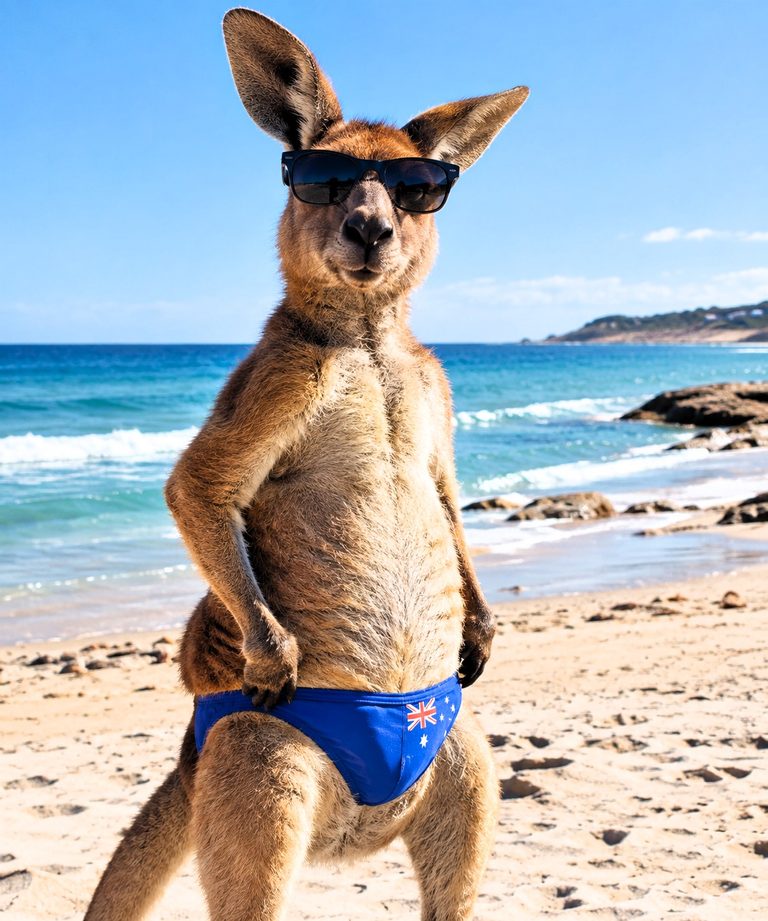
    Scungies Is A Lousy Word, But Still Better Than “Budgie Smugglers” 「バジー・スマグラーズ(budgie smugglers)」、ようするに、「バジーを密輸する服」は賛成のパンツ型水着のことだ。世界的に有名になった言葉だが、 その表現が生まれるずっと前から、オーストラリアのサーファーたちには ぴったりした水着を指す言葉があった。しかも、それは決して褒め言葉ではなかった。 “Budgie smugglers” gets all the international fame. But long before that phrase existed, Australian surfers already had a word for tight swimming briefs. And it wasn’t a compliment. Meaning スカンジーズとは、ぴったりとした男性用の水着ブリーフのことで、スピード社の 水着(Speedo)とほぼ同義語だ。この言葉は、より古いオーストラリア俗語 “scungy”(汚らしい、感じが悪い)に由来しており、1970年代のサーフカルチャーに おいて、それを着る人への軽い侮蔑が込められていた。シドニーの一部地域では、 ネットボールのスカートの下にはくブリーフ型下着を指すこともある。 Scungies are brief, close-fitting men’s swimming trunks, essentially another word for Speedos. The word comes from the older Australian slang term scungy, meaning dirty or disagreeable, reflecting a certain 1970s surf-culture disdain for anyone who wore them. In some parts of Sydney, “scungies” also refers to girls’ brief sports underwear worn beneath a netball skirt. Example “The ultimate disgrace for a…

  • |

    なぜDagはオージー英語で多様性がある?

    Is “Dag” Strine’s Most Versatile Word? 英語の中で、褒め言葉にも侮辱にもなり、しかも羊のお尻にこびりついた汚れをも 意味する単語はそう多くない。それが”dag”(ダグ)だ。 Few English words can be a compliment, an insult, and a description of something stuck to a sheep’s backside all at once. Welcome to Strine’s “dag.” “dag”にはオーストラリア英語で三つの関連した意味がある。①愛嬌のある変わり者、 親しみを込めて言われることが多い。②社会的に不器用でダサい人、特に十代の 若者を指すことが多い。③文字通り、羊のお尻にこびりついた糞まみれの毛玉。 「ダサい」という意味は、間違いなくこの三番目の、最も格好悪い意味から 生まれたものだ。 A dag has three related meanings in Strine: (1) a character or amusing eccentric — often said with affection; (2) a socially awkward, uncool person, usually a teenager; (3) literally, a lump of dung-matted wool hanging from a sheep’s rear end. The insult sense almost certainly comes from the third, least glamorous meaning. Example “He wore socks with sandals to the wedding. What an absolute dag.” 「結婚式にサンダルと靴下を合わせてきたんだ。本当にダグ(ダサい)やつだよ」 日本語では? 面白いのは、”dag”が必ずしも悪口とは限らないという点だ。”He’s such a…

  • Why Do Aussies Say “Trackie Daks”?

    「Trackie Daks」って何? ジャージなのに、なぜ “Daks”? 「trackies」と聞いてジャージを思い浮かべるようになったら、次はこんな言葉を耳にするかもしれません。”trackie daks”「あれ? “trackies” と何が違うの?」実は、多くの場合、意味はほとんど同じです。どちらもジャージやトラックスーツのズボンを指します。でも、”trackie daks” のほうが、よりAussieらしい響きを持つ言葉です。親しみがあり、少しユーモラス。年配のAussieほど、よく使う傾向があります。 Word Trackie daks Pronunciation /ˈtræki dæks/ Meaning トラックスーツのズボン。日本語なら、「ジャージ」「ジャージのズボン」「スウェットパンツ」などが近い意味になります。「trackies」とほぼ同じ意味ですが、よりくだけたAussieらしい表現です。 Example It’s freezing outside. Better put your trackie daks on. 「外はすごく寒いよ。ジャージを履いたほうがいいよ。」 また、 I spent all weekend in my trackie daks. なら、 「週末はずっとジャージ姿で過ごした。」 という意味になります。 日本語で言うと? 日本では「ジャージ」と一言で済みますが、Aussieには”trackies”や”trackie daks”など、同じものを指す言葉がいくつかあります。どちらを使っても意味は通じますが、”trackie daks” のほうが少し親しみやすく、昔ながらのAussieらしさを感じさせます。 Australia–Japan Connection “trackie daks” の “daks” は、もともとズボンを意味するAussie英語です。語源には諸説ありますが、現在では「ズボン」を表すくだけた言葉として広く知られています。日本でも「ズボン」「パンツ」「ジャージ」と場面によって言い方が変わるように、Aussieでも同じ服をさまざまな呼び方で楽しんでいます。 Aussie英語には、「短くする」のが好きな言葉と、「余計な言葉を足す」のが好きな言葉があります。”trackie daks” は、その両方。”track” を短くして、さらに “daks” を付け足す。意味だけを考えれば少し不思議ですが、口に出してみると、なんだかリズムがよくて楽しくなります。こういう遊び心も、Aussie英語の魅力なのです。