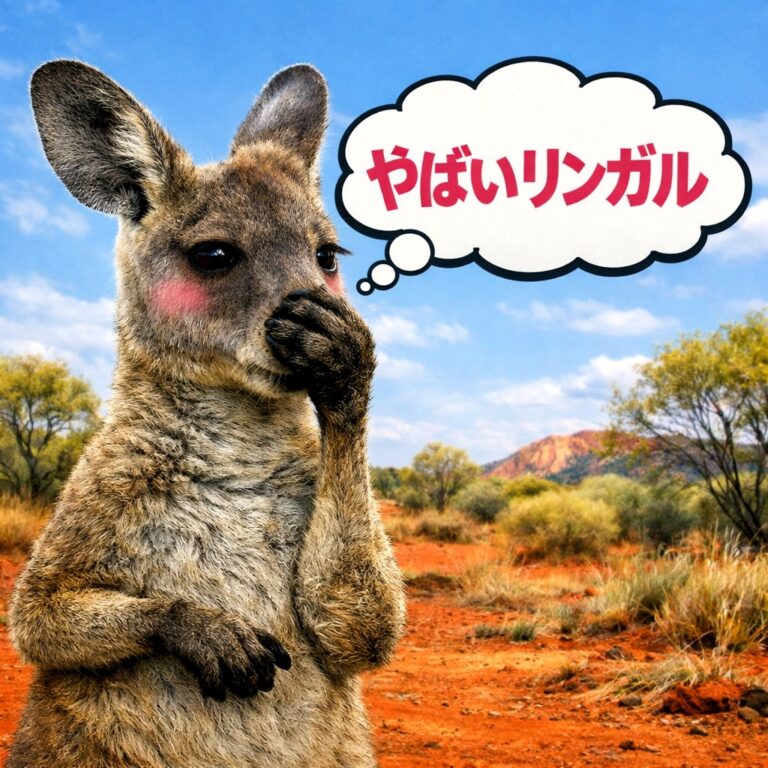
「やばいリンガル」Lair (アジト)

 Lairは、米・英語で使うと「アジト」や「隠れ家」などを意味するけれど、オージー英語ではもっと軽い事を表す場合もある。どのような意味になるのか、見てみよう。
A lair in British or American English can conjure up images of a hideout or animal’s home, but it takes on fair less sinister meaning when used in Strine.

Lair
日本語の意味
Meaning in Japanese
1)隠れ家。アジト
2)(野生動物の)巣・穴
1) Kakureie. Ajito
2) (Yasei dobutsu no) Su. Ana
米・英語の意味
Meaning in U.S./British English
Lair, hideout, animal’s home
だけどオージー英語では、、、
But the meaning in Strine is....
1) To skylark, mess around wildly
2) To be a troublemaker
3) To be cheeky
1)バカ騒ぐこと。
2)派手な不良・チンピラのこと。
3)やんちゃな人に~

Cop A Gander At These Rippers Too...

  • 「Put A Sock In It」と言われたら何で黙った方がいいの?

    Why Would It Be Better To Shut Up If Someone Tells You To Put A Sock In It? Put a sock in it is a classic Strine expression meaning “Be quiet!” or “Shut up!” 日本語の意味 Put a sock in it は「黙れ!」「静かにして!」という意味です。 Explanation Australians usually say it jokingly between mates, not as a serious insult. 日本語での解説 友達同士で冗談っぽく使われることが多い表現です。 Example “Put a sock in it, mate! I can’t hear the telly.” 日本語訳 「ちょっと黙ってよ。テレビが聞こえないよ。」 Strine Culcha Strine often sounds blunt, but it’s usually meant with humour. オージー文化メモ ストライン(オージー英語)はぶっきらぼうでも、親しみを込めて使われることがよくあります。 Related Terms

  • | |

    豪州アイコンが引退へ

    もしかして世界で最も有名なオーストラリア人エンターテーナーが現在のツアーが終了するにもって引退することを最近発表した。  日本ではそれほど馴染みがないが少なくとも英語圏ではデイム・エドナ・エヴァレッジが舞台をやめることになった。  メルボルン市モーニー・ポンズ在住(埼玉県春日部市の感覚かな?)自称主婦兼メガースターデイム・エドナは、広く愛され続けてイギリス皇室をはじめ世界中に1956年のデビュー以来の50年以上に渡っててファンを集まった。  現在、オーストラリアで自身の舞台ツアーが行っているが、終わったら(まだ終わりの日付が未定)二度と舞台に上がらないという。  ド派手で自慢話が特徴だけど、ユーモア溢れているデイム・エドナは本当に存在感が偉大であり、演奏しないと多くの人が恋しくなるだろう。  ちなみに、デイム・エドナ人気のもう一つの理由はコメディアンバリー・ハンフリーズ氏(男性)が演出している。同氏が既に78歳であるので、エドナ引退に関わった可能性もある。 デイム・エドナについてさらに詳しくはこちらへ。 Story about Dame Edna Everage’s retirement (English)

  • |

    A Breakout Performance Focusing on Australia’s Cowra

    Kaura no Hancho Kaigi (Honchos’ Meeting in Cowra) superbly dramatizes events surrounding a definitive incident in Australia-Japan relations. The play being performed by the Rinkogun theater group daily until March 24 (with two shows on March 19 and 21) centers on the Cowra Breakout, an attempted escape by about 550 Japanese prisoners of war being held in an Australian POW camp in August 1944. Interwoven with the action surrounding the decision to rebel and attempt to escape or die trying by a group of men whose own homeland had effectively killed them by bureaucracy and cultural manipulation is a tale of a group of women making a film about the…

  • The First Class First Nations Film Festival

    For a measly 1,000 yen I got to get a totally unexpected and delightfully amazing full day’s entertainment, a couple of souvenirs and an all-round wonderful time at the 2024 First Nations Film Festival held by the Australian Embassy in Tokyo at EUROSPACE. I’ve always been sympathetic to the cause of Indigenous Australians as I’ve understood it, but in recent years I’ve developed a bit of empathy fatigue, or even borderline antipathy, as the blame for society’s shortcomings are increasingly laid at the feet of all white men. So when Mrs. Kangaeroo expressed an interest in going to the festival after seeing an ad on Facebook, I wasn’t overly keen,…

  • How Can One Little Word Like “Do” Mean So Many Different Things?

    Aussieの「Do」がこんなに意味を持つのはなぜ? 「Do」は「する」だけじゃない! 英語を勉強すると、最初に覚える動詞のひとつが do です。 でも、Aussieの会話を聞いていると、 “We’re having a do on Saturday.” と言ったかと思えば、 “He did all his money at the races.” さらに、 “You’ll do, mate!” ……えっ? 同じ do なの? 実はStrineでは、do は驚くほどたくさんの意味を持つ便利な言葉なのです。 Expression do 発音 /duː/ Meaning ① パーティー・集まり We’re having a do this weekend. 「今週末、パーティーをやるんだ。」 誕生日会や送別会など、人が集まるイベントを a do と呼びます。 ② お金を使い果たす He did all his money in one night. 「彼は一晩でお金を全部使ってしまった。」 特に競馬やギャンブルの話でよく耳にします。 ③ ケガをする・痛める I’ve done my back. 「腰を痛めちゃった。」 スポーツや力仕事のあとによく使われる表現です。 ④ 「いいね!」「気に入った!」 She’ll do! 「いいね!」 He’ll do me! 「彼、気に入った!」 「十分いい」「申し分ない」という気持ちを表します。 ⑤ やっつける・殴る They threatened to do him. 「彼をやっつけると脅した。」 映画や犯罪ドラマなどで耳にする少し荒っぽい言い方です。 Example You’ll do, mate! 「いいじゃないか、その調子!」 また、 We went to a birthday do on Saturday. 「土曜日は誕生日パーティーに行ったよ。」 日本人ならどう言う? 日本語でも「やる」は、 など、いろいろな意味で使われます。 do も、それによく似ています。 文脈を見ないと、本当の意味は分からないのです。 Aussie…