
豪キャブラリー:Rellies
LとRで苦しむ多くの日本人にとって苦手な言葉ではあるかもしれないが、なんだかんだ言っても最終的に頼りになるのはrelliesだよね。しかし、relliesって何?オージー英語では、relatives(親戚)の略なんだ。
 | 豪 | 英・米語 | 日本語 |
| Rellies | Relatives, family | 親せき |
LとRで苦しむ多くの日本人にとって苦手な言葉ではあるかもしれないが、なんだかんだ言っても最終的に頼りになるのはrelliesだよね。しかし、relliesって何?オージー英語では、relatives(親戚)の略なんだ。
| 豪 | 英・米語 | 日本語 |
| Rellies | Relatives, family | 親せき |
この頃オーストラリアのパスポートには「バツイチ」の掲載が許可されたが、離婚と無縁だ。実は、性別の所がだ男女という二つの項目から三つの項目に。その三つ目の項目は性同一障害者など向けであり、「X」という形でします。 詳しくは、こちらへ(英語)。
「ファースト・オーストラリアンズ」(英語)は、2008年作のドキュメンタリー。先住民の視野からオーストラリアの歴史を記録する。必見だ! 今日は5作目5部中5部目。

Ronnie Biggs and the Great Train Robbery were pretty well-known among my generation of Australians growing up, and recognition of the famous long-term fugitive was enough in Japan for his 2014 death to be widely reported. What is less established, however, is that both Japan and Australia have a much closer connection to the crook than many in either country know. Biggs was one of a gang of about 16 people who carried out the Great Train Robbery in 1963, making off with 2.61 million pounds (worth about 12.16 billion yen today). Biggs used his share of the haul to pay for almost 40 years on the run, most famously…
オージー英語では、亡くなることがcarkという。しかし、車など機械的なものが故障して動くなくなる時も同じ言葉も使える。
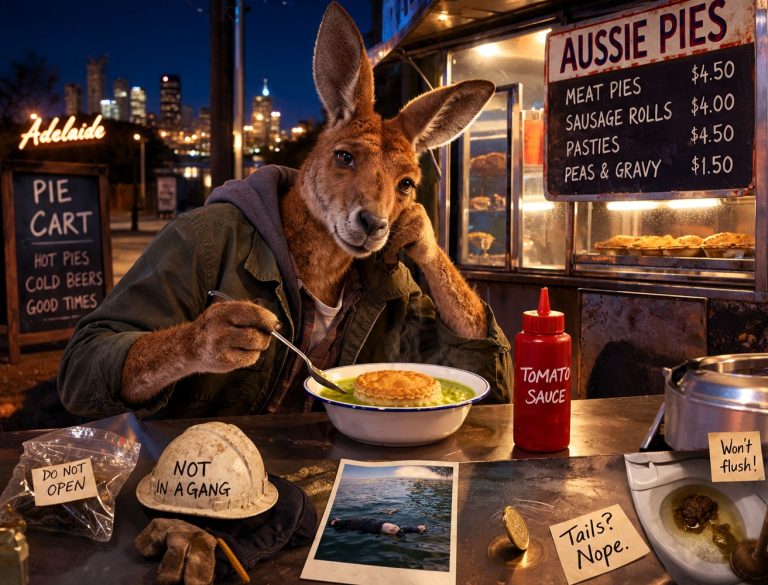
There are some Australian meals that need no explanation. Then there is the pie floater. In Adelaide, the humble meat pie gets dropped into a bowl of thick green pea soup, usually upside down, with the pastry sitting proudly above the surface. Tomato sauce is the classic finishing touch. It is an unlikely combination until you realise that Adelaide has been eating it for generations. The pie floater became particularly associated with Adelaide’s late-night pie carts, where it was once a familiar meal for people finishing work, leaving the pub or simply looking for something hot after dark. The pie carts have largely disappeared, but the floater remains one of…
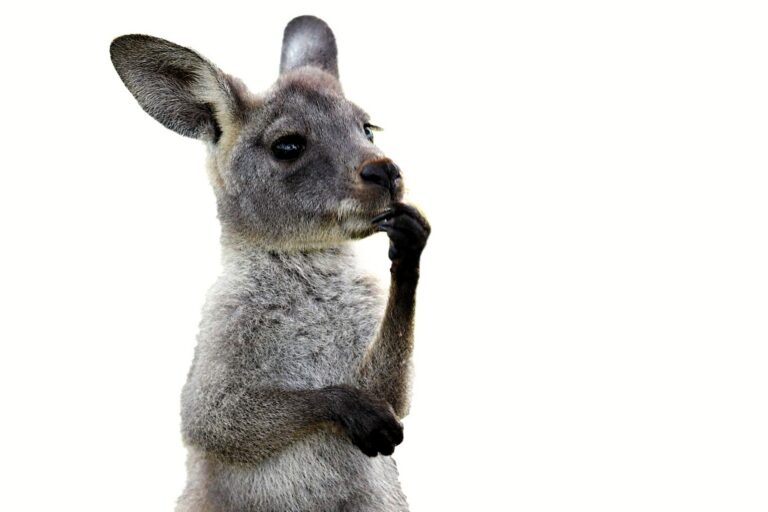
der Australian English A phrase used to belittle somebody who has stated the obvious. Most commonly used by children and teenagers. Similar to asking “Are you crazy?” or “Are you kidding?” after they say something preposterous. 日本語 当り前なこと、言う必要がなく明確なことを言われた時に対して相手を少し見下す表現だ。とは言え、軽い気持ちで言い、特に子供やティーンエージャーがよく使う。「バカじゃないの?」「狂ってんじゃないの?」をいう時と同じ感覚で使われている。 Plain English 1. Yeah, right. 2. Are you crazy? Are you kidding? No kidding. Strine Dictionary
We use cookies to improve your experience on our site. By using our site, you consent to cookies.
Websites store cookies to enhance functionality and personalise your experience. You can manage your preferences, but blocking some cookies may impact site performance and services.
Essential cookies enable basic functions and are necessary for the proper function of the website.
These cookies are needed for adding comments on this website.
Statistics cookies collect information anonymously. This information helps us understand how visitors use our website.
Google Analytics is a powerful tool that tracks and analyzes website traffic for informed marketing decisions.
Service URL: policies.google.com (opens in a new window)