オージー英語のアイコンでもある二つのBig Chook

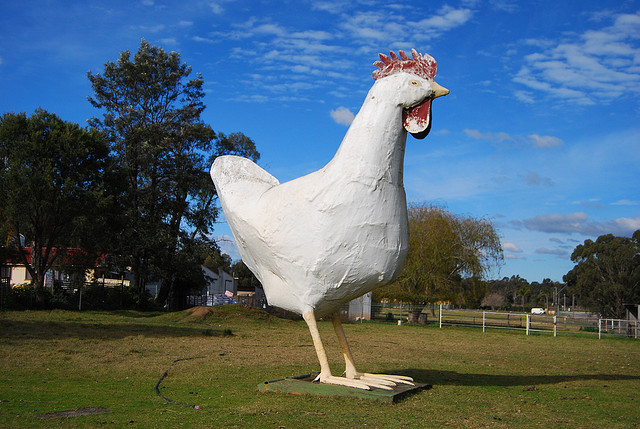
The Big Chook (World’s Biggest Big Chook), Mount Vernon, NSW
 ニューサウスウェールズ州にはなんとふたつの偉大なニワトリ・オブジェのBig Chookがある。これはchookがニワトリを称えるだけではなく、chookという言葉自体も称えると言えるだろう。
 そもそもchookは独特なオージー英語である。英語のchickenにかけたり、「ニワトリ」という意味だ。
 一つ目のBig Chookがシドニー郊外にあるマウント・バーノンというところにある。高さも広さも4メートルであるコンクリート製巨大ニワトリは家禽農場の中1986年に立てられた。自称「世界最大のBig Chook」だそう。
 一方、小さい方のBig Chookが同州北東部にあるムーンビにある。ムーンビは家禽業が盛んであり、その象徴として高さ4メートル幅2メートルのニワトリ・オブジェが町の中に作られた。
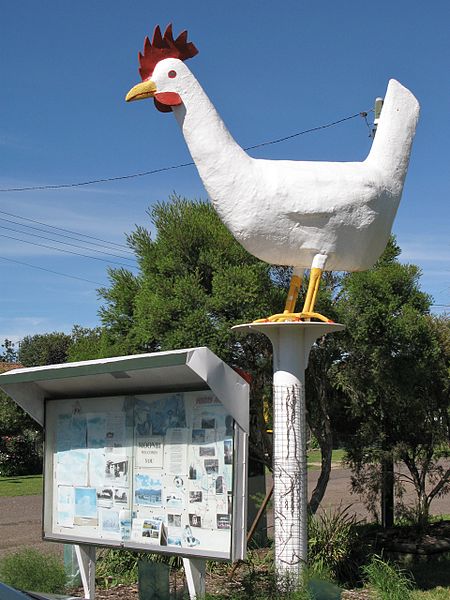
The Big Chook, Moonbi, NSW
 上記でふれたように、chookはよく使われているオージー英語である。ニワトリを示すだけじゃなく、理由がよく分からないけどニックネームにも頻繁に使われている。そして、さまざまな表現にも登場する。
例えば、chook raffleは、厳密に言えば「ニワトリをくじ引きで売る」という意味だけど多くの場合仕事などが上手くこなさない人に対してyou couldn’t run a chook raffle(chook raffleでも上手くできない)と野次として使われている。また、face like a chook’s arse(ニワトリのケツのような顔をしている)というのが「悲しい表情」を示し、feed the chooksは報道陣のスクラムなど大勢の人の前で嫌な話をすること。Feed the chooksも別に下品な意味もあり、自慰行為を示す。


Cop A Gander At These Rippers Too...

  • | |

    Why Did Aussies Fall in Love with Japan’s Akiya?

    なぜオージーは日本の空き家に魅了されたのか? Lots of Aussies first discovered Japan through “Japow!,” its powdered snow. Now, many are discovering something even more unexpected—its empty country homes. From Niseko to Hakuba and beyond, Aussies are helping breathe new life into communities facing population decline. 多くなオージーが最初に夢中になったのは日本の雪でした。しかし今、彼らを引きつけているのは、地方に残る空き家です。ニセコや白馬をはじめ、日本各地でオーストラリア人が地域に新しい息吹をもたらしています。 Real Estate Romance Started with the Snow すべては雪から始まった The real estate romance relationship began in the 1990s when Aussie skiers discovered the deep powder snow of Hokkaido. Niseko soon became Australia’s favourite overseas ski destination. Many visitors returned year after year, eventually deciding to invest, settle or establish businesses in the region. すべては雪から始まった 1990年代、オーストラリア人スキーヤーが北海道の極上のパウダースノーを発見したことが始まりでした。 ニセコは瞬く間に人気のスキーリゾートとなり、何度も訪れるうちに、移住や投資、事業を始める人が現れました。 From Niseko to Hakuba ニセコから白馬へ After helping transform Niseko into an international resort, Australian…

  • | |

    George and Noriko thunder Down Under

     日本人フュージョン・ミュージシャンコンビジョージ上川氏と多田野ノリコ氏が続けてオーストラリア全国の人々のハートを取り掴み先日人気番組「Australia’s Got Talent」決勝戦ですごく盛り上がった。  ストリート・ミュージシャンを中心としてオーストラリアで大活躍する日本人コンビの人気上昇中。  George Kamikawa and Noriko Tadano with their eclectic mix of blues and shamisen continued winning hearts across the Great Southern Land with another ripper performance in the second final on Australia’s Got Talent on Wednesday night (right about the time Nadeshiko Japan were giving the Matildas a footballing lesson!) You bewdy, George and Noriko! 日本人コンビーが日豪融合ミュージックで豪を盛り上げる Japan in Melbourne Exclusive Interview with George and Noriko George Kamikawa on Facebook Noriko Tadano on Facebook

  • | | |

    豪キャブラリー: Footy

    オージー英語らしくフットボールは全国ではfootyとして省略されている。しかし、そのフットボールがどんなfootyかが問題だ。  オーストラリアの国家競技が豪式フットボール(Australian Rules Football)であり、一応全国でリーグ戦を行いながらも特に東南部のビクトリア、南オーストラリア州、タスマニア島、中央北部のノーザンテリトリー州、西の西オーストラリア州でダントツに人気。

  • |

    豪キャブラリー: Spunk

    Spunkは、厳密に言えば独特なオージー英語ではないが、「ルックスがいい」と言う使い方はオーストラリア・ニュージーランドなど豪語が使われている英語圏以外はない。英語全体では、spunkが「活気」とか「粋がある」ようなニュアンスがある。しかし、オージー英語ではこの意味に加えて美女か美男に対して形容詞としても使う。語呂合わせとして、美女か美男に対して「hunk a spunk」と言う言い方があり「とってもルックスがいい」という意味、hunk=美男が由来である。

  • | |

    Boomerang Shrine And Shooting The Rapids

    Mrs. Kangaeroo and I got another wonderful experience shooting down the rapids in the delightful Saitama Prefecture town of Nagatoro, which is also home to a shrine hoping to draw people back with something of an Aussie touch. Boomerang Kaeru Shrine, just outside Nagatoro Station, is dedicated to the worship of frogs, but is actually a play on words. The Japanese for frog is kaeru (蛙), but also a homonym for returning home (帰る), hence the boomerang, which (allegedly) returns to the thrower upon being hurled. (This is a story for another day). Also got to find some Engrish that appealed to my eternal schoolboy side.

  • How Japanese Men Shaped An Australian Language

    日本人男性が育てたオーストラリアのある言語 Japanese people living in far northwestern Australia played a crucial role in development and use of an Australian language. オーストラリア北西部で暮らしていた日本人たちが、あるオーストラリアの言語の発展に大きな役割を果たしていた――そんな事実が改めて注目されている。 Mostly male pearl divers, the Japanese people who lived in and around Broome in the late 19th to early 20 centuries influenced the Broome Pearling Lugger Pidgin. 19世紀末から20世紀初頭にかけて、主に男性の日本人真珠潜り師たちが多く暮らしていたブルーム周辺では、「ブルーム・パーリング・ラッガー・ピジン」と呼ばれる言語が使われていた。 Broome Pearling Lugger Pidgin is named for the lugger boats used in the pearling industry around Broome, which was booming at the start of the 20th century. The pidgin is Malay-based, but had a strong Japanese tinge, as well as incorporated English and various Indigenous Australian languages. このピジン語はマレー語をベースに、英語や先住民の諸言語が混ざり合い、さらに強い“日本語の風味”が加わっていた。 The industry attracted a diverse number of ethnicities and people groups, including, Malays,…