Tokyo’s Strange Socceroos

Japan has a strange affinity when it comes to using Australian animals for its advertising.

A number of major Japanese corporations use koalas and roos to plug their products and services.

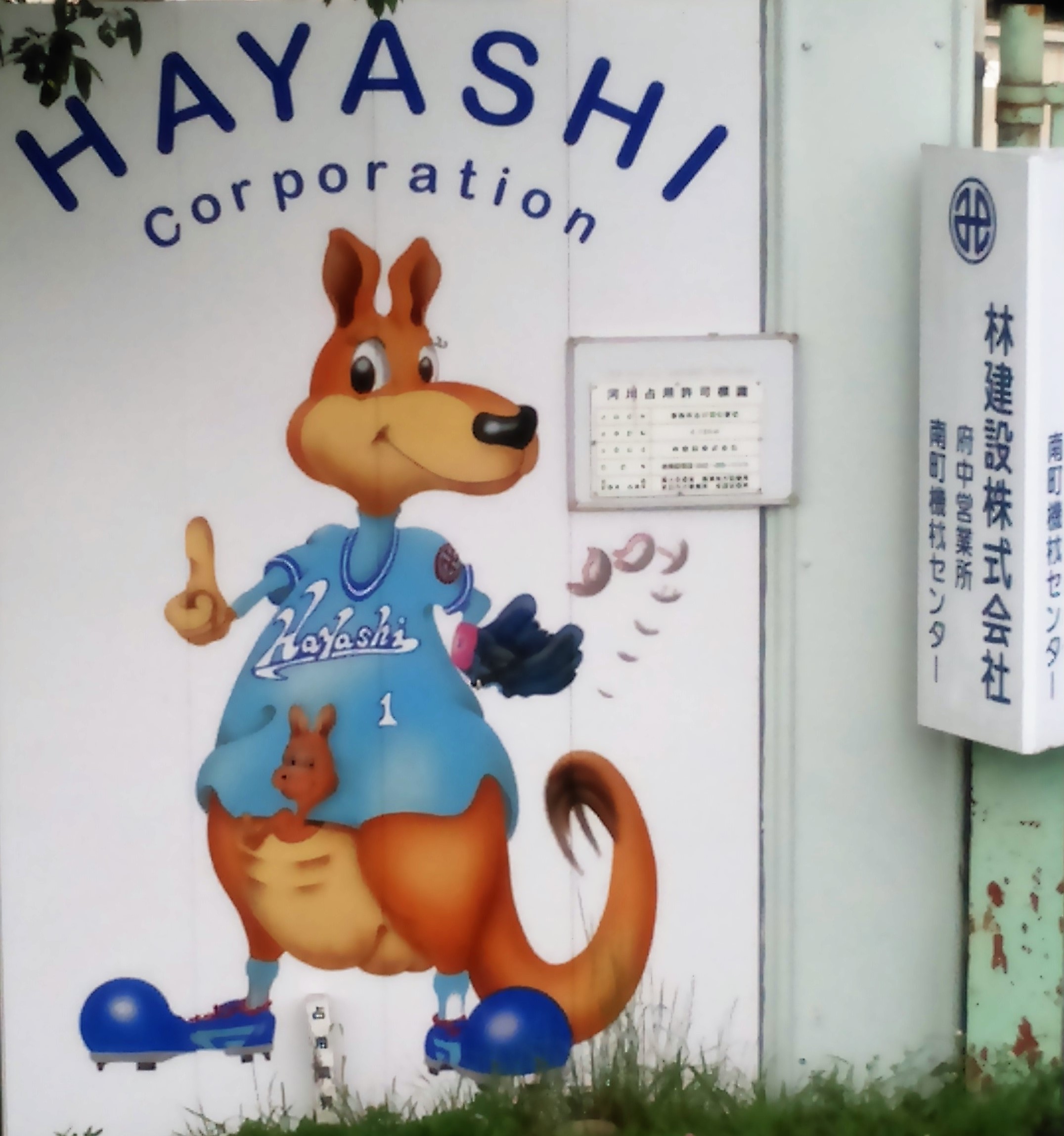
One with a difference is Hayashi Corporation, a construction company with a history of over 100 years and based in suburban Tokyo.

Hayashi Corporation’s Fuchu branch office entrance is adorned with photos of a family of cartoon kangaroos decked out in soccer gear, just like Australia’s national football team, the Socceroos.
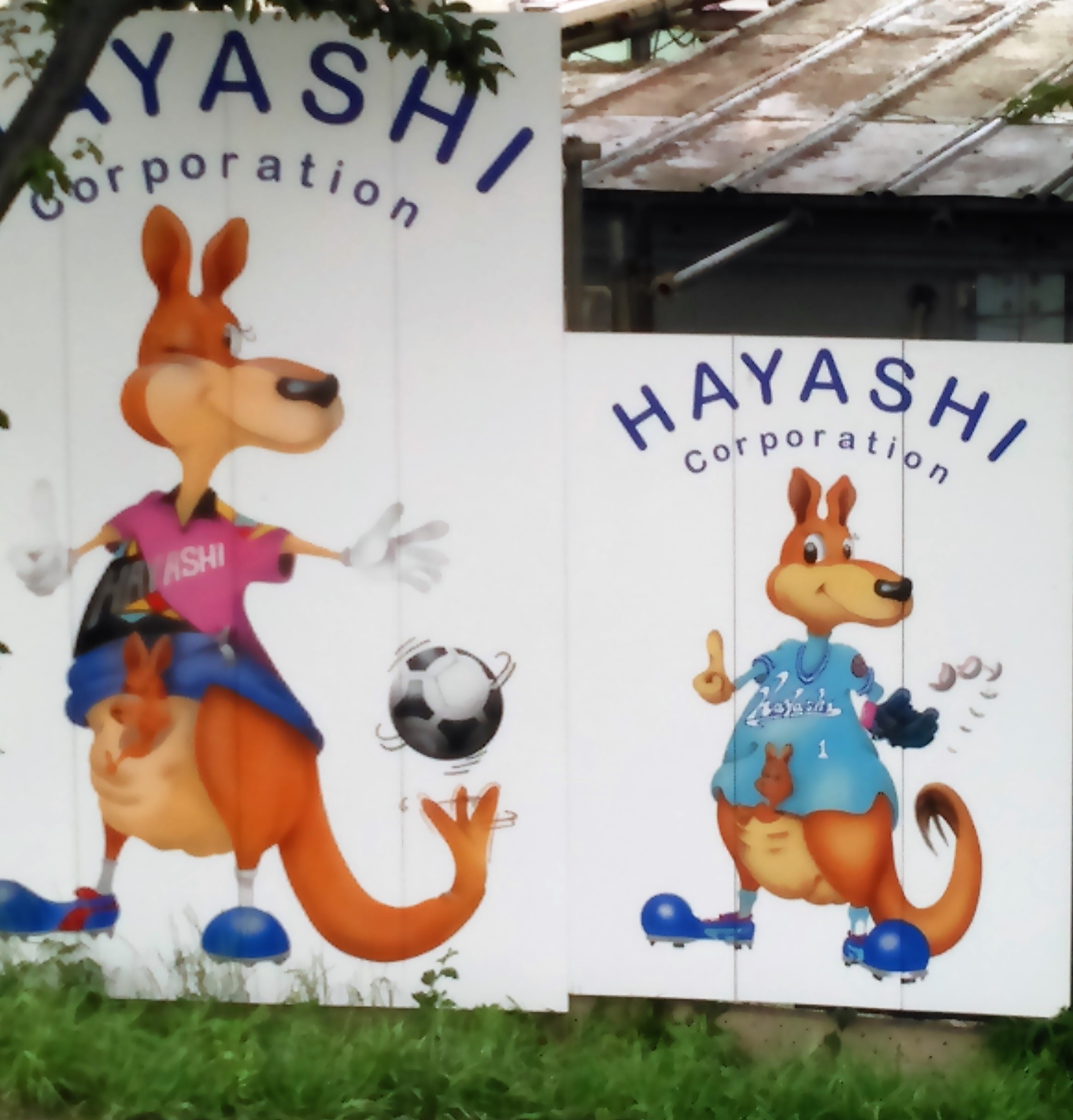
Japan’s next opponent in World Cup qualifying is Australia, but there’s no connection.

What is interesting to note, though, is that the kangaroos had been painted over until quite recently.

They were restored after many years and now stand out prominently.

The reason for why this marsupial touch has been added to outer suburban Tokyo remains a mystery, though.

The appearance of any company, organization, or individual on Kangaeroo.com does not constitute an endorsement, approval, or criticism of that entity or its actions. Content is included solely because it relates to themes involving Japan–Australia relations, with a particular focus on kangaroos, and should not be interpreted as expressing any evaluative judgment.
免責事項:「考えRoo.com」に登場する企業・団体・個人について、掲載は推奨・支持・批判を意味するものではありません。内容は、日本とオーストラリアの関係、とりわけカンガルーに関するテーマに関連するため掲載しているものであり、当該主体に対する評価や判断を示す意図は一切ありません。


Cop A Gander At These Rippers Too...

  • | | |

    How Did A 19th Century Kangaroo Spark Japan-Australia Ties That Now Seem A Perfect Match?

    カンガルーが火をつけた日豪交流 ― まさに“マッチ”した関係の始まり? Long before Australia became one of Japan’s closest partners, Japanese manufacturers had been using kangaroos to promote their products. The earliest documented reference to the commercial use of a kangaroo in Japan came from 1884, when a misemono traveling curiosity show advertised that it would feature a fukuro nezumi, literally a pouch mouse, at the Tenmangu Shrine grounds in Osaka. オーストラリアが日本の最も親しいパートナーの一つとなるはるか以前、日本のメーカーはすでにカンガルーを商品の宣伝に活用していました。 現在確認されている日本におけるカンガルーの最初期の商業利用は、1884年に大阪・天満宮境内で開かれた見世物興行の広告です。そこには、カンガルーが「袋鼠(ふくろねずみ)」として紹介されていました。 A Kangaroo on a Matchbox マッチラベルに描かれたカンガルー Japan first enacted a trademark registration system in June 1885, and Kobe-based match manufacturer Seisuisha registered its first trademark on Oct. 11 of that year. It was a matchbox featuring a lion. The lion was part of a series…

  • Packing a Roo in the Days of Pac-Man

    Kangaroo was a mildly successful arcade video game released in 1982. Launched in the same year was the phenomenally successful Pac-Man and notorious Custer’s Revenge. Kangaroo also came out in the same year as E.T. the Extra-Terrestrial (video game), the flop largely blamed for the video game industry crash of 1983. Kangaroo required players to take on the role of a mother roo who dodged falling fruits and punched primates to rescue her joey, who had been stolen by the monkeys. The game started as an arcade game before Atari made versions for its 2600 and 5200 game consoles. The game was also later adapted for a children’s cartoon. Kangaroo…

  • | |

    Aussie Anime hits Tokyo with a Blast….of Flatulence!

    Gus, the animated tale of a Neanderthal child with uncontrollable flatulence, is one of two Australian films selected to take part in the Japan Kinder Film Festival drawing to a close in suburban Tokyo this weekend. 豪作品ガスのコントロール出来ないネアンデルタール人子供の話アニメ『GUS おならで大発見!』と短編映画『ジュリアン』という2作品が19日調布市グリーンホールにて20th Anniversary キンダー・フィルム・フェスティバルに上映される。 Accompanying Gus will be Julian, a short film that will feature Japanese voice actors performing live translations of non-Japanese films as they show. 『ジュリアン』の上映は、声優さんがその場でライブで日本語に吹き替える。 Japan Kinder Film Festival, the only international film festival for children in Japan, has one final session to run on Sunday, Aug. 19, from 1:30 p.m. at Green Hall, Chofu. Ticket prices range from 150 yen for children, pensioners and the disabled to 500 yen for…

  • |

    Why Does Australia Have So Many Japanese War Memorials?

    なぜオーストラリアには日本人戦没者慰霊碑がこんなに多いのか? Most Australians know about the fierce fighting against Japan during the Second World War. Few realise that Australia is also home to dozens of memorials dedicated to Japanese people. How can a country that fought such a bitter war also preserve monuments honouring former enemies? The answer lies not in politics, but in compassion, reconciliation and a shared belief that every life lost in war deserves to be remembered. Over the past 80 years, Australians and Japanese have worked together to care for cemeteries, restore memorials and commemorate those who never returned home. These quiet places tell an important story about how former enemies became trusted friends. 第二次世界大戦で日本と激しく戦ったことは、多くのオーストラリア人が知っています。しかし、オーストラリア国内に数多くの日本人戦没者慰霊碑や墓地があることを知る人は、それほど多くありません。 かつて敵国だった日本人を、なぜオーストラリアが今も大切に弔っているのでしょうか。その答えは政治ではなく、思いやりと和解、そして戦争で命を失ったすべての人々を忘れないという共通の願いにあります。…

  • | |

    豪出身元祖「クール・ジャパン」支持者が訃報報道を否定

     親日家として知られているオーストラリア出身でイギリスで活躍したクライブ・ジェームズ氏というユーモアリストが末期がん報道を25日付否定している。  ジェームズ氏は1939年オーストラリア、シドニーで生まれて1960年代の初め頃からイギリスでライター、ブロードキャスターなどさまざまな行動で大活躍した。  しかし、最も有名なところが恐らく1970年代から1990年代の頭頃の間イギリスを始め主に英国連邦内の英語圏日本のことを紹介したこと。日本にとって彼の重要な役割を理解できるため、当時の事情を振り返る必要がある。当時、日本の絶好景気か閉鎖市場や輸出黒字などを理由とした貿易摩擦時代の真最中だったので、日本及び日本人に対して「日本人が働き蜂」や「軍力で出来なかった経済力で世界を支配しようとしている」などのような反日的な批判や感情が強まるつつあったが、それに対してジェームズ氏が自身のテレビ番組で日本のテレビ番組を使って日本人を友好的に提供することにした。「ザ・ガマン」などの映像を使用して「日本人を小馬鹿にしている」という批判もあったが、「人間味」を感じさせる場面を披露し、世論の日本・日本人に対しての気持ちを肯定的な方向に導くように大きく貢献したと言える。ジェームズ氏が英語圏の元祖「クール・ジャパン」支持者と言っても過言ではない。  で、同氏が数年前から白血病となり、もう72歳となっているので、後は長くないということが思われている。そして、6月21日付の英デイリー・ミラー紙では「もうがんに負けた」と末期がん宣言のようなインタービュー記事が報道されて、英・豪を中心に心の準備が始まった。  しかし、25日付のオーストラリア各紙では自身筆の記事では「死ぬ寸前報道」を強く否認し、「まだ、まだ戦うぞ」と宣言した。  ジェームズ氏が自称「日本語喋る」上に日本に対して愛情を感じさせる文書などによって「親日家」及び「日本通」なので、もっと活躍を続けてほしい人が多いかもしれない。