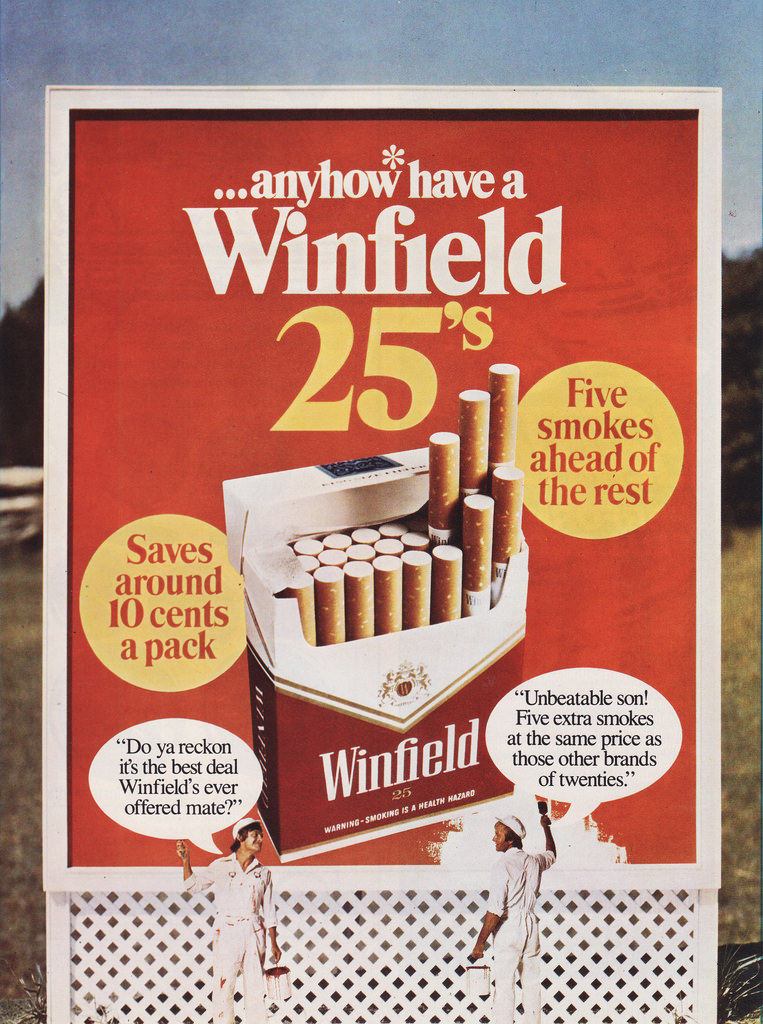
…ah, so* have a Winfield: The Tiny Tale of Aussie Durries in Japan
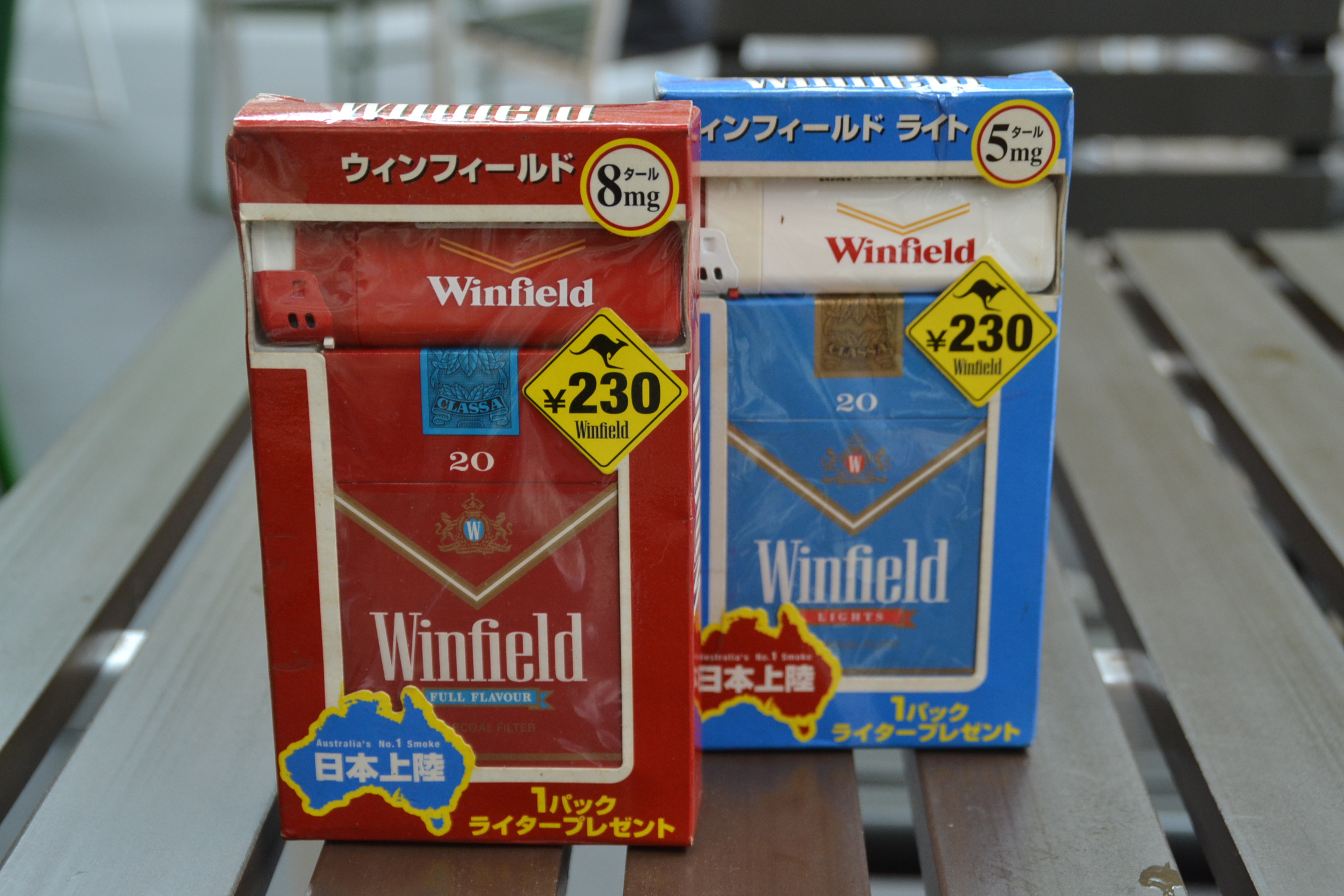
A long, long time ago, in a Straya far, far away, Australia briefly exported cigarettes to Japan.
It wasn’t that long ago, actually.
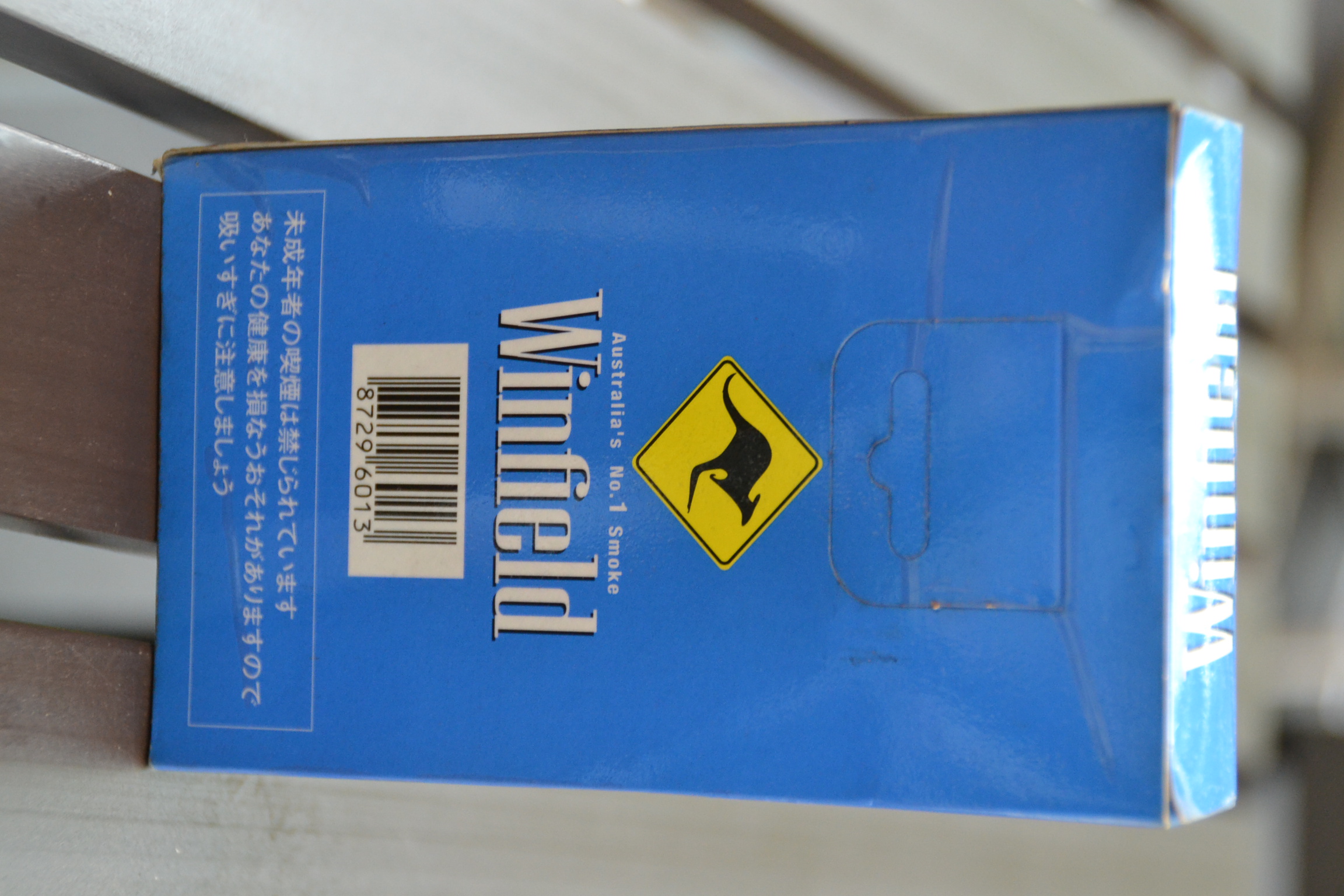
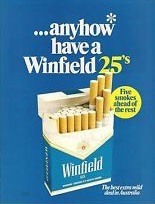
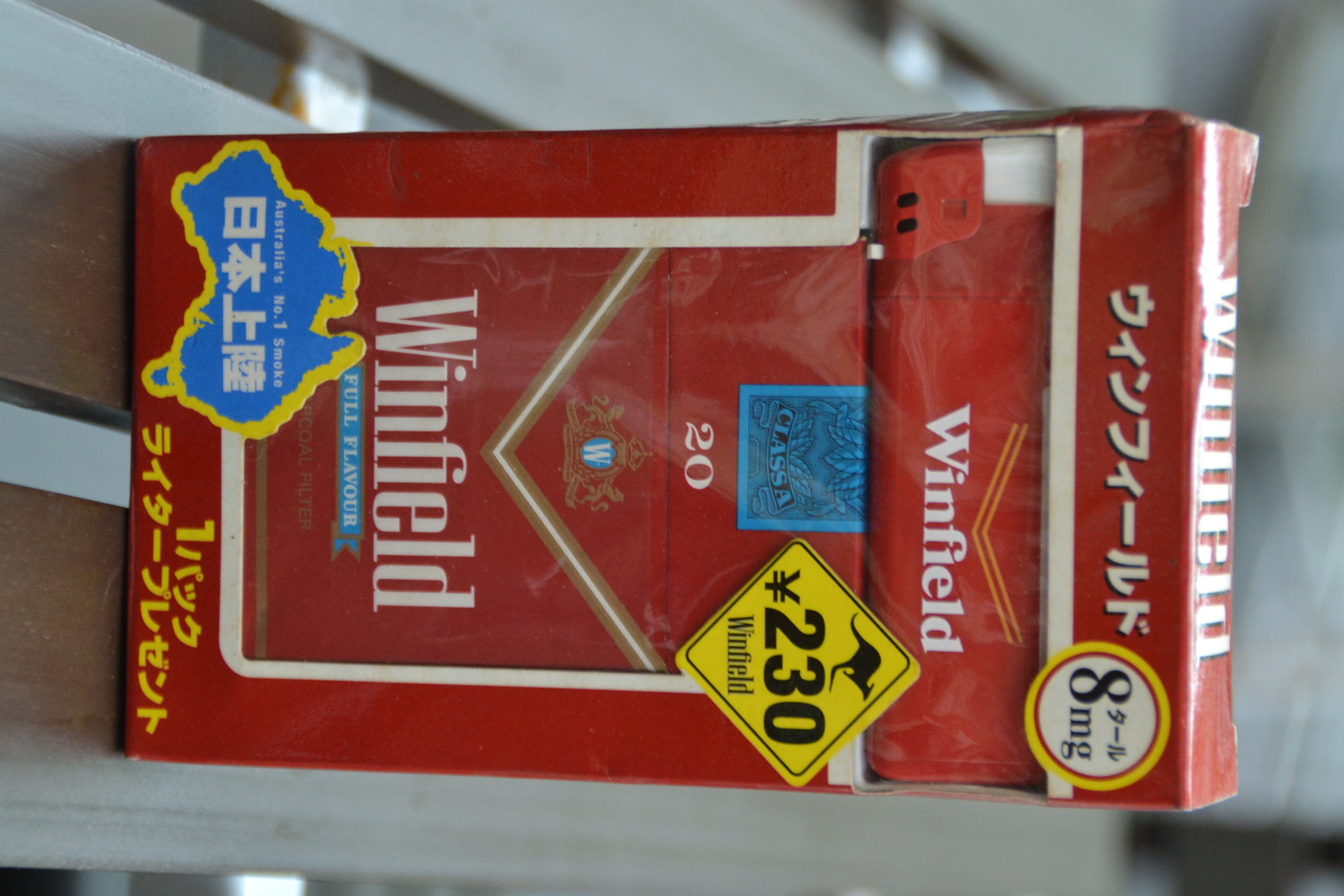
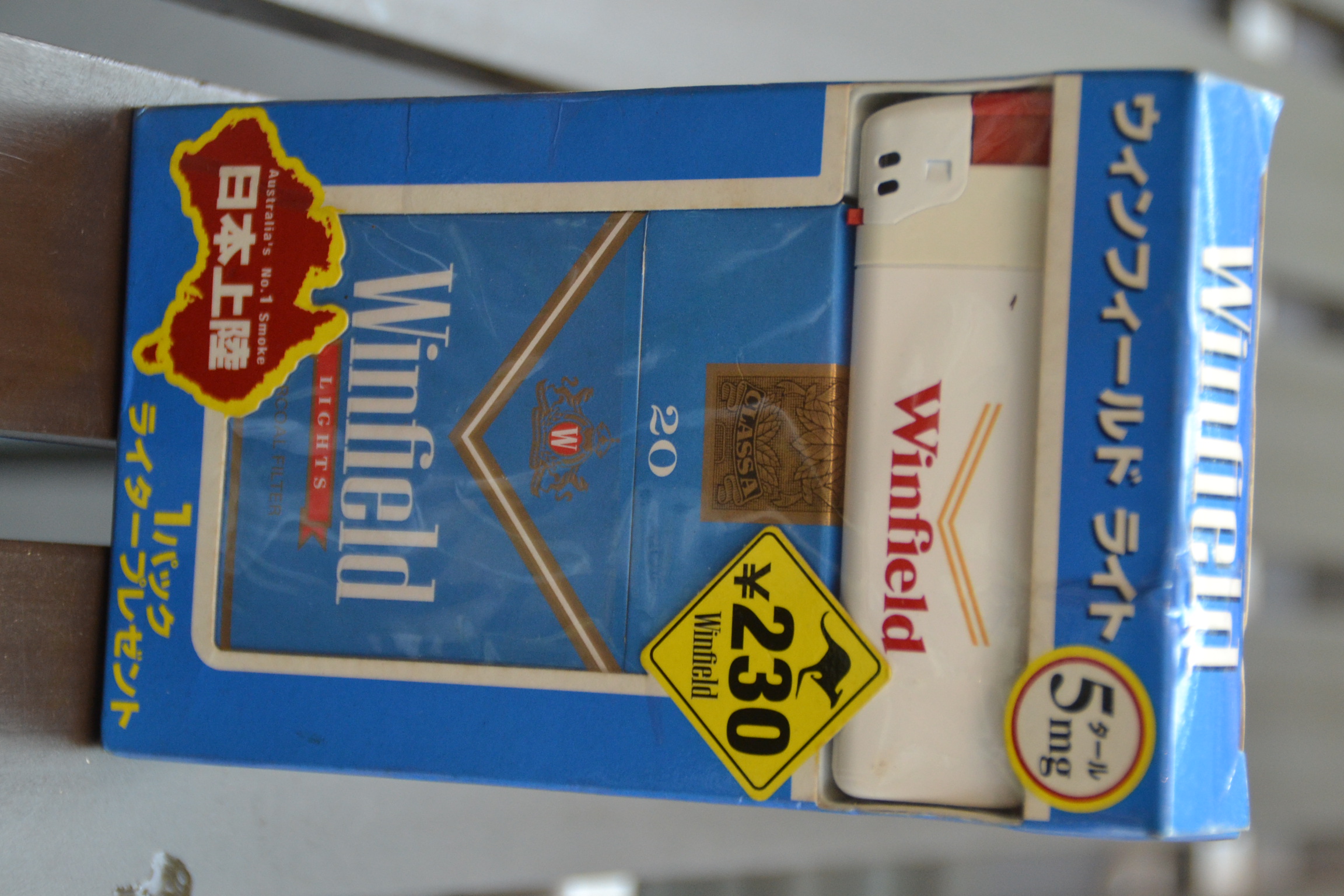
But for several months in 1994, Winfield cigarettes, one of Australia’s most famous brands (it marketed itself as “Australia’s No. 1 brand” in Japan, but it was actually only the second-biggest seller Down Under, behind Peter Jackson), was an unlikely competitor of mostly British and American Big Tobacco companies to tap into what was still then a thriving Japanese smokers’ market largely unregulated at the time.
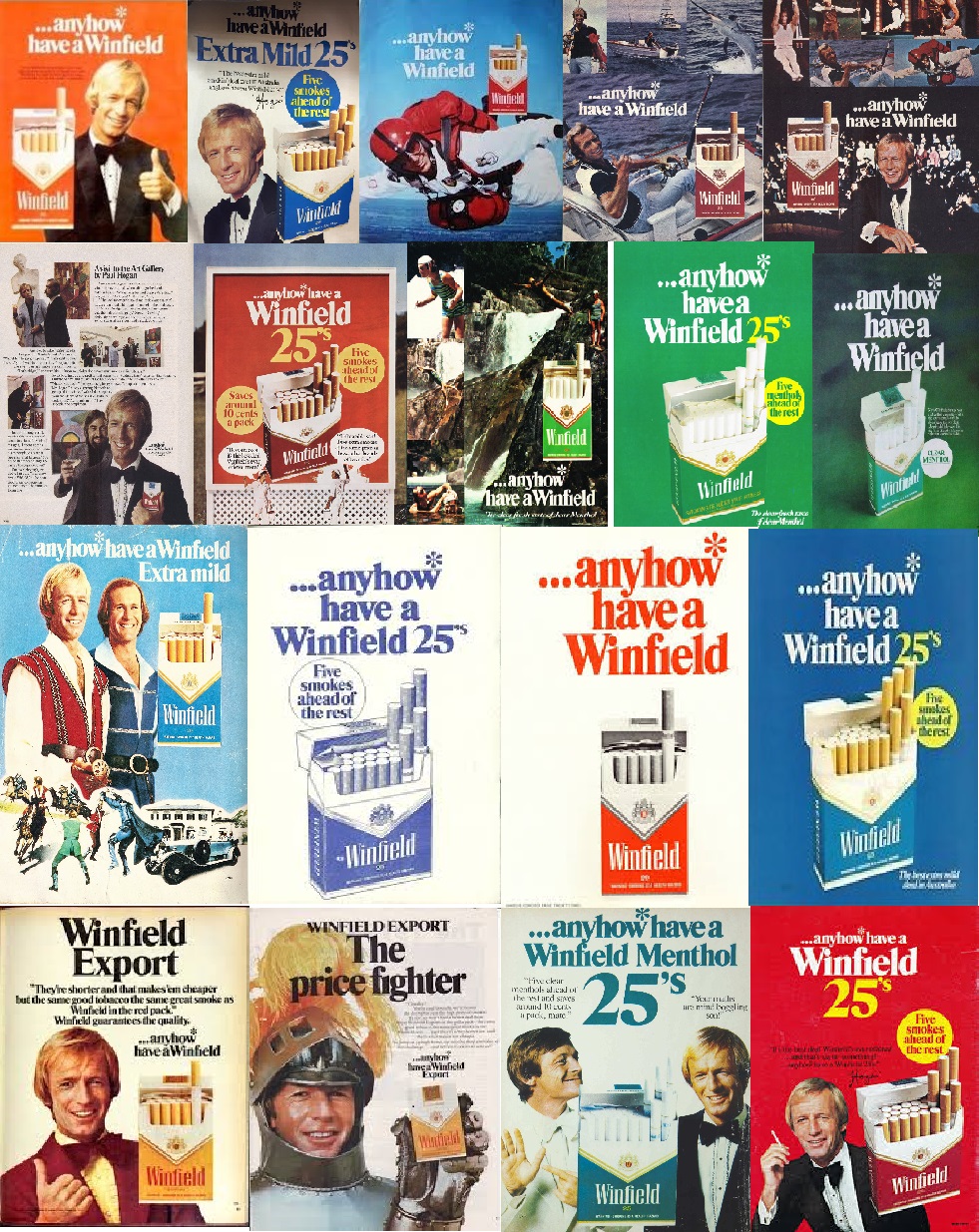
Winfield was on a downturn at the time in its home country.
Cigarette advertising had been banned from TV and print media decades earlier, but by the mid-1990s in Australia had also been outlawed from outdoor displays and sporting events that tobacco company sponsorship had largely kept afloat.
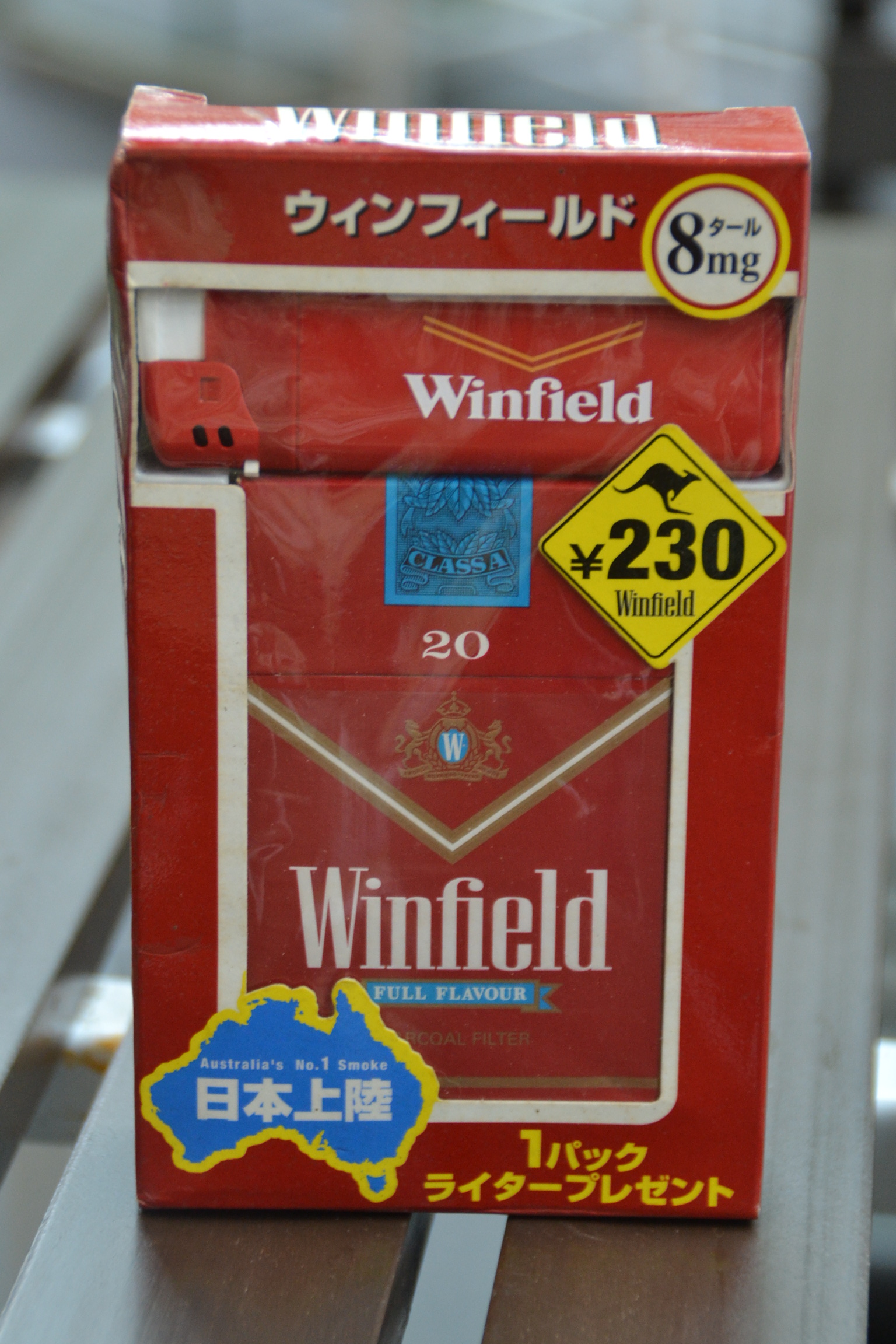
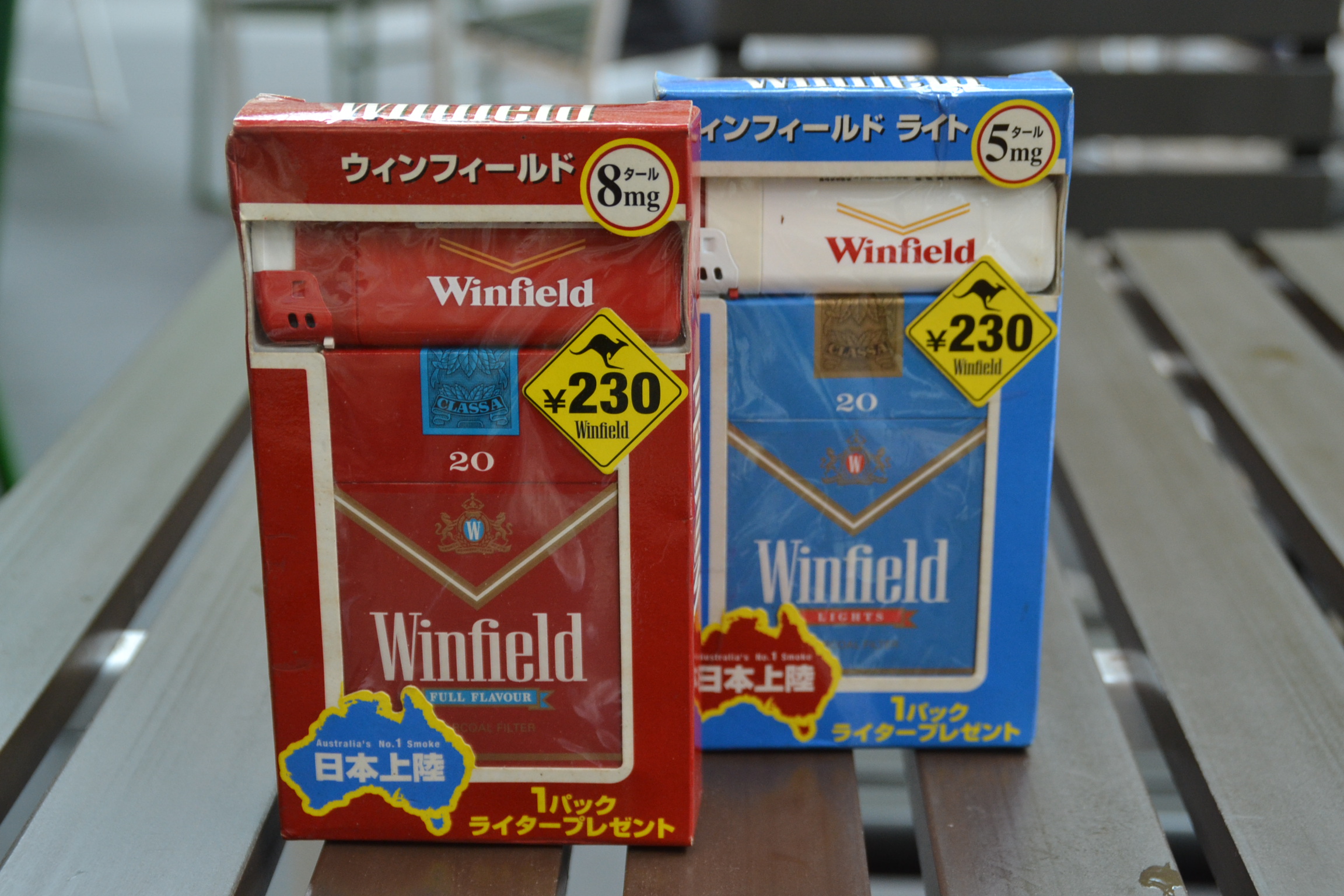
Japanese Winnie Reds
Like many Western companies faced with growing anti-smoking sentiment at the time, the owners of the Winfield brand decided to flog their fags off to Asians. It didn’t work too well in Japan.
Japanese Winnie Reds and Winnie Blues could be found in the country’s ciggie vending machines (then ubiquitous, now becoming rarer) over what was a record-breaking hot summer and autumn, but were mostly gone by the Christmas of that year.
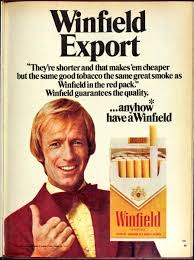
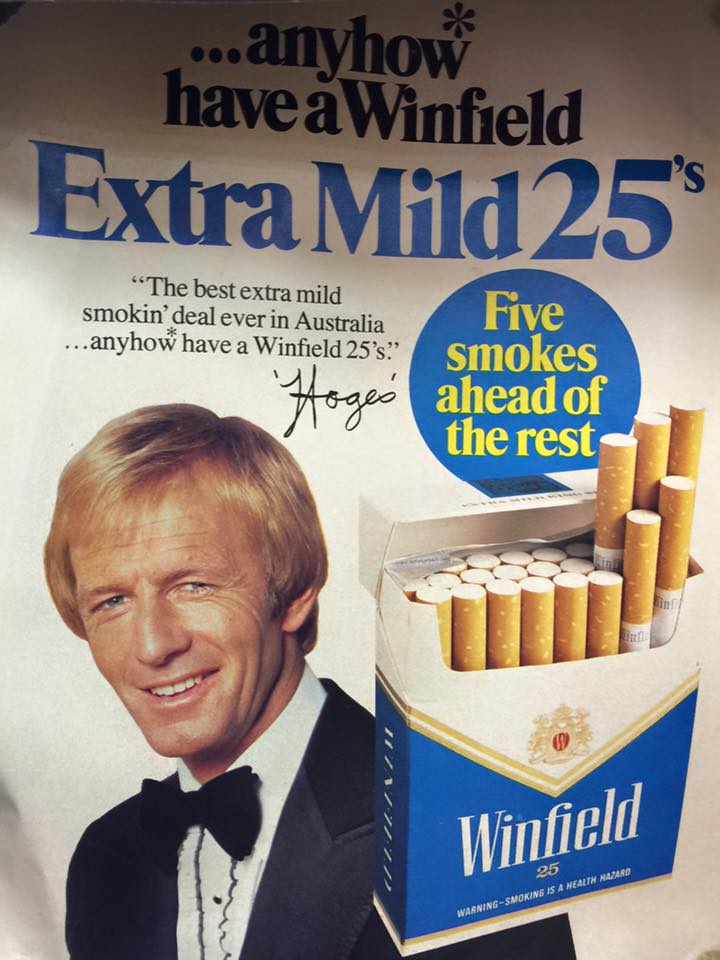
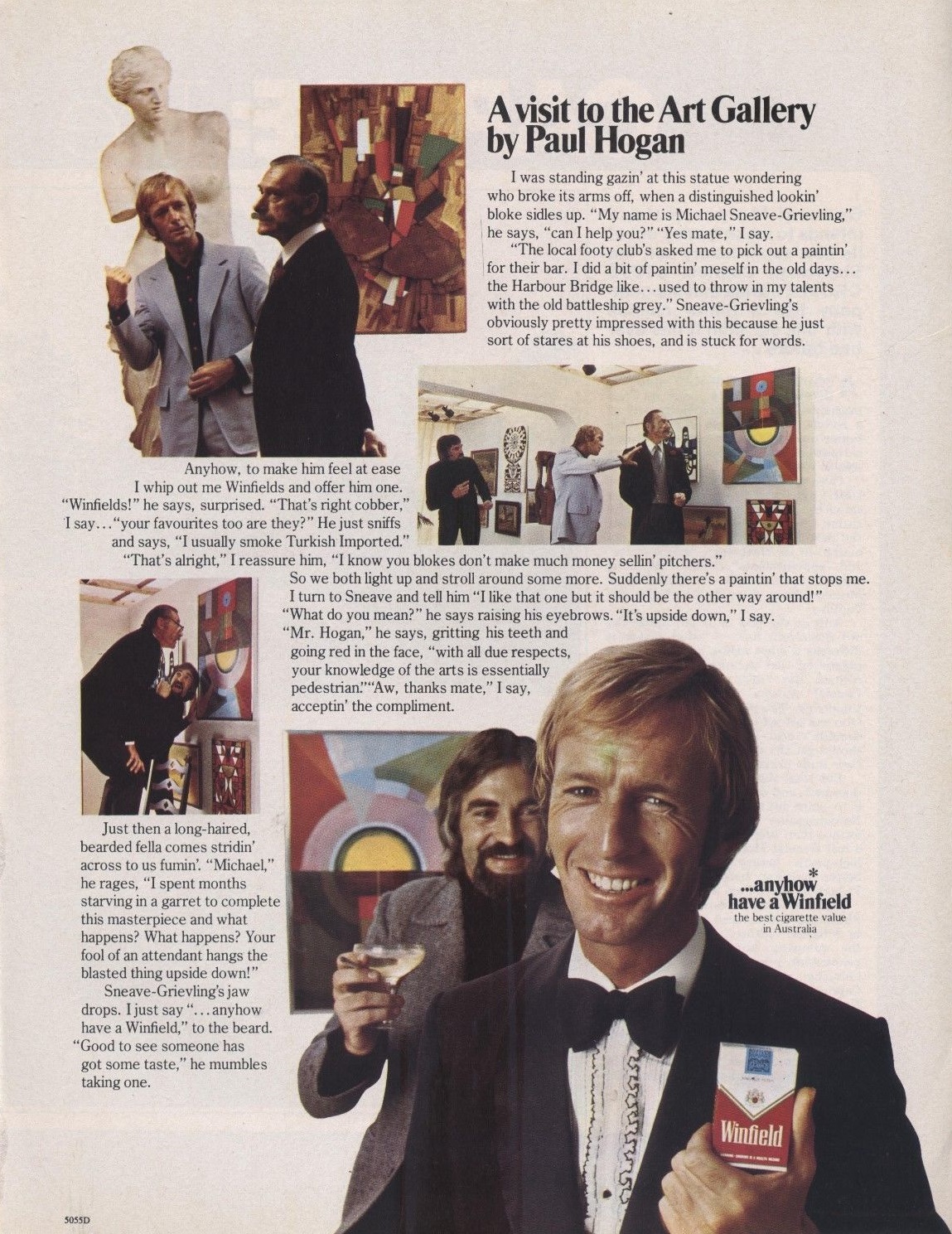
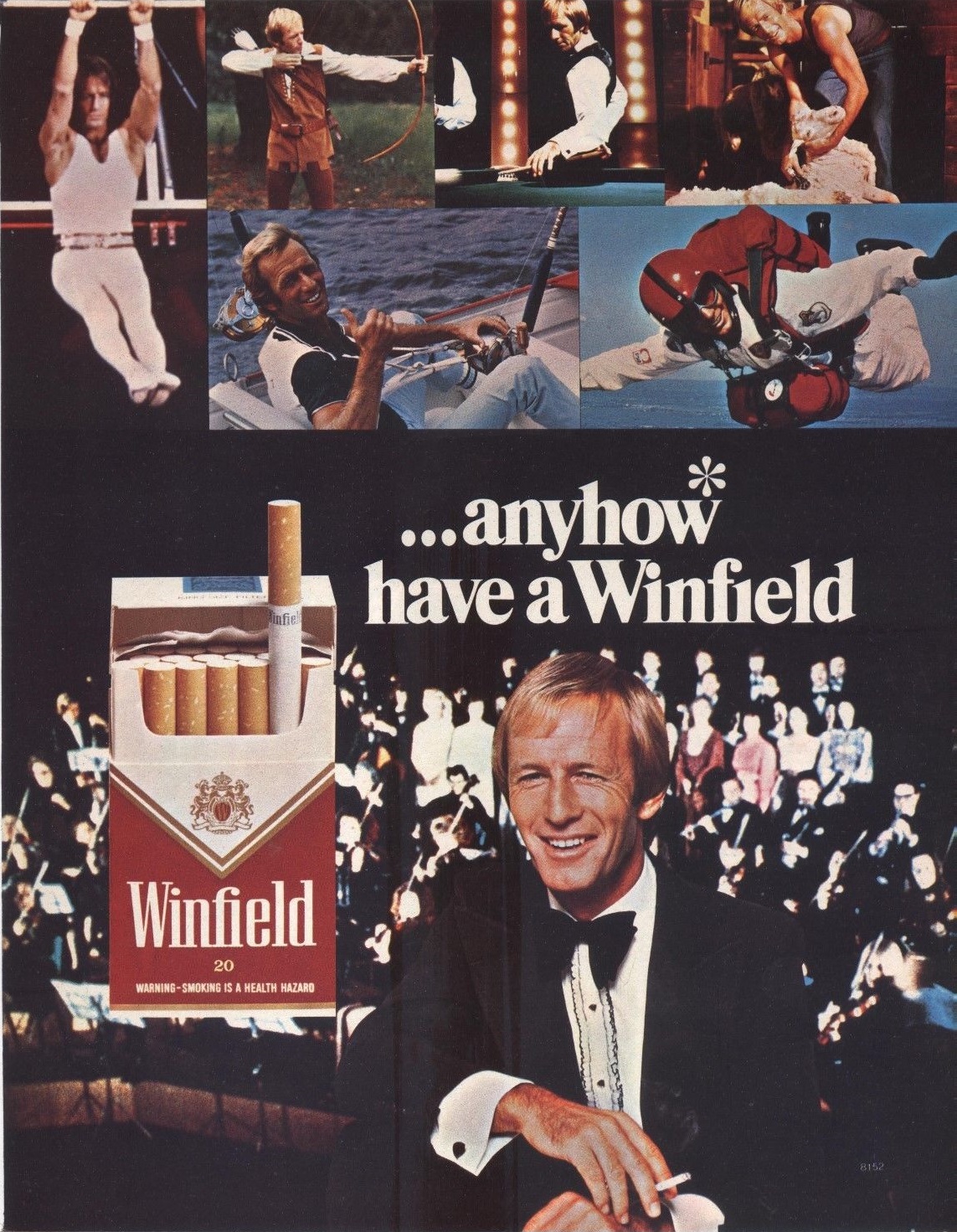
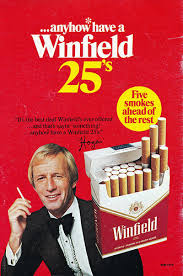
Winfield owed its chance overseas to many factors, at least one of which was the role played by Paul Hogan, a sometime comedian better-known to international audiences as the star of the Crocodile Dundee film series.
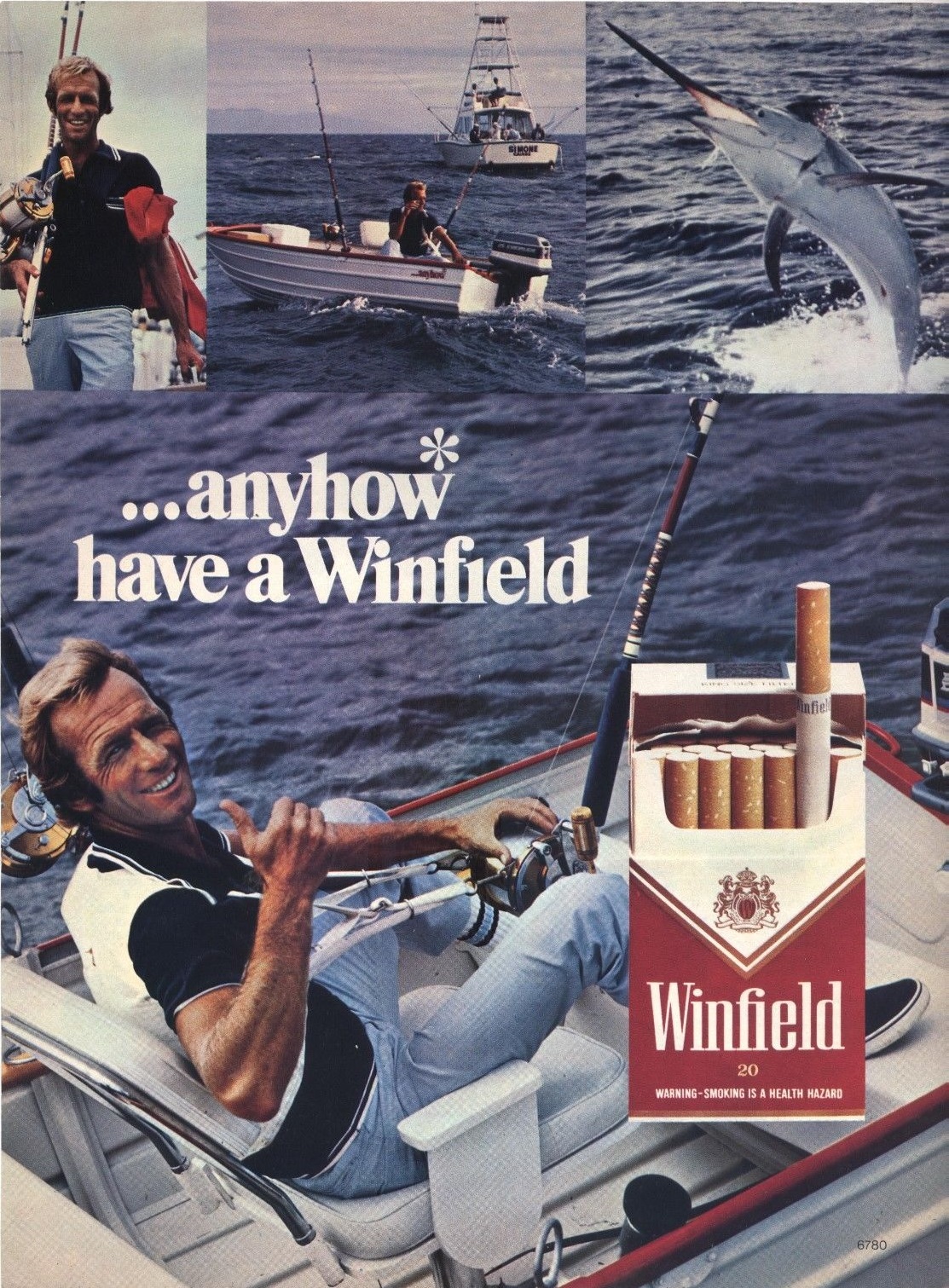
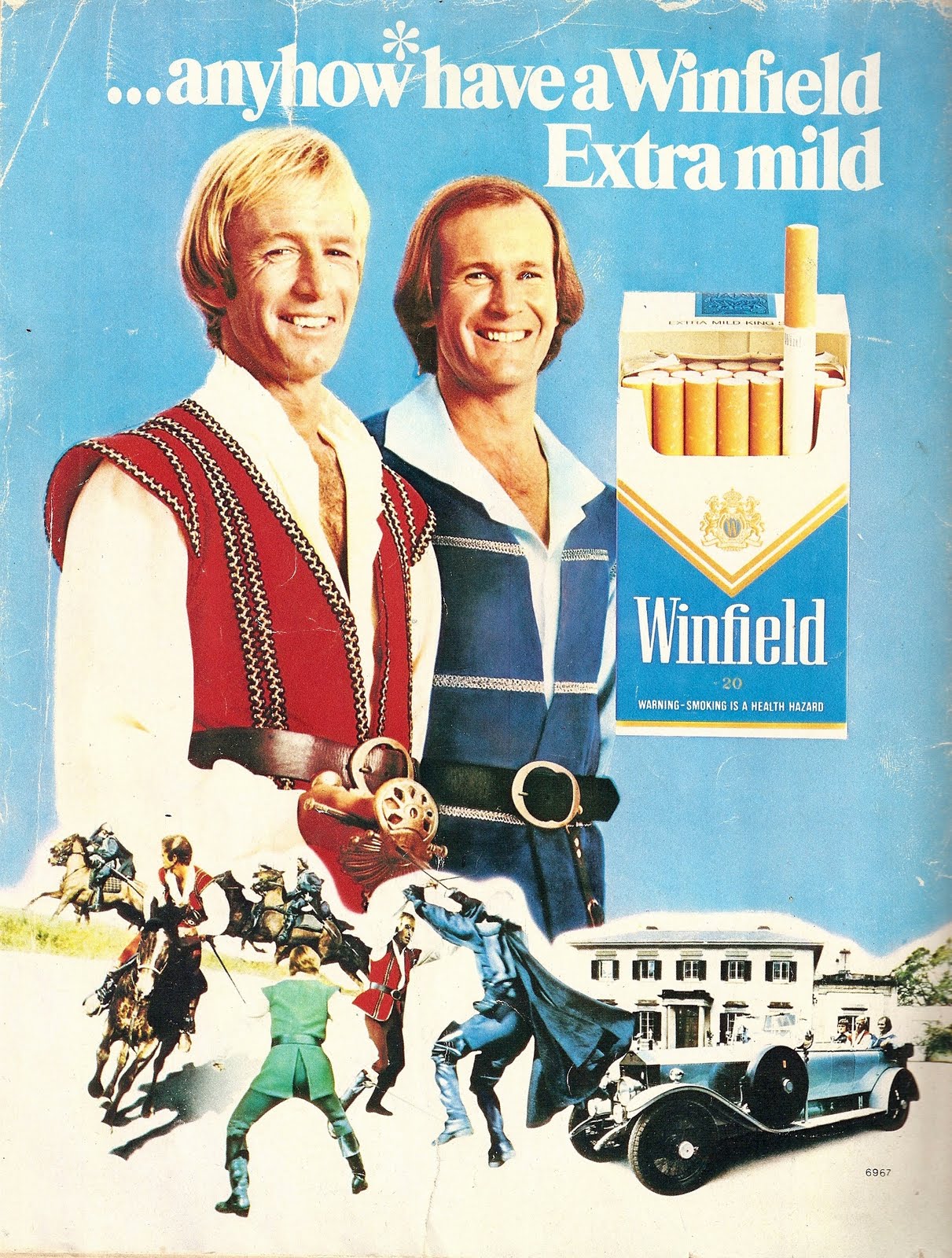
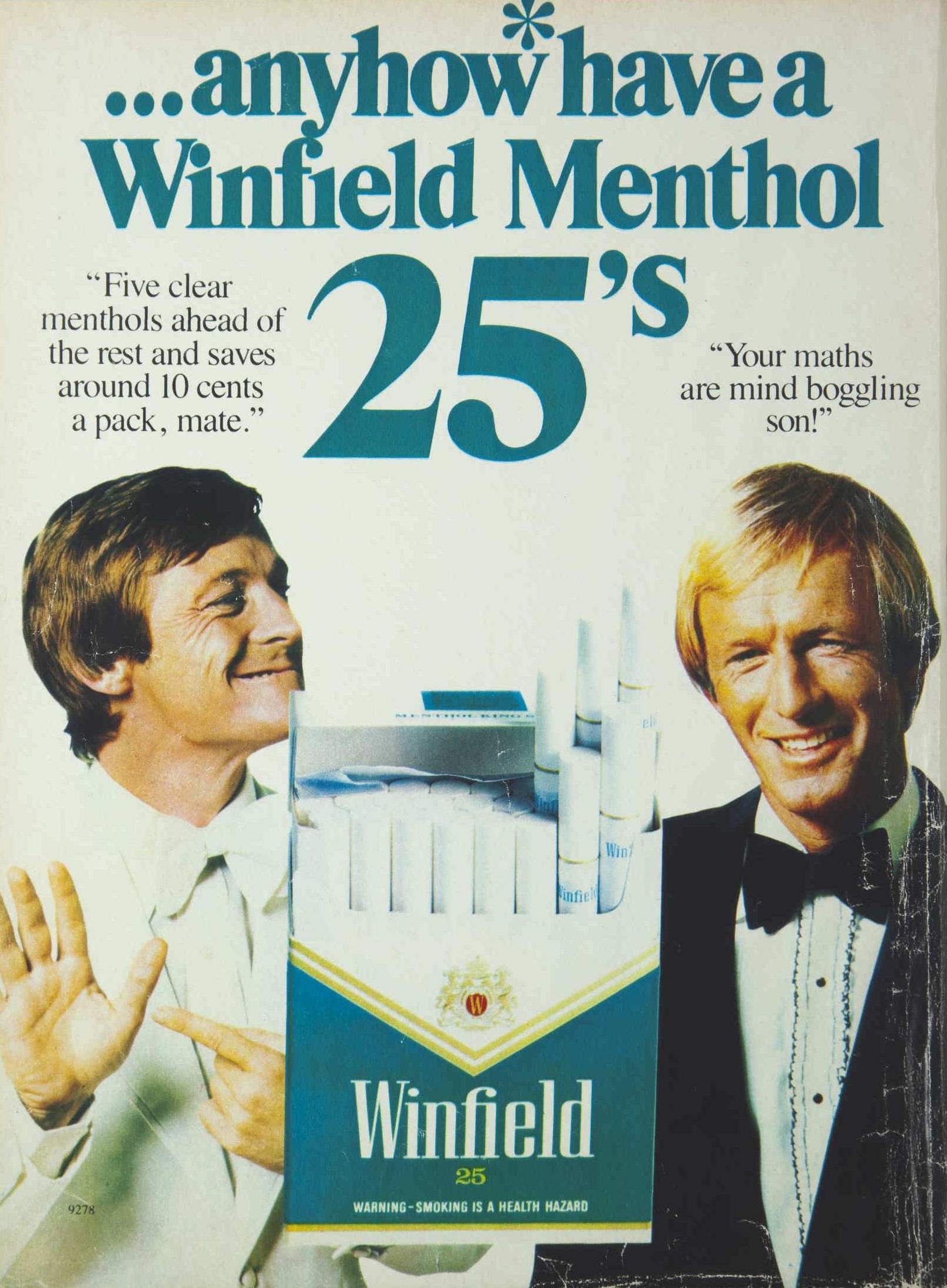
Hoges had been the face of Winfield when it first came out in the 1970s and he was beginning his ascent toward becoming one of Australia’s best-known stars. He became synonymous with the brand even as its presence was being limited, but his famous catch copy of “…anyhow* have a Winfield,” entered the lexicon of ordinary Aussies.
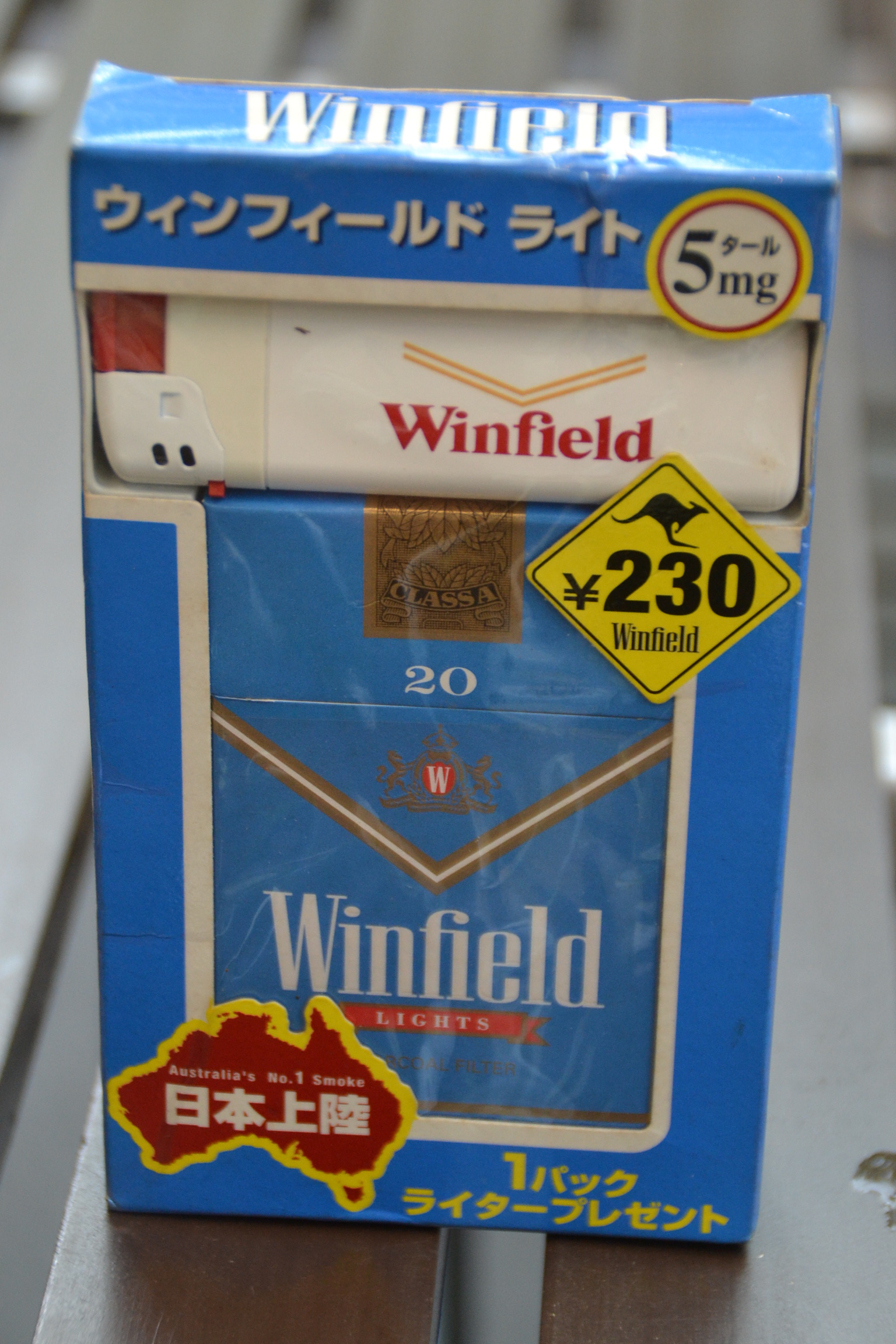
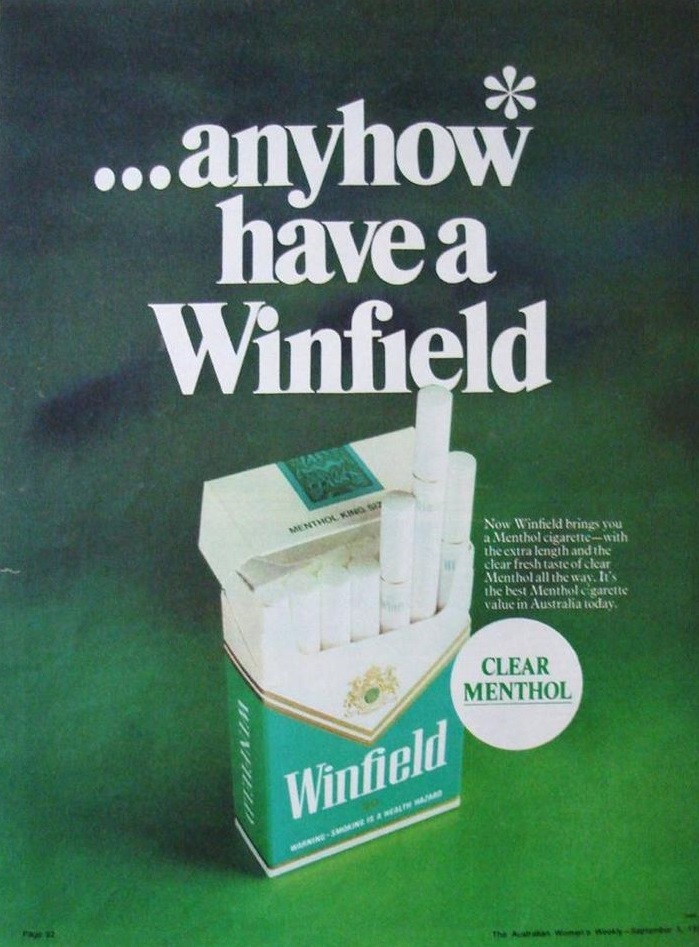
Japanese Winnie Blues
…anyhow*, Australia outlawed packaging displays on cigarettes from 2012. Although punters could still ask for their different types of Winnies, which had been branded according to colors such as Red and Blue, the packaging was no longer actually red, blue or any other color.
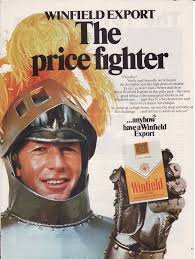
Even Hoges, whose rise to fame was at least partly inspired by a sharp set of movie theater and print ads he’d made for Winfield in the 1970s, came out a few years ago to say that he deeply regretted the commercials for having inspired so many people to pick up a durry.
Hoges and Stropp Winfield Ad from 1971
Cop A Gander At These Rippers Too...

  • | |

    豪州アイコンが引退へ

    もしかして世界で最も有名なオーストラリア人エンターテーナーが現在のツアーが終了するにもって引退することを最近発表した。  日本ではそれほど馴染みがないが少なくとも英語圏ではデイム・エドナ・エヴァレッジが舞台をやめることになった。  メルボルン市モーニー・ポンズ在住(埼玉県春日部市の感覚かな?)自称主婦兼メガースターデイム・エドナは、広く愛され続けてイギリス皇室をはじめ世界中に1956年のデビュー以来の50年以上に渡っててファンを集まった。  現在、オーストラリアで自身の舞台ツアーが行っているが、終わったら(まだ終わりの日付が未定)二度と舞台に上がらないという。  ド派手で自慢話が特徴だけど、ユーモア溢れているデイム・エドナは本当に存在感が偉大であり、演奏しないと多くの人が恋しくなるだろう。  ちなみに、デイム・エドナ人気のもう一つの理由はコメディアンバリー・ハンフリーズ氏(男性)が演出している。同氏が既に78歳であるので、エドナ引退に関わった可能性もある。 デイム・エドナについてさらに詳しくはこちらへ。 Story about Dame Edna Everage’s retirement (English)

  • Google オートコレクト Putting the シティ in Aussie Cities

    「シドニーが高い」、「アデレードが蔵穴」など、Googleオートコレクトで検索すると最初に表れる提案がオーストラリア各州の州都にとって決して好意的な結果ではないとメルボルンのヘラルド・サン紙が5日報道した。 メルボルンは「シドニーより良い」とブリスベーンが「退屈」。ダーウィンが意味不明の「ダーウィンが俺の仲間だ」。 タスマニア州州都ホーバートに対してオートコレクトがまず書くのが「どんなオーストラリアの州の州都か?」。豪首都であり、州ではなく、オーストラリア首都特別地域に位置しているにも関わらず最も聞かれているのは「何州にある?」。 唯一良いと言える結果がパースから来て、同市に対して「俺の街であり、大好きだ!」。 各市に対しての英語でのオートコレクト表現が以下の通りだ。 Sydney is expensive Melbourne is better than Sydney Adelaide is a hole Darwin is my homeboy Brisbane is boring Perth is my city and I love it Hobart is the captial of which Australian state? Canberra is in which state (元記事<英語>)’Sydney is stupid, Brisbane is boring’ Google Provides a Better…

  • |

    Aussie Deli…cious!!! Not Authentic Aussie but Still Yummy オージー・デリ、、、シャス!!!

    McDonald’s Japan finally began long-awaited sales of the Aussie Deli at its outlets across the country from Aug. 31 for a couple of weeks.  2012年8月31から約二週間全国マクドナルドにて販売するオージーデリとチーズ・オージーデリを食べてみた。 Kangaeroo.com has been skeptical about the burger, which comes in two versions — the premium sandwich with cheese and the plain burger. The main ingredient is uncooked pastrami beef in…

  • 豪キャブラリー:Crook

    Crookは英語圏のほかの国では泥棒や悪者という意味だけど、オージー英語では同じ意味がある上に「病気」「具合が悪い」や「気持ち悪い」という意味もある。  なぜこういう意味になったのかが不明だがおそらく悪者の悪と気持ち悪いの悪いが由来ではないだろうか。

  • | | |

    「強盗殺人」なのにBig Thingsを含めて豪がNed Kellyを称える理由は何だ?

     今日の「Big Things」はオージー文化に深く関わるものと関するが、その背景が分からないと理解しがたいかもしれない。  ビクトリア州グレンロアンにある高さ6メートル幅2メートルのBig Ned Kellyは、オーストラリアで英雄とされているネッド・ケリーを称える。  「英雄だったら、すごい人だろう?」と思うだろう。  が、、、  、、、実は、強盗殺意人だ。  ま、石川五右衛門やロビン・フッドのように、裕福な人や権力を乱用する人に対して盗難をし、得たものを庶民に配ったりするような犯人だったらなんとなく分かるような気がするね。  しかし、、、そのような強盗者でもなかった。盗んだ物を自分・自分のギャングしか使わなかったし、殺した人が警官及びかつて親しいだった友人だった。  じゃ、政治的な理由でそのようになって人々のために戦った人物だったのか?  それも、ない。イギリス植民地時代だったので、抑圧されたアイルランド系の人だったに違いないが生きている間に特に政治的な動きをしたことはそれほどなかった。後になったそのように描こうとした人が時々出てくるが、本当は恐らく違う。  なんだかんだ言ってもネッド・ケリーはただの強盗殺人としか言うようがない。  なので、何でオーストラリアでそんなに尊敬されている?全国で英雄扱い、史上初長編映画の主体となり、以降ミック・ジャガーやヒース・レジャーなどがネッド・ケリー役を演じたり、実物が警官と正念場があったグレンロアンを中心に活動した地域が観光地となったり、研究の主体となったりしてネッド・ケリー神話が壮大となって、どんなオーストラリア人でもよく知っている。  でも、ただの強盗殺人だったら何でそんなに尊敬されているだろう?  不思議でしょうがないよね。 ネッド・ケリーが自作鎧で警察と銃撃戦を行い、その末で捕まえられ死刑となった。鎧が確かに格好良かったので、それだけで人々を魅了したかもしれない? それとも、多分、正解は豪州のヨーロッパ系歴史にあるかな?  そもそもイギリス人がオーストラリアを植民地化した理由は流刑地になるためだった。  ヨーロッパ系住民のほとんどが囚人だったので、反権威主義の人が比較的に多かったかもしれない。犯罪に対しての見方がじゃっかんゆるいところがあったかもしれない?  未だにまだその傾向が豪社会で見える部分がある。  豪史上最多数ノンフィクション本の作家は自称ヒットマンであるマーク・チョッパ・リードが執筆した。そして、今で豪テレビで実際に起きた犯罪や実際に起こした実在する犯人を題材とした圧倒的に支持されて最も人気番組がアンダベリー・シリーズである。  こういう豪社会の潜在的な反権威主義がネッド・ケリー神話の基礎となっているかもしれない。本当の理由は何か分からないが、奥が深いに違いない。  ちなみに、グレンロアンにはもう一つの「Big Things」がある。これはBig Cherryだ。それについてまた後日掲載する。  そして、もう一つのネッド・ケリー「Big Things」もある。それがクィーンズランド州にある。ネッド・ケリー自身が同州へ行くことはなかったのでなぜそこに作られたが、全国的の人気の象徴とも言えるだろう。その「Big Things」が同州のメリーバラという町にある。 ヒース・レジャーが主人公となった「ネッド・ケリー」2003年 ミック・ジャガーが主人公となった「ネッド・ケリー」1970年 The Story of the Kelly Gang 大きな地図で見る