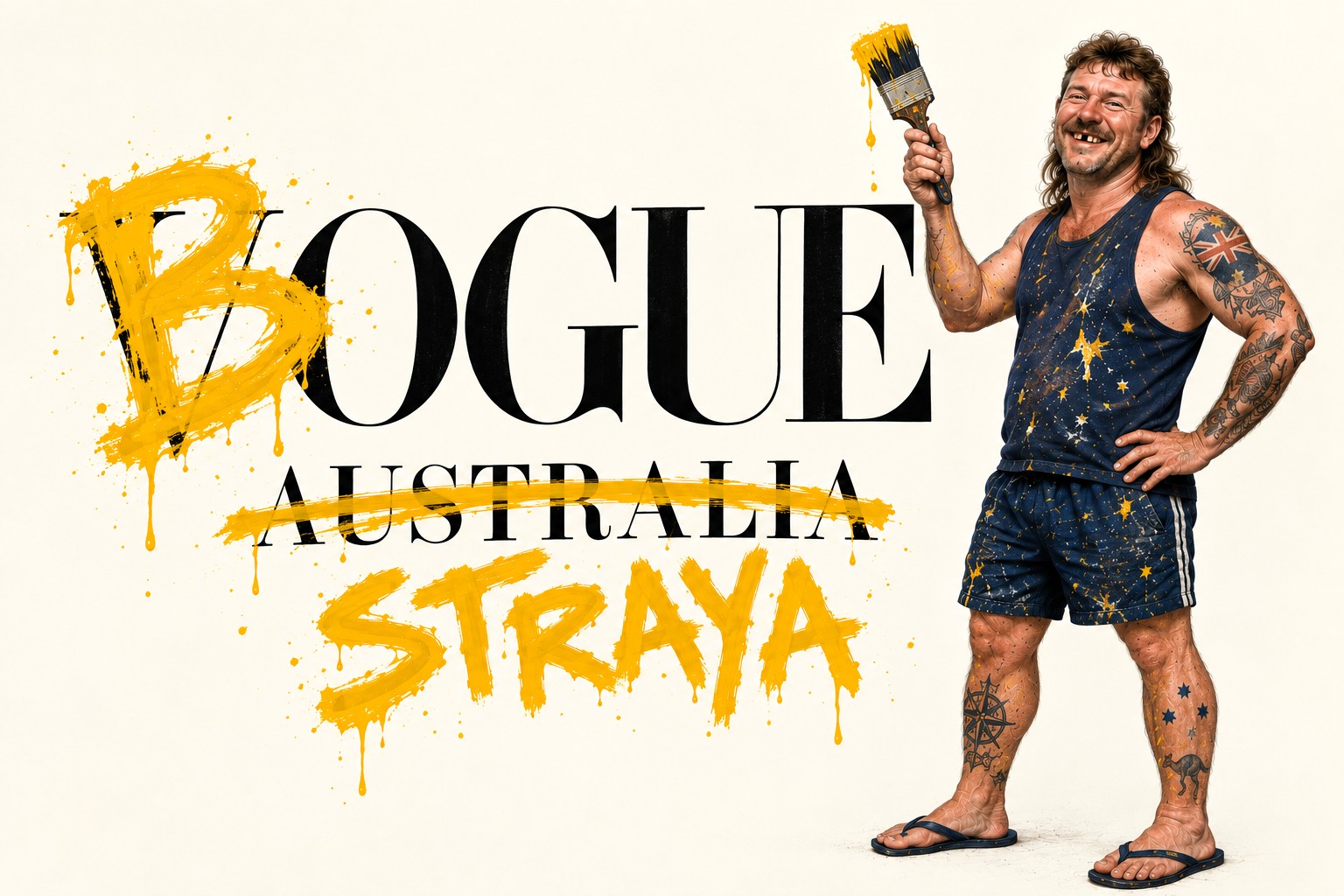
The Extraordinary Rise Of The Mullet

The mullet has undergone something approaching a cultural rehabilitation.

It was once: bogan haircut → embarrassment

then:

retro haircut → ironic joke

then:

hipster/alternative fashion → ironic fashion

and now:

Australian identity marker → mainstream hairstyle

The existence of organised mullet competitions demonstrates that the hairstyle has become something people actively cultivate, judge and celebrate. And there is something wonderfully Australian about judging a person’s mullet competitively.
Cop A Gander At These Rippers Too...

  • |

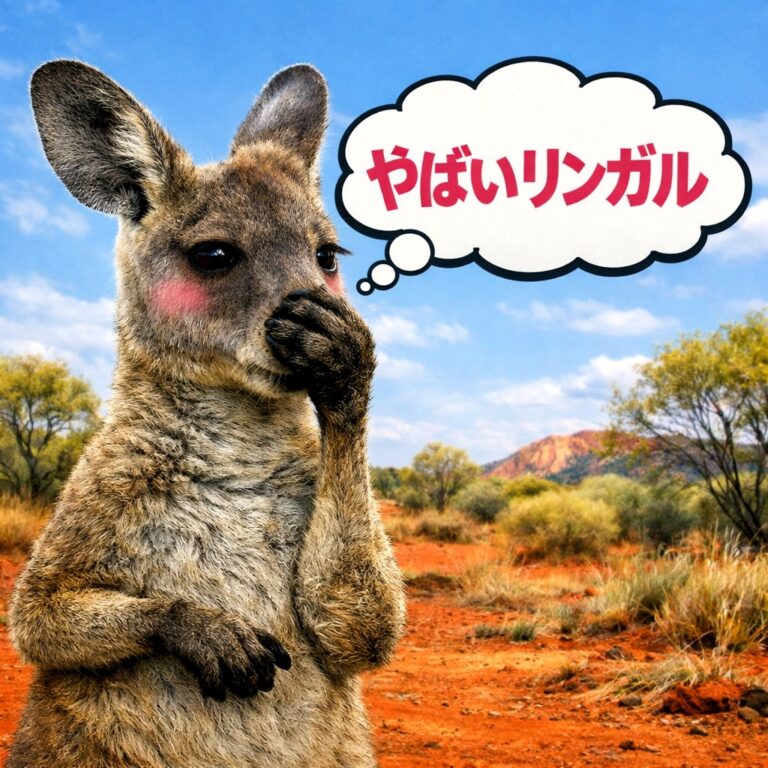
    やばいリンガル:Westie

    A westie, at least the version in Strine, is a bogan from the western suburbs of Sydney. A bogan, of course, is a person whose speech, mannerisms, appearance, clothing, behaviour, or attitudes are considered unrefined or unsophisticated. Bogans are often symbolized by a flannie and a mullet. 「Westy」とは、少なくともストライン(オーストラリア英語)における定義では、シドニー西部の郊外出身の「bogan」を指す。言うまでもなく、「bogan」とは、話し方、仕草、外見、服装、振る舞い、あるいは態度が、洗練されていない、あるいは野暮ったいと見なされる人のことだ。ボーガンは、しばしばフランネルシャツとマレットヘアで象徴される。 There are numerous types of bogans, including the snow bogans who swarm to Japan on bogan missiles. And New Zealand English, which is like an emerging version of Strine, also has westies, these being from the western suburbs of Auckland. The Japanese equivalent to the bogan or westie is the yankii. 「Bogan missile」に乗って来日に蔓延している「snow bogans」を含めて、ボーガンには様々なタイプが存在する。また、ストラインの派生版とも言えるニュージーランド英語にも「westy」という言葉があり、こちらはオークランドの西郊外出身者を指す。ボーガンやウェスティに相当する日本の言葉は「ヤンキー」である。

  • |

    Back To The Basics To Take The Strain Out Of Strine

    Kangaeroo.com originally started as a bit of a joke site focused on Strine–the word to describe Australian English that is a play on the word “Australian” as pronounced in a broad Aussie accent. In the earliest years of the site, language played a central role in content. I created categories like やばいリンガル, which was loosely for words that were a little bit on the naughtier side, or yabai, in both English and Japanese. Then we had 豪cabulary that honed in on individual words that are distinctly Australian with the category being a portmanteau of go (豪), the kanji abbreviation used in Japanese for the now virtually archaic name for Australia…

  • ザ・ボーガン美学:オーストラリアが生んだ“完全なるデザイン体系”

    ボーガン文化の面白いところは、 見た目のスタイルがほぼ“完成されたデザインシステム”になっていること。ヘア、服、アクセサリー、色使い、素材感—— 全部に“ボーガンらしさ”がある。 ヘアスタイル:マレットはボーガンの王冠 ボーガン美学の頂点に君臨するのが、 マレット(前ビジネス・後ろパーティー)。 という、あの伝説的ヘア。 しかも最近は、 「文化的シグナル」として意図的に選ばれるスタイルになっている。マレットは“粗野なオージー男の象徴”という昔のイメージを完全に飛び越え、 自覚的なオーストラリア文化アイコンへと進化した。そして今や マレット大会が存在する。 カテゴリはこんな感じ: さらに2026年には、 子ども向けマレット大会まで登場している。これはもう、ヘアスタイルが 社会的スティグマ → ネタ → ノスタルジー → ファッション → アイデンティティ へと進化した、驚異的な文化変遷の実例。 ファッション:ボーガンのワードローブは“実用+無頓着+ちょい攻め” 定番のボーガン衣装はこんな感じ。 どれも“実用的で、ちょっとダサくて、妙に味がある”という絶妙なライン。でもここでまた面白い現象が起きている。 ボーガンファッションは、ボーガンの手を離れた 今や、 ファッションに敏感な人が“ボーガン風”に着こなすことが普通になっている。つまり、ボーガン美学は、ボーガン以外の人にも採用される文化スタイルになった。これは、パンクやグランジがサブカルからメインストリームへ広がったのと同じ現象。“ダサいはずのものが、かっこよくなる” という文化の反転が起きている。

  • The Dark Side Of The Bogan

    It would be a mistake to romanticise the phenomenon completely. “Bogan” can be profoundly classist. It can function as a respectable-sounding way of insulting: And stereotypes associated with bogan culture can also include: But these aren’t inherent characteristics of every person labelled bogan. That’s precisely why the term is so slippery. One academic analysis calls “bogan” a “sticky sign” because it can simultaneously attract contempt, affection, identification and disidentification.

  • |

    Big Bundy、豪州社会に良い悪い役割を果たしたラム酒を称える

     クーインズランド州にある地方都市バンダバーグは、多くの理由で広く知られているが、恐らくその中の一番目立つ理由が同市で作られているラム酒だ。  その象徴の一つとしてはBig Bundy、同市にある「Big Things」であり、バンダバーグ製のラム酒瓶の巨大版だ。ちなみに、Bundyは同市名の(オージー英語らしい)省略であり、同市で作られている最も有名なラム酒でるバンダーバーグ・ラムの省略でもある。  ラム酒は、1788年ヨーロッパ人由来から今に渡ってオーストラリアの歴史に大きく役割を果たしている。殖民地時代初期ではラム酒がオーストラリアの通過となったこともあった。(当時の暴動の原因ともなったけど、、、)  ラム酒はサトウキビの複製品糖蜜から作られている。バンダーバックは、熱帯雨林地にあり、サトウキビが盛んでそれに伴ってラム酒製造もできた。その意味ではクィーンズランド州北部経済に大きく貢献して、肯定的な役割を果たした。  一方、上記の暴動のように多くの社会問題の背景にあり、今では最も有名ラム酒製造者であるバンダーバーグ・ラム社でも乱暴・破廉恥などを起こすyobboという主に若い男性が最も好きな飲み物だそうだ。 大きな地図で見る