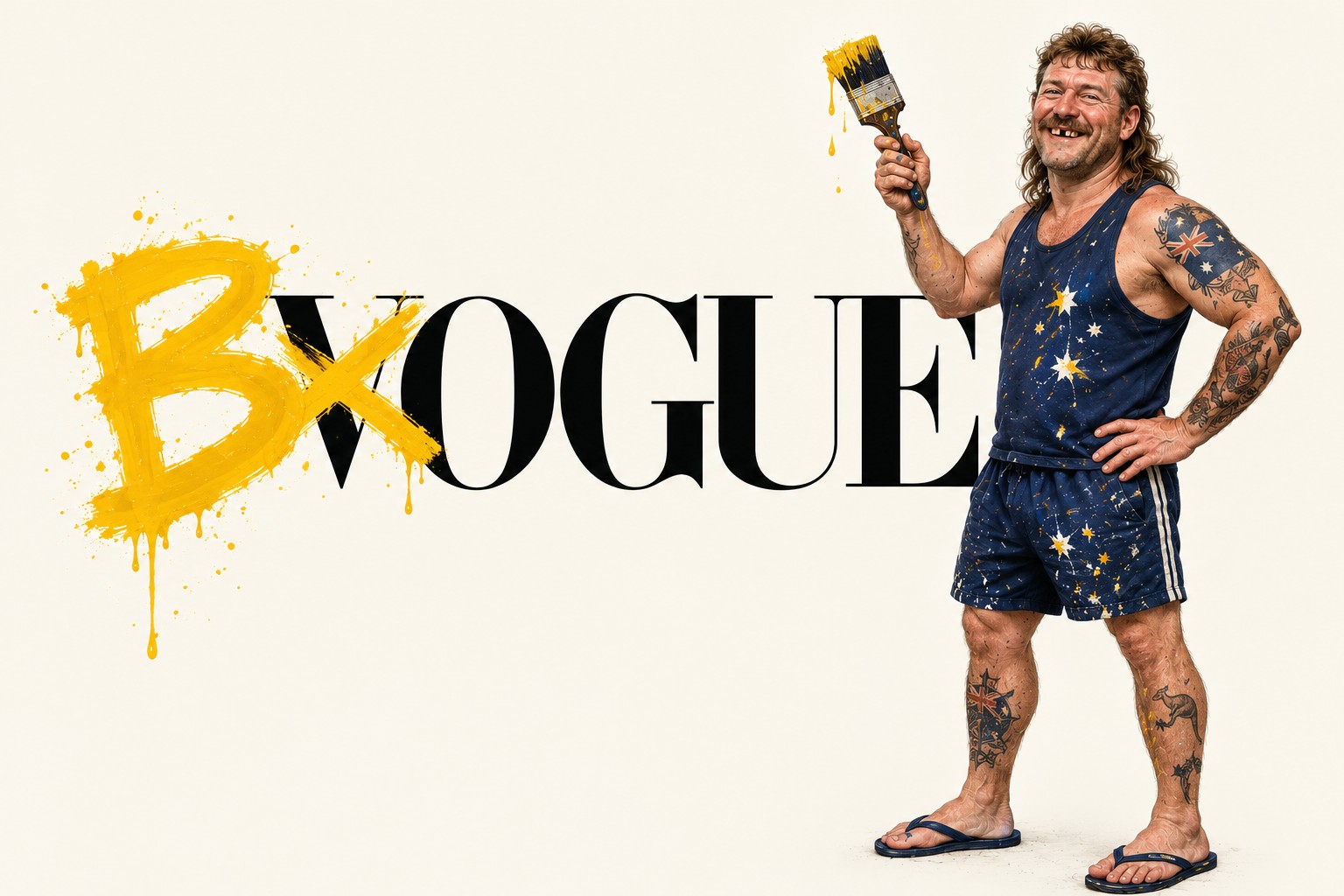
いったい「ボーガン」って何者なのか?

ここがちょっとややこしい。

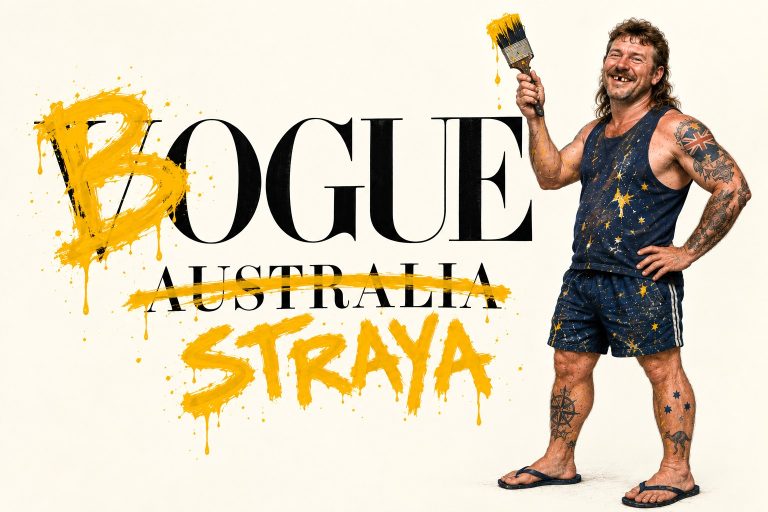
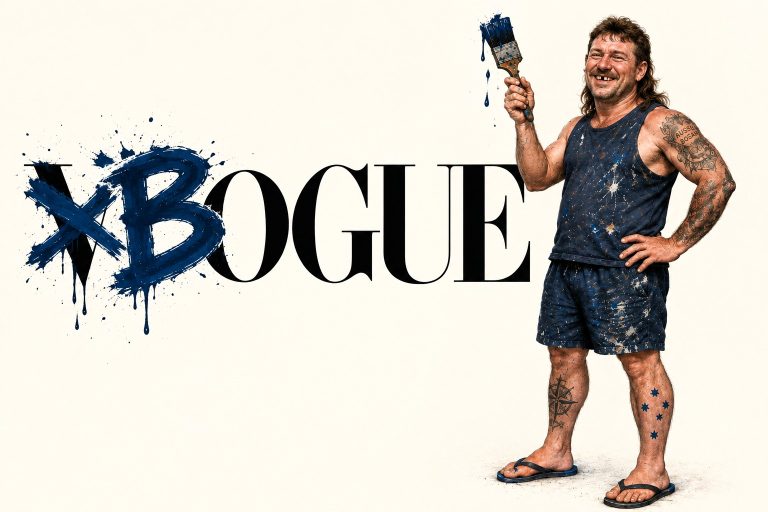
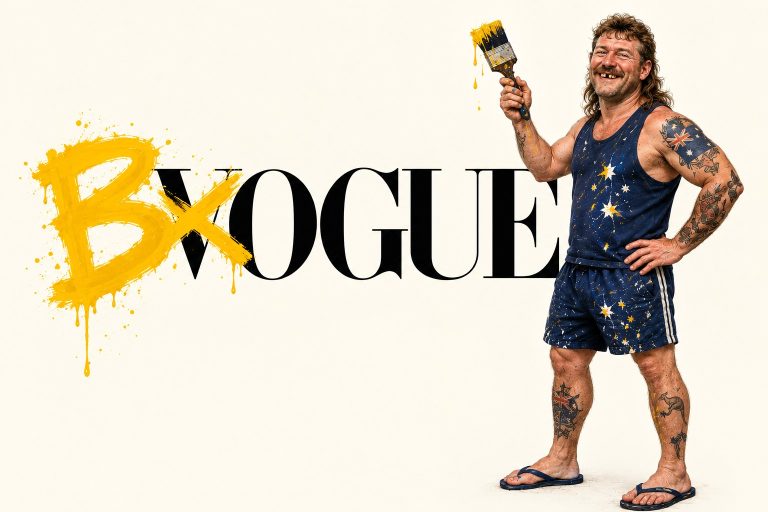
まず、みんなが思い浮かべる“典型的ボーガン像”はこんな感じだ。マレットヘア+ネルシャツ(フランノ)+タンクトップ+黒ジーンズ/ショーツ+ブーツかビーチサンダル+タトゥー+ビール+ユート(軽トラ的なやつ)+爆音ミュージック。

このイメージがあまりにも強烈だから、 自分はボーガンじゃないと思ってる人でさえ、 「はいはい、あの感じね」と即理解できる。

でも、最近の研究では“本当の定義”はそこじゃないと言われている。ボーガン=低所得層 ……ではない。

お金持ちでもボーガンになれる。高学歴でもボーガンになれる。バリバリのプロフェッショナルでもボーガンになれる。大学卒で年収6桁の人が「CUB(Cashed-Up Bogan=金持ちボーガン)」と呼ばれることもあるくらい。このCUBの登場はかなり重要で、“貧しい=ボーガン”というイメージを完全にぶち壊した。

より正確な区別は、経済力よりも文化的なセンス(カルチャー・キャピタル)にあるらしい。つまり、ざっくり言うとこうだ。お金はあっても、センスがあるとは限らない。

そしてオーストラリアは、このギャップをネタにしてめちゃくちゃ楽しんでいる国でもある。
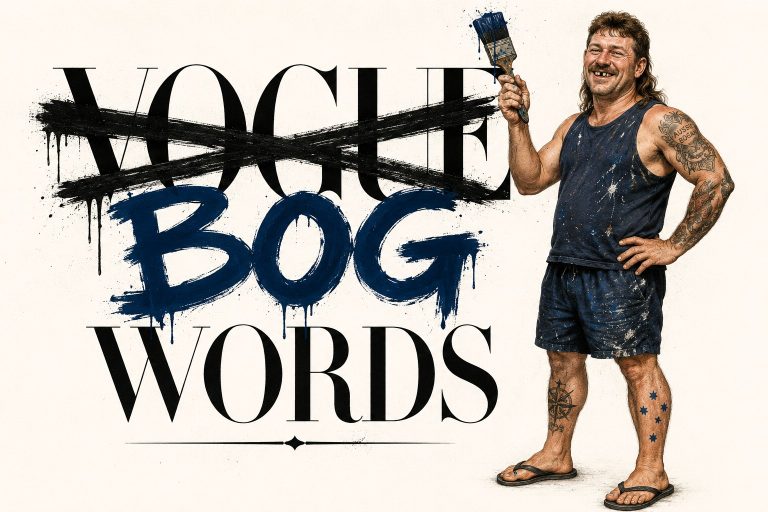
Cop A Gander At These Rippers Too...

  • Bog Words And The Goldmine Of Bogan Language

    Bogan culture generates an astonishing amount of linguistic creativity. The fact that Australians can keep attaching suffixes to bogan is itself linguistically interesting. Researchers describe the word as unusually productive in Australian English. And then there is bogan pronunciation. The stereotype exaggerates features of Australian English: fishing → fishin’going → goin’mate → maaate The dropping of final consonants, broad vowels, swearing and exaggerated informality become part of the performance of bogan identity.

  • 車こそ、ボーガン文化最大の“アートフォーム”

    もし「ボーガン文化が本気でサブカル化する領域をひとつ選べ」と言われたら、 迷わず 車 と答える。 特にこんなラインナップが“ボーガン美学”のど真ん中だ。 オーストラリアは、 ホールデン vs フォードのライバル関係を軸にした“労働者階級カー文化” を独自に発展させてきた。 その中でも特に重要なのが—— ユート(ute)はボーガン文化の“万能シンボル” ユートはオーストラリアで特別な存在だ。 同時にこういう役割を持つ。 つまり、 ユート1台で人生の全部をまかなえる という感覚がある。そして忘れてはいけないのが、 オーストラリア特有の存在。 フーン(hoon)という現象 フーンとは、 “車を使ってやんちゃなことをする人”のこと。 などがセットになっている。 フーンとボーガンは完全に同じではないけれど、 重なりまくっている。ボーガン文化の“車の章”を語るとき、 フーンはほぼ必ず登場するキャラクターだ。

  • The Dark Side Of The Bogan

    It would be a mistake to romanticise the phenomenon completely. “Bogan” can be profoundly classist. It can function as a respectable-sounding way of insulting: And stereotypes associated with bogan culture can also include: But these aren’t inherent characteristics of every person labelled bogan. That’s precisely why the term is so slippery. One academic analysis calls “bogan” a “sticky sign” because it can simultaneously attract contempt, affection, identification and disidentification.

  • The Great Bogan Aesthetic

    The visual language is almost a complete design system. Hair The mullet is probably the supreme bogan symbol. Business at the front. Party at the back. And, increasingly, deliberate cultural signalling. The mullet has moved far beyond its original association with rough Australian masculinity and has become a self-conscious Australian cultural icon. Mullet competitions have become an actual spectacle, with categories such as “extreme”, “grubby”, “everyday” and “ranga”. There are even children’s mullet competitions in Australia in 2026. That is an extraordinary example of a hairstyle moving from social stigma → joke → nostalgia → fashion → identity. Clothing The classic wardrobe includes: But again, the interesting thing is that…

  • ボーガン・プライドという文化革命

    これは、ボーガン文化の中でも 最重要のターニングポイントと言っていい。 かつて「ボーガン」と呼ぶことは、ほぼこう言うのと同じだった。 「お前は俺より下の階層だ。」 ところが時代が進むにつれ、こんな返しが増えていく。 「そうだよ、ボーガンだけど?何か問題でも?」 これぞ、典型的な 文化的リクレイメーション(再所有)。 世界中で、侮蔑語だったアイデンティティが 当事者によって“誇り”へと変換される現象は起きている。 でもオーストラリアの ボーガン・プライド には、 オーストラリア特有の“味”がある。 それは、次の文化要素と深く重なるからだ。 つまり、 ボーガン・プライドは「普通の人」を祝福するオーストラリア的国民性と直結している。 言語学者ロズリン・ローワンは、 「ボーガンの肯定的再解釈は、オーストラリアのナショナリズムと “普通の人”を称える文化傾向と結びついている」 と指摘している。侮蔑語だったはずの言葉が、 国民的アイデンティティの一部へと昇格する。これこそ、ボーガン文化の最大の魅力であり、 オーストラリアらしい文化のひねりでもある。