Avian Flew

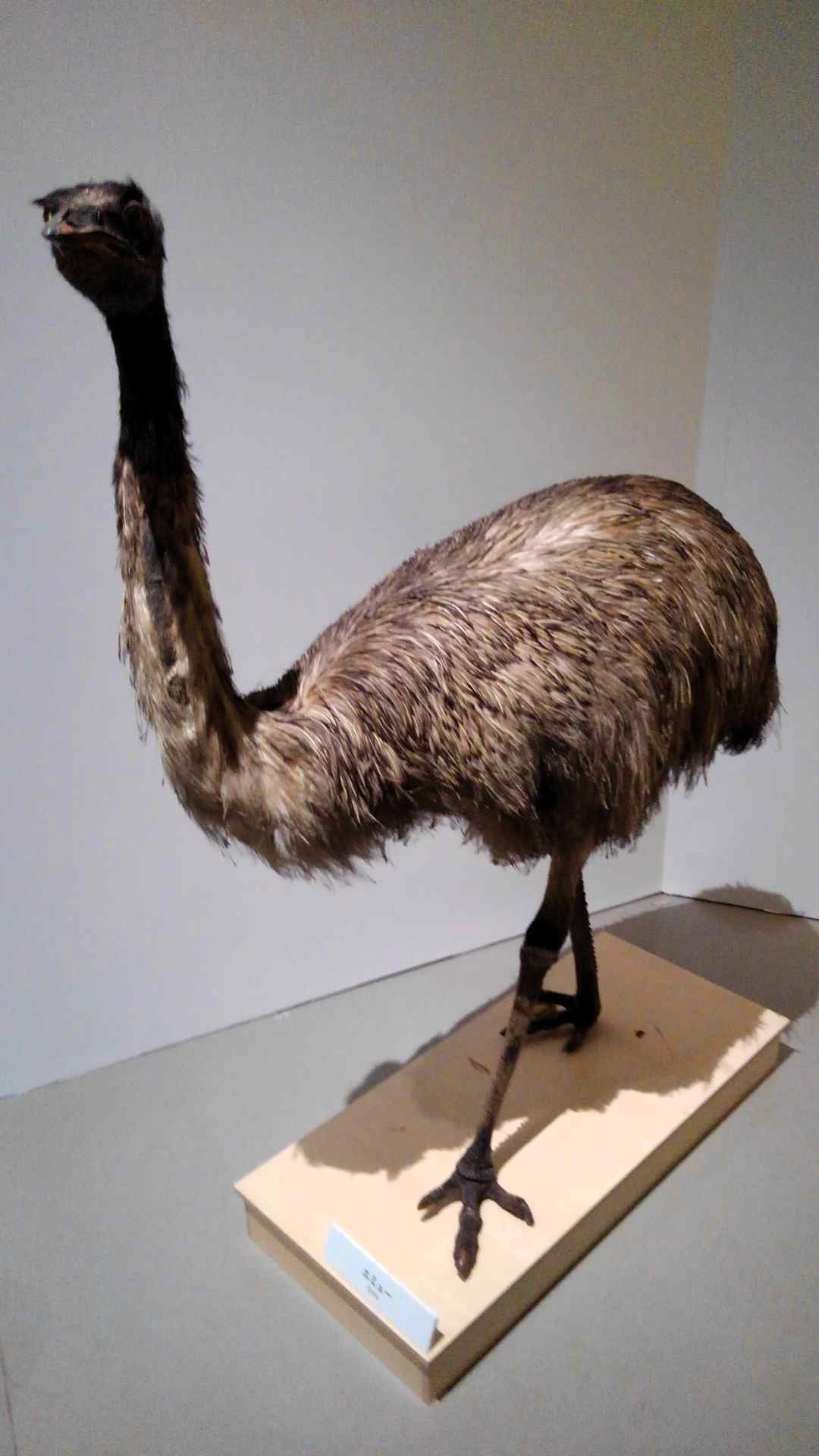
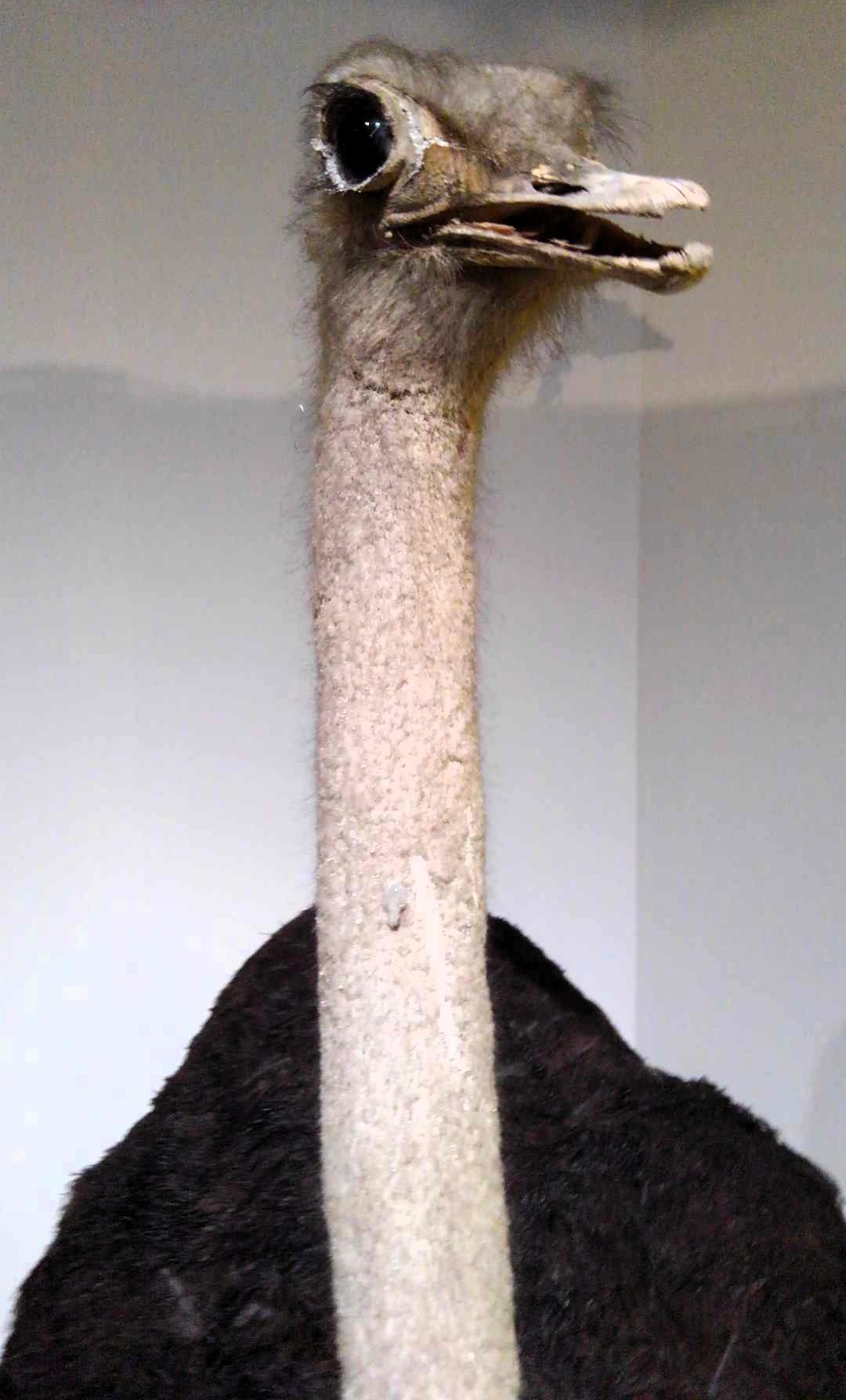
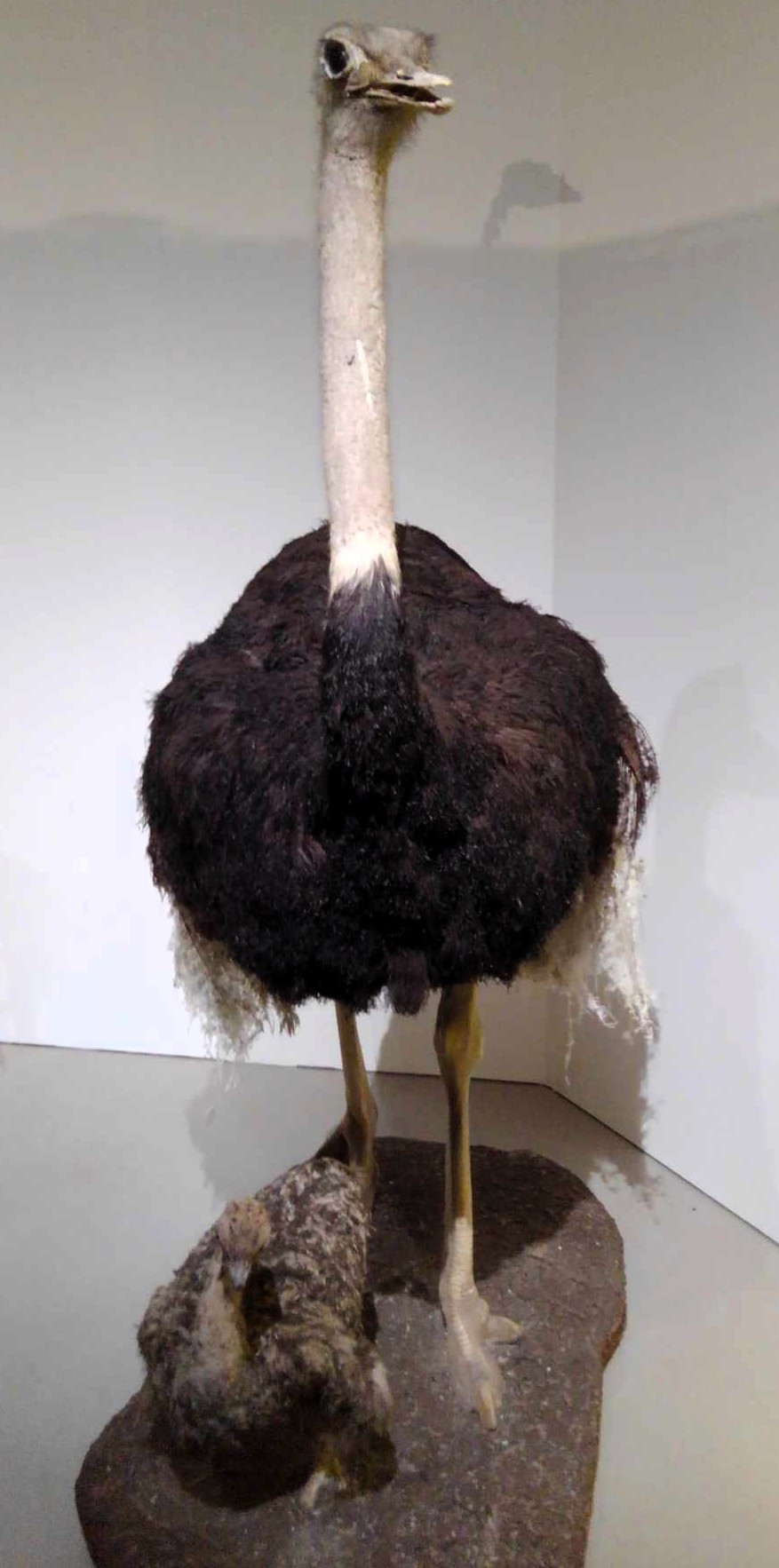
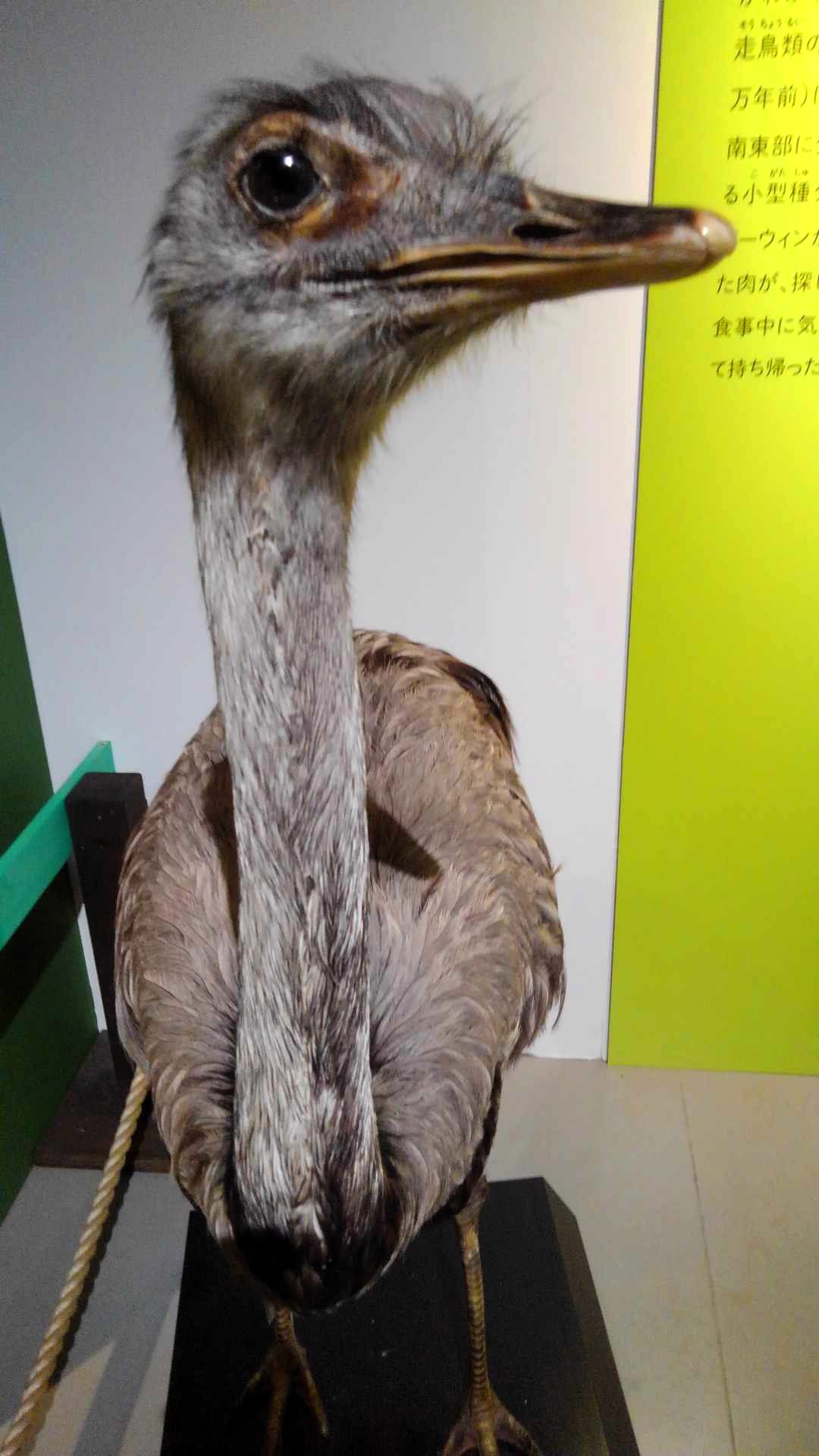
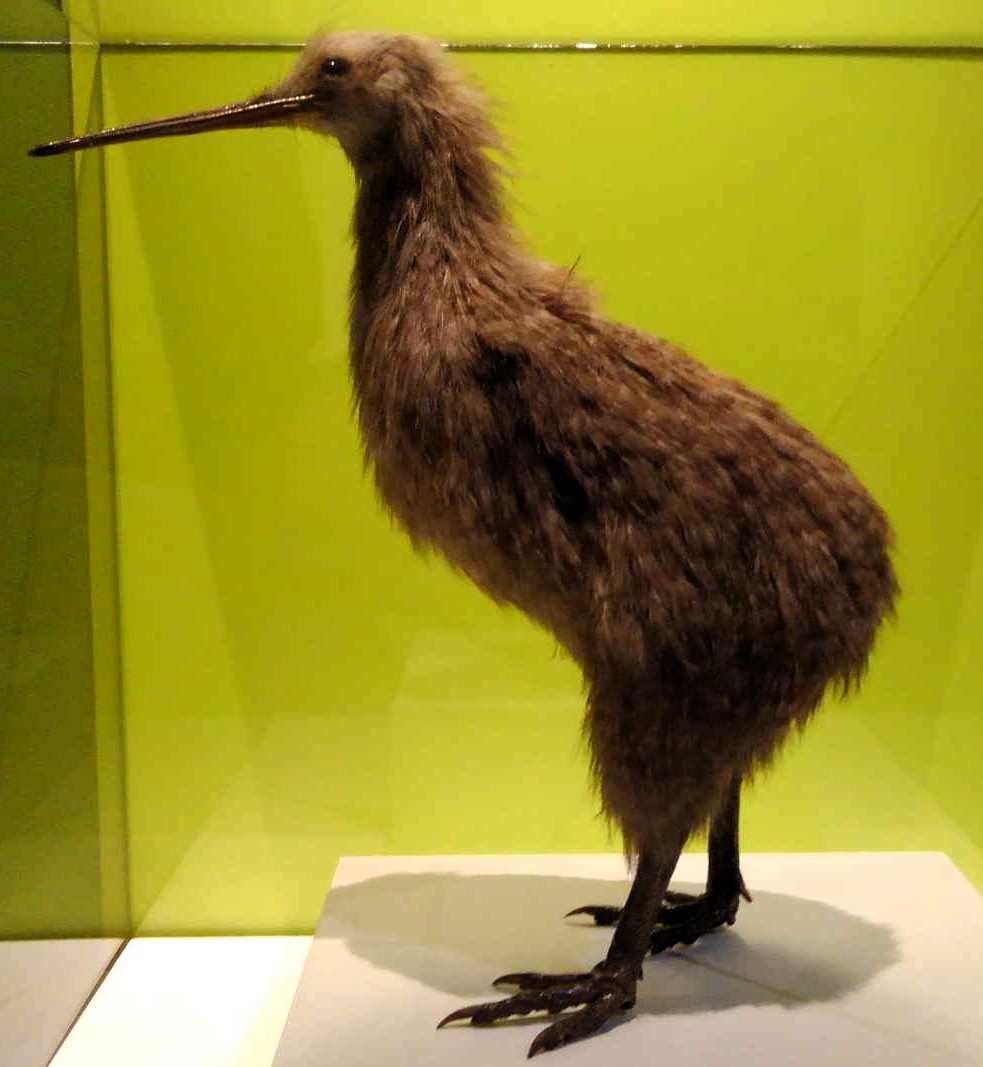
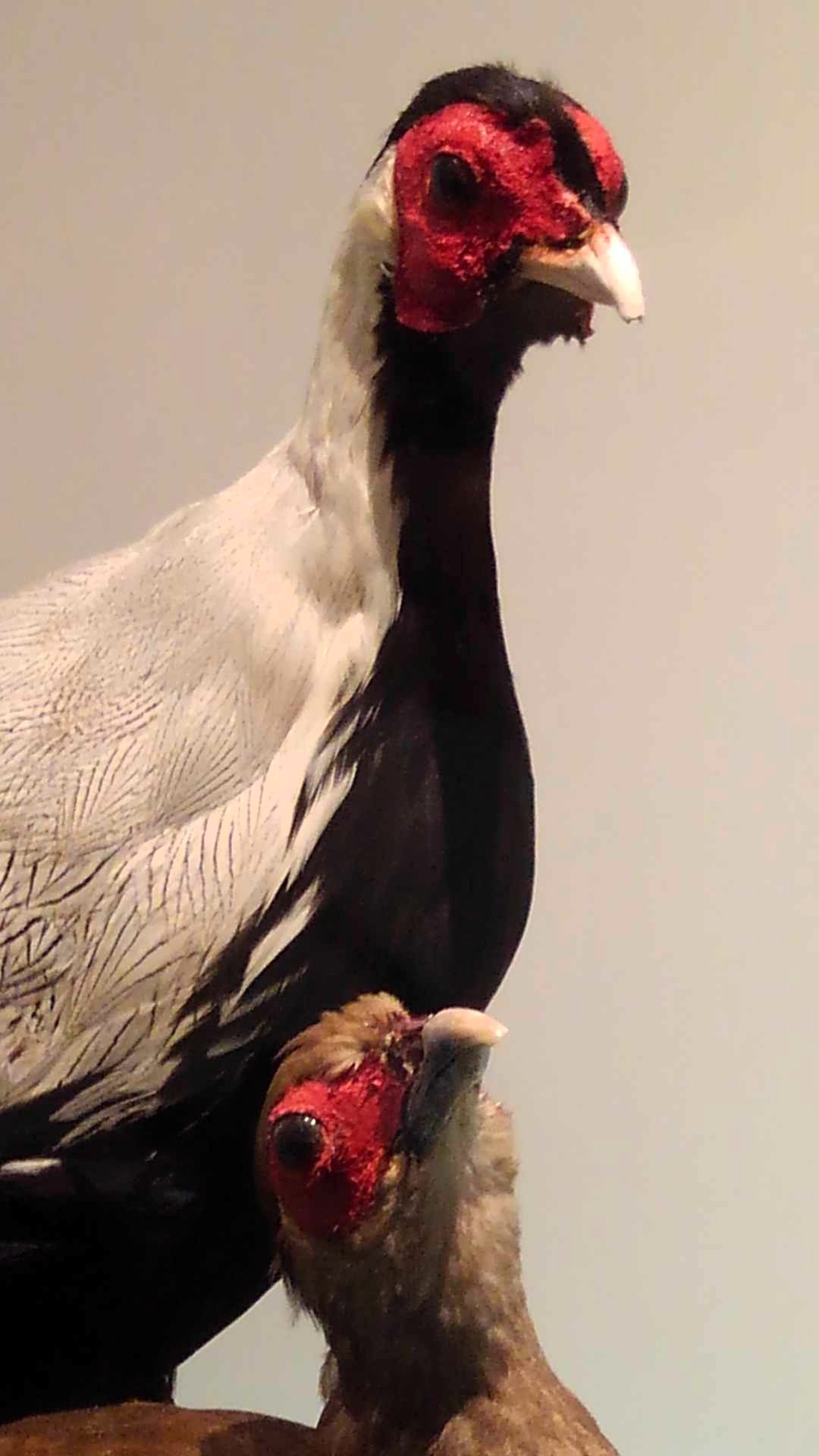
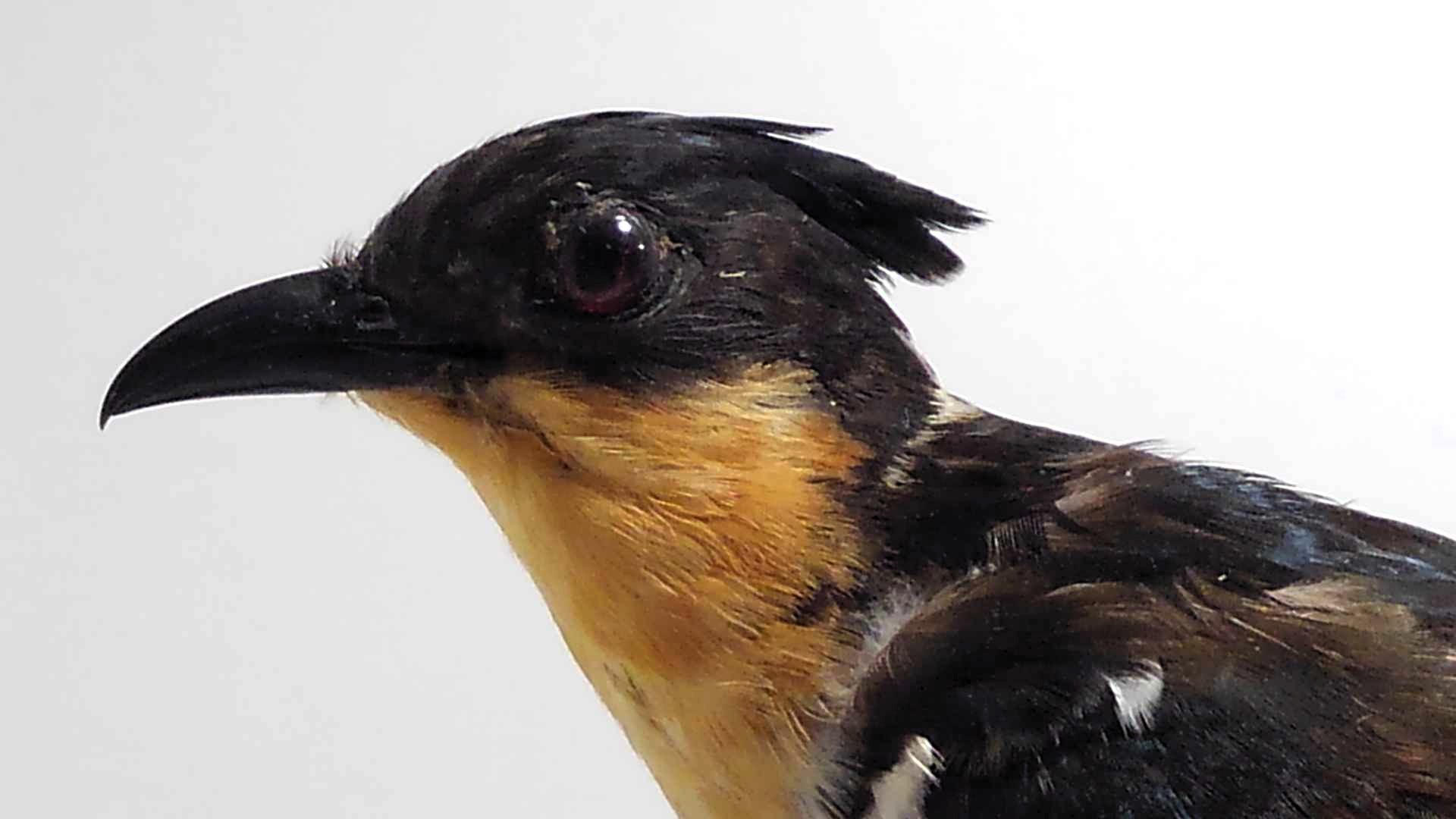
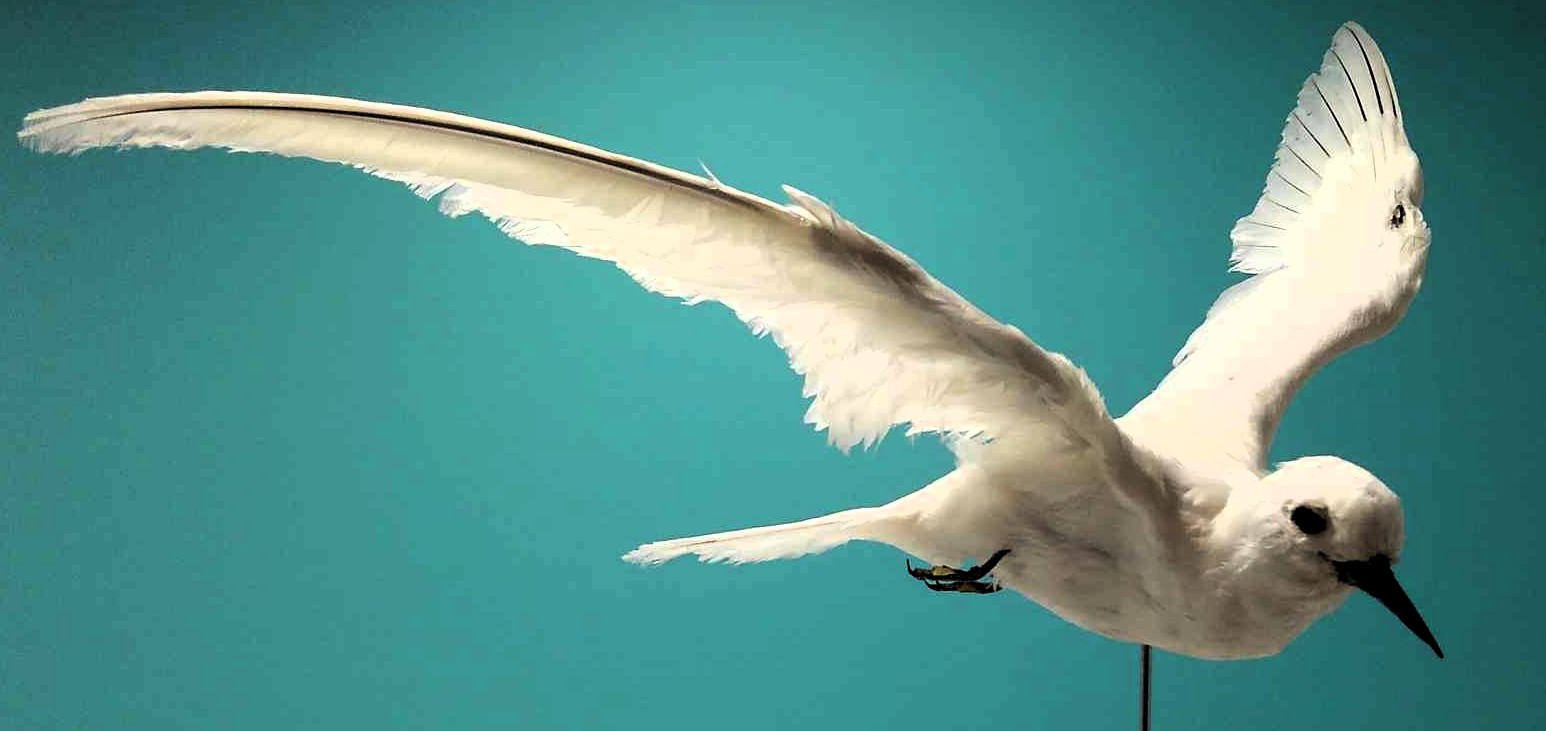
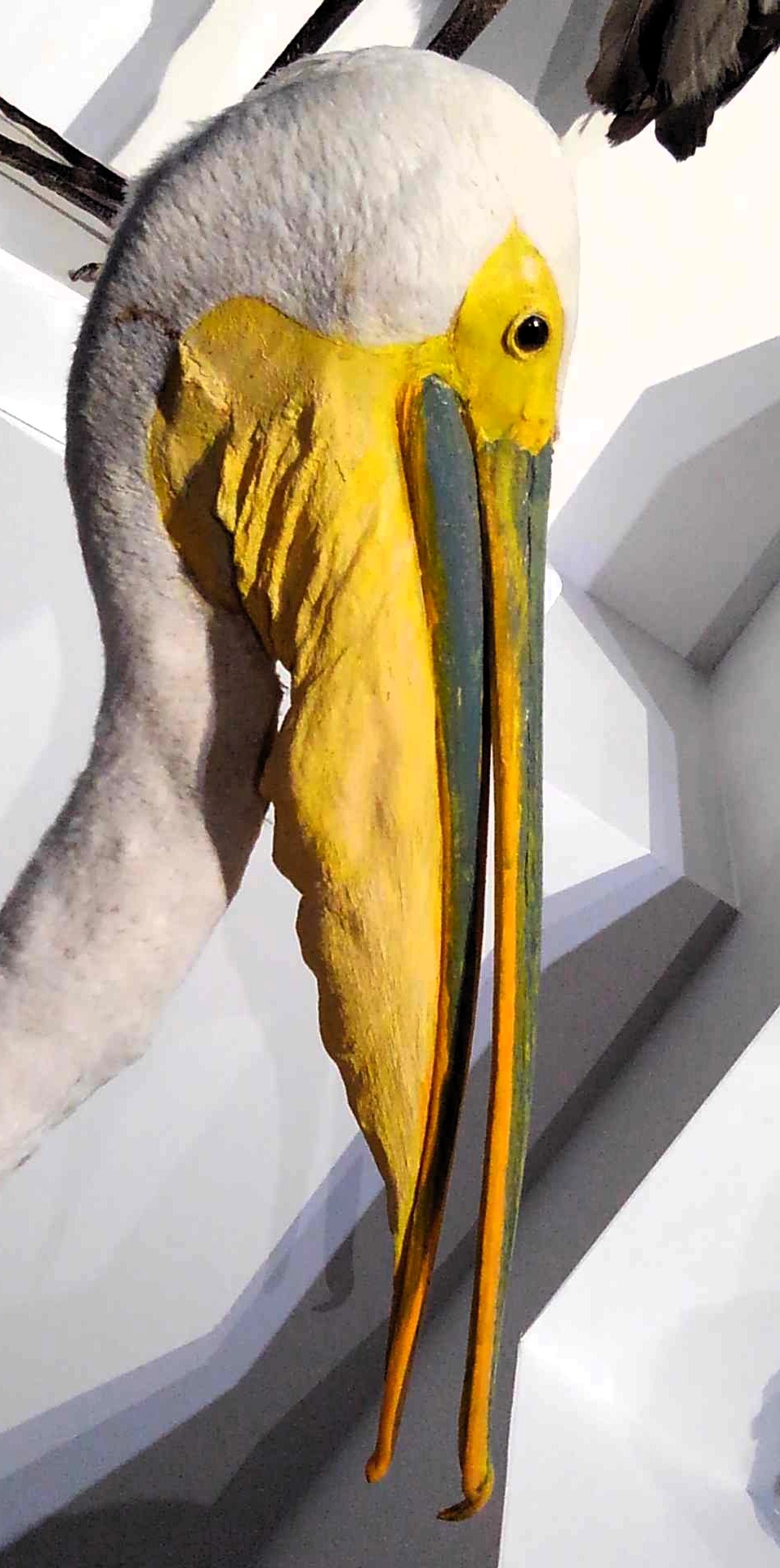
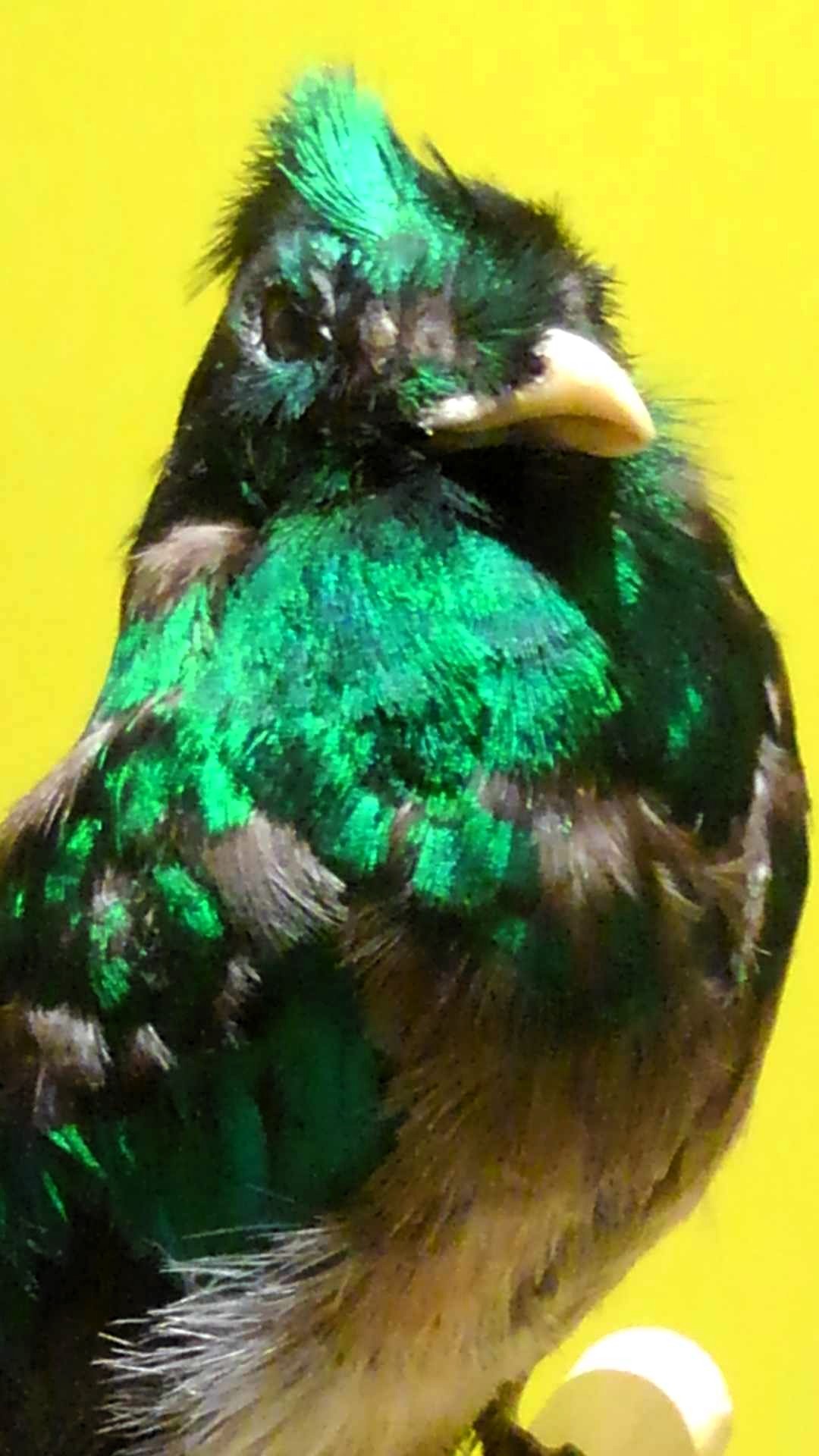
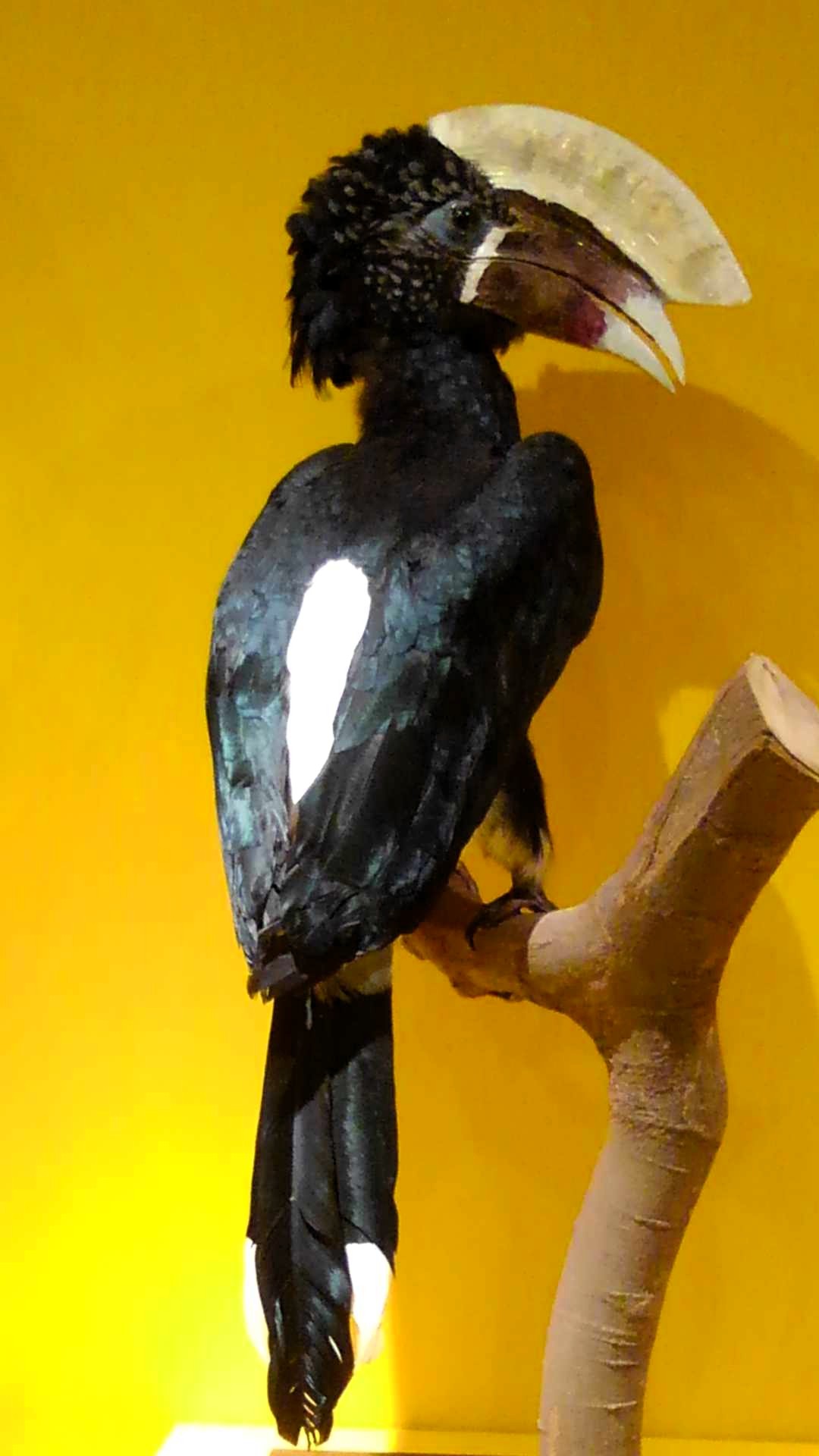
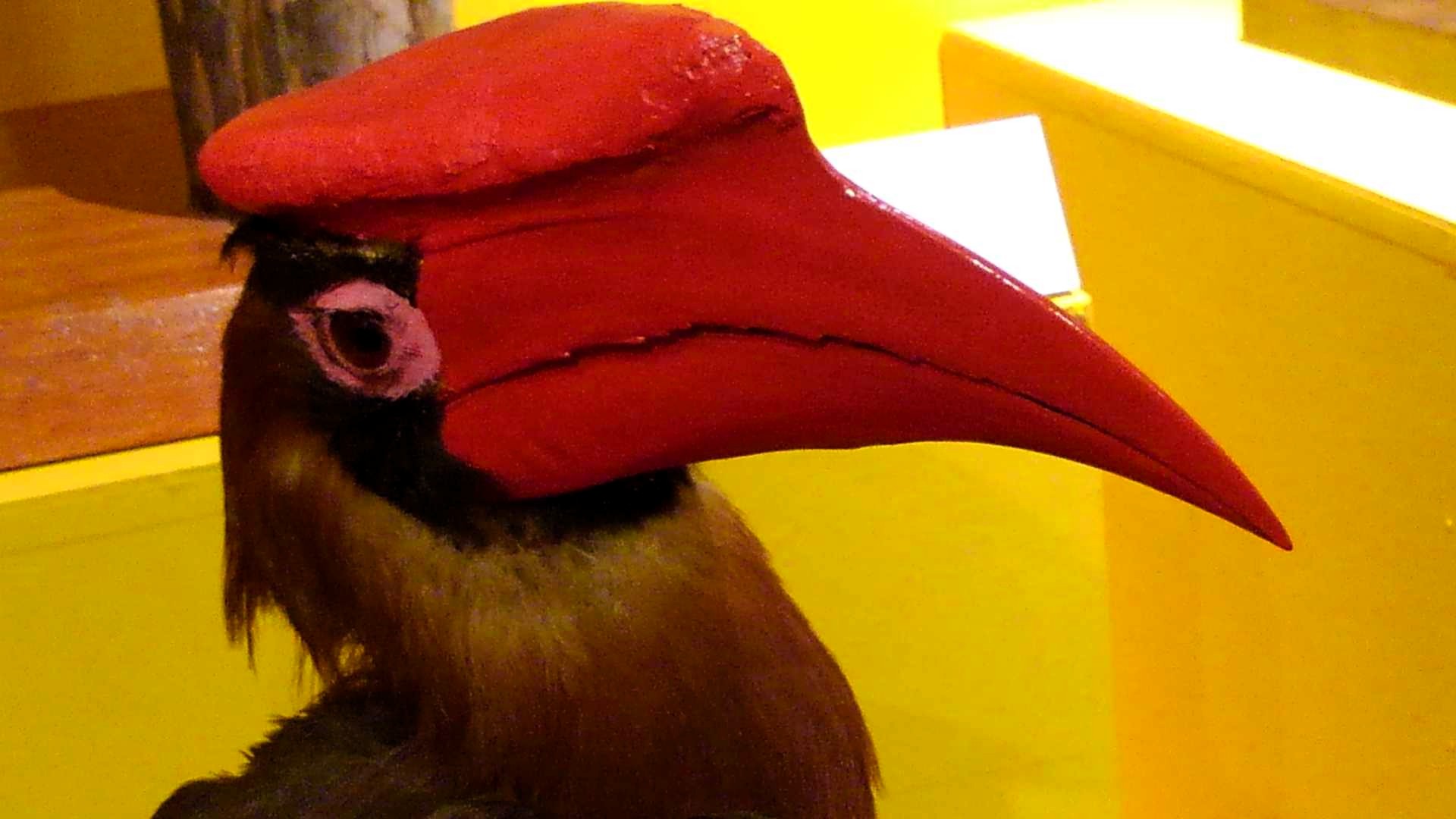
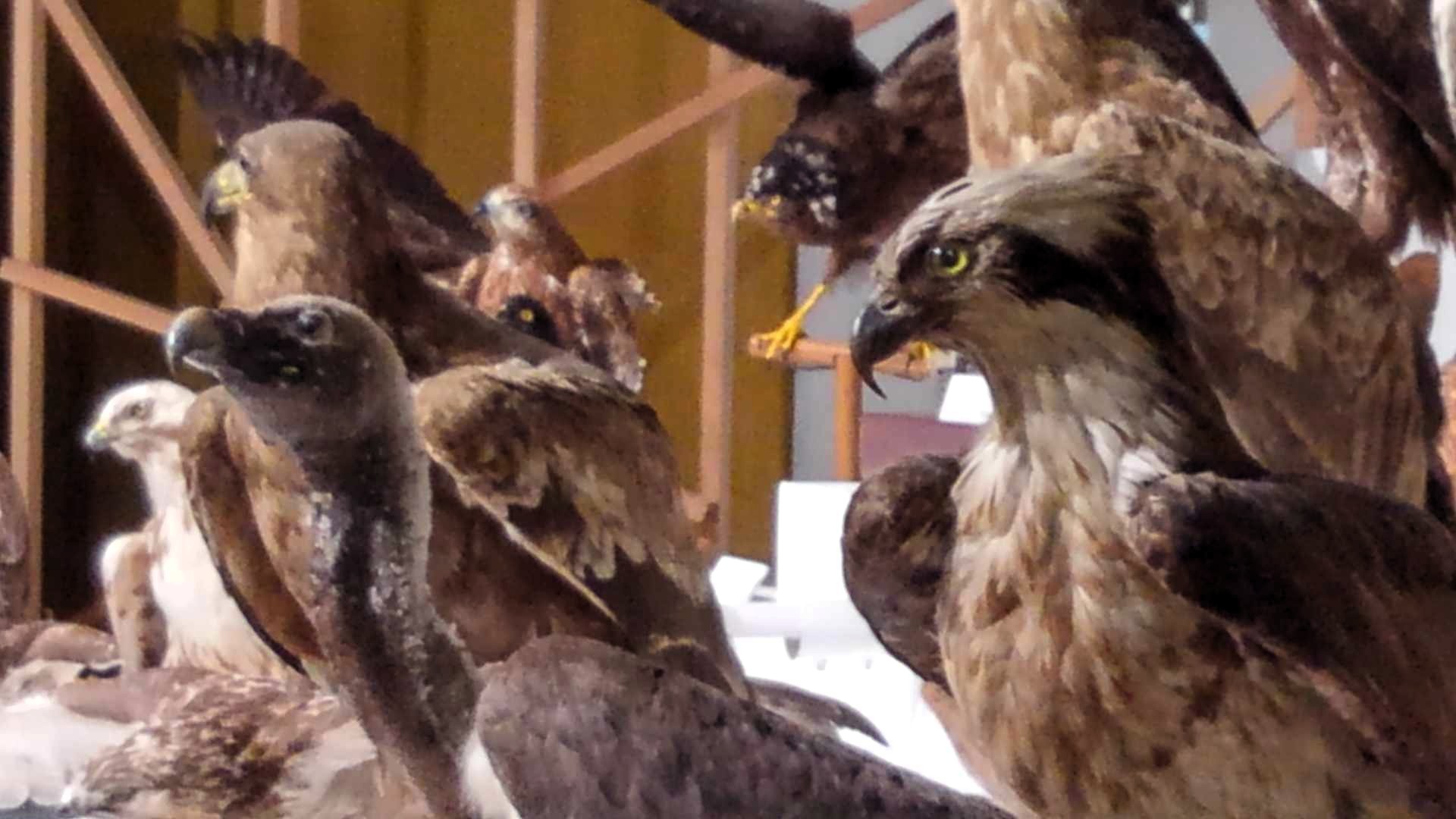
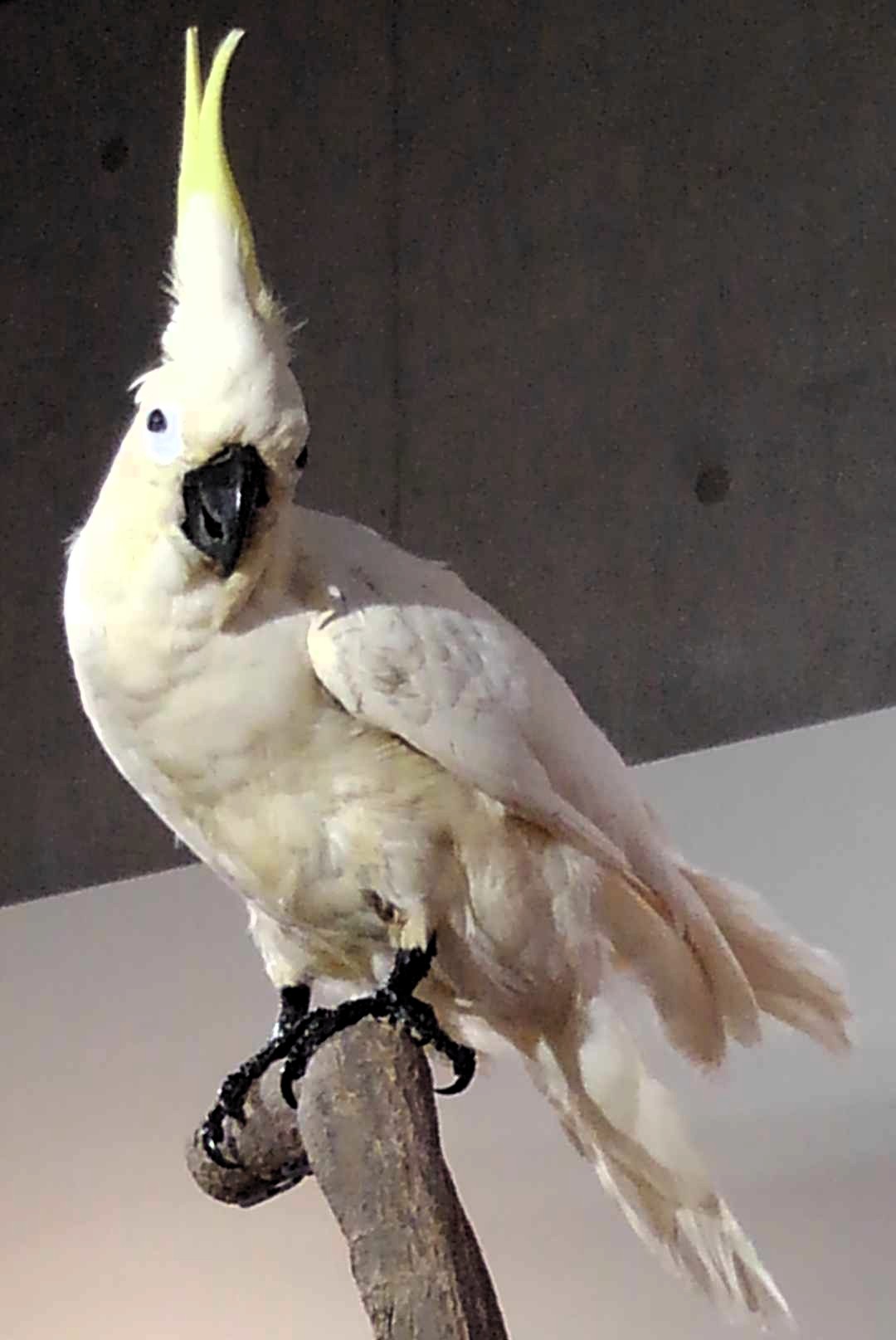
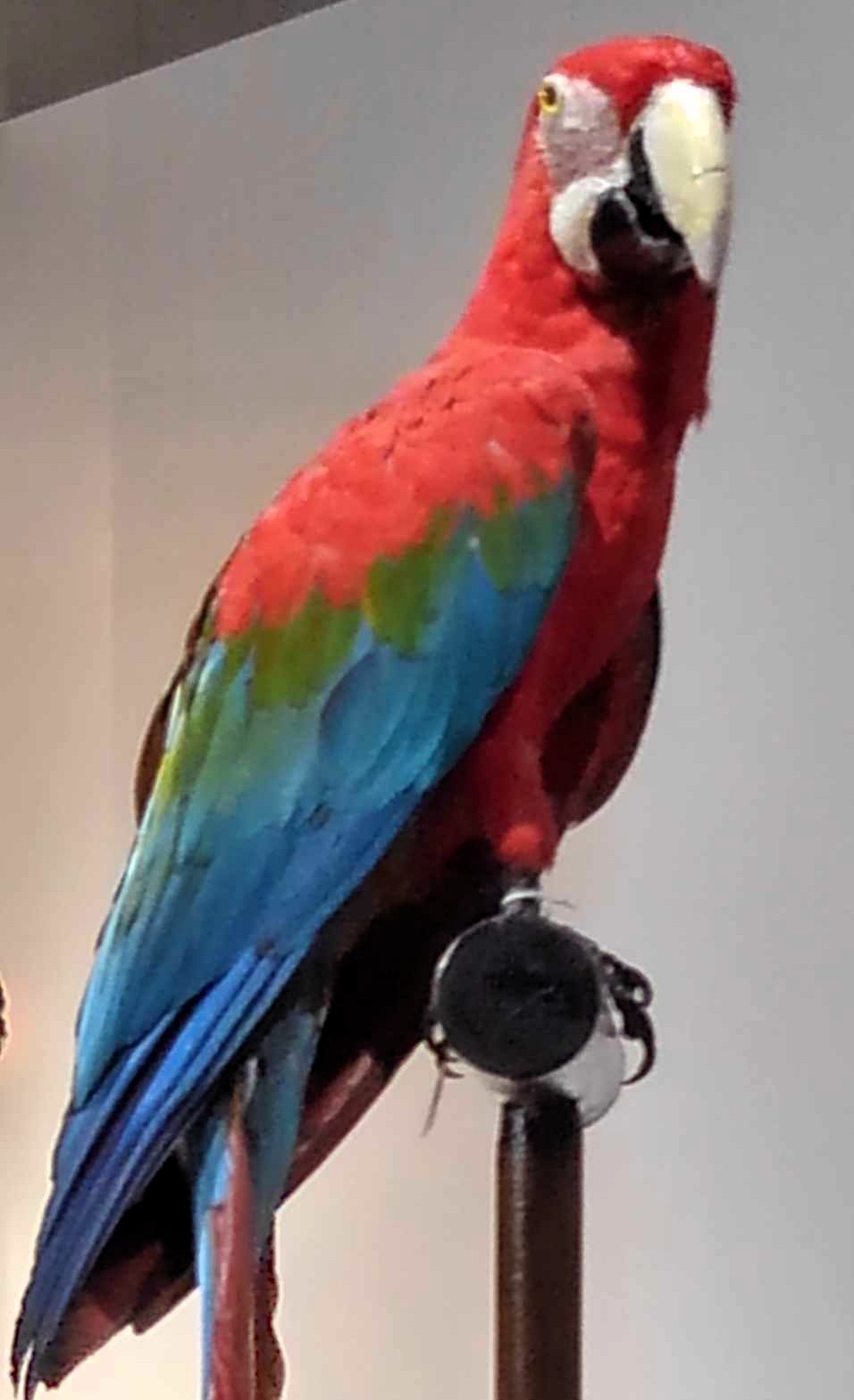
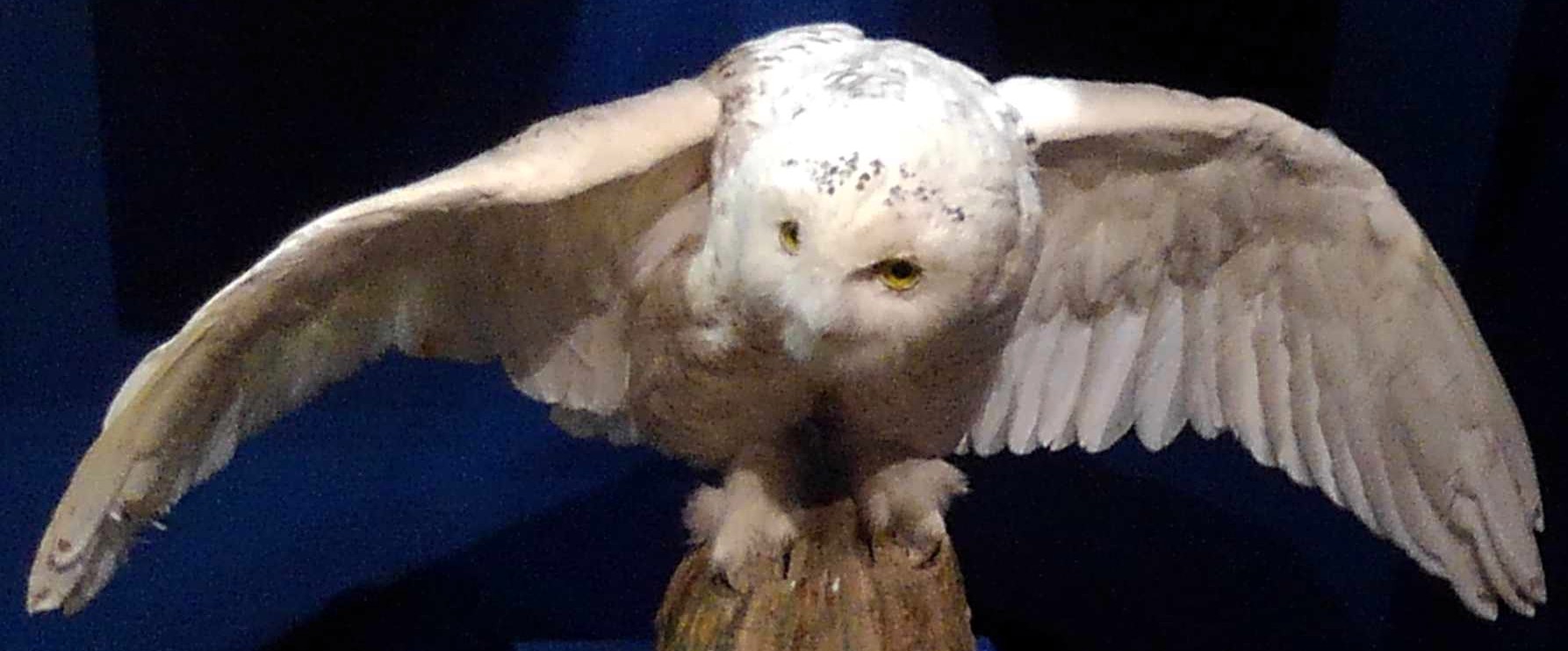
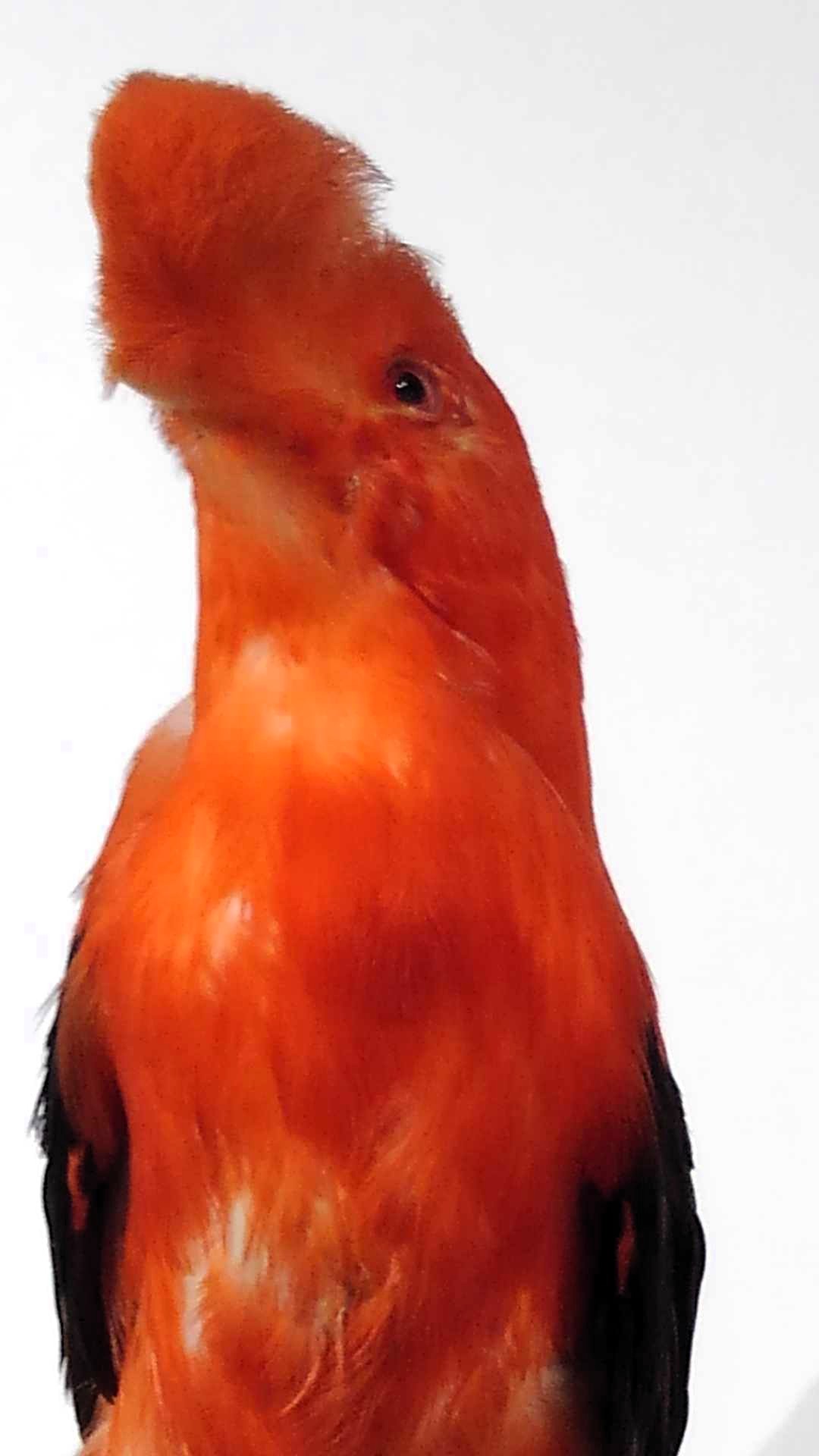
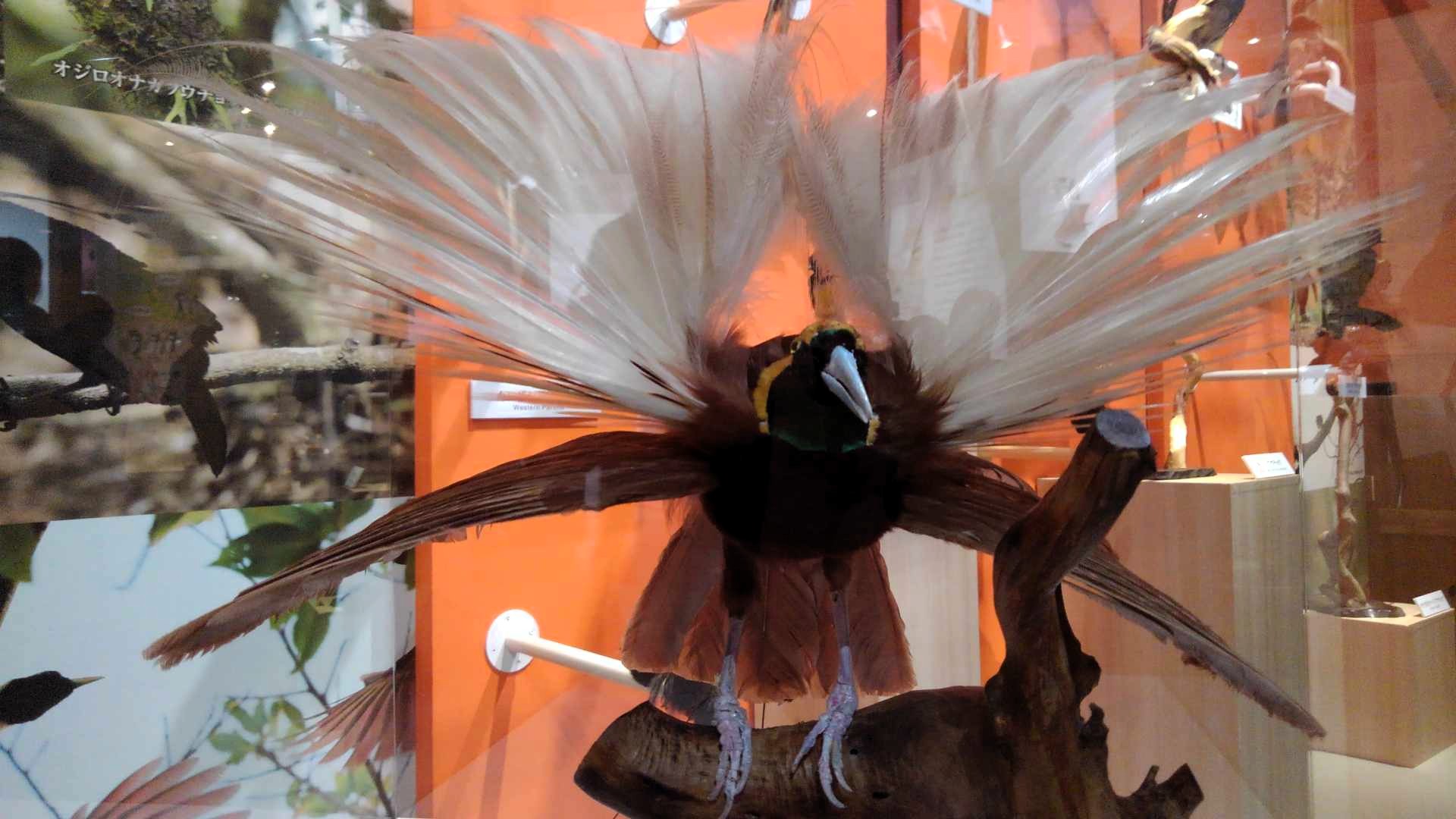
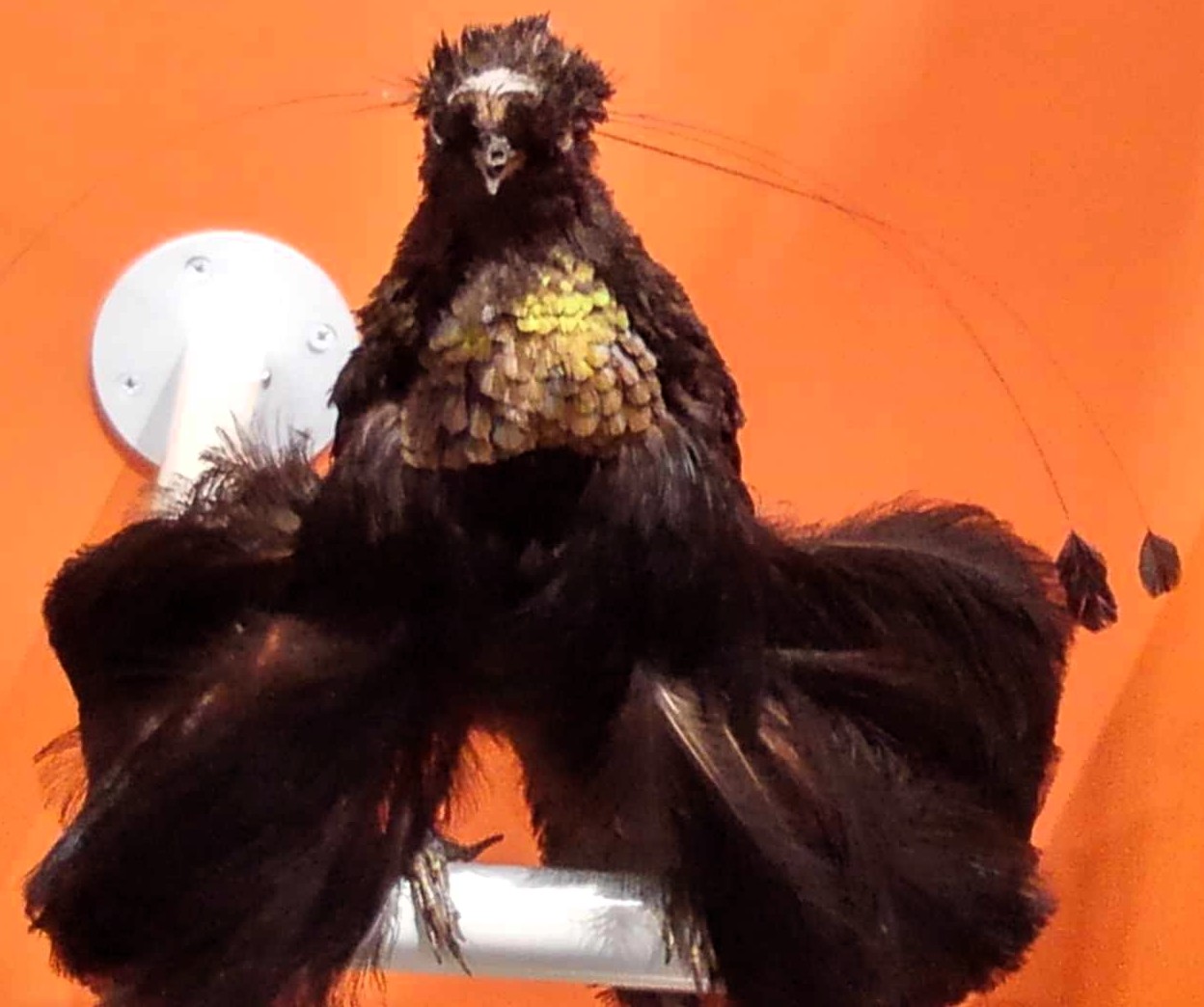
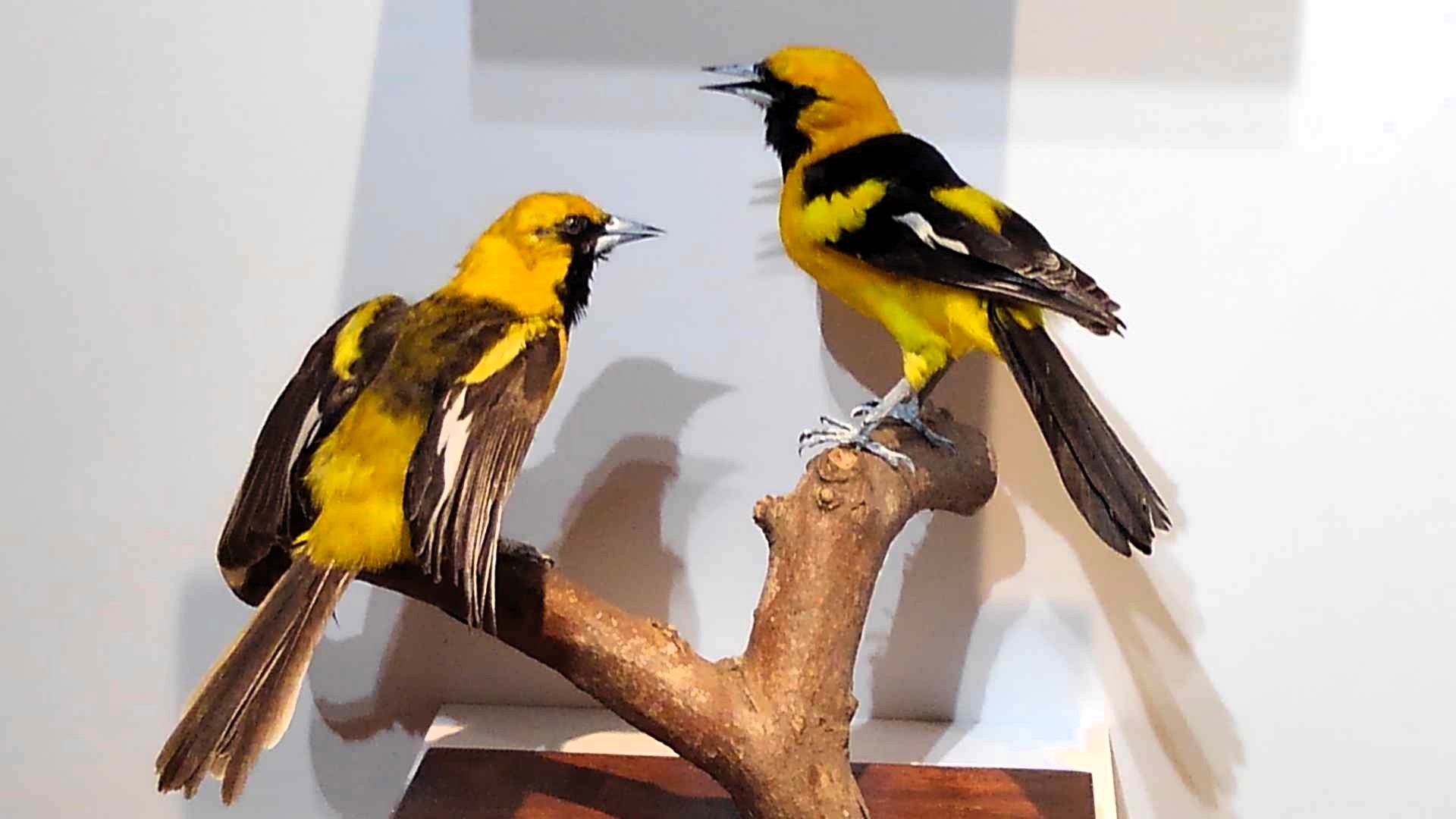
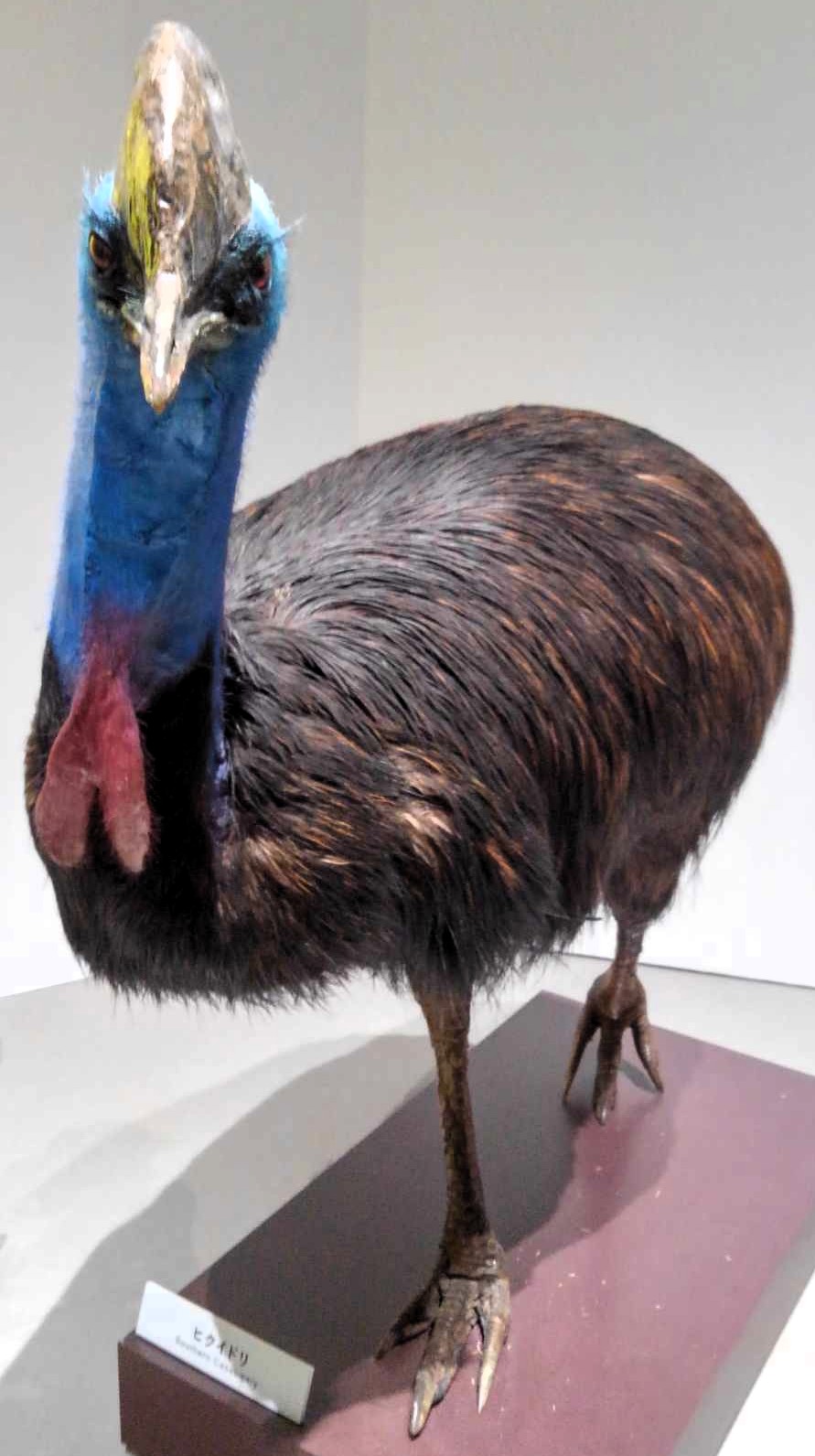
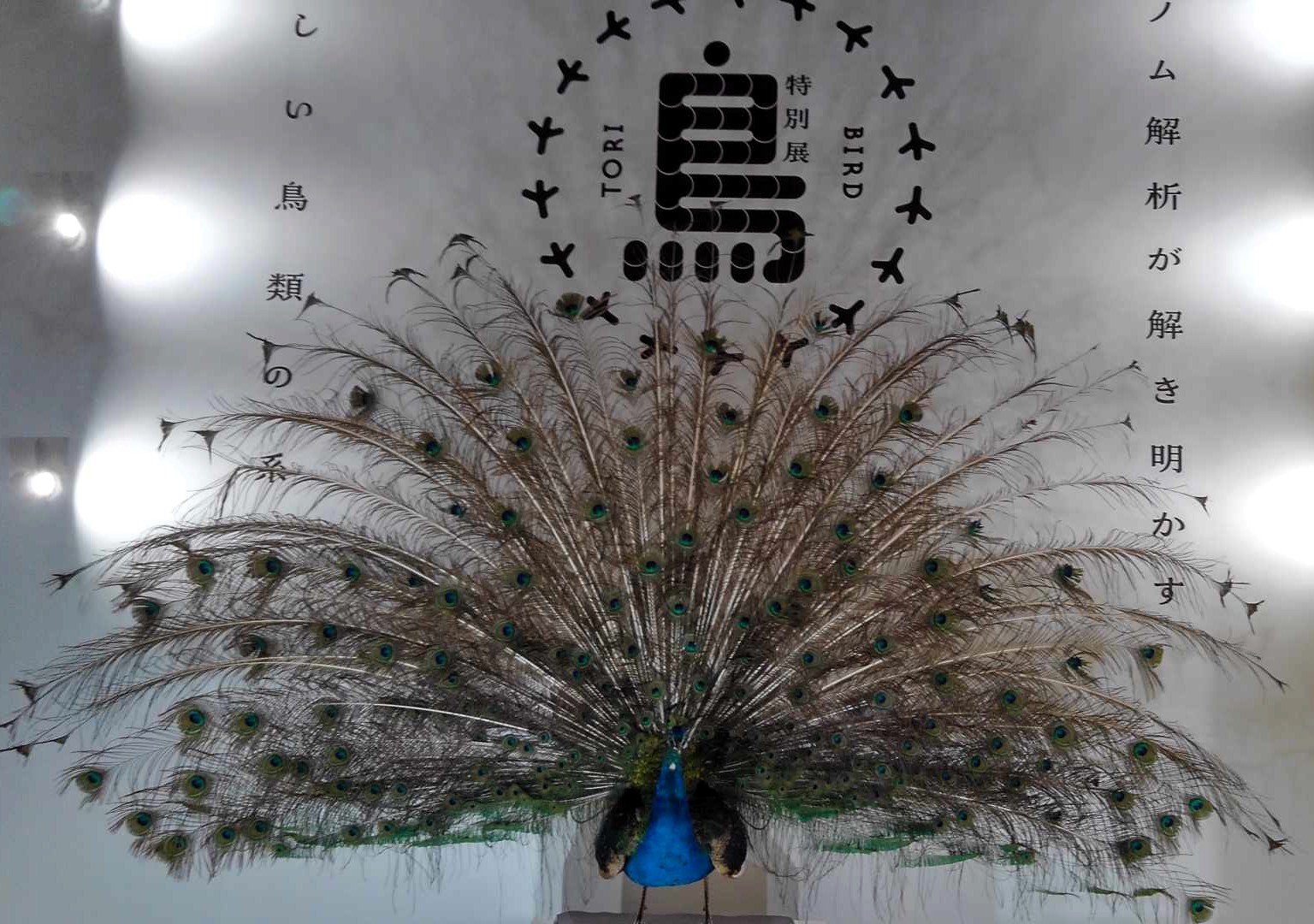
I got to make a flying visit to the “Bird” exhibition held at the National Museum of Nature and Science.
The exhibition traced birds’ roles in ecosystems, dating from their evolution from dinosaurs through to the important roles they play today.
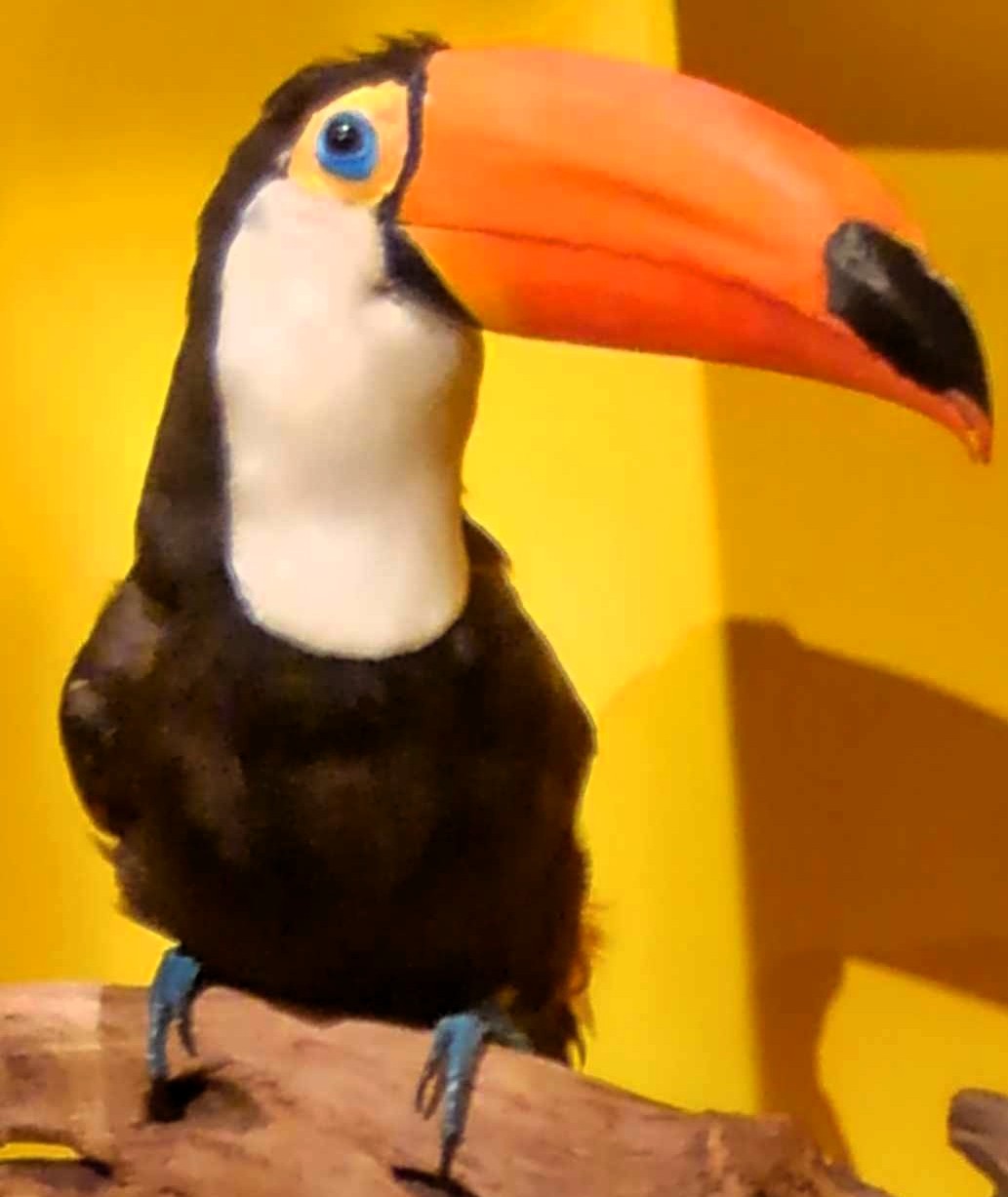
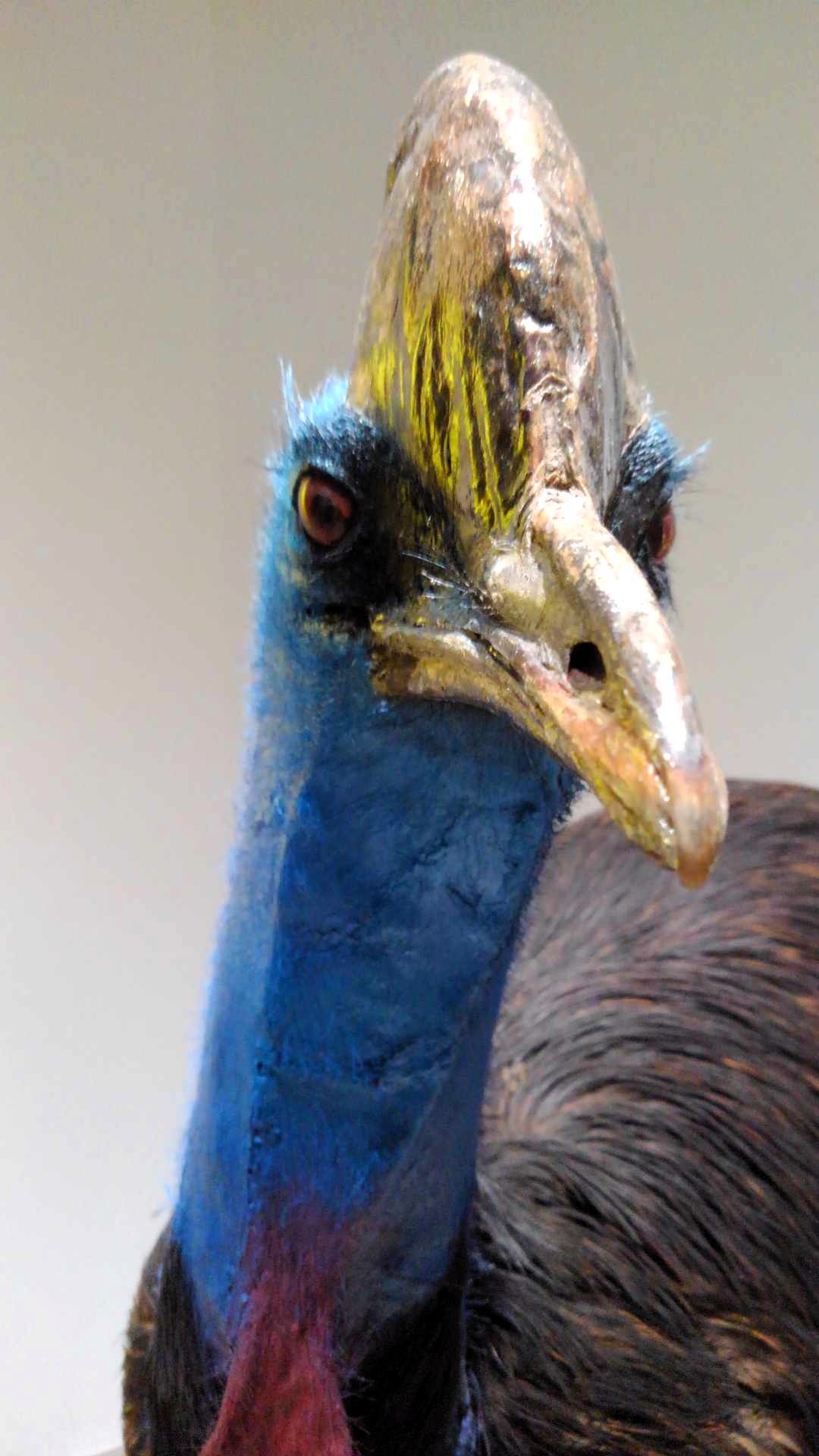
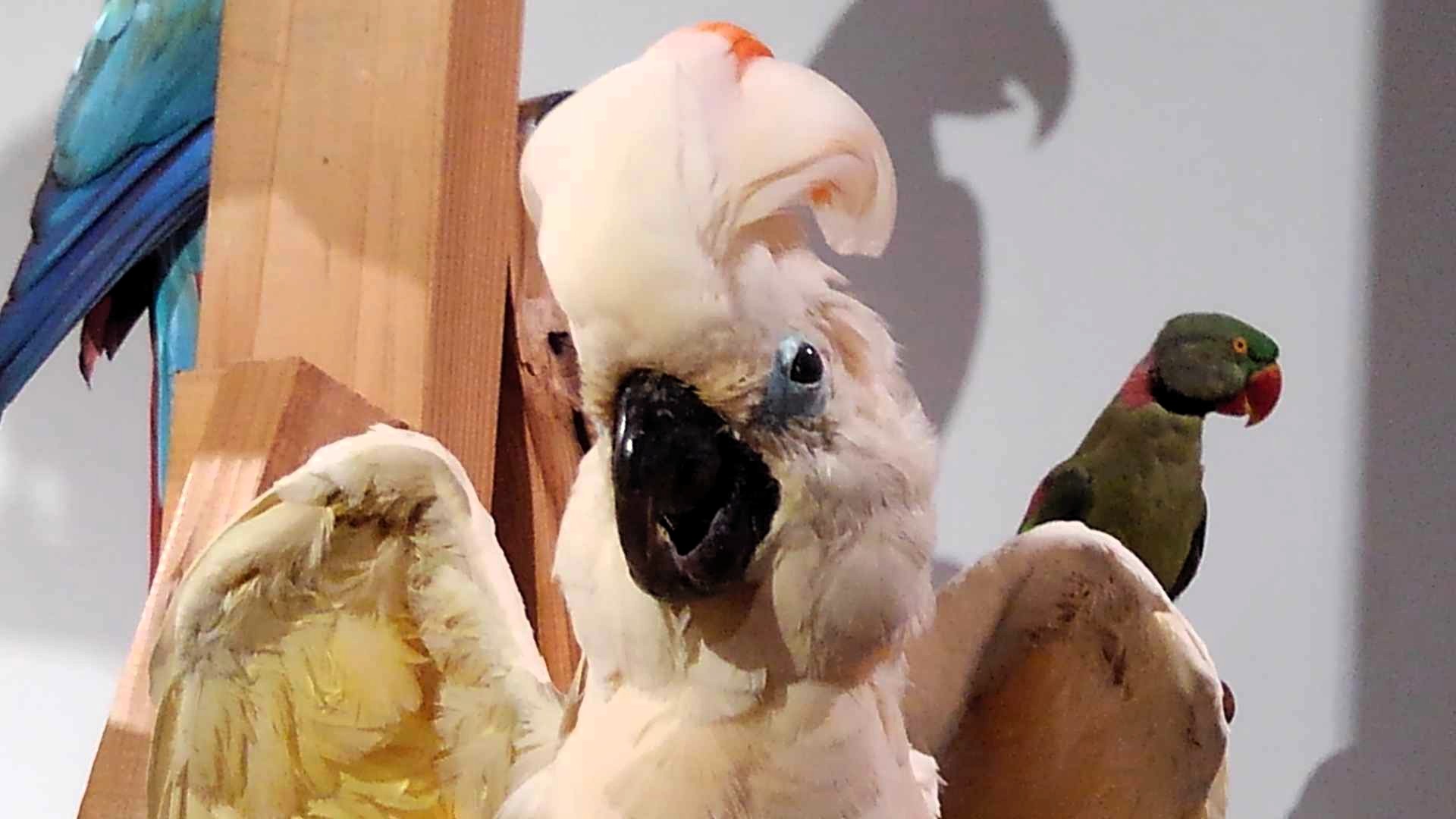
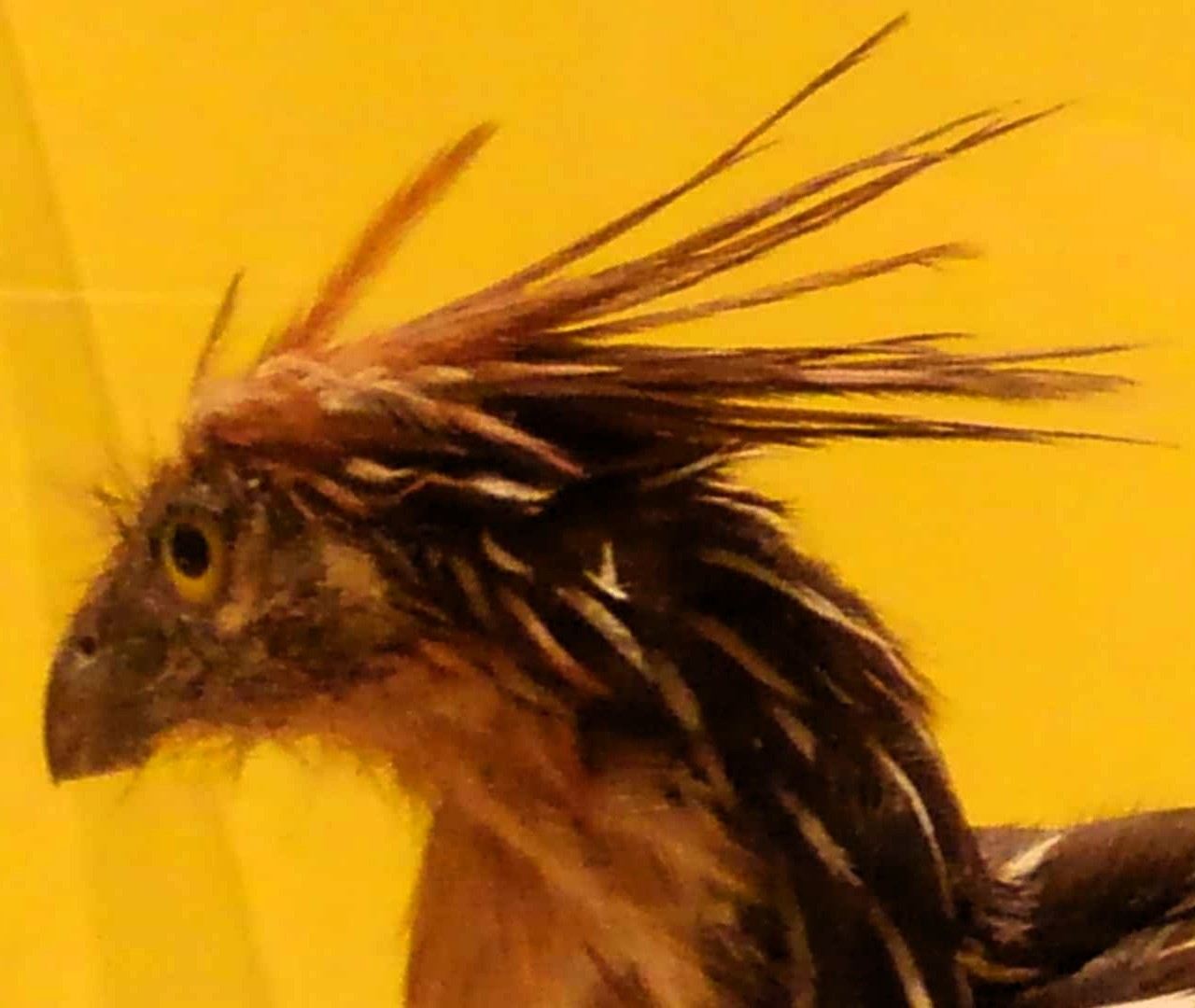
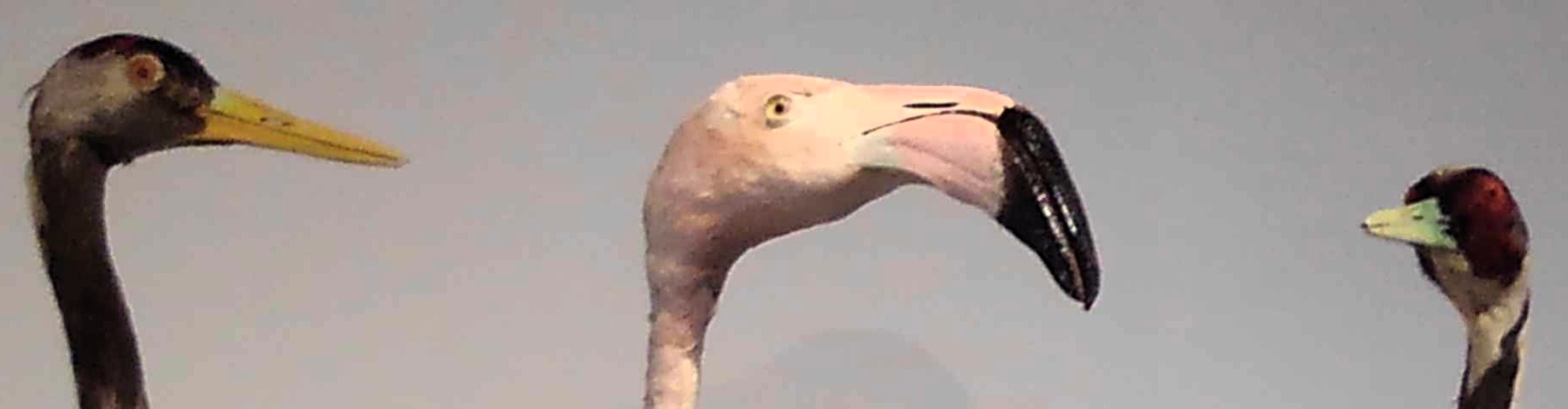
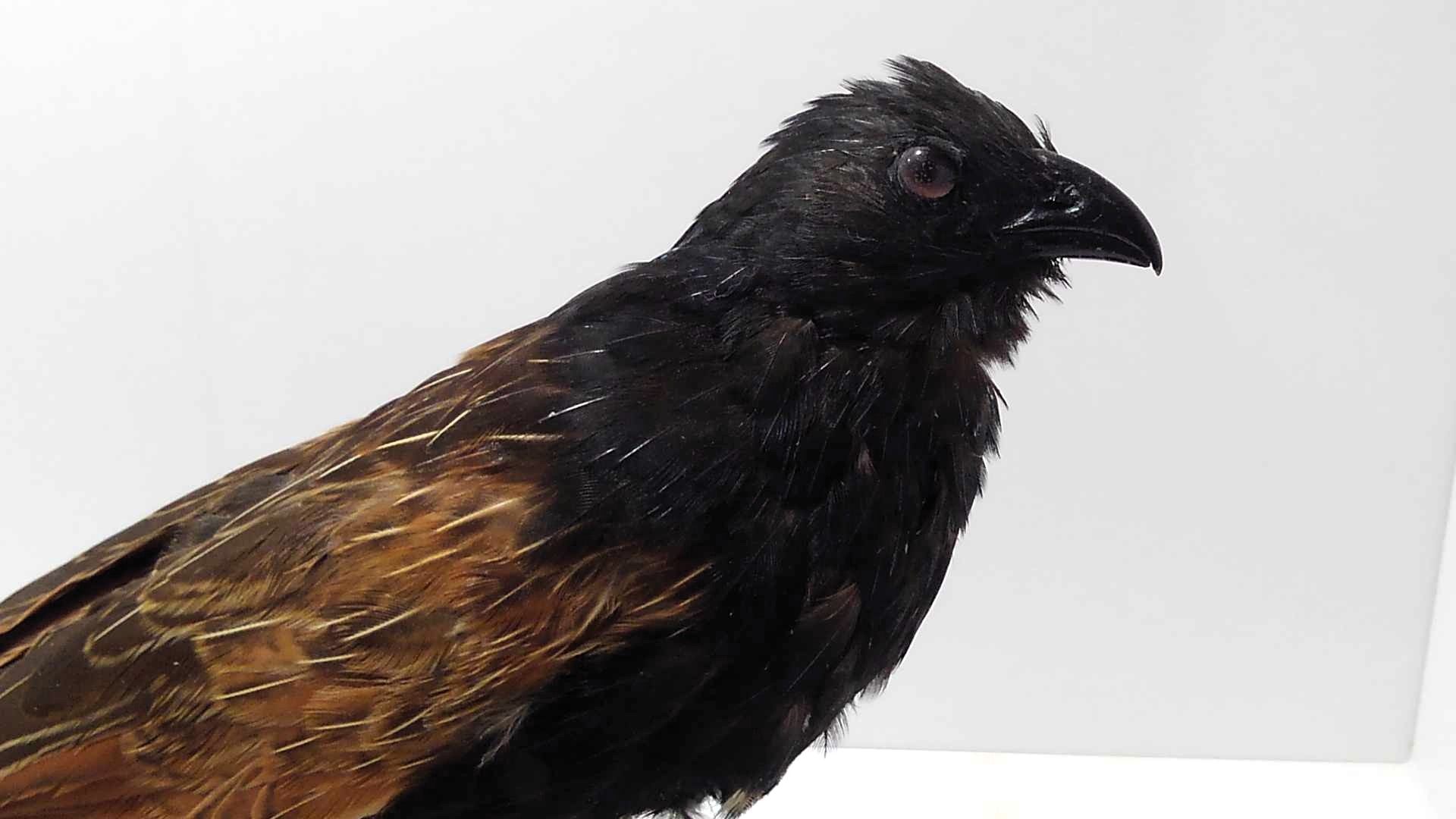
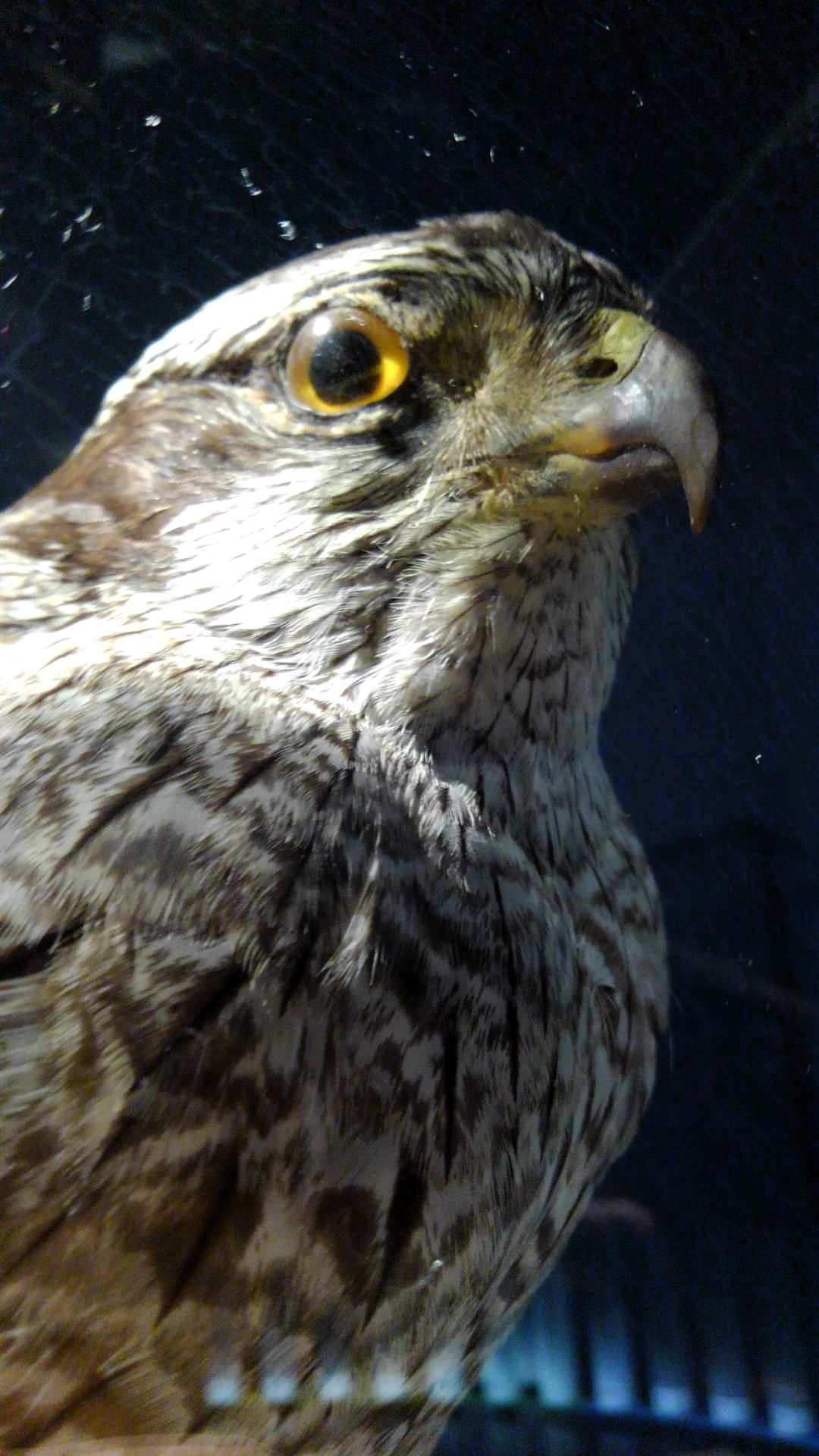
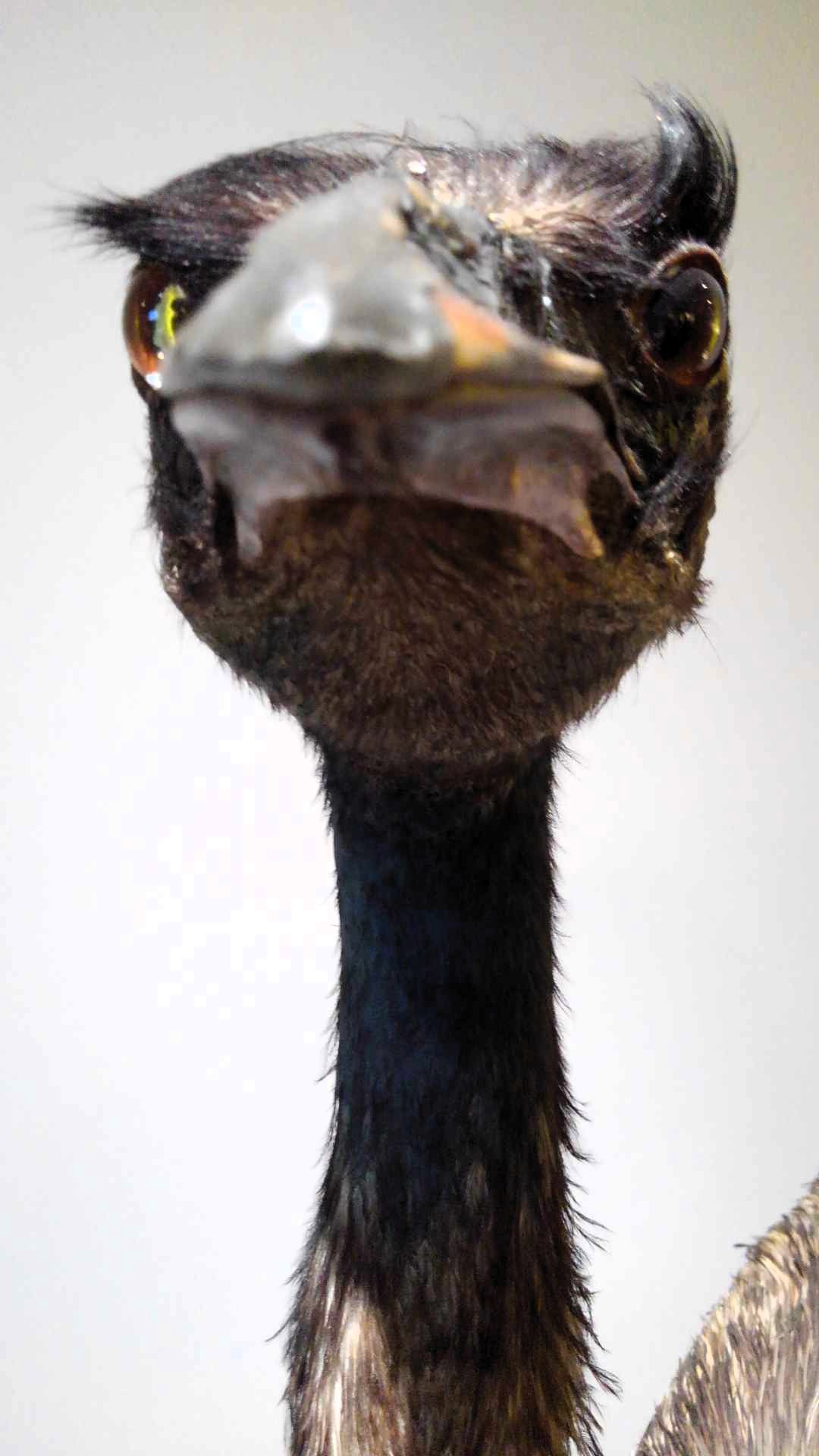
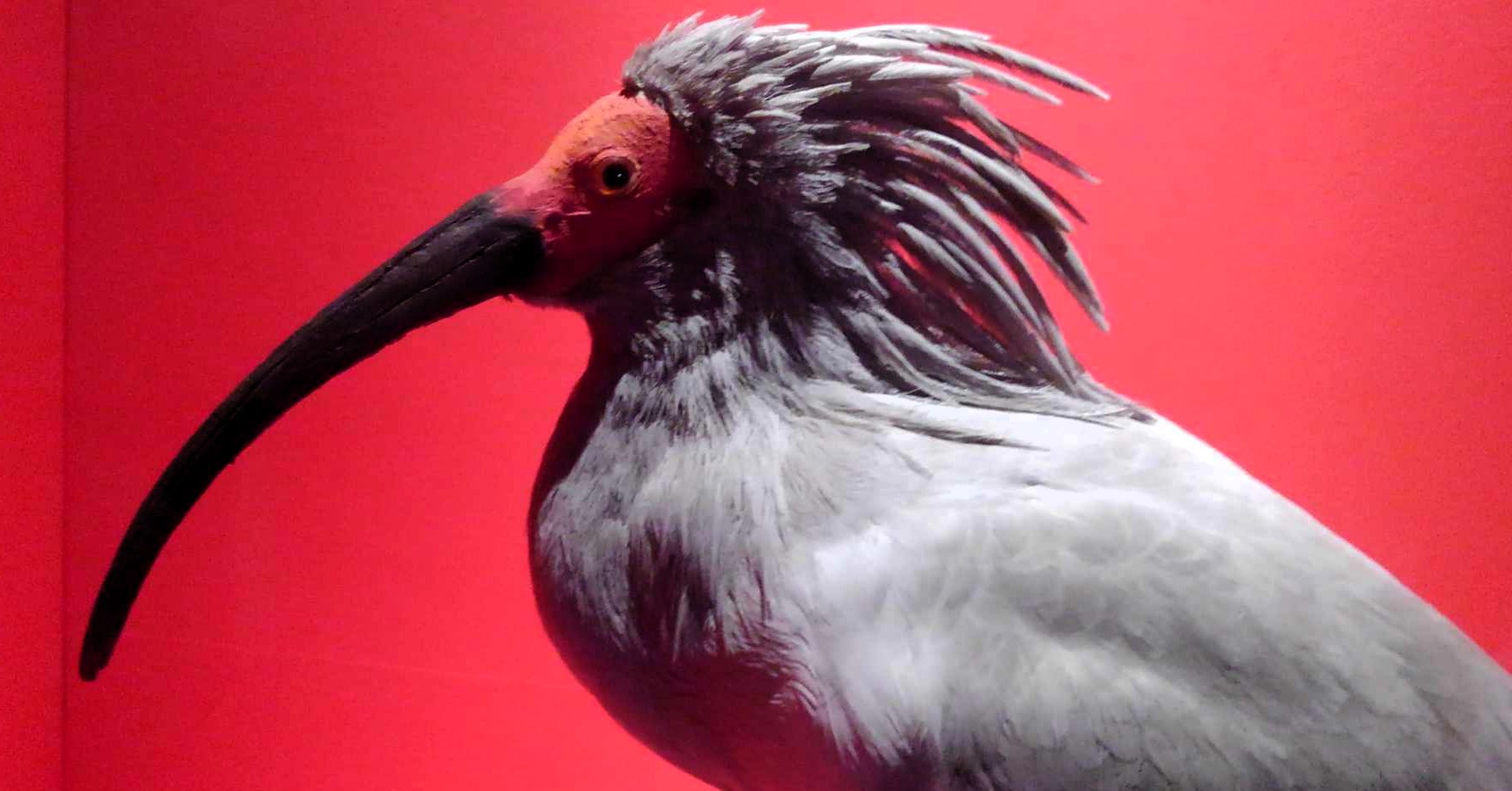
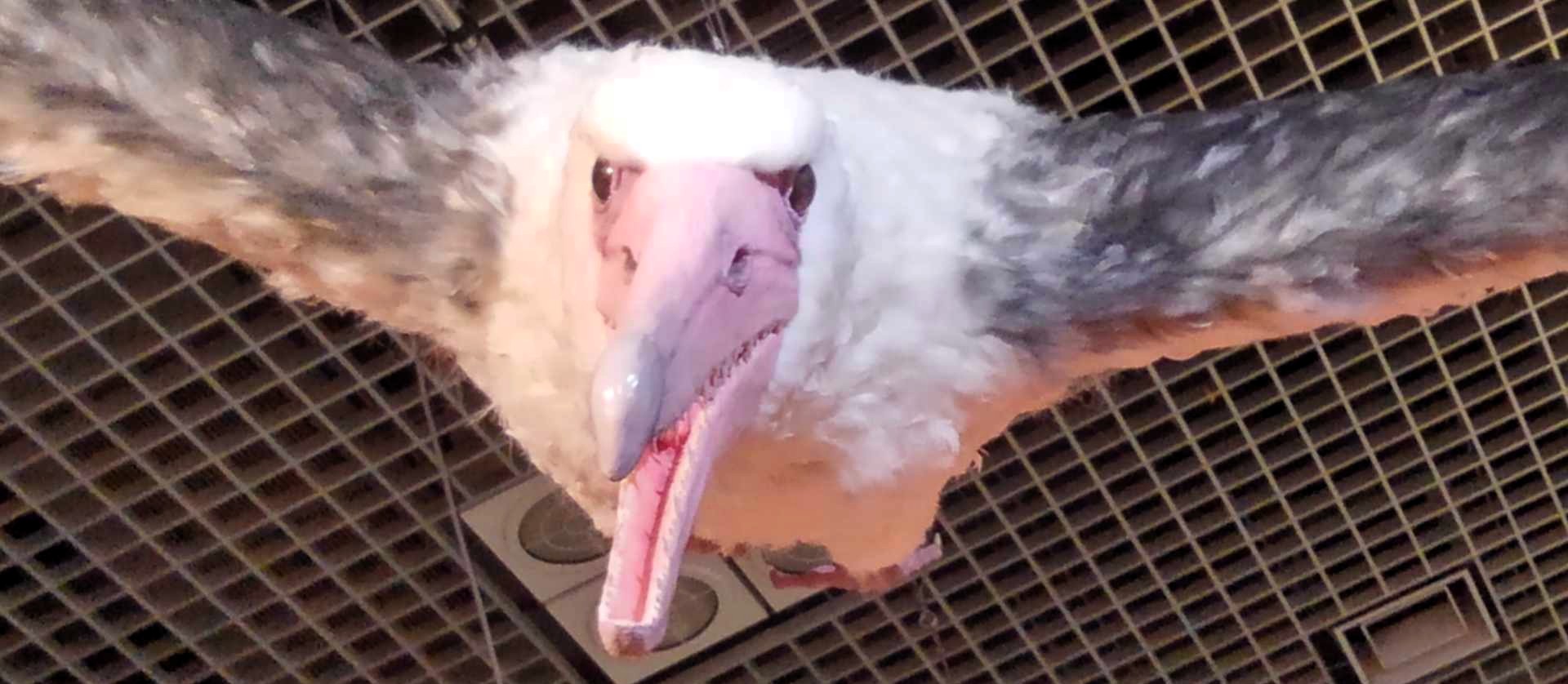
There were over 600 bird specimins exhibited, divided into displays based on themes largely decided by avian type.
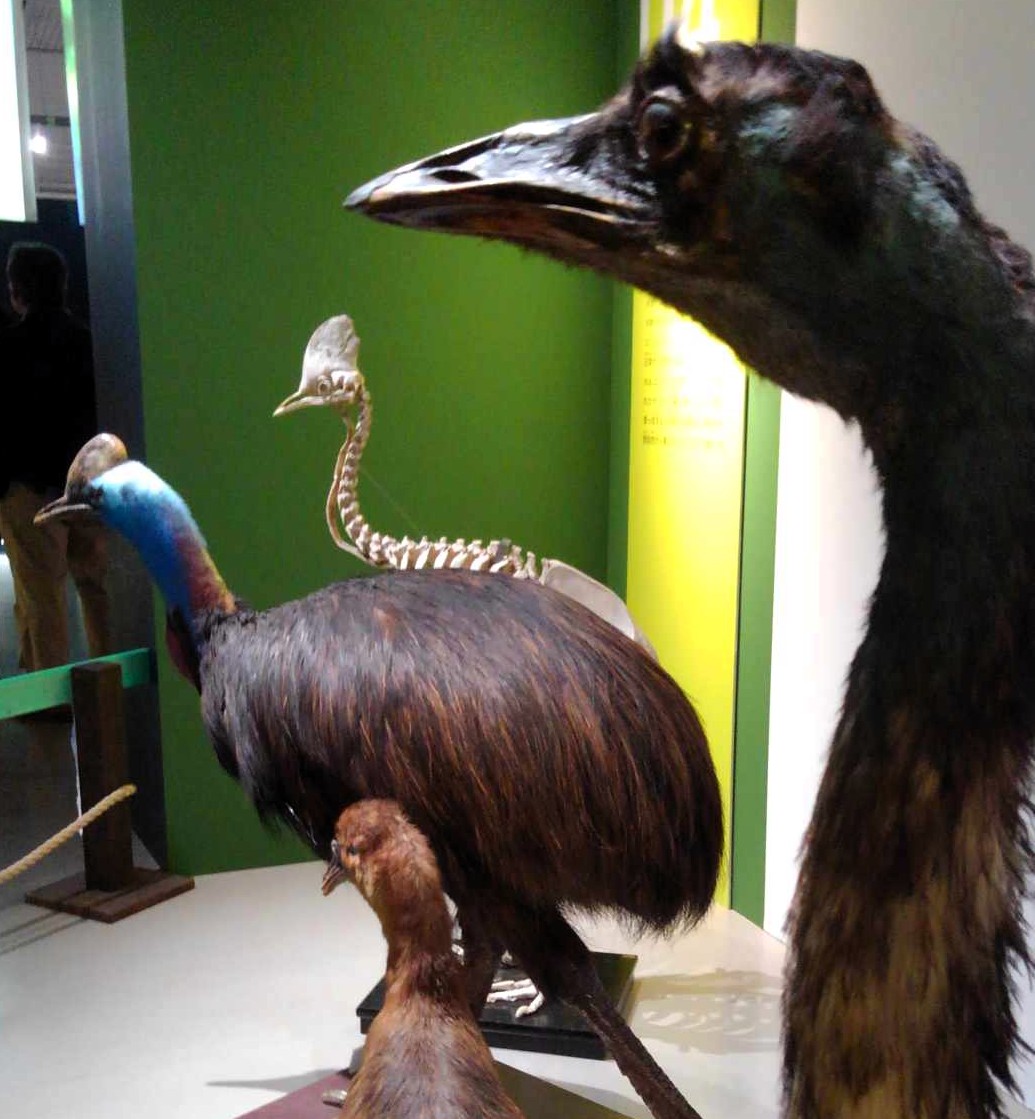
The exibition boasted of providing a new look at birds through a genetic analysis.
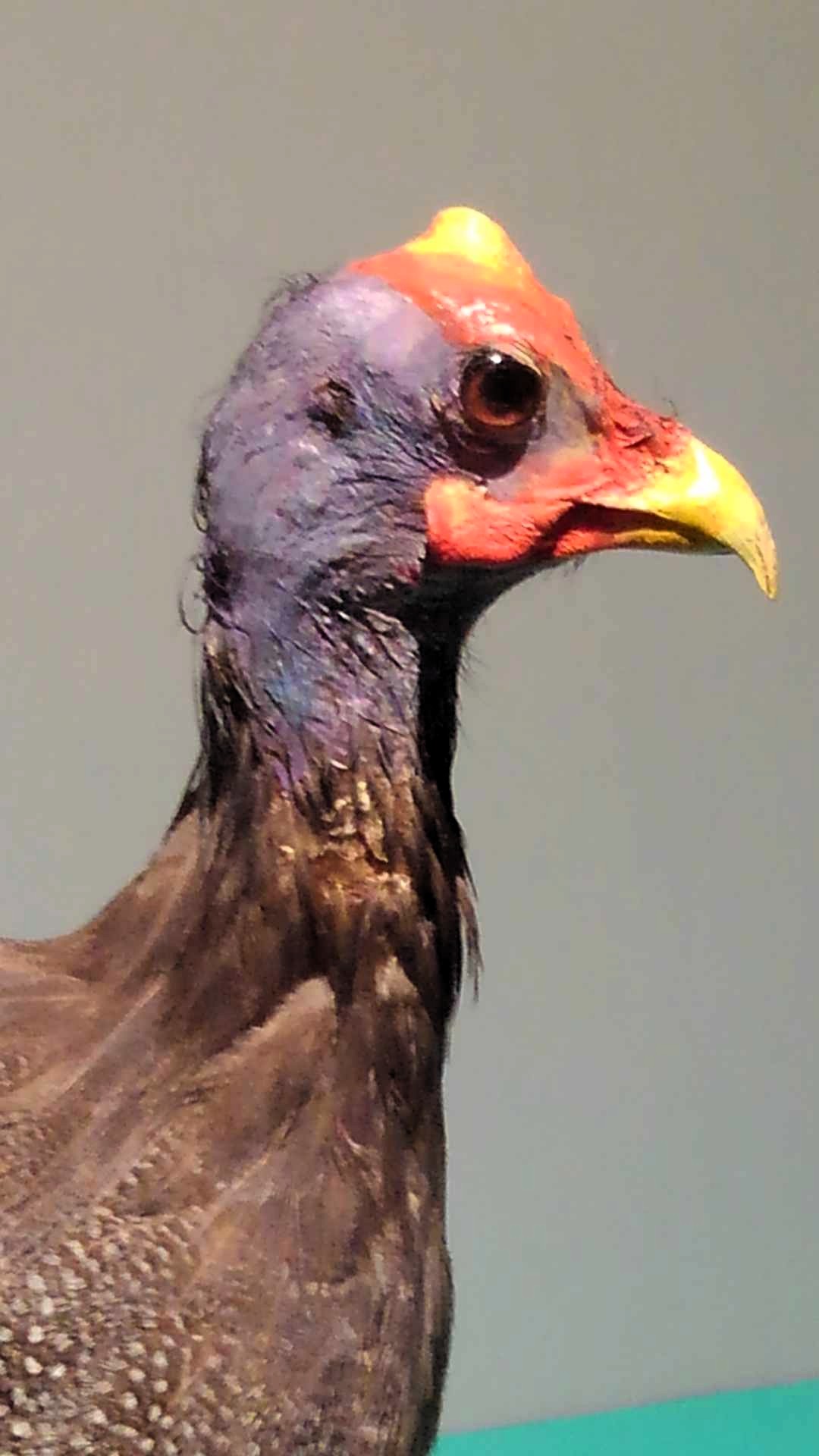
These were some of the aspects of the exhibition that were good to like. Other areas were not so great.
Despite being a weekday and the entrance fee being a fairly pricey 2,100 yen per adult, the exhibition was packed.
Moreover, despite the museum being located smack-bang in the middle of Ueno Park, which is a highlight for many foreign tourists in Tokyo, it was not a particularly accommodating event for those who don’t read Japanese.
Panel displays were exclusively in Japanese, and brimful of information. Many tourist areas in Japan are refraining from making their facilities accessible to foreigners by only providing Japanese-language services. With nothing but Japanese on the exhibition website, too, I wondered whether this was a deliberate ploy to keep down the crowds, too.
This ended up detracting from the show. People would take a long time to read the panels. This stopped the flow of traffic through the exhibition, and led to a build-up as people crowded to read.
With a large proportion of older visitors, this problem was exacerbated by many taking their time to get through reading panels and plaques.
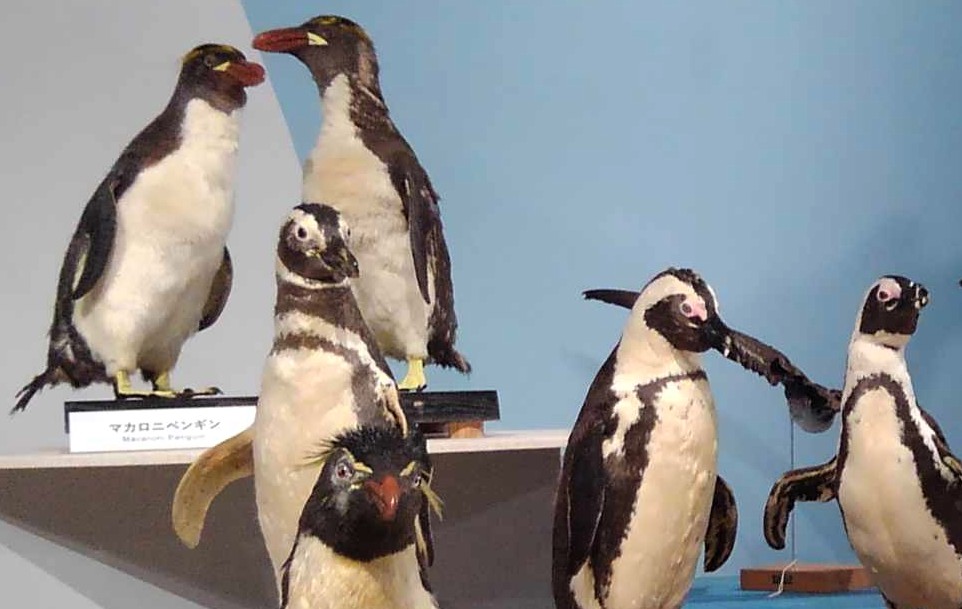
Added to this congestion was the large group of photographers and fascinating photographic subjects, and the upshot was getting a close and enjoyable view of exhibits became next to impossible.
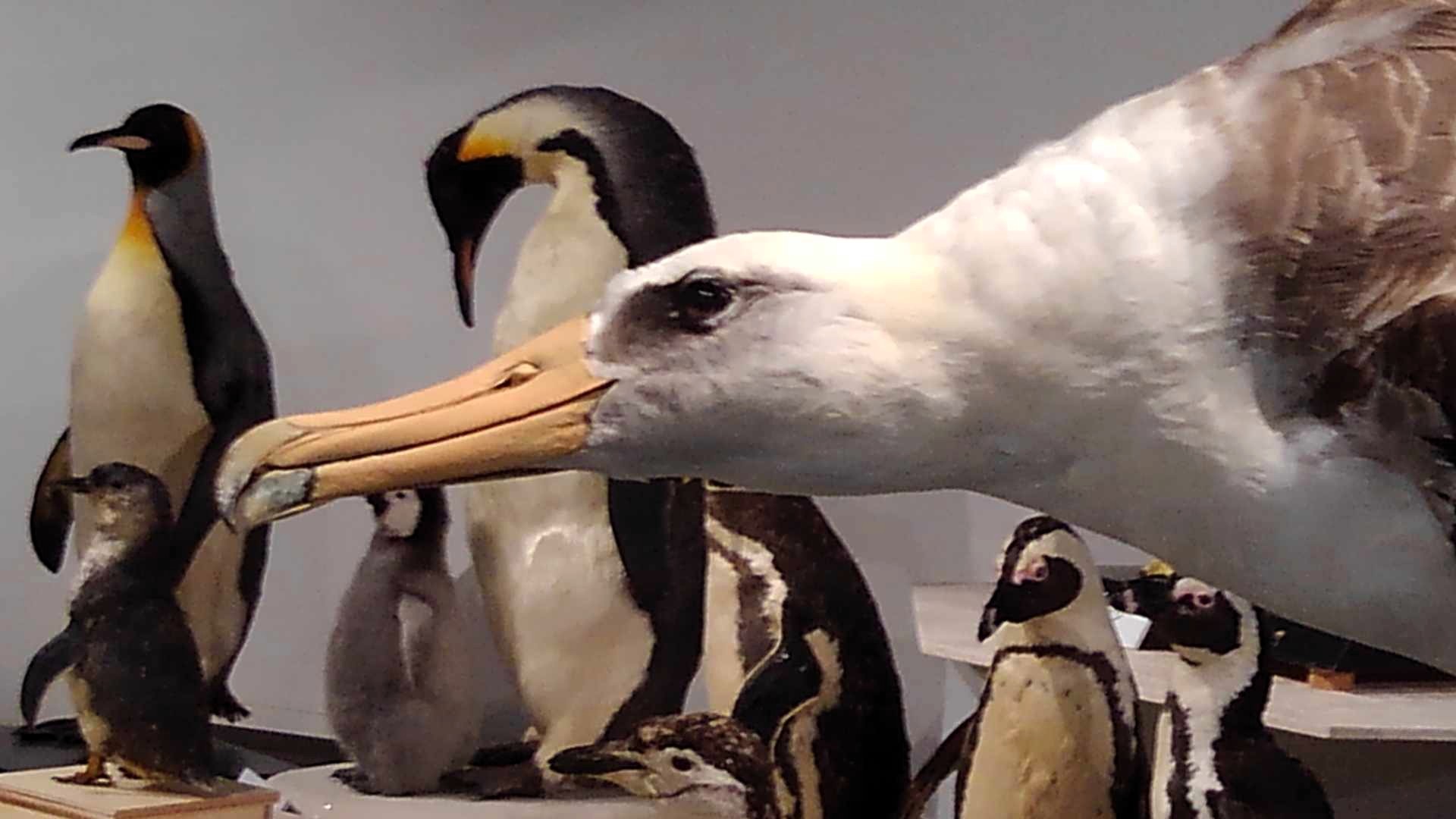
Moreover, exhibition staff were selectively officious, doing nothing to stop people clogging up views and traffic flow, but aggressively active when trying to stop snartphone use.
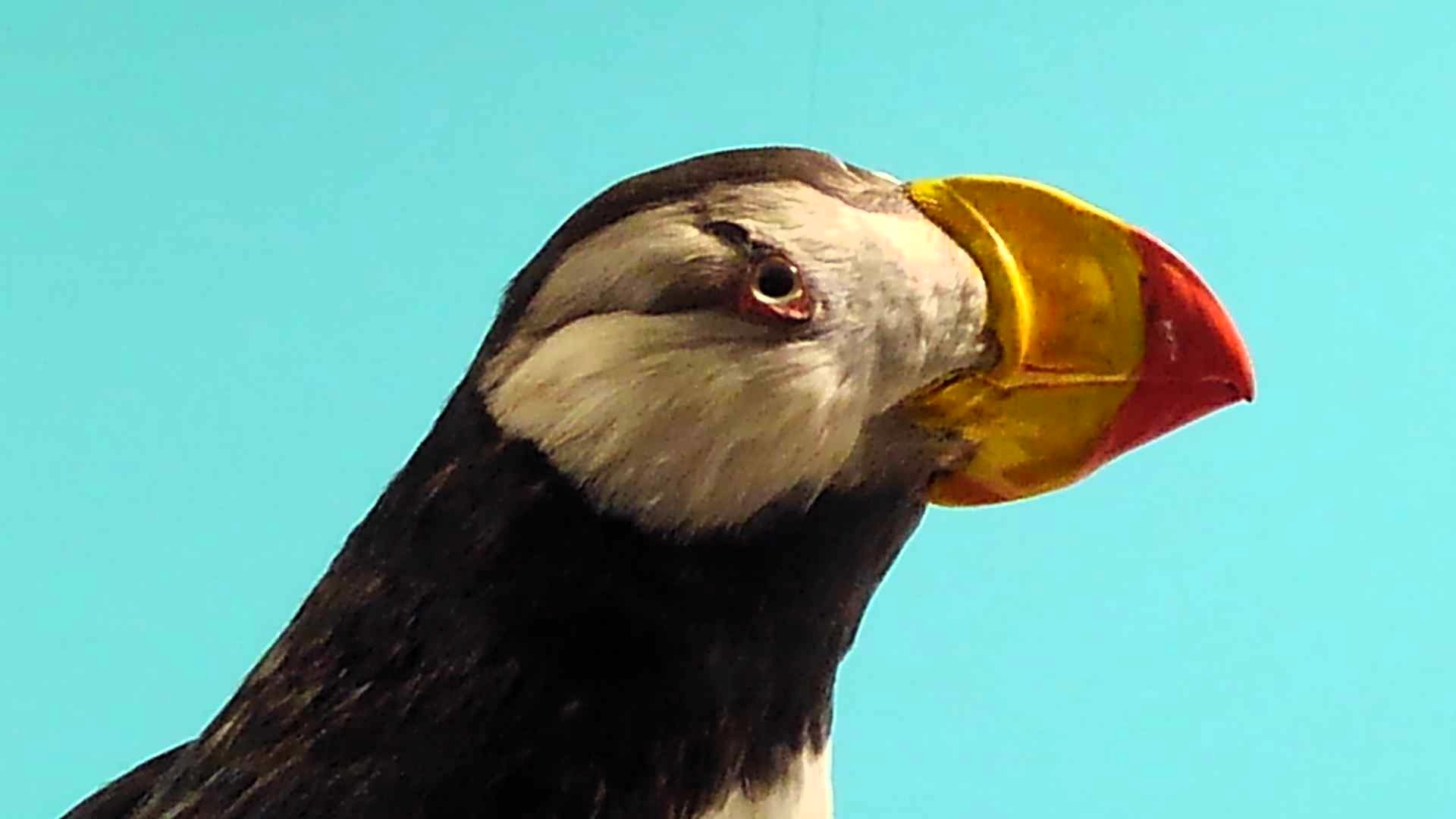
As a bird lover, I was quite excited to be able to go to the exhibition. And it was fascinating.

But the overall presentation, lack of accessibility and excessive crowds made it a less pleasant experience that it could have been.
Tokyo Exhibition Details

Bird

Exhibition runs from Nov. 2, 2024 to Feb. 24, 2025. Open daily 9 a.m. – 5 p.m. (last entry, 4:30 p.m.). Closed Nov. 5, Dec. 28-Jan. 3, Jan. 14.

Entry fee

Adults 2,100 yen (1,900 yen for advanced purchases)

Students (through to high school) 600 yen (500 yen for advanced purchases)

National Museum of Nature and Science

7-20 Ueno-koen, Taito-ku, Tokyo 110-8718

Five minutes’ walk from JR Ueno Station (park exit)

Ten minutes’ walk from Ueno Station (exit 7) on Tokyo Metro Ginza and Hibiya lines

Ten minutes’ walk from Keisei Ueno Station (main exit) on the Keisei Line

No parking facilities available

Cop A Gander At These Rippers Too...

  • Whatever Happened To Japan’s Emu-chan?

    Emus take pride of place in the Australian Coat of Arms alongside the kangaroos upon which this site has a focus. And Emu-chan played a crucial role in raising spirits in Japan during the darkest days of the Covid-19 pandemic before suddenly and mysteriously disappearing. Sabaku, the pseudonym used by a Japanese woman working in central Tokyo and “living in the mountains about an hour’s drive from the city” according to Bunshun Online, caused a national sensation with her YouTube channel Live Together With Emu up until late 2023. Videos told the tale of Sabaku’s life with Emu-chan, which she had raised from a hatchling, delighting people with footage of…

  • |

    Macropod Music and Getting Sentimental Over Kangaroos in Japan

    Kangaroos and koalas are among the symbols Japanese pop culture has, for many and various reasons, adopted at times (the latter with particular relish), and singer Misato Watanabe‘s choice of subject topic for her 1988 hit Sentimental Kangaroo proved a marsupial masterpiece. Watanabe made her debut in 1986 with My Revolution, a huge hit that earned her a gold prize at the 28th Annual Japan Record Awards and would be the biggest-selling song of her career. Watanabe, whose heyday stemmed from the late ’80s to early ’90s, continues performing regularly today. Sentimental Kangaroo was one of the attempts she made to match My Revolution, one of Japan’s most-covered songs of…

  • Strine Gives Two Chances: Buckley’s And None

    Buckley’s chance (or hope) is Strine for almost no chance. It means very unlikely or hopeless. Usually, Buckley’s alone is enough to convey the message. 日本語の意味 Buckley’s chance は「ほぼ可能性ゼロ」という意味です。 Explanation It comes from Australian history and folklore. It emphasizes extreme improbability. 日本語での解説 非常に低い確率を表す表現です。歴史由来の言い回しです。 Example “You’ve got Buckley’s chance of winning.”「勝てる可能性はほぼないよ。」 Strine Culcha Strine uses historical names for expressive exaggeration. The origin of Buckley’s as a saying is obscure. Some say it derived from the amazing story of William Buckley, a convict who went missing and was declared dead in the early 18th century only to emerge decades later having lived with indigenous peoples. Or it could have been Buckley &…

  • |

    Bugger me, Bob! 豪州元首相の豪俗語が外交的な事件になりかけた頃

    オーストラリア元総理大臣であったボッブ・ホーク氏は、最近日本から勲章を受けたが、1980年代初来日したオージー英語によっての時激ヤバ「事件」になりかけたこと、と豪州オンライン・ニュースサイトnews.com.auが今週報道した。 今週勲一等旭日大綬章を受章した同氏は、1983年から1991年の間豪首相であり、その間4回も日本を訪問した。  労働組合出身のホーク氏が1回目来日した時当時有名だったオーストラリアの過激的な組合活動について聞かれた。ホーク氏の返事は「騙されんぞ」だった。しかし、当然日本語ではなくオージー英語でその答えを出した。それは「They won’t play funny buggers」という表現だった。  問題はbuggersという言葉だ。オージー英語及びイギリス英語ではbuggerが「やつ」とか「野郎」などの意味がある。しかし、もう一つの意味は英語圏諸国が中心となるコモンロー下の犯罪buggeryを起こす者の意味もある。Buggery罪は、「肛門性交行為」のことだ。  news.com.auによると、ホーク氏の「They won’t play funny buggers」が日本語に通訳された時にオージー英語訳の「騙されんぞ」や「変な振る舞いをする」ではなく本来米語の意味で「面白い男性同性愛者」と訳されたといい、在日オーストラリア大使館がまいていたという。  この話は本当かどうか分からないが考えRoo.comのようなサイトを見ればこのようなオージー英語かストラインのミスがないだろう。

  • |

    (Aussie) Black Swans Give (Japanese) Koi Fish a Decent Feed

    Black swans are endemic to Australia and symbolic to the country, particularly Western Australia, where the avian beauty is almost synonymous for anything Sandgroper.  黒鳥は、オーストラリア国有鳥であり、州の象徴である西オーストラリア州では特に称えられている。 Koi fish, meanwhile, play a similar role for Japan, immediately evoking an image of the Land of the Rising Sun.  鯉は、言うまでもなく、超日本的であり、日本のシンボル一つと言っても過言ではないはずだ。 This clip could be called a cute view of Australia-Japan friendship.  なので、本動画が日豪友情の表れとも言える。