Macropod Music and Getting Sentimental Over Kangaroos in Japan
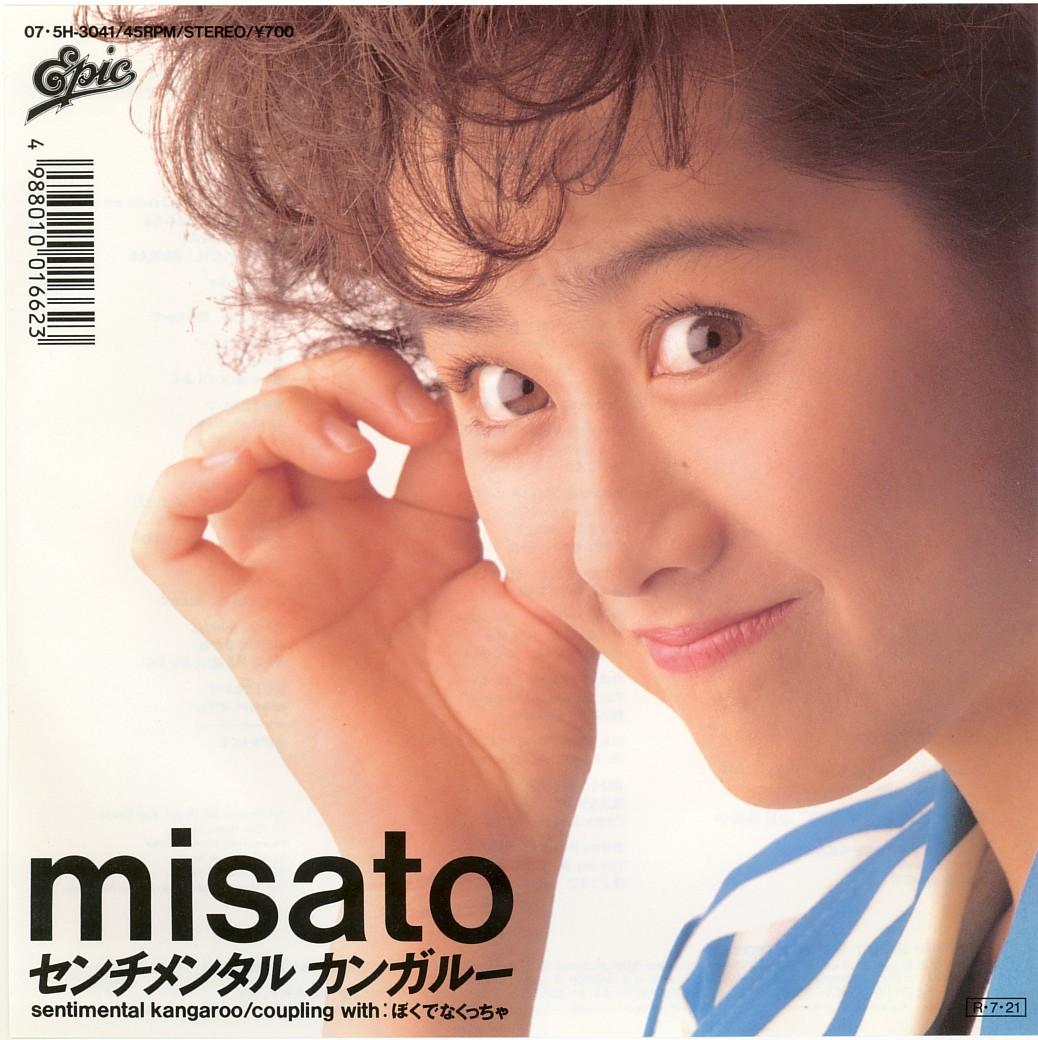
The cover for Misato Watanabe’s “Sentimental Kangaroo.”
Kangaroos and koalas are among the symbols Japanese pop culture has, for many and various reasons, adopted at times (the latter with particular relish), and singer Misato Watanabe‘s choice of subject topic for her 1988 hit Sentimental Kangaroo proved a marsupial masterpiece.
Watanabe made her debut in 1986 with My Revolution, a huge hit that earned her a gold prize at the 28th Annual Japan Record Awards and would be the biggest-selling song of her career. Watanabe, whose heyday stemmed from the late ’80s to early ’90s, continues performing regularly today.
Sentimental Kangaroo was one of the attempts she made to match My Revolution, one of Japan’s most-covered songs of the past couple of decades and an early hit for its writer, Tetsuya Komuro, who would go on to become one of the most successful figures in Japanese entertainment history.
Sentimental Kangaroo scored a canned coffee ad for Watanabe, who appeared together with some animated marsupials bouncing through a sunflower field.

Misato Watanabe Official Site
渡辺美里

Cop A Gander At These Rippers Too...

  • | |

    How Did Japanese Shellfish Help Aussie Harvesters Realize The World Was Their Oyster?

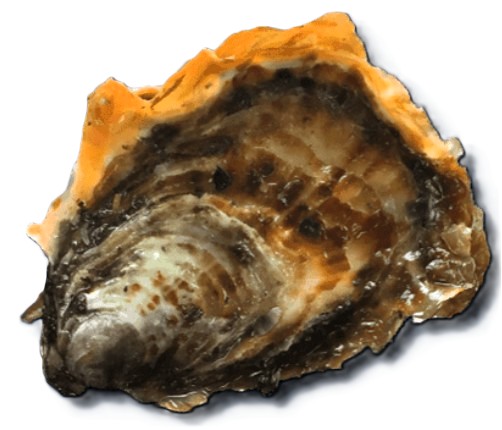
    日本のカキはオーストラリアのカキ産業をどう変えたのか? Aussie oysters are famous around the world. Few people realise that one of the industry’s biggest turning points began in Japan. A tiny shellfish—and decades of scientific cooperation—helped reshape Australian aquaculture. オーストラリア産のカキは世界的に高く評価されています。しかし、その発展の大きな転機の一つが日本にあったことは、あまり知られていません。一つの小さな貝と、長年にわたる日豪の科学協力がオーストラリアの養殖業を大きく変えたのです。 An Industry Faces New Challenges 転機を迎えたオーストラリアのカキ産業 For generations, Australia’s oyster industry relied on the native Sydney rock oyster. It remains one of the country’s finest seafoods. But during the 20th century, growers faced disease, slow growth and changing environmental conditions. They began searching for new ideas. 転機を迎えたオーストラリアのカキ産業 長年にわたり、オーストラリアのカキ産業はシドニーロックオイスターを中心に発展してきました。 現在も高級食材として親しまれています。 しかし20世紀になると、病気や成長速度、環境の変化など、新たな課題に直面しました。 生産者たちは新しい可能性を探し始めます。 Looking to Japan 日本に学ぶ Japan had centuries of experience cultivating oysters. Its farmers had developed efficient methods for collecting oyster spat, raising young oysters and managing…

  • |

    Lest We Forget Japan’s Role in Creating the ANZAC legend

    ANZAC Day, April 25, has become an almost holy day on the Australian calendar in the early 21st century as the country celebrates the efforts and sacrifices of its military personnel since it first went to war as a nation at Gallipoli in 1915, but few remember Japan was an ally that played a vital role in creating the ANZAC legend.  21世紀初期現在、ANZAC Day(4月25日)がオーストラリアでは、1915年に国として初めて戦争を体験したガリポリをはじめ復員兵などの努力や犠牲を称える聖なる日のような存在となっているが、そのANZAC伝説づくりに味方としての日本の大きな貢献がほとんど知られていないのだ。

  • | | |

    Is Niseko Still Australia’s Ski Town?

    ニセコは今も「オーストラリア人のスキーの町」なのか? Walk through Niseko today and you’ll hear conversations in Japanese, English, Mandarin, Korean and many other languages. The resort that Australians helped introduce to the world has become one of Asia’s most international winter destinations. Visitors now arrive from across the globe, while investment comes from many countries. So, after more than three decades, is Niseko still Australia’s ski town? 現在のニセコを歩くと、日本語だけでなく英語、中国語、韓国語など、さまざまな言語が聞こえてきます。 かつてオーストラリア人が世界に紹介したスキーリゾートは、今ではアジアを代表する国際的なウィンターリゾートへと成長しました。 では、30年以上が経った今でも、ニセコは「オーストラリア人のスキーの町」と言えるのでしょうか。 The Pioneer Years There was a time when Australians dominated Niseko’s international tourism scene. From the mid-1990s through the early 2000s, Australian visitors arrived in growing numbers, opening cafés, ski schools, accommodation businesses and tour companies. Their enthusiasm encouraged more travellers to discover Hokkaido’s famous powder…

  • |

    How Australian Plants Found A Home At A Century-Old Japanese Nursery

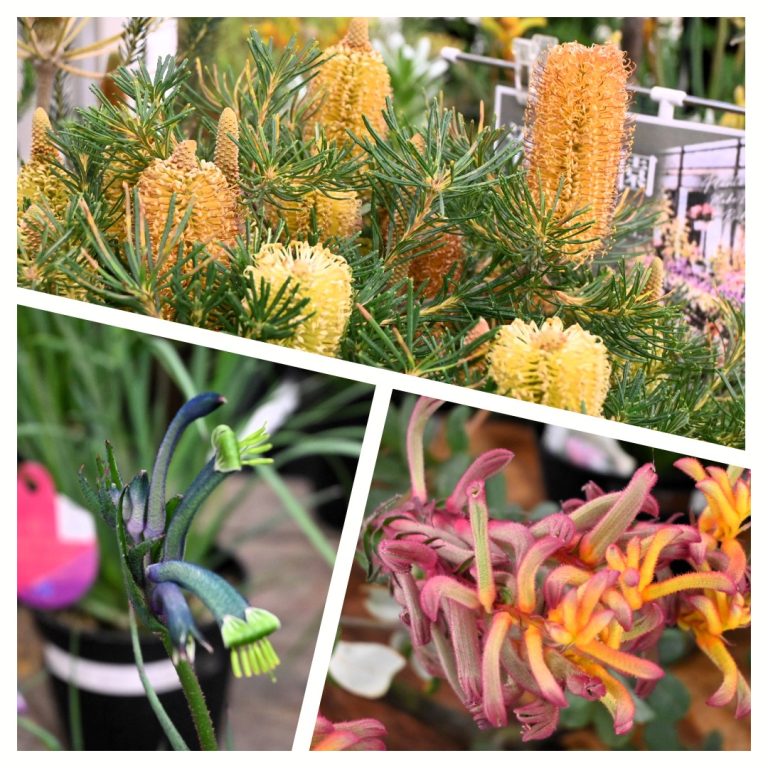
    日本の老舗園芸店が育てるオージープランツの魅力 Japan’s love affair with Australian plants is growing, and one of the nurseries helping it flourish is 沼ノ上農園 (Numanoue Nouen) in Minami-Urawa, Saitama. We visited the nursery’s pop-up shop earlier today at Urawa PARCO, where we met Jun-san, the flower shop owner’s son, and Ryota-san and discovered more about their enthusiasm for Australia’s distinctive botanical treasures. Established in 1912, 沼ノ上農園 has spent more than a century serving local gardeners. Today, alongside seasonal flowers and houseplants, it has developed a particular interest in オージープランツ (Oji Plants), the Japanese gardening term for Australian native plants. Banksias, grevilleas and kangaroo paws offer something different from the familiar flowers of Japanese gardens. Their…

  • Japanese long-term resident numbers double Down Under

    Japanese long-term residents in Australia doubled over the course of the Noughties, according to the recently released 2011 Australian Census. The number of Japanese speakers residing permanently in Australia grew from 1,002 to 2,032 from 2000 and 2010, representing a 102.8% change. The 2011 Census showed there were 21,507,730 people in Australia, of who 43,692 are Japanese speakers. The total population of Japanese speakers in Australia was made up of 59.1% females and 40.9% males. And only 204 speakers were involved in a same-sex couple. Popular suburbs for long-term Japanese residents of Down Under to live in were Chatswood (NSW), Melbourne (VIC), Southport (QLD), Adelaide (SA), South Perth (WA), Sandy…