Lest We Forget Japan’s Role in Creating the ANZAC legend
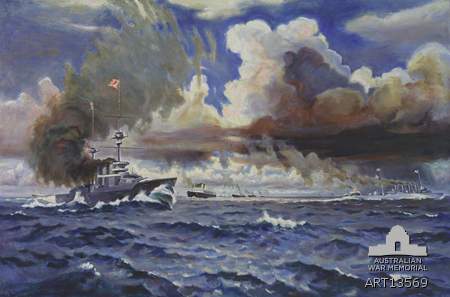
HMIJS Ibuki (left) and HMAS Melbourne escorting ANZAC troops to Gallipoli

ANZAC Day, April 25, has become an almost holy day on the Australian calendar in the early 21st century as the country celebrates the efforts and sacrifices of its military personnel since it first went to war as a nation at Gallipoli in 1915, but few remember Japan was an ally that played a vital role in creating the ANZAC legend.

 21世紀初期現在、ANZAC Day(4月25日)がオーストラリアでは、1915年に国として初めて戦争を体験したガリポリをはじめ復員兵などの努力や犠牲を称える聖なる日のような存在となっているが、そのANZAC伝説づくりに味方としての日本の大きな貢献がほとんど知られていないのだ。

ANZAC Day is a painful time for many Japanese Down Under as anti-Japanese sentiment in Australia peaks with constant reminders of World War II, when the countries were on opposing sides of the conflict.

 第二次世界大戦では日本は敵国だったことから、反日感情が高まるANZAC DAYは在豪日本人にとって苦痛を感じる長い一日となる。

But the reality is that the ANZAC legend so glorified nowadays in Australia would arguably not have been created had it not been for the aid of His Imperial Majesty’s Japanese Ship Ibuki, a battlecruiser that served as part of the naval escort of the Australian and New Zealand troops that would go on to fight at Gallipoli and create the ANZAC legend.

 しかし、大日本帝国海軍伊部位巡洋戦艦がANZAC伝説の舞台となったガリポリで豪州・ニュージーランド軍の援護隊であった。

As part of the Anglo-Japanese Alliance, the Imperial Japanese Navy also played a vital role in helping with the defense of Australia in the early decades of its nationhood following Federation in 1901.

 また、日英同盟下の一環としても、1901年の豪州独立以降、大日本帝国海軍は豪州の防衛に重大な役割を果たした。

Australian journalist Denise Smithson has worked tirelessly in recent years to have the Ibuki’s role in the ANZAC legend recognized in Australia.  
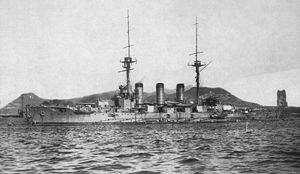
HMIJS Ibuki

 近年、オーストラリア人ジャーナリスト、デニス・スミソン氏は研究などにより、巡洋戦艦「伊吹」のANZAC伝説に関する役割を認めるように働きかけている。

As the centenary of the ANZAC landings nears, perhaps it’s a good time to start celebrating Japan’s role in Gallipoli and thanking it for its contribution toward an event often seen as the birth of the Australian nation.

 ANZAC軍のガリポリ上陸100周年記念を前に、日本のガリポリでの役割を称えオーストラリア国家創生に貢献してくれたことに感謝を表すべきだ。

    Reference

HMIJS Ibuki
Japan’s Forgotten Role
Smithson Media News Release About Ibuki
Smithson Media

Cop A Gander At These Rippers Too...

  • The Strine Why Atorkin: Plain English

    Read this in Strine/オージー英語(豪語)で読む Read this in Japanese/日本語で読む Christmas It was getting close to Christmas, which prompted me to call in sick from work. I was still naked, so slipped into some underpants. I went to light up a cigarette, but I had run out of the regular type and rolled my own instead. I picked up a cookie and a cup of coffee and that was my breakfast. It was perfect weather and I wondered if my friends from the boondocks wanted to hang out with me at a barbecue in Brisbane, the city.

  • | |

    Why Do Japanese Baseball Teams Train in Australia?

    なぜ日本のプロ野球チームはオーストラリアでキャンプを行うのか? Every February and March, Japanese professional baseball teams head south instead of north. Why? The answer isn’t simply sunshine. Behind Australia’s growing role in Japanese baseball lies a story of friendship, trust and a shared love of the game. 毎年2月から3月にかけて、日本のプロ野球チームは北ではなく南へ向かいます。その理由は、暖かい気候だけではありません。オーストラリアでのキャンプには、野球を通じて育まれた日豪の友情と信頼の物語があります。 More Than Sunshine 暖かさだけではない When winter grips Japan, Australia is enjoying late summer. That makes it an ideal place for pre-season training. But sunshine alone doesn’t explain why Japanese teams keep returning. They come because Australia offers first-class facilities, quality opposition and communities that welcome them year after year. 暖かさだけではない 日本が冬を迎える頃、オーストラリアは夏の終わりです。 そのため、春季キャンプには最適な環境となります。 しかし、日本の球団が何度も訪れる理由は気候だけではありません。 充実した施設、実戦相手、そして温かく迎えてくれる地域の人々がいるからです。 Building Baseball Friendships 野球がつないだ友情 Training camps create more than fit players. They create friendships. Local…

  • |

    豪のクリスマス・ソング:Aussie Jingle Bells

     オーストラリア版のジングル・ベルがあったのは知ったか?あるんだよ!  「ジングル・ベル」が雪の中のソリを乗っている話だが、真夏のクリスマスがあるオーストラリアでは雪もソリもない(実は、いずれもあるが、それだと話がうまくまとまらないので、とりあえず、別に置いておこう。)  オージー版のジングル・ベルズは田舎道で走る豪産者ホールデン社のピックアップ・トラックの話。  先日考えRooで掲載されたDeck the Shedの作詞・作曲バッコ&チャンプスことグレグ・チャンピオン氏とコリン・ビュキャノン氏の作品だ。 AUSTRALIAN JINGLE BELLS Dashing through the bush, in a rusty Holden Ute, Kicking up the dust, esky in the boot, Kelpie by my side, singing Christmas songs, It’s Summer time and I am in my singlet, shorts and thongs Oh! Jingle bells, jingle bells, jingle all the way, Christmas in Australia on a scorching summers day, Hey! Jingle bells, jingle bells, Christmas time is beaut! Oh what fun it is to ride in a rusty Holden Ute. Engine’s getting hot; we dodge the kangaroos, The swaggie climbs aboard, he is welcome too. All the family’s there, sitting by the pool, Christmas Day the Aussie…

  • |

    洗濯物が干せる豪州象徴

    オーストラリアの象徴と言えばカンガルー、コアラ、シドニー・オペラ・ハウス、グレート・バリアー・リーフ、洗濯物が干し台のヒルズ・ホイストなどたくさんある。あら、ちょっと待って!カンガルーなどが分かるが、選択物干し台?いったい何なんだろう?まさか国の象徴じゃないだろう? いや。最初の言ったとおりだよ。ヒルズ・ホイストという選択物干し台が間違いなくオーストラリア国内では国が象徴する物の一つである。日本でのヒルズ族と一味違うヒルズなんだけどね、、、  ヒルズ・ホイストは19世紀末アデレード近くに発明し、も早オーストラリア・ニュージーランド全国に広がり、今も欧米ではよく見られる。何千万台を売れたらしい。特徴はたくさんある。まずは、高さが調整できる。そして、回転式なので、数が吹くとぐるぐる回り洗濯物が早く乾く。最新モデルは解体可能式であり、使う必要な時意外設置しないでスペースも使わないで済む。おまけ、(親が見ていない間だけど)子供たちの遊び道具にもなることが多い。土地の広いオーストラリア郊外の家のバックヤードに必ずと言っていいほどある。そのため、現代オーストラリアの象徴の一つでもある。  日本でも販売しているようで、販売元のビデオをぜひ一度見てみたらもっと分かりやすいかもしれない。