豪キャブラリー:Dead Horse

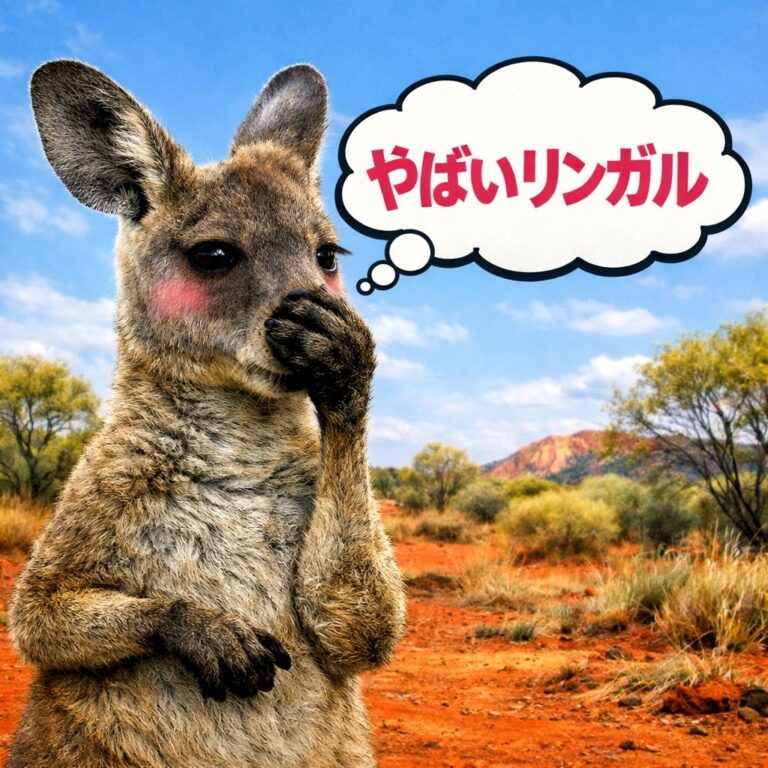
え~?Dead horseは、国民的な言葉と言えるほどオージー英語でよく使う表現だけど「死んだ馬」と言う意味なので決していい感じではないよね。おまけ、醤油が日本料理に欠かせない存在と同じように多くの伝統的な豪料理にはdead horseが絶対だ。でも、ゴッドファーザーのベッド・シーンなどを思い浮かばさせるためイメージが悪いかもしれないが、実際にdead horseはたんなるsauce (厳密に言えばtomato sauce)の音韻俗語だけなのだ。

豪英・米語日本語
Dead horseTomato sauce, ketchup トマトソース、ケチャップ。直訳すると「死馬」という意味が、「ホース<馬>」と「ソース」で音韻俗語だ。

Cop A Gander At These Rippers Too...

  • Grizzle/ぐずる

    grizzle Australian English To moan and complain unceasingly. This word is used mainly to describe the behavior of grumbling children, but can also be used about adults who complain without due reason. 日本語 めそめそする。ぐずる。泣き言をいう。この言葉は、主に小さい子がぐずぐずしている時に使われているけど、特に大きな理由がなく泣き言をいう大人に対して使っても違和感を感じさせないだろう。 Plain English To whine. Strine Dictionary

  • Piffle/ナンセンスなこと

    Piffle Australian English Nonsense, usually used in a dismissive manner. It can also be used to refer to a trifling matter, or something of little consequence or worth. 日本語 1)ナンセンスなこと。普段、人を否定する時に言い返す言葉として使われている。 2)妙なこと。どうたことない。あまり関係ないことを示す。 Plain English 1) A dismissive statement along the lines of “No way!” 2) A meager, trifling matter. Strine Dictionary

  • |

    Ringo’s Ring-in, Awesome Aussie Anime Highlight the Fab Four’s Oz Oddities

    Just as the Beatles created an iconic scene with their 1966 arrival in Tokyo wearing traditional Japanese happi coats, so too did the Fab Four make waves when they toured Australia two years earlier at the height of Beatlemania and establishing a quirky relationship with Down Under at the same time.  羽田空港にてハッピー姿で飛行機から降りたビートルズが日本で1996年講演の代表的な場面となった同様、その2年前オーストラリアに訪ねた時も「豪州らしい」イメージがあると同時に同バンドがオーストラリアとの一味違う関係を築いた。 Australia’s archetypical Beatles image features the Fab Four standing around while holding didjeridoos, an indigenous Australian instrument that Ringo Starr on the far left of the picture appears to be tackling with greater fervour than bandmates Paul McCartney, John Lennon and George Harrison.  その典型的な「オージーっぽい」場面は、1964年6月に撮られた4人が豪州先住民の楽器であるディジェリドゥを吹いている写真だ。立派な写真だが、問題が一つあった。 It’s a great pic, but the only problem is that Ringo’s involvement in the…

  • Bung On About One Of Strines’s Most Versatile Terms

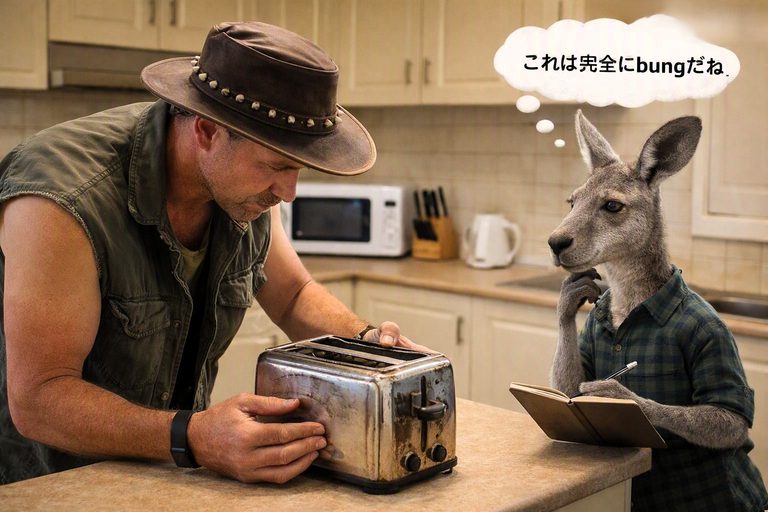
    朝、トースターのスイッチを入れます。何も起きません。もう一度やってみます。やっぱりダメ。Aussieなら、 “The bloody toaster’s gone bung.” と言うかもしれません。 “Bung” は、壊れている、故障しているという意味の、とてもAussieらしい言葉です。 Meaning 壊れた、故障した、使えなくなった、という意味です。また、人が「具合が悪いふりをする」という意味でも使われます。 Example “The old fridge has gone bung.” 「古い冷蔵庫が壊れちゃった。」 “Don’t bung it on. You’re not sick.” 「具合が悪いふりするなよ。病気じゃないだろ。」 日本語での解説 物にも人にも使えるのが面白いところです。”gone bung” なら「故障した」。”bung it on” のような使い方なら、「ふりをする」「芝居をする」という意味になります。”Bung” の「壊れた」という意味は、ブリスベン地域のYagara語に由来するとAustralian National Dictionary Centreが説明しています。 Australia-Japan Connection 日本語にも「壊れた」と「死んだ」の間にあるくだけた表現があります。Aussieの “bung” も、標準英語よりずっと生活感のある言葉です。 “Bung” は短い。簡単。しかも使い道が広い。こういう言葉を見ると、Aussie英語がなぜ面白いのかがよく分かります。 Related Links

  • |

    Shear Fluke! A Rare Aussie Cultural Hit in Japan

    Australia’s impact on Japanese society is visible in numerous areas, but in the cultural sphere, Australian influence has been negligible at best. オーストラリアは日本社会に対してあらゆる分野で与えた影響が見えるが、文化の面ではオーストラリアのインパクトがほぼないといって良いところだ。 Apart from a literal honeymoon period in the early 1990s when cashed-up newlyweds made Down Under their favored destination, the odd hit movie during the Australian New Wave cinema of the 1970s and 1980s, notably the Mad Max and Crocodile Dundee series, and the even rarer hit song — by artists most Japanese normally regarded as coming from the United States, anyway — Aussie cultural influence has largely been limited to sporadic moments of faddishness. バブル経済効果がまだ残っていた1990年代前半で「ハネームーン・ブーム」によってオーストラリアがハワイを抜いて新婚旅行地1位となり、マッド・マックスやクロコダイル・ダンディなどのオーストラリア・ニュー・ウェーヴ映画やためにアメリカ人と見なされた歌手がヒット曲を出した時に除けば、オーストラリアが日本に対して文化的な影響が一時的な流行以外はない。 It’s fair to say that Australia has hardly been, well, Big…