How Did Former Enemies Become Partners in Remembrance?
敵国だった日豪は、どのように共に追悼する関係になったのか?
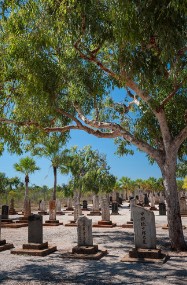
In Why Does Australia Have So Many Japanese War Memorials?, we explored why Australia has so many Japanese war memorials.
In Where Can You Find Australia’s Japanese War Memorials?, we visited some of the places where those memorials can be found.
Now, in the final instalment, we look at the remarkable journey that transformed places of wartime tragedy into lasting symbols of friendship between Australia and Japan.
「なぜオーストラリアには日本人戦没者慰霊碑がこんなに多いのか?」では
「なぜオーストラリアには日本人戦没者慰霊碑がこんなに多いのか?」では、なぜオーストラリアに多くの日本人戦没者慰霊碑があるのかを紹介しました。
「オーストラリアのどこに日本人戦没者慰霊碑があるのか?」では、オーストラリア各地に残る慰霊碑や墓地を訪ね、その歴史を見てきました。
最終回では、戦争の悲劇の舞台が、どのようにして日豪友好の象徴へと変わっていったのかをご紹介します。
From Conflict to Compassion
対立から思いやりへ
When the Second World War ended in 1945, Australia faced a difficult question. How should a nation treat the graves of former enemies?
For many Australians, the answer was simple. The dead deserved dignity.
Communities across Australia continued to care for Japanese graves, even though memories of the war remained painful. Local councils, returned service organisations and volunteers maintained cemeteries, repaired headstones and ensured that burial sites were not forgotten.
These quiet acts of respect laid the foundations for something much greater.
1945年に戦争が終わったとき、オーストラリアはひとつの難しい課題に向き合いました。かつての敵国の戦没者を、どのように弔うべきなのか。多くの人々が選んだ答えは、とてもシンプルなものでした。亡くなった人には、敬意を払うべきだという考えです。
戦争の記憶がまだ色濃く残る中でも、各地の自治体や退役軍人団体、地域のボランティアは、日本人墓地を守り続けました。
墓石を修復し、墓地を整備し、忘れられないよう見守り続けたのです。
こうした静かな思いやりが、後の日豪友好の土台となりました。
Friendship Grows
友情が育まれていく
As relations between Australia and Japan improved during the 1950s and 1960s, Japanese officials and bereaved families began visiting Australia.
Many expected to find bitterness.
Instead, they found carefully maintained cemeteries and warm welcomes from local communities.
These visits became opportunities for healing.
Over time, memorial ceremonies brought together veterans, local residents, diplomats and families from both countries.
Former enemies stood side by side, united in remembrance.
1950年代から60年代にかけて日豪関係が改善すると、日本政府関係者や遺族がオーストラリアを訪れるようになりました。
彼らが目にしたのは、荒れ果てた墓地ではありませんでした。
地域の人々によって大切に守られた墓地と、温かく迎える人々でした。
こうした交流は、心の傷を癒やす機会となりました。
やがて慰霊祭には、退役軍人、地域住民、外交関係者、そして両国の遺族が集うようになります。
かつて敵同士だった人々が、同じ場所で静かに祈りを捧げるようになったのです。
A Legacy That Lives On
今も続く友情
Today, these memorials continue to bring Australians and Japanese together.
School groups learn about the human cost of war.
Visitors from Japan pay their respects.
Local volunteers continue to maintain the cemeteries with quiet dedication.
The memorials are no longer simply reminders of war.
They are reminders of reconciliation.
They show that respect can survive conflict, and that friendship can grow from compassion.
現在も、これらの慰霊碑は日豪両国の人々を結びつけています。
学校の児童・生徒は戦争の悲しさを学び、日本からの訪問者は静かに祈りを捧げます。
地域のボランティアは、今も変わらず墓地を守り続けています。
慰霊碑は、戦争だけを語る場所ではありません。
和解を伝える場所でもあります。
争いのあとにも敬意は残り、思いやりが友情を育むことを教えてくれるのです。
More Than Stone
石ではなく、人の心が築いたもの
The Japanese war memorials scattered across Australia are made of stone.
But their true significance lies elsewhere.
They represent thousands of small acts of kindness by ordinary Australians and Japanese over many decades.
Together, those acts transformed places of loss into places of peace.
As Australia and Japan celebrate 50 years of the Basic Treaty of Friendship and Cooperation in 2026, these memorials remind us that the strongest international relationships are built not only by governments, but also by ordinary people.
That may be their greatest legacy.
オーストラリア各地に残る日本人戦没者慰霊碑は石で造られています。
しかし、本当に大切なのは石ではありません。
そこに込められた人々の思いやりです。
何十年もの間、ごく普通のオーストラリア人と日本人が積み重ねてきた小さな親切が、悲しみの場所を平和の象徴へと変えてきました。
2026年、日豪基本条約締結50周年を迎える今、これらの慰霊碑は教えてくれます。
強い国際関係は政府だけが築くものではありません。
人と人との信頼によって育まれるものなのだと。
Among the least-known symbols of the Australia–Japan relationship…
日豪関係を象徴する最も知られていない存在のひとつ、、、
The Japanese war memorials of Australia are among the least-known symbols of the Australia–Japan relationship.
They remind us that reconciliation is not achieved in a single moment.
It is built slowly through respect, compassion and a shared commitment never to forget the past.
オーストラリアに残る日本人戦没者慰霊碑は、日豪関係を象徴する最も知られていない存在の一つです。
和解は、一度の出来事で完成するものではありません。
敬意と思いやり、そして過去を忘れないという約束を積み重ねることで育まれていくものなのです。
Did You Know?
The annual Cowra Sakura Matsuri attracts thousands of Australian and Japanese visitors, celebrating a friendship that grew from one of the darkest episodes of the Second World War.
豆知識
毎年開催されるカウラさくらまつりには、日豪両国から多くの人々が訪れます。戦争の悲劇を乗り越えて育まれた友情を祝う行事として親しまれています。
Sources
- Australian War Memorial
- Commonwealth War Graves Commission
- Department of Veterans’ Affairs
- Japanese Ministry of Health, Labour and Welfare
- Cowra Japanese Garden and Cultural Centre
- Australian Embassy, Tokyo
- Ministry of Foreign Affairs of Japan
- National Archives of Australia