Did Japan Inspire Australia to Choose National Living Treasures?

日本の「人間国宝」はオーストラリアの「リビング・トレジャーズ」に影響を与えたのか?
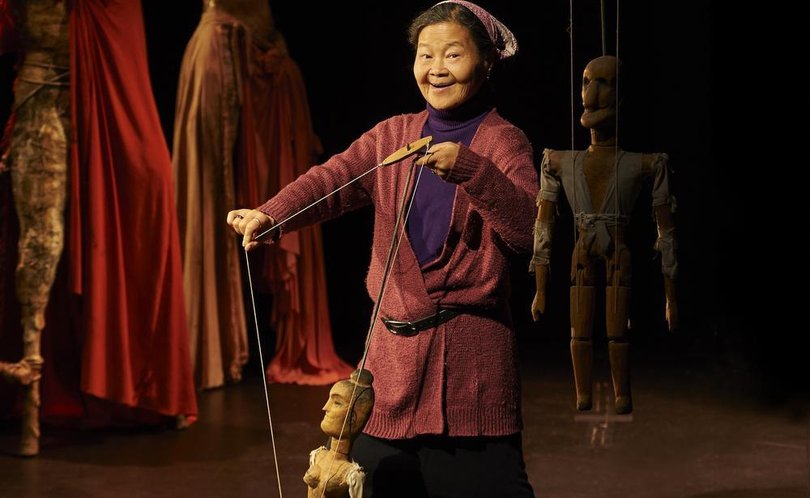
Puppeteer Noriko Nishimoto had been declared a treasure by Western Australia

Australia’s National Living Treasures celebrate remarkable Australians. Japan’s Living National Treasures protect traditional masters. The two honours are different—but they may be connected by an idea that travelled across the Pacific.

オーストラリアの「ナショナル・リビング・トレジャーズ」は優れた人物をたたえる制度です。一方、日本の「人間国宝」は伝統技術の継承者を守る制度です。両者は異なりますが、その背景には海を越えて受け継がれた一つの考え方がありました。


Japan Had the Idea First

最初に制度を作ったのは日本

After the Second World War, Japan faced an urgent question.

How could traditional arts survive in a rapidly modernising society?

The answer was to recognise exceptional craftspeople and performers as Living National Treasures, helping preserve skills that might otherwise disappear.

最初に制度を作ったのは日本

戦後の日本は、急速な近代化の中で伝統文化をどう守るかという課題に直面しました。

そこで生まれたのが「人間国宝」の制度です。

卓越した技術を持つ職人や芸能家を顕彰し、その技を未来へ伝える仕組みとなりました。


Australia Took a Different Path

オーストラリアは独自の形へ

When Australia’s National Trust introduced its National Living Treasures in 1997, the goal was different.

Instead of recognising only traditional artists, Australians voted for people whose contributions had enriched national life.

Scientists, musicians, sportspeople and community leaders could all be honoured.

オーストラリアは独自の形へ

1997年に始まったオーストラリアの「ナショナル・リビング・トレジャーズ」は、目的が少し異なります。

伝統芸術だけではなく、社会に大きく貢献した人物を国民投票などを通じて顕彰する仕組みでした。

芸術家だけでなく、科学者やスポーツ選手も選ばれました。


A Japanese Influence?

日本からの影響はあったのか?

In some parts of Australia, the answer is clear.

The Western Australian State Living Treasures awards openly acknowledge that their concept originated in Japan’s post-war Living National Treasure system.

The idea was adapted—not copied—to suit Australian culture.

日本からの影響はあったのか?

オーストラリアの一部では、その答えははっきりしています。

西オーストラリア州の「ステート・リビング・トレジャーズ」は、制度の発想が日本の人間国宝制度に由来すると公式に説明しています。

そのまま導入したのではなく、オーストラリアらしく発展させたのです。


Celebrating People Who Give Back

社会に貢献した人をたたえる

Despite their differences, both countries share an important belief.

Some people preserve far more than their own careers.

They pass on knowledge, inspire others and strengthen their communities.

That is something worth celebrating.

社会に貢献した人をたたえる

制度の形は違っても、両国には共通する考え方があります。

優れた人は、自分の仕事だけでなく、知識や技術、そして文化を次の世代へ伝えています。

その功績を社会全体でたたえる価値があるという考えです。


An Unknown Nichigo Story

「知られざる日豪交流」の物語

Few Australians realise that one of the world’s earliest “Living Treasure” ideas came from Japan.

Fewer still know that Australian cultural organisations have acknowledged that influence.

It is a reminder that friendship between nations is not built only through trade or diplomacy.

Sometimes, ideas travel just as successfully as people.

「知られざる日豪交流」の物語

「リビング・トレジャーズ」という考え方の源流が日本にあることを知るオージーは多くありません。

さらに、その影響を認めているオーストラリアの文化団体があることも、あまり知られていません。

国と国との交流は、人やモノだけではありません。

優れた考え方もまた、国境を越えて受け継がれていくのです。


Did You Know?

Japan’s Living National Treasure system has inspired similar recognition programmes in several countries. Cultural heritage experts describe Japan’s model as one of the world’s most influential approaches to safeguarding traditional skills.

豆知識

日本の人間国宝制度は、世界各国の文化継承制度にも影響を与えています。文化遺産の専門家からは、伝統技術を守るための先駆的な制度の一つとして高く評価されています。


Sources

Cop A Gander At These Rippers Too...

  • |

    Why Do Japanese Volunteers Clean Aussie Parks?

    なぜ日本人ボランティアはオージーの公園を掃除するのか? Every March, while thousands of Aussies join Clean Up Australia Day, another familiar group quietly rolls up its sleeves. Across Sydney, Japanese volunteers have been helping clean parks and bushland for nearly two decades. It’s a small act that says a great deal about friendship. 毎年3月、オーストラリア最大級の環境ボランティア活動「クリーンアップ・オーストラリア」に、多くの日本人も参加しています。約20年にわたり続くその活動は、小さなごみ拾いを通して日豪の友情を育んできました。 An Early Sunday Tradition 日曜日の恒例行事 For many members of Sydney’s Japanese community, the first Sunday in March has become a tradition. Families, students, businesspeople and retirees gather with gloves and rubbish bags before spending the morning cleaning local parks. The work lasts only a few hours. The friendships last much longer. 日曜日の恒例行事 シドニーの日本人コミュニティでは、3月最初の日曜日が恒例行事になっています。 家族連れや学生、会社員、シニアまで、多くの人が軍手とごみ袋を手に集まり、公園や周辺の清掃活動を行います。 活動は数時間ですが、そこで生まれる交流は長く続きます。 Looking After Someone Else’s Home 「誰かの国」を自分の町として Many participants…

  • |

    How Did A Japanese Typewriter Become A Piece Of Australia–Japan History?

    なぜ一台の日本語タイプライターが、日豪関係の歴史になったのでしょうか? The machine nobody else could use 誰にも使えなかったタイプライター In 1963, Akiko Kirkham began working at the University of Queensland. There was something unusual about her job: she was the only person there who could operate its Japanese typewriter. 1963年、Akiko Kirkhamさんはクイーンズランド大学で働き始めました。彼女の仕事には、ちょっと変わった特徴がありました。和文タイプライターをタイプライターを操作できるのが、彼女だけだったのです。 A war bride in Brisbane ブリスベンに渡った日本人女性 Akiko had worked as a typist in Japan after the war. She later married an Australian serviceman and came to Australia as a Japanese war bride. More than 650 Japanese women eventually migrated to Australia as wives or fiancées of Australian servicemen between the end of the war and 1965. Akikoさんは戦後の日本でタイピストとして働いていました。その後、オーストラリア軍人と結婚し、「日本人戦争花嫁」としてオーストラリアへ渡りました。戦後から1965年までに、650人を超える日本人女性が豪州軍人の妻や婚約者として移住しました。 A complicated beginning 簡単ではなかった出発点 Their arrival was far from straightforward. Australian servicemen had…

  • |

    オージー英語が革命を逃した時代

     1970年代前半オーストラリアは、画期的な時代だった。社会的な変化が多い時代であって今のオーストラリアに大きな影響与えている時期でもあった。その激しく変わる時代の中であまり知られていない変化のひとつはあのストライン、要するにオージー英語だった。  1972年に革新派のゴフ・ホイットラム氏を首相としてオーストラリア労働党が23年ぶり政権となった。独立した1901年以降ほとんど保守派の政権下だったオーストラリアは、ようやく1960年代のカウンターカルチャー運動などによって大きく変化を起こした欧米に比べて時代遅れて数多く進歩的な動きが始まった。ホイットラム氏が首相となって数か月以内に先住民族の権利を認め、1960年代半ばから実質的に実施しなかった白豪主義を正式に廃止し、ベトナム戦争の参戦撤去、18歳に投票権を与え、徴兵制を廃止したなど、豪社会の芯まで変えた。移民政策が白人移民を中心よりアジアをはじめ有色人種を積極的に受け入れるようになったなど、ようやくオーストラリアがイギリスを中心にヨーロッパの前哨基地としてでなく、アジア・太平洋地域の一国である認識を持つようになりつつあった。  しかし、あまり知られていない変革も起こそうとした。それはSR1の導入だった。SR1はSpelling Reform 1(綴り変革1)の省略だ。話す言葉に影響がなかったが英語の綴りが話す言葉に近づけるようにした。英語を勉強したことがある誰でも分かるように身に付けるには最も難しいところのひとつが英語の綴りのことだ。スペルの例外が数えきれないほど多くあり、矛盾さが目立ち特に第二言語として学ぼうとしている人たちにとって苦しませることが多数ある。SR1は総合的に英語のスペルをもっと合理的にしようとした。必要ないEを廃止するやf音をするphをなくすなどしようとした。他のスペル変革の例はこのようだった。 are→ar, were→wer, give→giv, have→hav, large→larg, some→som, because→becaus, gauze→gauz, leave→leav, freeze→freez, valley→vally, achieve→achiev, examine→examin, practise→practis, opposite→opposit, involve→involv, serve→serv, heart→hart.  雄弁で評価されているホイットラム氏は英語の変革にも熱心だったので、SR1の密な支持者でもあった。そこでホイットラム政権が豪政府の正式用語としてSR1を導入した。たとえば、当時の健康省がHealth MinistryからHelth Ministryとなった。  このように英語のスペルがだいぶ分かりやすくなった。同時メートル法の導入をして大成功に終わった。だが、SR1が正式に採決したとは言え、実質的に使うところがほとんどなかった。役員たちが使ったとは言え一般庶民に馴染みがなく従来のスペルと使い続けた。  ホイットラム政権がスキャンダル連発で1975年に連邦総督ジョン・カー氏によってホイットラム首相を罷免した。同時に政府の正式用語としてSR1使用が終了となった。同年豪州全国教職員組合がSR1を公式語として採決したが一般社会同様実質的に従来通りのスペルを使い続くことしかなく徐々にSR1支持者の数が自然不滅するようになって1980年代まで趣味程度で続ける人しかいなかった。  今でもSR1を支持する人々や団体が存在するがあくまでも超少数派である。ちょっと残念かもしれない。どう見ても英語が母国語じゃない人たちにとって文書が極めて分かりやすくなるがhttp://en.wikipedia.org/wiki/SR1SR1のような変革を現時点豪ホイットラム政権のような公的な認可はまずなく、社会的な支持がさらに現れそうもない。 当時革新派だった豪労働党がキャンペーンに使用された曲の波紋が広がったが英語綴り変革が失敗に終わった SR1の詩 Draw a breth for progress, Tred abrest ahed. Fight agenst old spelling, Better “red” than “read”. Spred the words at brekfast, Mesure them in bed, Dream of welth and tresure, Better “ded” than “dead”.

  • | | |

    豪で日本人アーティストのパイオニアだったSandiiはSunsetzから再びSunrise

    Sandii, responsible for one of Japan’s first (and extremely rare) marks on Australian popular music charts back in the early 1980s, remains active in the Japanese entertainment world, performing live in Tokyo on Aug. 5 during the Ocean Peoples event at Yoyogi Park1980年代前半にオーストラリアでヒットした非常に稀な日本人パフォーマーとしてサンディーは、今でも活躍中であり、8月5日東京代々木公園にて「Ocean Peoples」に関連したライブを行なった。While fronting Sandii and the Sunsetz back in the 1980s, Sandii scored a #11 hit on the Australian pop music charts in 1984 with Sticky Music. A successful tour of Australia accompanied the hit, including a show in the Adelaide suburb of Glenelg as an alcohol-fueled riot that led to 66 arrests broke out.サンディーは、Sandii & the Sunsetzのリードヴォーカルとして1984年にオーストラリアで11位にランクインしたちょっとしたヒット曲「Sticky Music」をリリース、同年に曲と並行したオーストラリア国内ツアーもアデレード市内で暴動が起こしながらライブを続けたことを含めて大成功を収めた。 It was only the second Top 20 hit by…

  • |

    How Did Former Enemies Become Partners in Remembrance?

    敵国だった日豪は、どのように共に追悼する関係になったのか? In Why Does Australia Have So Many Japanese War Memorials?, we explored why Australia has so many Japanese war memorials. In Where Can You Find Australia’s Japanese War Memorials?, we visited some of the places where those memorials can be found. Now, in the final instalment, we look at the remarkable journey that transformed places of wartime tragedy into lasting symbols of friendship between Australia and Japan. 「なぜオーストラリアには日本人戦没者慰霊碑がこんなに多いのか?」では 「なぜオーストラリアには日本人戦没者慰霊碑がこんなに多いのか?」では、なぜオーストラリアに多くの日本人戦没者慰霊碑があるのかを紹介しました。 「オーストラリアのどこに日本人戦没者慰霊碑があるのか?」では、オーストラリア各地に残る慰霊碑や墓地を訪ね、その歴史を見てきました。 最終回では、戦争の悲劇の舞台が、どのようにして日豪友好の象徴へと変わっていったのかをご紹介します。 From Conflict to Compassion 対立から思いやりへ When the Second World War ended in 1945, Australia faced a difficult question. How should a nation treat the graves of former enemies? For many Australians, the answer was simple. The dead deserved…

  • |

    Australia Wants You! C’mon Aussies, Work For The Embassy In Tokyo

    The Australian Embassy in Tokyo is looking for a Strategic Communications Assistant to help promote its strategic communications and public diplomacy activities. It’s an awesome chance for someone to contribute to building better relations between Australia and Japan. I would have loved to have worked for the Australian Embassy in Tokyo. I interviewed for positions many times, but was never fortunate enough to be taken on for a job. Now I’m too old, but not so advanced as to realize what a great chance this would be for someone keen to build bridges. Good luck to whoever gets the job! I’ve met lots of Embassy folks and they’re a very…