How Did Japanese Shellfish Help Aussie Harvesters Realize The World Was Their Oyster?
日本のカキはオーストラリアのカキ産業をどう変えたのか?
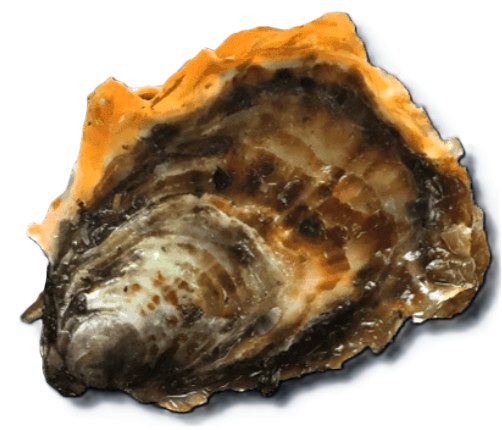
Aussie oysters are famous around the world. Few people realise that one of the industry’s biggest turning points began in Japan. A tiny shellfish—and decades of scientific cooperation—helped reshape Australian aquaculture.
オーストラリア産のカキは世界的に高く評価されています。しかし、その発展の大きな転機の一つが日本にあったことは、あまり知られていません。一つの小さな貝と、長年にわたる日豪の科学協力がオーストラリアの養殖業を大きく変えたのです。
An Industry Faces New Challenges
転機を迎えたオーストラリアのカキ産業
For generations, Australia’s oyster industry relied on the native Sydney rock oyster. It remains one of the country’s finest seafoods.
But during the 20th century, growers faced disease, slow growth and changing environmental conditions.
They began searching for new ideas.
転機を迎えたオーストラリアのカキ産業
長年にわたり、オーストラリアのカキ産業はシドニーロックオイスターを中心に発展してきました。
現在も高級食材として親しまれています。
しかし20世紀になると、病気や成長速度、環境の変化など、新たな課題に直面しました。
生産者たちは新しい可能性を探し始めます。
Looking to Japan
日本に学ぶ
Japan had centuries of experience cultivating oysters.
Its farmers had developed efficient methods for collecting oyster spat, raising young oysters and managing productive farms.
Australian researchers and industry leaders studied those techniques closely.
The exchange of knowledge proved just as valuable as the oysters themselves.
日本に学ぶ
日本には、何世紀にもわたるカキ養殖の歴史がありました。
採苗や育成、養殖管理など、高度な技術が確立されていました。
オーストラリアの研究者や生産者は、それらを熱心に学びました。
持ち込まれたのはカキだけではなく、知識と経験でもあったのです。
A New Arrival
新たなカキの登場
During the second half of the twentieth century, the Pacific oyster (Crassostrea gigas), native to Japan and neighbouring parts of Asia, became established in Australia.
Its rapid growth and suitability for aquaculture transformed production in several states, particularly Tasmania, South Australia and Western Australia.
Today, Pacific oysters are a major part of Australia’s seafood industry.
新たなカキの登場
20世紀後半、日本などを原産とするマガキ(Crassostrea gigas)がオーストラリアで広く養殖されるようになりました。
成長が早く養殖に適していたことから、特にタスマニア州、南オーストラリア州、西オーストラリア州で生産が大きく発展しました。
現在では、オーストラリアを代表する養殖カキの一つとなっています。
Science Across the Sea
海を越えた科学協力
The story is about more than a species.
Australian and Japanese scientists have worked together on oyster breeding, disease management and sustainable aquaculture for decades.
Their collaboration continues to improve seafood production while protecting coastal environments.
海を越えた科学協力
この物語は、カキの種類だけではありません。
日豪の研究者たちは長年にわたり、品種改良や病気対策、持続可能な養殖技術の研究を進めてきました。
その協力は、海の環境を守りながら水産業を発展させています。
More Than Food
カキが結んだ日豪交流
Most people think of oysters as something to enjoy with lemon or a splash of dressing.
Few realise they also tell a story of international cooperation.
Farmers, scientists and researchers in both countries shared ideas that continue to benefit producers today.
カキが結んだ日豪交流
カキといえば、美味しい食べ物を思い浮かべる人がほとんどでしょう。
しかし、その裏には国境を越えた協力の歴史があります。
生産者や研究者たちは知識を共有し、その成果は今も両国の水産業に生かされています。
An Unknown Nichigo Story
「知られざる日豪交流」の物語
The Australia–Japan relationship is often measured in trade figures and diplomatic meetings.
Yet one of its most successful partnerships happened quietly, in estuaries, laboratories and oyster leases.
Sometimes, lasting friendship grows one shell at a time.
「知られざる日豪交流」の物語
日豪関係は、貿易や外交で語られることが少なくありません。
しかし、その成功例の一つは、入り江や研究所、養殖場で静かに育まれてきました。
友情は、ときに一枚の貝殻から始まるのです。
Did You Know?
The Pacific oyster (Crassostrea gigas) is now one of the world’s most widely cultivated oyster species. Although native to Japan and nearby waters, it is farmed in many countries, including Australia, where it has become a cornerstone of the aquaculture industry.
豆知識
マガキ(Crassostrea gigas)は世界で最も広く養殖されているカキの一つです。日本周辺を原産としますが、現在ではオーストラリアを含む多くの国で養殖され、水産業を支えています。
Sources
- Fisheries Research and Development Corporation
- Australian Bureau of Agricultural and Resource Economics and Sciences
- Food and Agriculture Organization of the United Nations
- CSIRO
- Tasmanian Oyster Research Council