What Actually Makes Someone A Bogan?

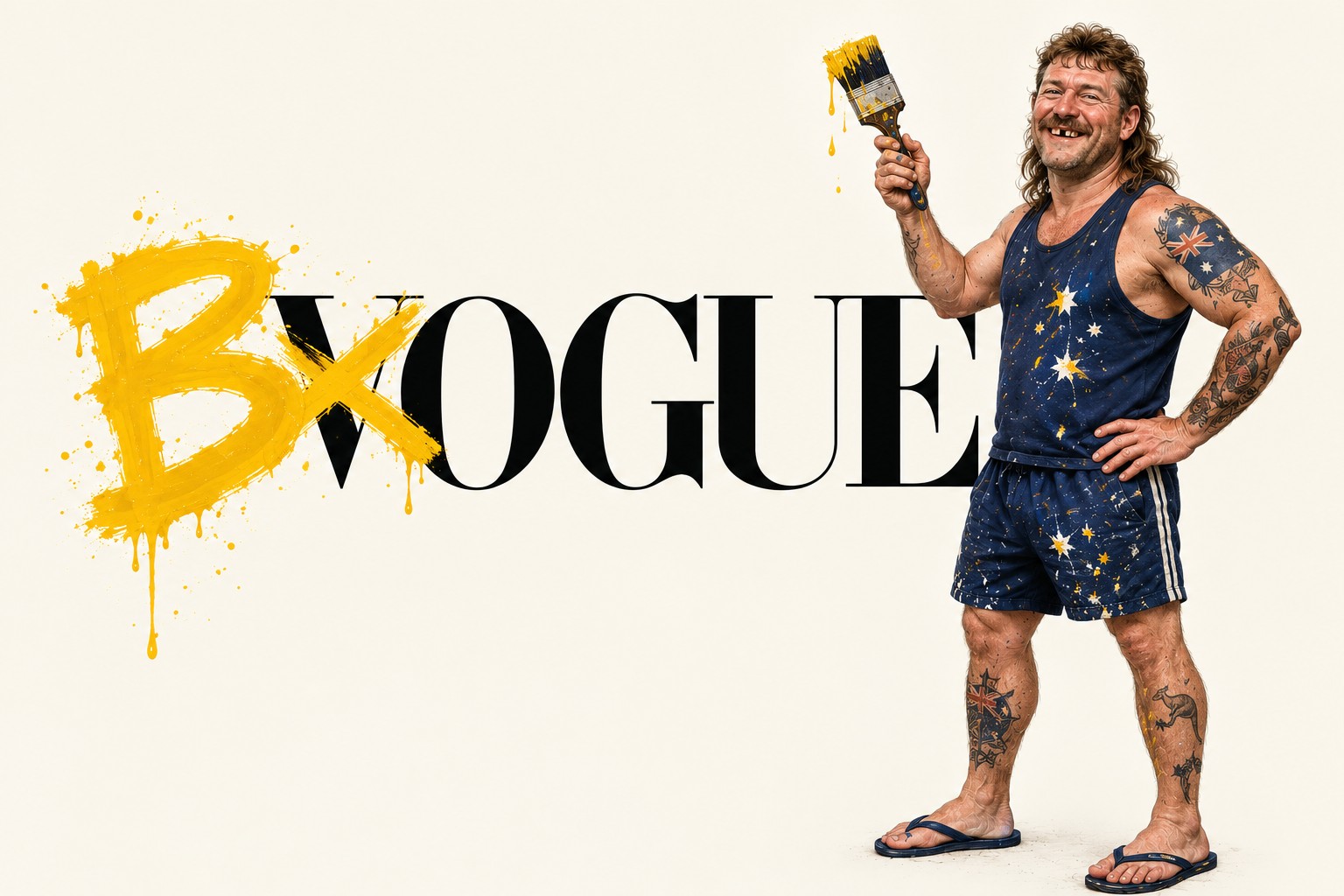
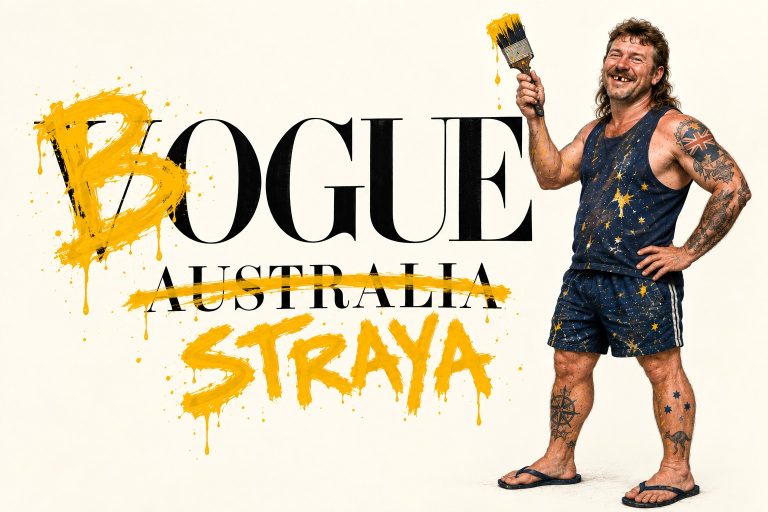
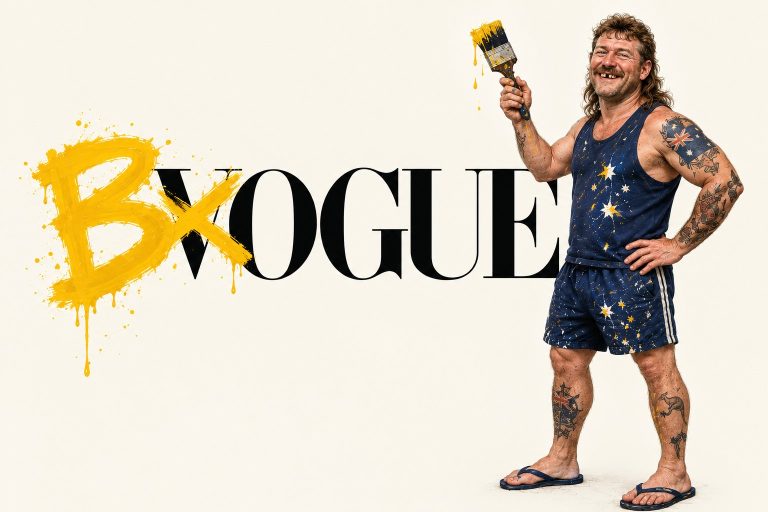
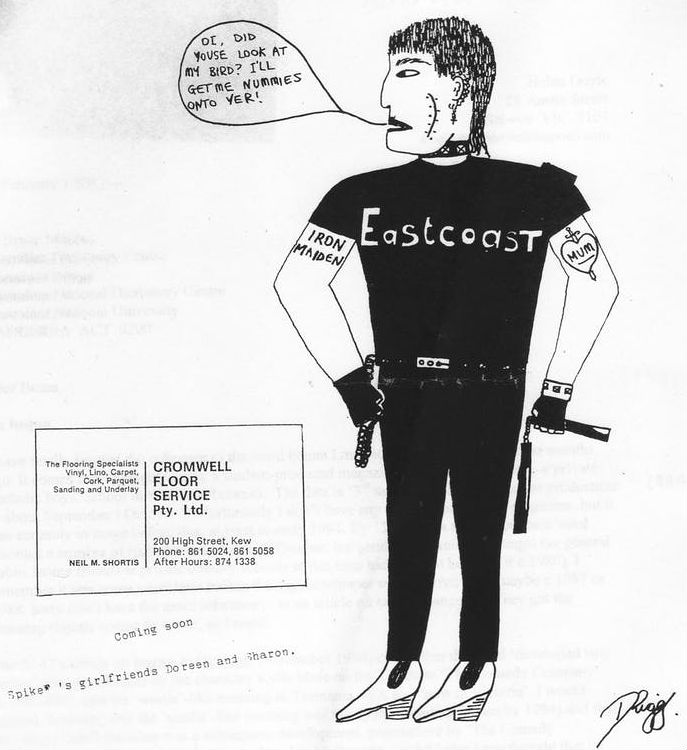
This is where things get complicated. The classic visual stereotype is: Mullet + flanno + singlet + black jeans/shorts + boots/thongs + tattoos + beer + ute + loud music.

The stereotype is so powerful that even people who don’t identify as bogans know exactly what the image means. But researchers increasingly point out that the real definition isn’t socioeconomic status.

A wealthy person can be a bogan.

An educated person can be a bogan.

A professional can be a bogan.

A person with a university degree and a six-figure salary can apparently be a CUB — “cashed-up bogan.”

The rise of the CUB was particularly important because it broke the connection between being poor and being bogan. The more accurate distinction is often cultural capital rather than financial capital. In plain English: You can have money without having taste.

And Australia has enormous fun with that idea.
Cop A Gander At These Rippers Too...

  • Where Did “Bogan” Come From?

    This is where things get wonderfully murky. The popular theories include: The evidence currently points most strongly toward Melbourne in the early 1980s, although the ultimate etymology remains uncertain. Historian and linguist Bruce Moore found evidence from 1984, in a student magazine at Melbourne’s Xavier College, describing a fictional “bogan doll”. The character already possessed many of the stereotypes we would recognise today: tattoos, long hair, heavy-metal clothing, sleeveless denim, etc. The word then appears in a 1985 issue of Tracks magazine. By the late 1980s it was spreading nationally. By the early 1990s, it was essentially established Australian slang. The really funny part The word may have been popularised…

  • |

    Music As A Bogan Cultural Element

    Bogan culture has an extremely strong musical component. The canonical soundtrack includes: And here we encounter another great paradox. Some music associated with bogan culture is highly sophisticated musically and enormously influential internationally. AC/DC, for example, isn’t culturally insignificant because bogans love them. Quite the opposite. The music becomes part of a national mythology. Triple J even held a National Bogan Day in 2002, celebrating the stereotype with music including Cold Chisel, Midnight Oil, Rose Tattoo and AC/DC. So “bogan music” isn’t necessarily bad music. It is music that has become culturally associated with unpretentious Australian masculinity and working-class authenticity.

  • |

    Gangnam Bogan Style! K-Pop大ヒットの豪ダサイ風パロディ版が注目を浴びている

    今、韓国K-PopアーティストPSYの「江南スタイル」が世界中に大ヒットが、数多くのパロディ版も発表され、その中オージーのダサイ文化を称える「ボーガン」風のMelbourne Styleが注目を浴びている。 K-Pop artist PSY may have scored a massive global hit with his catchy Gangnam Style, but he’s also inspired plenty of parodies, including Gangnam – Melbourne Style!, a version that celebrates Australia’s bogan culture of the unfashionable. ちなみに、元の「江南スタイル」がこうだ。 Incidentally, the original Gangnam Style is here.  ビデオの独特なダンスがヒットの原因一つとしているが、日本のネット社会では日本のカー用品販売「イエローハットCMのパックリだ」という声も上がっている。そのビデオがここにある。どう思う? The dance mimicking a lasso-wielding horse-rider in Gangnam Style is often cited as a source of the hit’s success, but some among Japan’s Net community say PSY has ripped off moves from an ad produced here years ago by Yellow Cab, a car accessories seller. That video is here. What do you reckon?

  • | | |

    Why Did Aussies Fall in Love with Japan’s Akiya?

    なぜオージーは日本の空き家に魅了されたのか? Lots of Aussies first discovered Japan through “Japow!,” its powdered snow. Now, many are discovering something even more unexpected—its empty country homes. From Niseko to Hakuba and beyond, Aussies are helping breathe new life into communities facing population decline. 多くなオージーが最初に夢中になったのは日本の雪でした。しかし今、彼らを引きつけているのは、地方に残る空き家です。ニセコや白馬をはじめ、日本各地でオーストラリア人が地域に新しい息吹をもたらしています。 Real Estate Romance Started with the Snow すべては雪から始まった The real estate romance relationship began in the 1990s when Aussie skiers discovered the deep powder snow of Hokkaido. Niseko soon became Australia’s favourite overseas ski destination. Many visitors returned year after year, eventually deciding to invest, settle or establish businesses in the region. すべては雪から始まった 1990年代、オーストラリア人スキーヤーが北海道の極上のパウダースノーを発見したことが始まりでした。 ニセコは瞬く間に人気のスキーリゾートとなり、何度も訪れるうちに、移住や投資、事業を始める人が現れました。 From Niseko to Hakuba ニセコから白馬へ After helping transform Niseko into an international resort, Australian…

  • いったい「ボーガン」って何者なのか?

    ここがちょっとややこしい。 まず、みんなが思い浮かべる“典型的ボーガン像”はこんな感じだ。マレットヘア+ネルシャツ(フランノ)+タンクトップ+黒ジーンズ/ショーツ+ブーツかビーチサンダル+タトゥー+ビール+ユート(軽トラ的なやつ)+爆音ミュージック。 このイメージがあまりにも強烈だから、 自分はボーガンじゃないと思ってる人でさえ、 「はいはい、あの感じね」と即理解できる。 でも、最近の研究では“本当の定義”はそこじゃないと言われている。ボーガン=低所得層 ……ではない。 お金持ちでもボーガンになれる。高学歴でもボーガンになれる。バリバリのプロフェッショナルでもボーガンになれる。大学卒で年収6桁の人が「CUB(Cashed-Up Bogan=金持ちボーガン)」と呼ばれることもあるくらい。このCUBの登場はかなり重要で、“貧しい=ボーガン”というイメージを完全にぶち壊した。 より正確な区別は、経済力よりも文化的なセンス(カルチャー・キャピタル)にあるらしい。つまり、ざっくり言うとこうだ。お金はあっても、センスがあるとは限らない。 そしてオーストラリアは、このギャップをネタにしてめちゃくちゃ楽しんでいる国でもある。

  • |

    豪キャブラリー:Yobbo

    Yobboは、厳密に言えばオージー英語のみではなく、イギリス英語でも使われている言葉けれでも、オージー英語独特な使い方があるから豪キャブラリーに当てはめれると考えRooが判定した。  オージー英語のyobboは品が悪くて教養のない男の人を示す軽蔑用語でありながら、反社会的な行動がよくyobbish, yobbo-likeと言われているので特定な人に使わない限りどこでも使える言葉。  Yobboは死語になりつつある。今のオーストラリアではboganが主流となっている。今が似ているけど、女性にも当てはまる上にbogan独特な文化が出来上がっているので、豪社会ではboganがバカにされながら完全に市民権を得ている。  ちなみに、イギリス英語のyobboは同上の意味がある上に暴力行為を振る人に対して使う。オージー英語のyobboは必ず暴力を振るという感覚がない。  Yobboの由来はboyを逆にしてyobとなり、それを伸ばしたような感じだ。