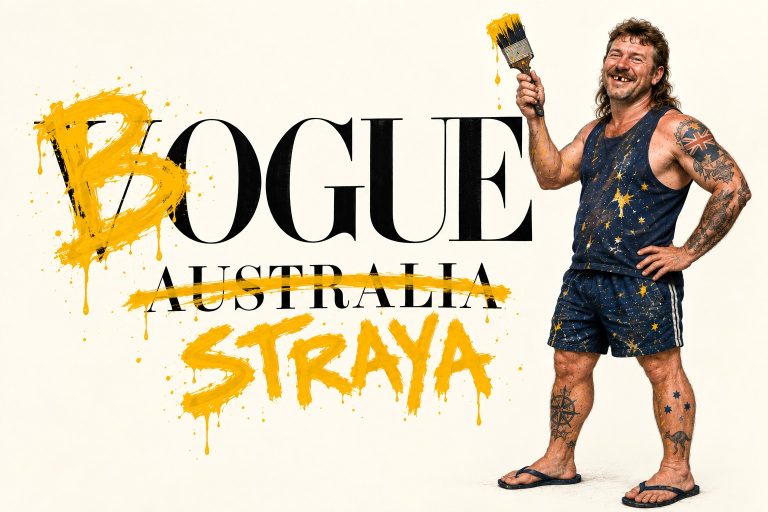
The Dark Side Of The Bogan

It would be a mistake to romanticise the phenomenon completely.

“Bogan” can be profoundly classist.

It can function as a respectable-sounding way of insulting:

  • poor people;
  • people from particular suburbs;
  • people with low educational attainment;
  • people with particular accents;
  • people with particular tastes.

And stereotypes associated with bogan culture can also include:

  • misogyny;
  • racism;
  • homophobia;
  • excessive drinking;
  • violence;
  • anti-intellectualism;
  • antisocial behaviour.

But these aren’t inherent characteristics of every person labelled bogan.

That’s precisely why the term is so slippery.

One academic analysis calls “bogan” a “sticky sign” because it can simultaneously attract contempt, affection, identification and disidentification.
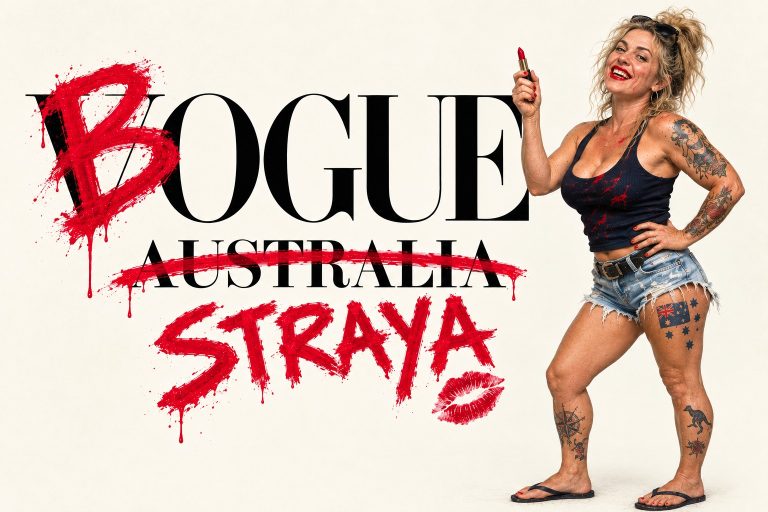

Cop A Gander At These Rippers Too...

  • 「ボーガン」という言葉はどこから来たのか?

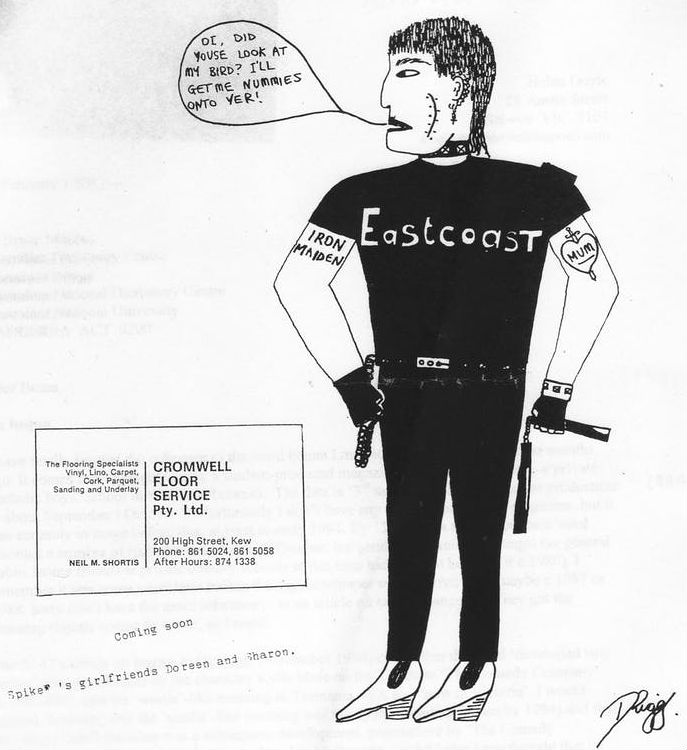
    ここがまた、いい感じに“モヤッ”としている。 世間でよく語られる説はこんなところだ。 いろいろ言われているけれど、 現時点で一番有力なのは 1980年代初期のメルボルン発 という説。ただし、最終的な語源はまだハッキリしない。この“曖昧さ”もまたオーストラリアらしい。 歴史家ブルース・ムーアの発見 歴史家で言語学者のブルース・ムーアが見つけたのは、1984年のメルボルン・ザビエル校の学生誌。 そこに 「ボーガン人形」 という架空キャラが登場していて、 すでに今のボーガン像とほぼ同じ特徴を持っていた。 などなど、今見ても「うん、ボーガンだわ」と納得するスタイル。 By the late 1980s it was spreading nationally. By the early 1990s, it was essentially established Australian slang. 翌年にはサーフ系雑誌 Tracks にも登場し、 1980年代後半には全国に広がり始め、 1990年代初頭には完全に“オーストラリアのスラング”として定着した。 そして一番面白いポイント この言葉を広めたのは、 「自分たちより文化的に洗練されていない人」を指して使っていた、 アッパーミドル階級の私立校ティーンたちだった可能性が高い。 つまり、ボーガンは、ボーガンじゃない人たちが作った言葉かもしれない。 これ、文化史としてめちゃくちゃ面白い。 階級、センス、アイデンティティが入り混じって、 オーストラリアらしい“ゆるい社会学”がそこにある。

  • いったい「ボーガン」って何者なのか?

    ここがちょっとややこしい。 まず、みんなが思い浮かべる“典型的ボーガン像”はこんな感じだ。マレットヘア+ネルシャツ(フランノ)+タンクトップ+黒ジーンズ/ショーツ+ブーツかビーチサンダル+タトゥー+ビール+ユート(軽トラ的なやつ)+爆音ミュージック。 このイメージがあまりにも強烈だから、 自分はボーガンじゃないと思ってる人でさえ、 「はいはい、あの感じね」と即理解できる。 でも、最近の研究では“本当の定義”はそこじゃないと言われている。ボーガン=低所得層 ……ではない。 お金持ちでもボーガンになれる。高学歴でもボーガンになれる。バリバリのプロフェッショナルでもボーガンになれる。大学卒で年収6桁の人が「CUB(Cashed-Up Bogan=金持ちボーガン)」と呼ばれることもあるくらい。このCUBの登場はかなり重要で、“貧しい=ボーガン”というイメージを完全にぶち壊した。 より正確な区別は、経済力よりも文化的なセンス(カルチャー・キャピタル)にあるらしい。つまり、ざっくり言うとこうだ。お金はあっても、センスがあるとは限らない。 そしてオーストラリアは、このギャップをネタにしてめちゃくちゃ楽しんでいる国でもある。

  • The Great Bogan Aesthetic

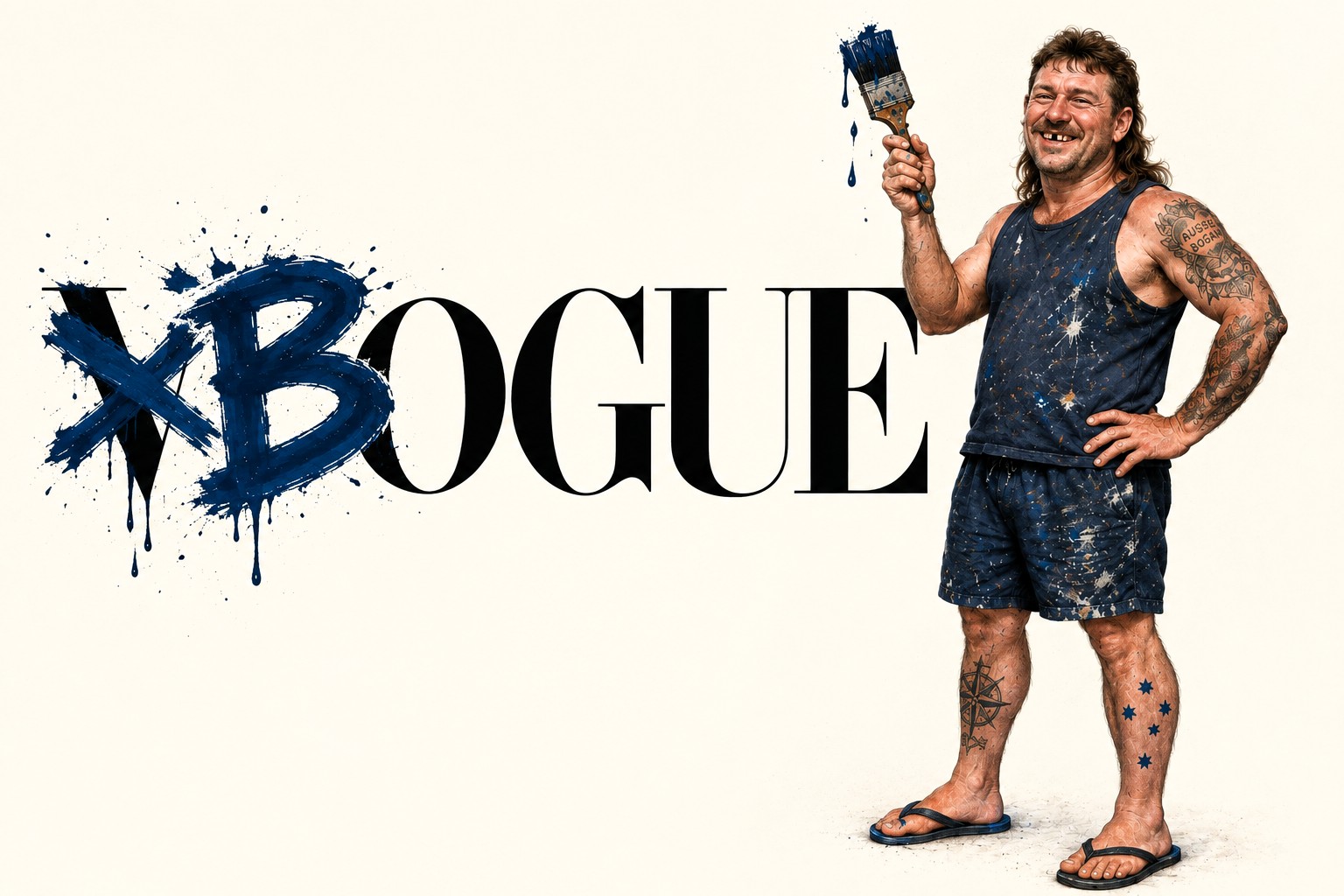
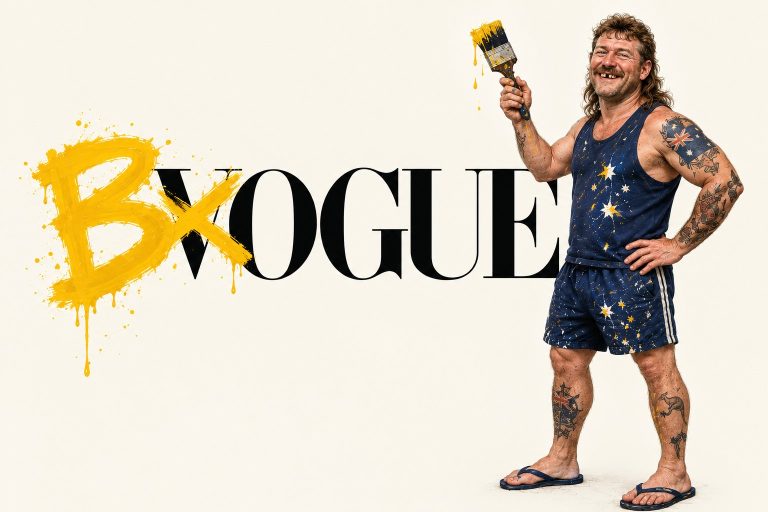
    The visual language is almost a complete design system. Hair The mullet is probably the supreme bogan symbol. Business at the front. Party at the back. And, increasingly, deliberate cultural signalling. The mullet has moved far beyond its original association with rough Australian masculinity and has become a self-conscious Australian cultural icon. Mullet competitions have become an actual spectacle, with categories such as “extreme”, “grubby”, “everyday” and “ranga”. There are even children’s mullet competitions in Australia in 2026. That is an extraordinary example of a hairstyle moving from social stigma → joke → nostalgia → fashion → identity. Clothing The classic wardrobe includes: But again, the interesting thing is that…

  • Cars: Probably The Greatest Bogan Art Form

    If you wanted to identify one area in which bogan culture becomes genuinely subcultural, I’d choose cars. Particularly: Australia developed a particularly distinctive form of working-class car culture around the Holden–Ford rivalry. The ute is especially significant. It is simultaneously: work vehicle + family vehicle + status symbol + masculine identity + recreational toy. And then there is the Australian phenomenon of the hoon. The hoon and the bogan aren’t identical, but they overlap heavily.