What Happened When Australia And Japan Met At The Olympics?
オリンピックで出会ったオーストラリアと日本は、その後どうなった?
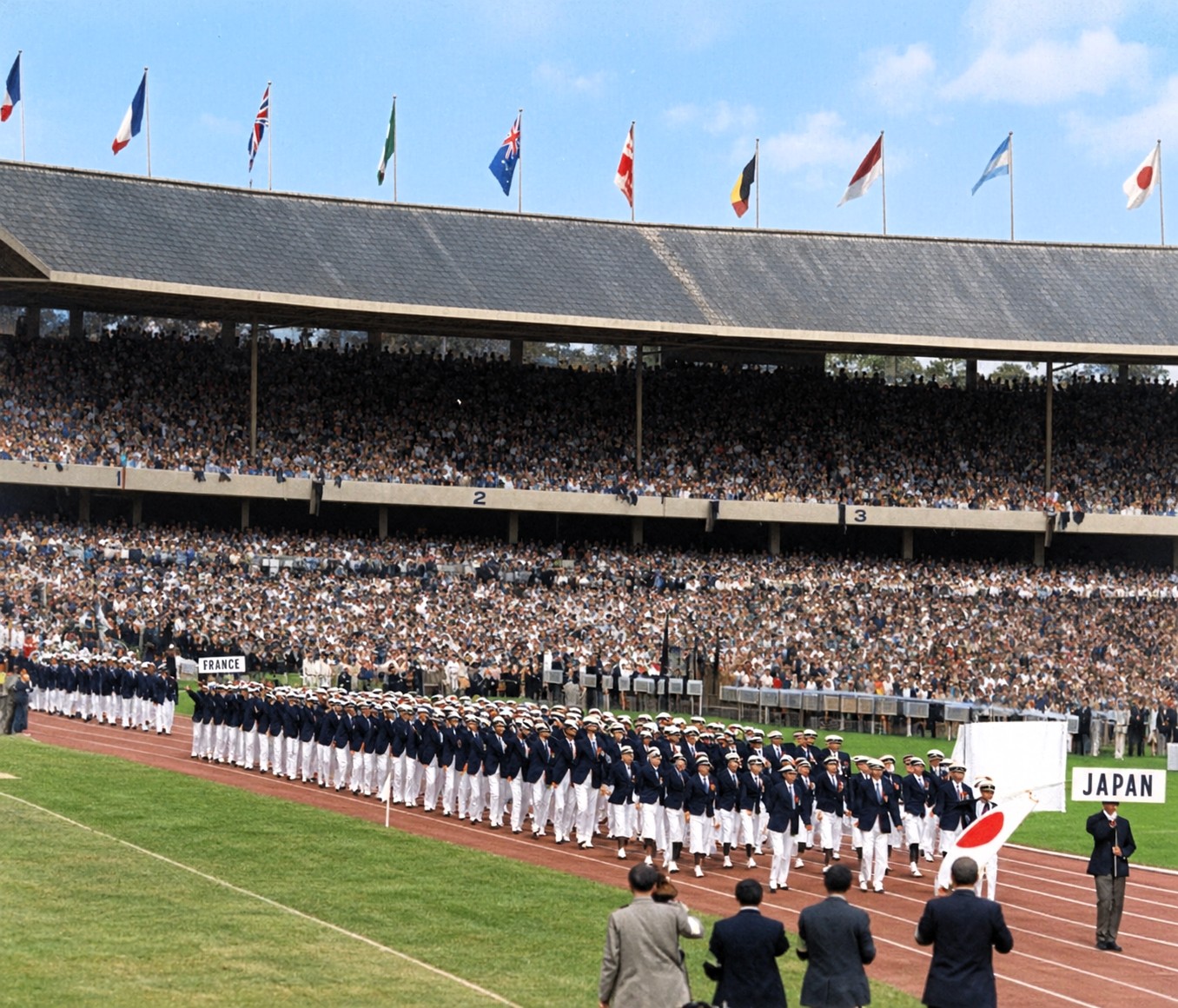
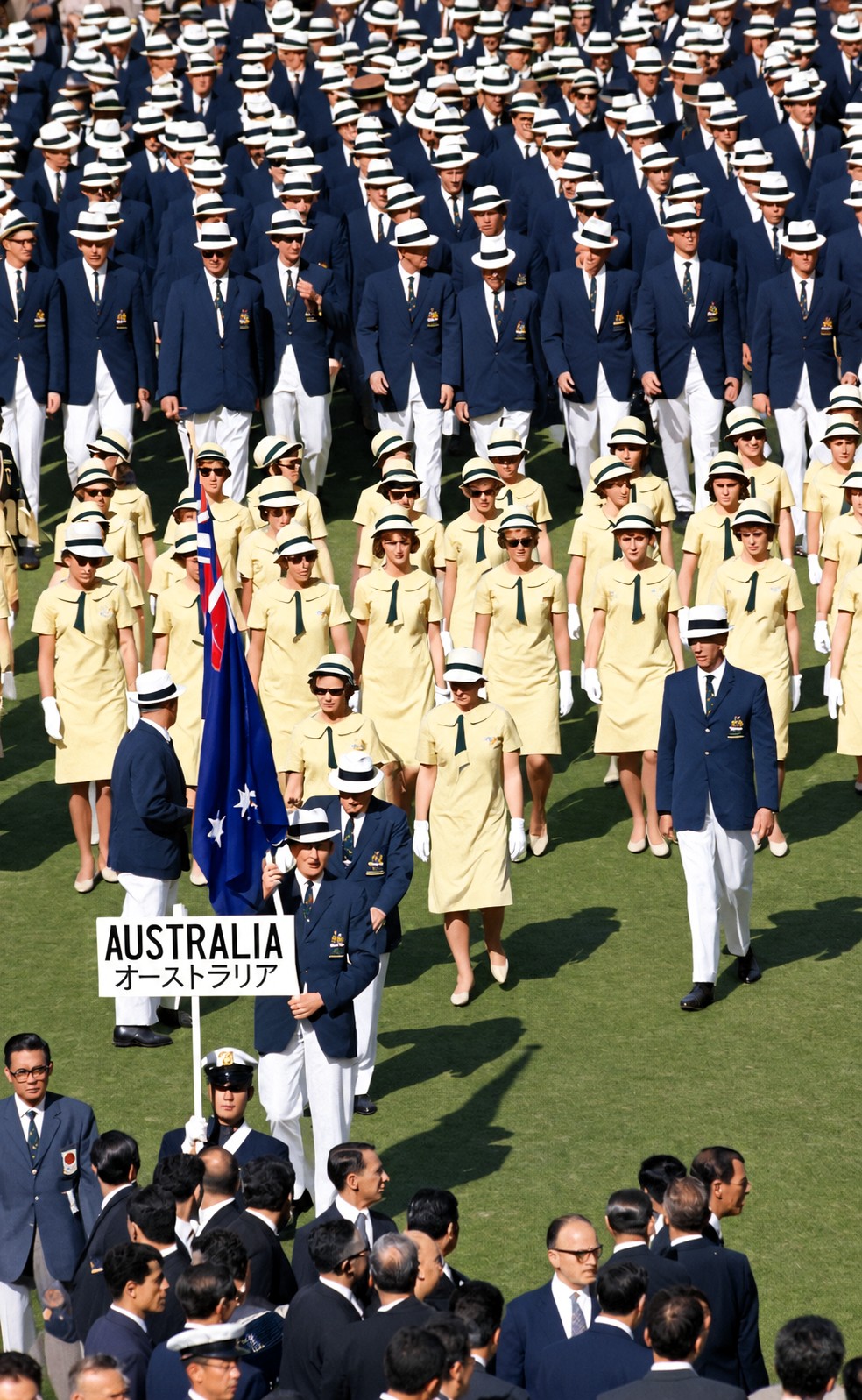
Sports Day is coming up, so it’s a good time to think that when Australia and Japan began celebrating 50 years of the Treaty of Friendship and Cooperation in 2026, there was an obvious place to look for the story of their relationship: the Olympic Games.
The two countries have met at Olympics in Melbourne, Tokyo, Sapporo, Nagano and Sydney, and will meet again when Brisbane hosts the Games in 2032. But the interesting stories are not really about medal tables.
They are about swimmers who became rivals, athletes who became Japanese favourites, schoolchildren who adopted an Australian team, students who stayed connected across the pandemic, and even a Japanese architectural firm helping to shape Australia’s next Olympic Games.
2026年、日本とオーストラリアは日豪友好協力基本条約の締結から50周年を迎えました。その50年の交流を振り返るなら、オリンピックは格好の舞台です。両国はメルボルン、東京、札幌、長野、シドニーでオリンピックを共有し、2032年にはブリスベンで再び同じ舞台に立ちます。
しかし、面白いのはメダル数ではありません。ライバルになった水泳選手、日本で人気者になったオーストラリア人選手、オーストラリア代表を応援した長野の中学生、コロナ禍でも交流を続けた日本とオーストラリアの子どもたち、そして2032年のオーストラリアのオリンピック会場を設計する日本企業。オリンピックを通して見えてくるのは、国同士の関係よりも、人と人との関係なのです。
Melbourne 1956: Japan comes back to the Olympics
1956年メルボルン:日本がオリンピックに戻ってきた
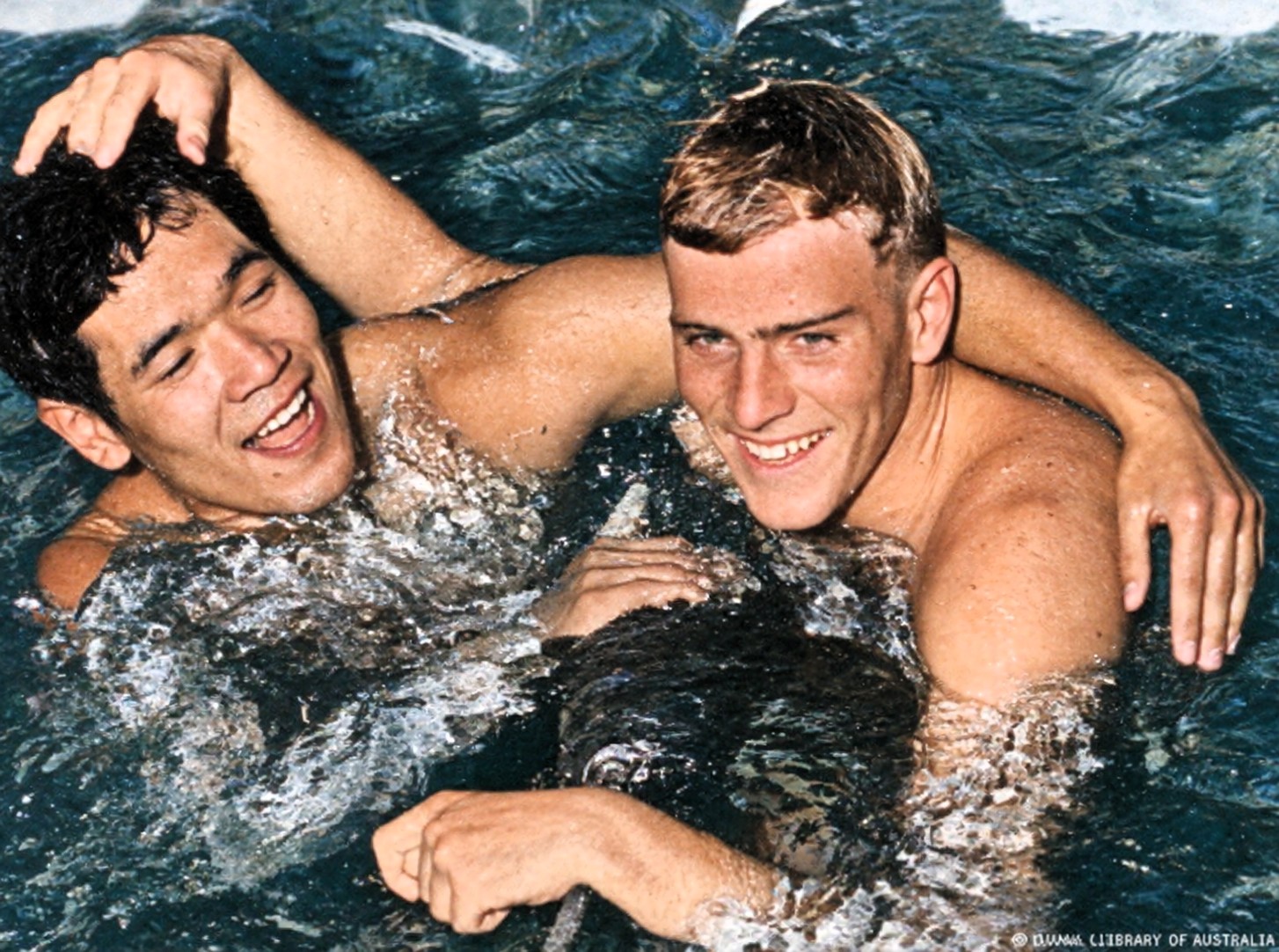
The story begins in Melbourne. The 1956 Olympics were Australia’s first Games and the first Olympics held in the southern hemisphere. Japan won four gold medals in Melbourne, including one in swimming, while Tsuyoshi Yamanaka won silver in both the 400m and 1,500m freestyle. Waiting for him in the pool was one of Australia’s new sporting heroes: Murray Rose.
メルボルンから物語は始まります。1956年大会はオーストラリア初のオリンピックであり、南半球で初めて開催された大会でした。日本はメルボルンで金メダル4個を獲得。そのうち1個は競泳の古川勝による200メートル平泳ぎでした。そして400メートル自由形と1,500メートル自由形では、山中毅が銀メダルを獲得しました。その山中を待っていたのが、オーストラリアの新しい英雄となったマレー・ローズでした。
Rose won three gold medals in Melbourne: the 400m freestyle, 1,500m freestyle and 4x200m freestyle relay. Yamanaka finished behind him in both individual events. The two would meet again at Rome in 1960, where Rose successfully defended his 400m title. The rivalry was entirely sporting, but it was also part of a much bigger development. Japanese and Australian swimmers were now competing against one another at the highest level, rather than simply reading about each other’s performances from the other side of the world.
ローズはメルボルンで400メートル自由形、1,500メートル自由形、4×200メートル自由形リレーの3種目で金メダルを獲得しました。山中はその2種目でローズに続く銀メダル。2人は1960年ローマ大会でも対戦し、ローズは400メートル自由形で連覇を達成しました。これはもちろんスポーツ上のライバル関係です。しかし同時に、日本とオーストラリアの選手が世界のトップレベルで直接競い合う時代が始まったことを意味していました。
And Melbourne produced another Olympic tradition that fits the friendship story perfectly. A 17-year-old Melbourne apprentice, John Ian Wing, suggested that athletes should not march separately behind their national teams at the closing ceremony. Instead, they should mingle together. The organisers accepted his idea. It has been an Olympic tradition ever since.
メルボルンでは、友好というテーマにぴったりのオリンピックの伝統も生まれました。17歳のメルボルンの見習い大工、ジョン・イアン・ウィングが、閉会式で各国の選手が国別に行進するのではなく、一緒に歩くことを提案しました。大会組織委員会はこのアイデアを採用。以来、オリンピックの閉会式では選手たちが国籍を越えて一緒に歩くことが伝統になりました。
It was a remarkably Australian idea for a Games advertised as the “Friendly Games.”
「Friendly Games(友好の大会)」と呼ばれたメルボルン大会に、これほどオーストラリアらしいエピソードはありません。
Tokyo 1964: Dawn Fraser becomes Japan’s Popular Aussie
1964年東京:ドーン・フレーザーが日本の人気者に
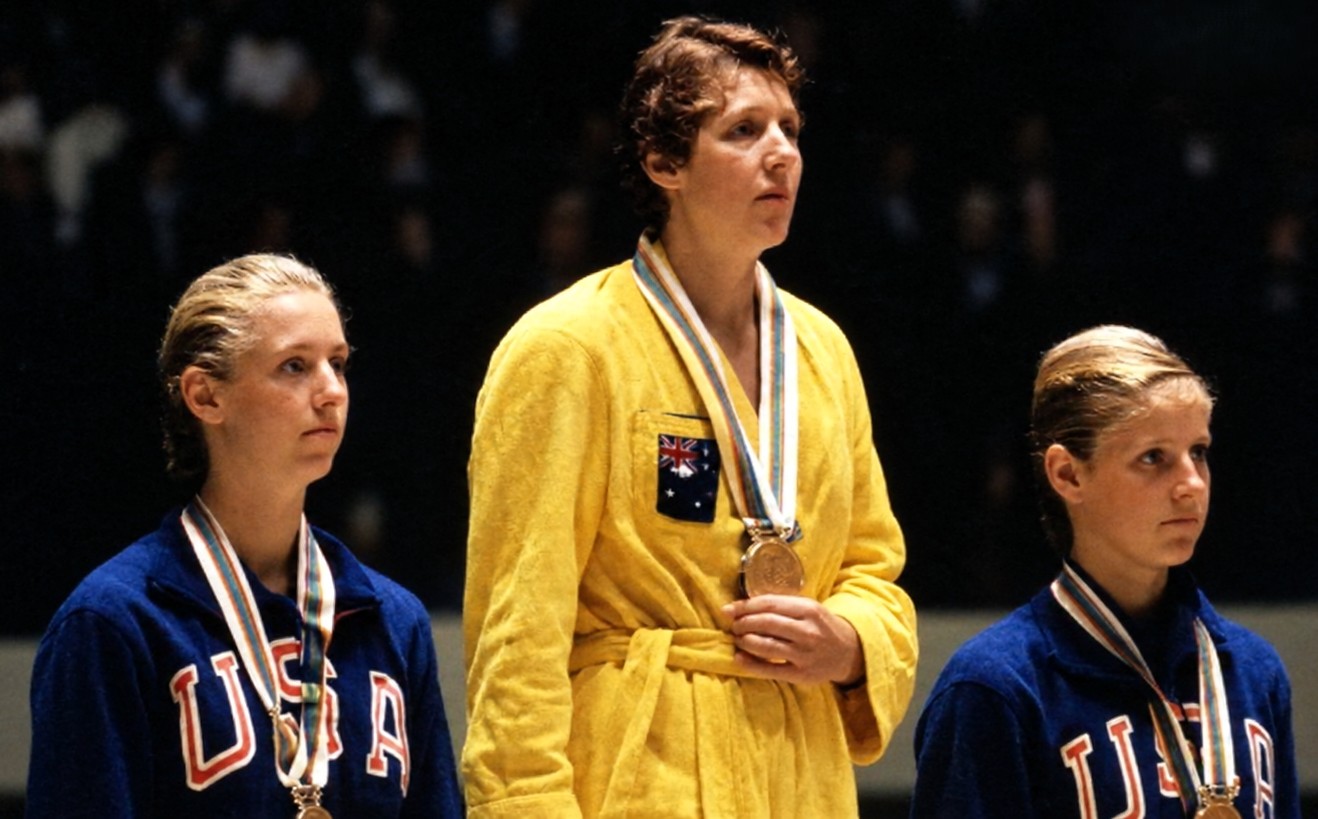
Eight years later, the Olympics arrived in Japan for the first time. Australia’s greatest swimming star was back. Dawn Fraser won the 100m freestyle for the third consecutive Olympics, becoming the first swimmer to achieve that feat. She also became Australia’s first Olympic closing-ceremony flag bearer.
8年後、オリンピックは初めて日本へやってきました。そしてオーストラリアからは、最大のスターが再び登場します。ドーン・フレーザーです。フレーザーは100メートル自由形で3大会連続の金メダルを獲得し、同一個人種目で3大会連続優勝を果たした史上初の競泳選手となりました。さらに閉会式では、オーストラリア初の閉会式旗手を務めました。
But Tokyo also became famous for a much less official Fraser moment. During the Games, Fraser and several Australian swimmers were involved in a series of incidents that annoyed Australian swimming officials. One of the most famous was Fraser’s unauthorised attempt to take a flag from outside the Emperor’s Palace. She was subsequently suspended from international competition. Yet the story did not turn Japanese people against her. Quite the opposite.
しかし東京大会には、もっと非公式なフレーザーの有名なエピソードがあります。大会中、フレーザーとオーストラリアの競泳選手たちは、オーストラリアの競泳関係者を怒らせるいくつかの出来事を起こしました。その中でも有名なのが、皇居の近くに掲げられていた旗を無断で取ろうとした出来事です。フレーザーはその後、国際大会への出場停止処分を受けました。ところが、この騒動が日本人のフレーザーへの好感を失わせたわけではありませんでした。むしろ逆だったのです。
Half a century later, Japanese Prime Minister Shinzo Abe told the Australian Parliament that he had watched the 1964 Games as a child. He remembered being dazzled by Fraser.
“Dawn, to me, you were Australia,” he told her when she was sitting in the gallery.
それから半世紀後、日本の安倍晋三首相はオーストラリア議会で、子どものころに1964年東京大会を見ていたことを語りました。そしてフレーザーの泳ぎに魅了されたことを覚えていました。議場の傍聴席にいたフレーザーに向かって、安倍首相はこう語りました。
「Dawn, to me, you were Australia.」
つまり、安倍首相にとって、フレーザーは「オーストラリアそのもの」だったのです。
That is an extraordinary thing for an Australian athlete to hear from the prime minister of Japan 50 years after the event. And it says something about the way sporting heroes can become part of another country’s memories.
50年前のスポーツ選手について、日本の首相からこのような言葉を贈られる。これはオーストラリアの選手にとって、かなり特別なことです。そして、スポーツ選手が国境を越えて、その国の人々の記憶の一部になることを示すエピソードでもあります。
Watch Our Dawn Win Gold In Tokyo
Sapporo 1972: Australia on Japanese snow
1972年札幌:日本の雪に挑んだオーストラリア
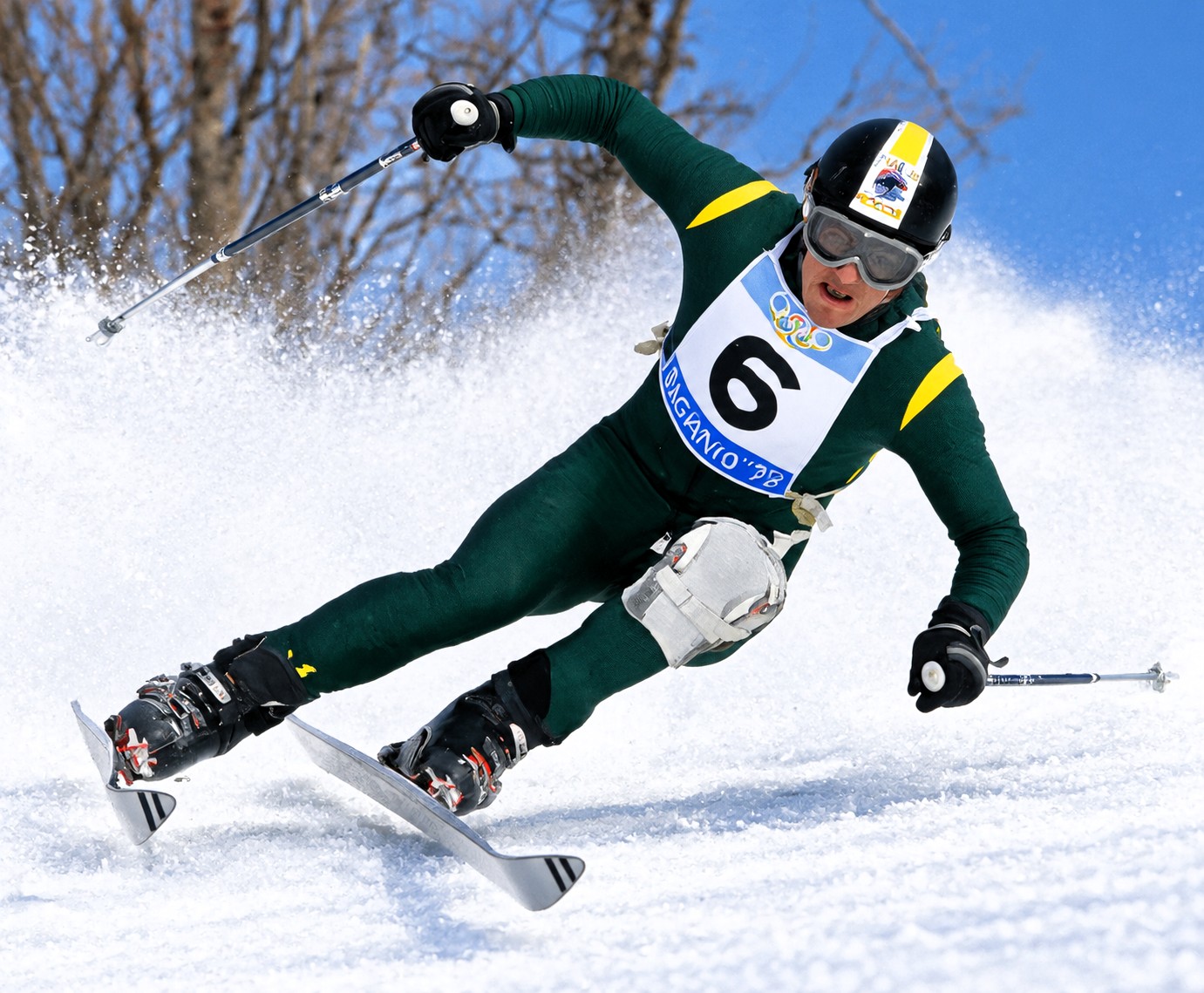
The Winter Olympics tell a quieter version of the story. Australia sent only four athletes to Sapporo in 1972. One of them was alpine skier Malcolm Milne, Australia’s first World Cup alpine skiing medallist and one of the country’s most important pioneers of winter sport.
札幌1972では、少し違った形の日豪交流が見えてきます。オーストラリア代表はわずか4人。その一人がアルペンスキーのマルコム・ミルンでした。ミルンはオーストラリア初のアルペンスキー・ワールドカップ・メダリストであり、同国のウインタースポーツを切り開いた重要な選手でした。
Sapporo was not his best day. He had injured his knee and nearly withdrew. During the downhill he almost fell, dragging his arm through the snow to regain his balance. He lost more than two seconds and finished 23rd. It was, he later said, his worst Olympic downhill.
札幌大会は、ミルンにとって最高の日にはなりませんでした。膝を負傷しており、出場を取りやめる寸前でした。ダウンヒルでは途中で大きくバランスを崩し、雪の上に腕をついて転倒を免れました。しかし、そのために2秒以上を失い、23位。本人は後に、オリンピックでの「最悪のダウンヒル」だったと振り返っています。
But Milne’s presence in Japan was another small link in a growing sporting relationship. Australian winter athletes were increasingly looking overseas for competition and training, while Japan was becoming an important Asian centre for winter sport. The Games in Sapporo were therefore less about a medal and more about two countries learning to compete in sports that neither had traditionally dominated.
しかし、ミルンが日本の雪上で戦ったこと自体が、広がりつつあったスポーツ交流の一部でした。オーストラリアのウインタースポーツ選手は、海外での競技やトレーニングを increasingly 必要とするようになり、日本もアジアの重要なウインタースポーツ拠点になっていきました。札幌大会は、メダル以上に、これまで伝統的な強豪国とはいえなかった両国が、スポーツを通して互いに近づいていく時代を象徴していたのです。
Nagano 1998: An Australian team gets its own Japanese supporters
1998年長野:オーストラリア代表には日本の応援団がいた
Nagano produced one of the loveliest Japan–Australia Olympic connections of all. The Nagano organisers created the “One School, One Country” programme. Japanese schools adopted participating countries, learned about their culture and cheered for their athletes. One of those schools was Shinonoi Nishi Middle School in Nagano. Its country was Australia.
長野1998では、日豪オリンピック交流の中でも特に心温まる出来事がありました。長野大会では「一校一国運動」という取り組みが行われました。日本の学校が参加国を一つ選び、その国について学び、選手たちを応援するというものです。その一校が、長野市立篠ノ井西中学校でした。担当した国はオーストラリア。
The students had been communicating with Australian students before the Games. During the Olympics they welcomed Australian athletes and officials, sang the Australian national anthem and cheered for the team. The Japanese Foreign Ministry’s contemporary Olympic record even preserved the students’ account of their meetings. They wrote that they had been nervous about meeting the Australian competitors — but that the athletes were friendly and listened carefully to their questions.
大会前から生徒たちはオーストラリアの中学生と交流していました。そして大会中には、オーストラリアの選手や関係者を歓迎し、オーストラリア国歌を歌い、代表選手を応援しました。当時の外務省の記録には、生徒たち自身による交流の様子も残っています。オーストラリアの選手と話すことに少し緊張していたものの、選手たちはとても親切で、生徒たちの質問にも熱心に耳を傾けてくれたそうです。
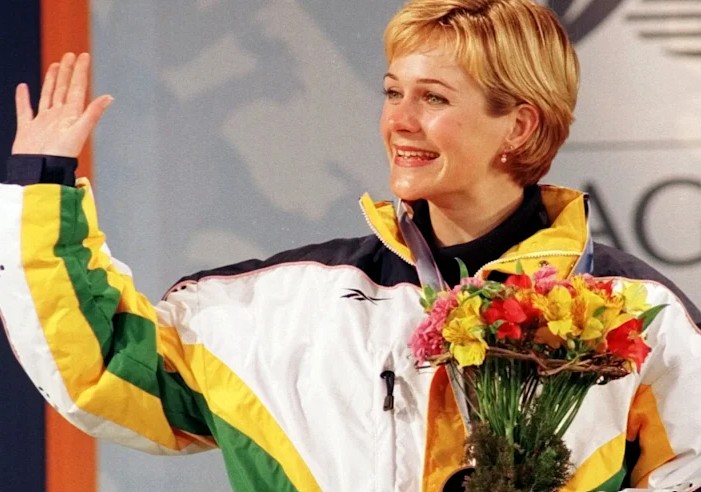
And then there was an Australian medal. Zali Steggall won bronze in the women’s slalom, becoming the first Australian to win an individual Winter Olympic medal. Her medal was memorable. But so was the fact that, somewhere in Nagano, Japanese schoolchildren were celebrating it as though it were partly theirs.
そしてオーストラリアにはメダルも生まれました。ザリ・ステッグルは女子回転で銅メダルを獲得。オーストラリア人として初めて、冬季オリンピックの個人種目でメダルを獲得した選手となりました。そのメダルはもちろん歴史的でした。しかし同じ長野のどこかで、日本の中学生たちがオーストラリアのメダルをまるで自分たちのことのように喜んでいたことも、同じくらい素敵な出来事だったのではないでしょうか。
Sydney 2000: Japan’s marathon moment
2000年シドニー:日本のマラソンがオーストラリアを走る
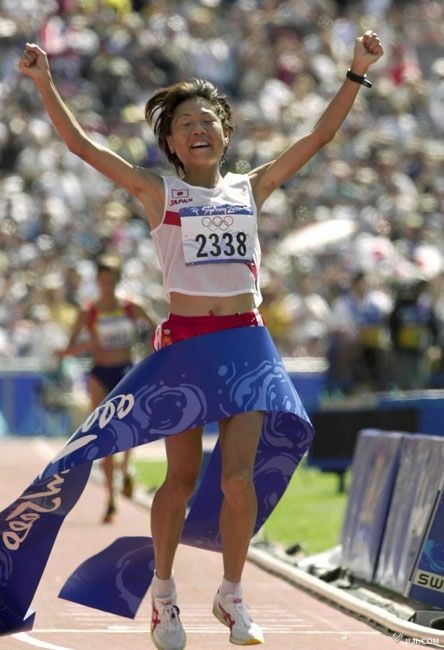
Then the Olympics came back to Australia. For Japan, Sydney produced one of the most important performances in its Olympic athletics history. Naoko Takahashi won the women’s marathon in an Olympic best of 2:23:14. It was Japan’s first Olympic gold medal in women’s athletics.
そしてオリンピックはオーストラリアへ戻ってきました。日本にとってシドニーは、オリンピック陸上競技史上でも特に重要な大会になりました。高橋尚子が女子マラソンで2時間23分14秒のオリンピック最高記録を出して優勝したのです。日本の女子陸上競技として初めてのオリンピック金メダルでした。
The Australian reaction was unusually warm. Australia’s track and field head coach Chris Wardlaw described Takahashi’s performance the following day as probably one of the greatest marathons they had witnessed. Japanese fans, meanwhile, turned the tiny runner into a national phenomenon.
オーストラリア側からも大きな評価が寄せられました。オーストラリア陸上競技チームのヘッドコーチだったクリス・ウォードローは翌日、高橋のレースについて「これまで見た中でもおそらく最も素晴らしいレースの一つ」と評価しました。一方、日本では高橋は一躍国民的ヒロインとなりました。
There was something fitting about Japan winning the marathon in Sydney. Australia had long had a powerful running culture, while Japan had developed its own extraordinary distance-running tradition. The Olympic course brought those worlds together.
シドニーで日本がマラソンを制したことには、どこか象徴的なものがあります。オーストラリアには長いランニング文化があり、日本にも独自の強力な長距離走文化が育っていました。その二つの世界が、オリンピックのマラソンコースで交差したのです。
And Takahashi’s connection with Australia did not end when she went home. A decade later, she returned to Australia as a goodwill ambassador for the Sydney Running Festival, helping maintain the people-to-people connection created by her Olympic victory.
そして高橋とオーストラリアとの関係は、帰国したところで終わりませんでした。その後、シドニー・ランニング・フェスティバルの親善大使として再びオーストラリアを訪れ、日本とオーストラリアの市民交流を続けました。
Tokyo 2020: When the athletes could not meet, the children did
東京2020:選手が会えないとき、子どもたちがつながった
The Tokyo Olympics were supposed to be a huge celebration of international friendship. Instead, COVID-19 changed everything. The Games were postponed for a year, international travel was severely restricted and the normal Olympic experience of athletes and supporters meeting each other largely disappeared.
東京オリンピックは、本来なら国際交流を大きく祝う大会になるはずでした。ところが、新型コロナウイルスがすべてを変えました。大会は1年延期され、国際的な移動は大きく制限され、選手や観客が直接出会うというオリンピック本来の体験も大きく失われました。
Australia and Japan found another way. The Australian Olympic Committee created Australian Olympic Connect Tomodachi, an online exchange programme linking Australian and Japanese schools. The Japanese word “tomodachi” means “friend.”
オーストラリアと日本は、別の方法を見つけました。オーストラリア・オリンピック委員会は、オーストラリアと日本の学校をオンラインでつなぐ「Australian Olympic Connect Tomodachi」を始めました。
The pilot project brought together schools in places as different as Alice Springs and Osaka. By the main programme in 2021, around 20,000 Australian and Japanese students from approximately 600 classes were taking part. While athletes were living under strict Olympic restrictions, children on opposite sides of the world were meeting on screens.
パイロット事業では、オーストラリア中央部のアリススプリングスと大阪の学校までがオンラインでつながりました。2021年の本格的なプログラムでは、オーストラリアと日本の約600クラス、約2万人の生徒が参加しました。選手たちが厳しい制限の中でオリンピック生活を送っている一方、地球の反対側にいる子どもたちは画面越しに出会っていたのです。
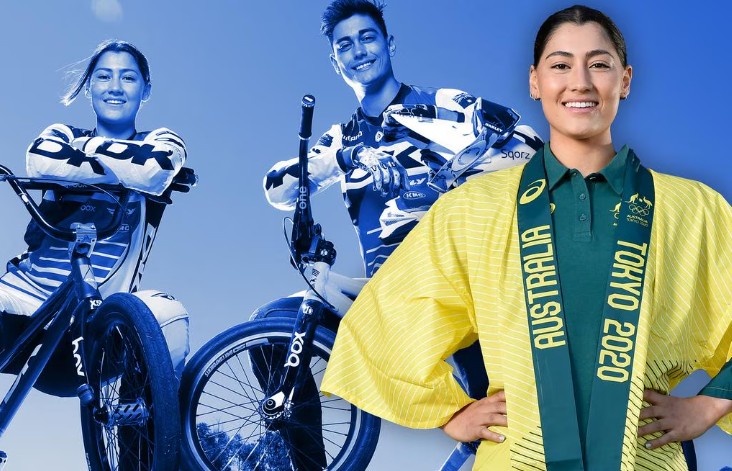
One of the athletes involved was Saya Sakakibara. Born on the Gold Coast to a Japanese mother, Sakakibara had spent part of her childhood in Japan before returning to Australia. She competed at Tokyo 2020 in BMX racing. A heavy favorite going into the event, she crashed out just short of the final. Four years later, in Paris, she became an Olympic champion.
その交流に関わった選手の一人が、BMXレーサーのサヤ・サカキバラでした。日本人の母を持ち、ゴールドコーストで生まれたサカキバラは、幼少期を日本で過ごしてからオーストラリアに戻りました。東京2020ではBMXレーシングに出場。決勝進出目前で転倒し、メダルには届きませんでした。そして4年後のパリ大会で、彼女はオリンピックチャンピオンになりました。
That is perhaps the most modern version of Australia–Japan Olympic friendship. Not one country versus another. A Japanese-Australian athlete. Japanese and Australian children. An Olympic Games in Japan. And a relationship that continued even when nobody could physically cross the border.
これこそ、現代の日豪オリンピック交流を象徴する話なのかもしれません。日本対オーストラリアではありません。日本とオーストラリアのルーツを持つ一人の選手。日本とオーストラリアの子どもたち。日本で開催されたオリンピック。そして、誰も国境を自由に越えられなかった時代にも続いた交流です。
Brisbane 2032: The Olympic connection comes full circle
2032年ブリスベン:オリンピックのつながりは一周する
On 21 July 2021, just days before the Tokyo 2020 Opening Ceremony, the IOC announced that Brisbane would host the 2032 Olympic and Paralympic Games. The announcement took place in Tokyo. So Japan handed the Olympic baton back to Australia.
2021年7月21日、東京2020大会の開会式をわずか数日後に控えた東京で、国際オリンピック委員会は2032年の開催地をブリスベンと発表しました。つまり、日本で開催されたオリンピックの直前に、次のオリンピックがオーストラリアへ引き継がれたのです。
And the connection is becoming even more literal. The principal architects of the new Brisbane Olympic stadium are Australian firms COX and Hassell, working with Japan’s Azusa Sekkei. Azusa Sekkei was also involved in the design of the Japan National Stadium used for Tokyo 2020. The stadium being prepared for Australia’s next Olympic Games therefore has a direct architectural connection to the stadium that hosted the previous one.
しかも、そのつながりはますます具体的になっています。ブリスベン2032の新しいオリンピックスタジアムでは、オーストラリアのCOXとHassellが、日本の梓設計(Azusa Sekkei)と共同で設計を進めています。梓設計は東京2020で使用された国立競技場の設計にも携わりました。つまり、オーストラリアの次のオリンピックを迎えるスタジアムには、その直前のオリンピックを開催した日本のスタジアムとの直接的な設計上のつながりがあるのです。

From Melbourne in 1956 to Brisbane in 2032, the Olympic relationship between Australia and Japan has therefore become something much bigger than sport. Swimmers became rivals. Rivals became respected opponents. An Australian swimmer became a Japanese childhood hero. Japanese schoolchildren became supporters of an Australian team. A Japanese marathon champion became a goodwill ambassador in Australia. Japanese and Australian children became friends online when the world was closed. And now Japanese expertise is helping Australia prepare to host the Games again.
1956年のメルボルンから2032年のブリスベンへ。日豪のオリンピック交流は、もはや単なるスポーツの話ではありません。水泳選手たちはライバルになりました。ライバルは互いを尊敬する競技者になりました。オーストラリアの水泳選手は、日本の子どもたちのヒーローになりました。日本の子どもたちは、オーストラリア代表の応援団になりました。日本のマラソン女王は、オーストラリアの親善大使になりました。世界中の国境が閉ざされたときには、日本とオーストラリアの子どもたちがオンラインで友達になりました。そして今、日本の技術と経験が、オーストラリアで次のオリンピックを迎える準備に加わっています。
Sometimes it is much easier to understand the Australia–Japan friendship by looking at a swimming pool, a ski slope, a marathon course or a classroom. 日豪友好を、条約や政府や外交だけで理解しようとすると、とても複雑に見えます。でも、プールやスキー場、マラソンコース、そして教室を見れば、もう少し簡単に見えてきます。そこでも、友情はつくられていたのです。
More About Japan-Australia Olympic Friendships…
- Australian Olympic Committee — Melbourne 1956
- Australian Olympic Committee — Tokyo 1964
- Australian Olympic Committee — Dawn Fraser
- Australian Prime Minister of Japan — Shinzo Abe’s 2014 Australian Parliament speech
- Australian Olympic Committee — Sapporo 1972
- Australian Olympic Committee — Malcolm Milne
- Australian Olympic Committee — Nagano 1998
- Japan Ministry of Foreign Affairs — Australian team and Shinonoi Nishi Middle School, Nagano 1998
- JOC — Sydney 2000 results
- World Athletics — Naoko Takahashi’s Sydney marathon
- Australian Olympic Committee — Australian Olympic Connect Tomodachi
- Australian Olympic Committee — Saya Sakakibara
- Consulate-General of Japan in Sydney — Tomodachi Connect and its 20,000 participants
- Australian Olympic Committee — Brisbane 2032
- Committee for Brisbane — Azusa Sekkei and the Brisbane Olympic stadium