Gangnam Bogan Style! K-Pop大ヒットの豪ダサイ風パロディ版が注目を浴びている

Melbourne Style
今、韓国K-PopアーティストPSYの「江南スタイル」が世界中に大ヒットが、数多くのパロディ版も発表され、その中オージーのダサイ文化を称える「ボーガン」風のMelbourne Styleが注目を浴びている。
K-Pop artist PSY may have scored a massive global hit with his catchy Gangnam Style, but he’s also inspired plenty of parodies, including Gangnam – Melbourne Style!, a version that celebrates Australia’s bogan culture of the unfashionable.

ちなみに、元の「江南スタイル」がこうだ。
Incidentally, the original Gangnam Style is here.

 ビデオの独特なダンスがヒットの原因一つとしているが、日本のネット社会では日本のカー用品販売「イエローハットCMのパックリだ」という声も上がっている。そのビデオがここにある。どう思う?
The dance mimicking a lasso-wielding horse-rider in Gangnam Style is often cited as a source of the hit’s success, but some among Japan’s Net community say PSY has ripped off moves from an ad produced here years ago by Yellow Cab, a car accessories seller. That video is here. What do you reckon?

Cop A Gander At These Rippers Too...

  • | |

    Why Do Japanese Musicians Keep Bringing Taiko to Australia?

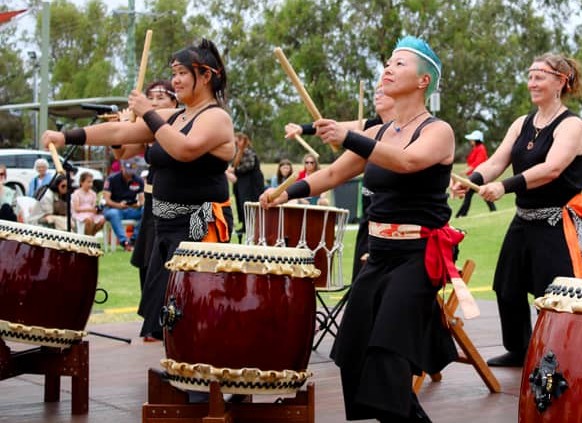
    なぜ日本の和太鼓はオーストラリアで愛され続けているのか? From school halls to multicultural festivals, the powerful sound of taiko echoes across Australia. Behind every performance are Japanese teachers and volunteers who have spent decades sharing far more than music. 学校の体育館から各地のフェスティバルまで、力強い和太鼓の音がオーストラリア中に響いています。その背景には、音楽だけでなく日本文化そのものを伝えてきた多くの日本人指導者の存在があります。 More Than a Performance 演奏だけではない Taiko performances are exciting. But rehearsals are where friendships begin. Australian and Japanese players practise together for months before stepping onto the stage. 演奏だけではない 和太鼓は迫力ある演奏が魅力です。 しかし、本当の交流は練習から始まります。 日本人とオージーのメンバーは、何か月も一緒に汗を流して本番を迎えます。 Teaching Without Words 言葉を超えた指導 Many Japanese instructors speak only limited English. Many Australian students know little Japanese. Rhythm becomes their shared language. 言葉を超えた指導 日本人指導者の中には英語が得意ではない人もいます。 一方、オージーの生徒も日本語を話せるとは限りません。 それでも太鼓のリズムが共通の言葉になります。 Building Community 地域をつなぐ太鼓 Community festivals across Australia regularly feature taiko performances. They attract audiences of every background. For many…

  • |

    豪のクリスマス・ソング:Christmas Photo

     もはや、今年のクリスマスの日が後僅か数日間となった。  日本を含めてほとんどの人のクリスマスに関する印象が北半球の真冬の行事だ。  しかし、南半球を忘れないようにしようよ!  オーストラリアのクリスマスが真夏だ!  実は、ほとんどの場合、真夏でもクリスマスに関する飾りや行事が真冬っぽいの姿をオーストラリアでも現れる。  だが、たとえトナカイの変わりにカンガルーがサンタのゾリをひっぱたり、サンタが半袖・短パン姿で描かれたりしてオージーっぽいのクリスマス・イメージもある。  オーストラリアのクリスマス伝統一つがCarols by Candlelightと言います。これは、公園、海辺など屋外公の場で夕方になってろうそくをもってクリスマス・ソングを歌う習慣。とっても綺麗だ!そして、規模がさまざまだ。都市の中心部で数万人参加する物もあれば、近所たちごとで数人しかやらないこともある。おまけ、サマー・タイムで大体夜9時ごろまで明るく子供たちが夏休みなので、にぎやかな季節だ。  今日の豪風クリスマス・ソングは、典型的なオーストラリア人歌手ジョン・ウィリアムソン作の「クリスマス・フォト」だ。家族揃ってクリスマスの昼食を食べた後にクリケットで遊んで記念写真を家族で撮ろうという話の歌だ。  ちなみに、クリスマス・ランチを食べた後のクリケット遊びもオージー・クリスマス伝統一つとして言える。 CHRISTMAS PHOTO It’s December in Australia; Time to remember all the family. Christmas tree – native pine, Lights and tinsel all entwined. Put a fairy on the top. There’s Gran and Pa and Joan and Pop. The ham and turkey’s organized. Won’t the grandkids be surprised When Santa comes in big black boots In the back of Jacko’s ute … Ho Ho Ho! Ho Ho Ho! It’s December in Australia; Time to remember all the family. Gather round for a photo. Hang on, Dad, where did Sam go? We gotta get everyone in the picture … Oh here he…

  • | |

    A Symbol Of Japan That Fits Australia Like A Shoe

    Given the powerful pull of the surf culture in Australia, a link with Katsushika Hokusai‘s The Great Wave Off Kanagawa that immediately conveys an image of Japan was almost inevitable, but also symbolizes the strong ties between the two countries almost made for each other. Countless Australian companies, organizations, entrepreneurs, artists and others utilize or have utilized directly or derivatively the iconic Japanese work forming one of Hokusai’s Thirty-six Views of Mount Fuji. Even though the Great Wave is an instantly recognizable image that embodies the essence of Japanese spirit, particularly with the inclusion of Mount Fuji, Australia has long recognized the work as a shared connection between the countries….

  • |

    Sheer Nonsense? No, Shear Delight!

    Australia hasn’t really had much of an impact on Japanese culture over the years, but there is one case that inspires sheer delight….or perhaps that should be “shear?” For Japanese of a certain age, 調子をそろえて、クリック、クリック、クリック (Choshi wo soroete kurikku, kurikku, kurikku, is a highly familiar song picked up in an early season of Minna no Uta, a radio and TV program broadcast by NHK since 1961 to introduce new tunes to the Japanese public. The song is known in English as Click Go the Shears and Peggy Hayama, who sang the Japanese version of the song with lyrics written by Takashi Otowa, would retain a lifelong connection with Australia because…

  • | | |

    Why Did Aussies Fall in Love with Japan’s Akiya?

    なぜオージーは日本の空き家に魅了されたのか? Lots of Aussies first discovered Japan through “Japow!,” its powdered snow. Now, many are discovering something even more unexpected—its empty country homes. From Niseko to Hakuba and beyond, Aussies are helping breathe new life into communities facing population decline. 多くなオージーが最初に夢中になったのは日本の雪でした。しかし今、彼らを引きつけているのは、地方に残る空き家です。ニセコや白馬をはじめ、日本各地でオーストラリア人が地域に新しい息吹をもたらしています。 Real Estate Romance Started with the Snow すべては雪から始まった The real estate romance relationship began in the 1990s when Aussie skiers discovered the deep powder snow of Hokkaido. Niseko soon became Australia’s favourite overseas ski destination. Many visitors returned year after year, eventually deciding to invest, settle or establish businesses in the region. すべては雪から始まった 1990年代、オーストラリア人スキーヤーが北海道の極上のパウダースノーを発見したことが始まりでした。 ニセコは瞬く間に人気のスキーリゾートとなり、何度も訪れるうちに、移住や投資、事業を始める人が現れました。 From Niseko to Hakuba ニセコから白馬へ After helping transform Niseko into an international resort, Australian…

  • |

    Bigger Than The Beatles! ’60s Strayan Schoolkids Swoon At Shintaro The Samurai

    Possibly my first connection with Japan was waking at an ungodly hour (lifelong habit) and turning on the telly to watch Shintaro the samurai and his sidekick, Tombei the Mist, take on the evil Koga ninja and other assorted nasties threatening the Shogunate. I was watching The Samurai, a program where Shintaro, played by Koichi Ose, possibly did more than anything else to restore friendly postwar relations between Australia and Japan. The Samurai was the first Japanese TV to screen in Australia in late 1965, and when Ose toured Down Under the following year, thousands of children swarmed Melbourne and Sydney airports to catch a glimpse of their hero, their…