Blog

  • |

    Back To The Basics To Take The Strain Out Of Strine

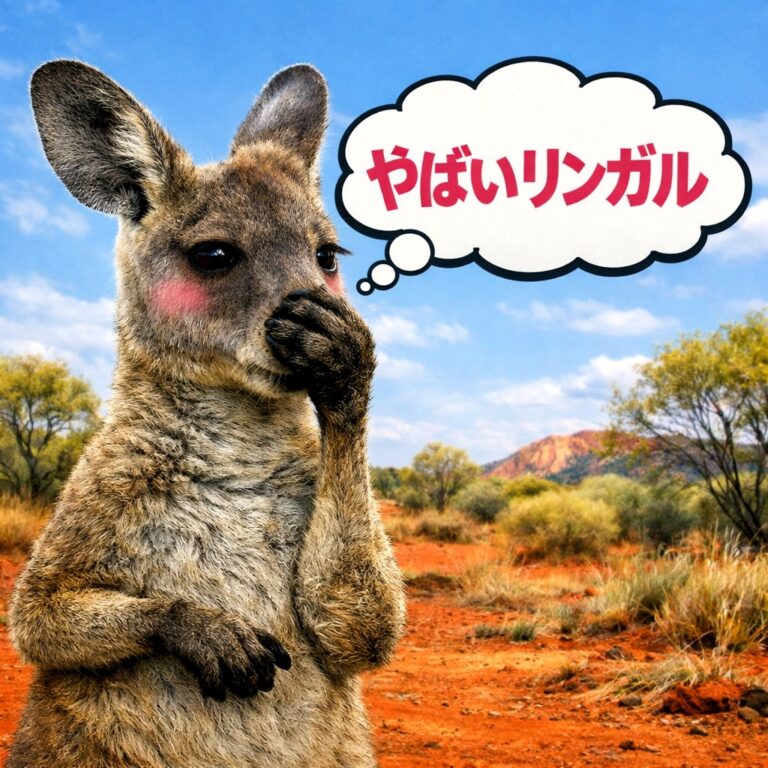
    Kangaeroo.com originally started as a bit of a joke site focused on Strine–the word to describe Australian English that is a play on the word “Australian” as pronounced in a broad Aussie accent. In the earliest years of the site, language played a central role in content. I created categories like やばいリンガル, which was loosely for words that were a little bit on the naughtier side, or yabai, in both English and Japanese. Then we had 豪cabulary that honed in on individual words that are distinctly Australian with the category being a portmanteau of go (豪), the kanji abbreviation used in Japanese for the now virtually archaic name for Australia…

  • |

    Japan’s Fans Still Go Mad For Australia’s Most Successful Film Franchise

    One of the most outstanding characteristics I have found of many Japanese people in almost four decades of living here is that it is highly common for fun to be taken very seriously, indeed. One area where I have seen that trait on display comes with the franchise related to Mad Max, whose five movies dating from 1979’s Mad Max to Furiosia: A Mad Max Saga in 2024 make it the most successful Australian cinematic series in history. In fact, had it not been for avid fans in Japan, the franchise would probably not have continued past the first entry, but Mad Max has also given back to Japan, inspiring…

  • | |

    Oh, Maggie I Should Have Known! Bubble Era Tokyo’s Aussie Haven

    When I first got to Japan in the late 1980s, Australia was hot property–mainly in a literal sense for real estate investment, but also for honeymooners and koala fans. But finding anything “Australian” in Tokyo was bloody hard and homesickness particularly strong in those days, so I was deeply grateful for Maggie’s Revenge and the kangaroo awning that advertised the establishment. Maggie’s Revenge was an Aussie-themed bar in the Roppongi nightclub district of Tokyo, which was a bit of a drag for me to get to as I was living in the northern part of the capital at the time. Sometimes, you could buy a meat pie there, and always…

  • How Japanese Men Shaped An Australian Language

    日本人男性が育てたオーストラリアのある言語 Japanese people living in far northwestern Australia played a crucial role in development and use of an Australian language. オーストラリア北西部で暮らしていた日本人たちが、あるオーストラリアの言語の発展に大きな役割を果たしていた――そんな事実が改めて注目されている。 Mostly male pearl divers, the Japanese people who lived in and around Broome in the late 19th to early 20 centuries influenced the Broome Pearling Lugger Pidgin. 19世紀末から20世紀初頭にかけて、主に男性の日本人真珠潜り師たちが多く暮らしていたブルーム周辺では、「ブルーム・パーリング・ラッガー・ピジン」と呼ばれる言語が使われていた。 Broome Pearling Lugger Pidgin is named for the lugger boats used in the pearling industry around Broome, which was booming at the start of the 20th century. The pidgin is Malay-based, but had a strong Japanese tinge, as well as incorporated English and various Indigenous Australian languages. このピジン語はマレー語をベースに、英語や先住民の諸言語が混ざり合い、さらに強い“日本語の風味”が加わっていた。 The industry attracted a diverse number of ethnicities and people groups, including, Malays,…

  • | |

    A Symbol Of Japan That Fits Australia Like A Shoe

    Given the powerful pull of the surf culture in Australia, a link with Katsushika Hokusai‘s The Great Wave Off Kanagawa that immediately conveys an image of Japan was almost inevitable, but also symbolizes the strong ties between the two countries almost made for each other. Countless Australian companies, organizations, entrepreneurs, artists and others utilize or have utilized directly or derivatively the iconic Japanese work forming one of Hokusai’s Thirty-six Views of Mount Fuji. Even though the Great Wave is an instantly recognizable image that embodies the essence of Japanese spirit, particularly with the inclusion of Mount Fuji, Australia has long recognized the work as a shared connection between the countries….

  • | |

    Panasonic Super Kangaroos Pouched A History With Plenty Of Bounce

    For decades, Japan had a professional basketball team called the Super Kangaroos, and true to the team’s name, it made great leaps at times. The Matsushita Electric Super Kangaroos, which would later be renamed the Panasonic Super Kangaroos, were founded in 1951 and competed in Japan’s top company and professional leagues, the old company-based national competitions, JBL Super League from 2000 to 2007 and then the successor Japan Basketball League where it would eventually relocate and change its name to the Wakayama Panasonic Trians. The Super Kangaroos would win 13 league championships throughout its existence in various top flight competitions. Sadly, the team never made it to the bj league,…

  • |

    How A Kangaroo Helped Japanese Game Shows Get Charitable

    Tokyo Broadcasting System ran the very successful TBS Kangaroo Fund from 1976 to 2010, first to help children orphaned by traffic accidents, people with disabilities and the elderly before moving to help other social causes. TBS never publicly explained its choice of a kangaroo to symbolize the fund, but the marsupial infers a friendly, protective image with its pouch equating to encompassing care, which signalled that donations would carry and protect vulnerable children The TBS Kangaroo Fund collected viewer donations and corporate gifts and channelled grants to vetted charities and disaster relief. TBS used on-air drives, dedicated donation numbers and tie-ins such as using cash for quiz and game shows…

  • Jill Who Put The ‘Roo’ Into Frugal Promotes Award-Winning Environmentalism

    Mrs. Roo was a core character in the award-winning The Eco Zoo online pop-up picture book in the late Noughties and early 2010s. Mrs. Roo is the kangaroo character in The Eco Zoo story world. She is depicted as a thrifty, practical kangaroo who carries a shopping bag, which is a visual symbol encouraging reusable bags and careful consumption. The Eco Zoo began as a children’s picture-book project around 2006 and was developed into an interactive Flash web project around 2007–2008 by creative boutique Enjin together with McCann Erickson Japan. The web/popup-book version became widely noticed and won creative-site attention, including recognition through the Favorite Website Awards. The Eco Zoo…

  • An Award-Winning Concrete Pouch For Backpackers

    Outside of its name, Kangaroo Hotel has got absolutely nothing to do with bloody kangaroos or marsupials, and doesn’t even provide nominal acknowledgement of its macropod connection. But the name alone is enough to give a blog post to the tiny, design-focused guesthouse in Minami-Senju that opened in 2009, has about 18 private rooms across three floors, and positions itself as an affordable, stylish stay for backpackers and budget travellers. The sole connection the hotel seems to have to Australia is a eucalypt outside its front door. Kangaroo Hotel is divided into the A side original hotel and B side annex, and operates as a guesthouse and hostel with a…

  • | |

    Jumping At Chances Through A Yen For Kangaroos

    Vacel Inc. is a Tokyo company with a yen for kangaroos, literally and figuratively speaking, as well as a track record with marsupials that leaps from sporting fields to dining tables. The trading and manufacturing company specializing in kangaroo derived products started off in April 1980 as a specialist in kangaroo leather products mostly for soccer boots and then expanded over the subsequent decades to encompass all sorts of businesses including marsupial meat. Vacel imports, manufactures and sells kangaroo leather, develops FabRoo 0.3 mm ultra-thin leather, operates the RooMeat brand for kangaroo meat for human and pet consumption, and provides market-entry and liaison services for overseas companies in Japan. Vacel…