Blog

  • Strine Dictionary

    A ABC (Aunty) ace akker ankle biter apples abo agro alice ankle biter II apples, she’ll be arvo B bag belt up big smoke boardies brekkie II banana bender belt up II big smoke II bogan brick shithouse barrack belt up III bingle bogan band brizzie barbie berko bingle II bogan bangles budgie smugglers barbie II bewdy bloke bogan bits bung barbie III bikkie bloody oath bogan dust bung on an act barney bikkie (again) blower bogan jacuzzi black stump bathers bikkie II blowie bogan missile back of Bourke battler bikie blue booze bus bottom of the harbour beauty biggy bluey brekkie bellambi handbag bombora / bommie buckley’s baggy green…


  • Bludging, And How The Bludge Is Australia’s Favourite Way To Avoid Work

    Ask an Aussie office worker what they did over their lunch break and don’t be surprised if the answer is “absolutely nothing — I had a bludge.” It sounds almost proud. There’s a reason for that. オーストラリアのオフィスワーカーに昼休みに何をしていたか聞くと、「何もしてない、ただbludgeしてた」と、まるで誇らしげに答えられても驚かないでほしい。それには理由がある。 Meaning To bludge is to avoid work or responsibility — to loiter, laze about, or scrounge off others rather than pull your weight. A “bludge” can also be a noun for an easy task (“this assignment’s a total bludge”). Bludge とは、仕事や責任を避けること――だらだらと過ごしたり、他人に頼ったりして自分の役割を果たさないことを意味する動詞である。名詞としても使われ、「楽な仕事」そのものを指すこともある(this assignment’s a total bludge=この課題は楽勝だ)。 Example “He’s been bludging on the couch all arvo instead of mowing the lawn.” (芝刈りをせずに、彼は午後じゅうずっとソファでダラダラしていた。) 日本語での解説 “Bludge” の語源は意外と重い。もとは19世紀ロンドンの俗語 “bludgeoner”(棍棒で殴って売春婦の客から金を奪うポン引き)に由来し、それが短縮された “bludger” がオーストラリアに渡って「怠け者」という意味に変化した。1900年代初頭には一般的な侮辱語となり、そこから動詞 “bludge”(サボる)が生まれた。今日ではポン引きの意味は完全に薄れ、単に「サボる」「働かない」という軽い意味で日常的に使われている。 Australia–Japan Connection Japan’s work culture prizes…

  • No Flies On Why Sharp Aussies Never Sit Still

    Why would Aussies compliment someone’s intelligence by talking about insects that aren’t there? なぜオーストラリア人は、そこに「いない」虫の話で相手の賢さを褒めるのだろうか? In the paddocks of 1840s colonial Australia, stockmen noticed something about their cattle: the laziest, slowest animals attracted swarms of flies, while the sharp, active ones moved around too much for any fly to settle on them. From that simple bit of bush observation came one of Australia’s oldest surviving slang phrases, and it was exporting itself to the U.S. and Britain within a few decades. 1840年代、植民地時代のオーストラリアの牧場で、牧夫たちは牛について面白いことに気づいた。動きの鈍い牛にはハエがたかるが、活発に動き回る牛にはハエがとまる暇がない、というのだ。この素朴な観察から生まれたのが、オーストラリアに現存する最古のスラングのひとつであり、数十年のうちにアメリカやイギリスにも輸出されていった。 Meaning “No flies on [someone]” means that person is sharp, alert, and not easily fooled — the exact opposite of a “drongo.” It’s almost always used as a compliment….

  • |

    AFLグランドファイナルを都内で観戦

    Where To Watch The Granny In Tokyo オージーボール最大イベントの「グランドファイナル」は2026年9月26日に東京都内各地でパブリックビューイングを行います! Buso Brewery Machida オーストラリア最大級のスポーツイベント、AFL GRAND FINALを日本で観戦できるパブリックビューイングが9月26日に町田で開催されます。会場は武相ブリュワリー。 AFL Japanと武相ブリュワリーによる限定ビール「HOLDING THE HOP」や、ミートパイなどのオーストラリア系フードも登場予定です。AFLを見たことがない人も歓迎とのこと。 会場: 武相ブリュワリー、町田市原町田6-12-20日時: 9月26日(土)13:00開場、13:30開始料金: 3,000円(2ドリンク付き)予約: 事前予約制内容: AFL GRAND FINALパブリックビューイング、限定ビール、オーストラリア系フード The AFL GRAND FINAL will be shown live in Machida on September 26. The public viewing at Buso Brewery is being organised by AFL Japan and includes a limited beer, “HOLDING THE HOP,” brewed using barley and hops from Machida, along with Australian-style food including meat pies. People new to Australian football are welcome, too. Venue: Buso Brewery, 6-12-20 Haramachida, Machida, TokyoDate: Saturday, September 26; doors 13:00, ball-up 13:30Admission: ¥3,000, including two drinksBooking: Advance reservation requiredProgramme: AFL GRAND FINAL viewing, limited beer and Australian-style…

  • 今月はオーストラリアが日本を駆け抜ける:音楽、アート、そしてトレス海峡

    Bach To The Future And All Sorts Of Other Aussie Yartz In Tokyo And Across Japan 日本で楽しむオーストラリアのYartz:2026年9月18日〜30日 9月後半の日本は、オーストラリア関連イベントがかなり充実しています。オーストラリア人ヴァイオリニストのレイ・チェン、豪州出身ベーシストのマーティ・ホロベック、参加型音楽イベントのPub Choirまで、音楽とスポーツが続々登場。一方、岐阜では国際芸術祭、大阪ではトレス海峡と日本の知られざる歴史を紹介する展覧会が開催中です。 そして10月以降も、The Rubens、Shonen Knife、Bowerbird Collective、アレクサンダー・ガヴリリュクなど、オーストラリアと日本をつなぐイベントが続きます。 レイ・チェンが東京へ オーストラリアを代表するヴァイオリニスト、レイ・チェンが9月19日、すみだトリフォニーホールに登場します。ニュージャパン・フィルハーモニックとの共演で、バッハ、マックス・リヒターによるヴィヴァルディ、サラサーテというプログラム。 現在、A席7,500円に残席があります。ほかの席種は売り切れとなっています。 会場: すみだトリフォニーホール日時: 9月19日(土)15:00開演料金: A席7,500円ほか予約: ジャパン・アーツアクセス: 錦糸町駅から徒歩圏内 Ray Chen, one of Australia’s best-known violinists, comes to Tokyo on September 19. He performs with the New Japan Philharmonic at Sumida Triphony Hall, with a programme ranging from Bach to Max Richter’s recomposed Vivaldi and Sarasate. A tickets are currently available for ¥7,500, while the other listed seat categories are sold out. Venue: Sumida Triphony HallDate: Saturday, September 19, 15:00Tickets: A ¥7,500 and other categoriesBooking: Japan ArtsAccess: Walking distance from Kinshicho Station Ray Chen Play with Ray…

  • |

    Paddle Pops: The Icy Treat Aussies Gave To The World

    Every Aussie childhood summer has the same soundtrack: the clink of the servo freezer door and a kid asking for “a Paddle Pop.” But this icy treat didn’t come from a factory boardroom — it came from an engineer who turned down NASA. オーストラリアの子ども時代の夏には、決まって同じ音がある。コンビニの冷凍庫のドアが開く音と、「Paddle Pop ちょうだい!」という子どもの声だ。実はこのアイス、大企業の会議室ではなく、NASAの誘いを断ったひとりのエンジニアから生まれた。 A Paddle Pop is a flavoured ice-block (popsicle) on a flat wooden stick, originally created by Sydney’s Streets Ice Cream in 1953. The name has become so common in Australia that “Paddle Pop” is often used generically for any similar icy-pole, much like “Esky” is used for any cooler box. Paddle Pops are, per capita, the world’s best-selling ice cream. Paddle Pop とは、平たい木の棒についたフレーブアイス菓子で、1953年にシドニーのStreet’sアイスクリーム社が発売した。今ではオーストラリアで「氷菓の一種」全般を指す言葉として日常的に使われることも多く、”Esky”(クーラーボックス)と同じように、ブランド名が一般名詞化した例である。Paddle Popは、一人当たりで世界最高売り上げ数のアイスクリームだ。…

  • オーストラリアのために働きませんか?大使館が募集中

    Australian Embassy In Tokyo Looking For An Executive Assistant The Australian Embassy in Tokyo is advertising for an executive assistant. 日本語の募集情報はなく、全部上記・下記の通りの英文サイトに参照してください。 Details of the opening (taken from the embassy website) are as follows: The Australian Embassy in Tokyo is seeking a proactive, highly organised, and motivated Executive Assistant to join our team. This is an exciting opportunity to work at the heart of the Embassy, providing high-level executive and administrative support to the Ambassador, Deputy Ambassador and Minister Counsellor (Political). The successful candidate will play a key role in ensuring the smooth and effective operation of the Embassy’s senior leadership office. To succeed, you will need exceptional attention to detail, proven…

  • Heaps, And Why Aussies Turn A Noun Into “So Much Of It”

    An Aussie tradie looks at a client’s renovation quote and says, “Nah mate, that’s heaps too dear.” No hills or piles of anything are involved. So, what is “heaps” actually doing in that sentence? オージーの職人がリフォームの見積もりを見て「Nah mate, that’s heaps too dear(いや、それめっちゃ高いよ)」と言う。山も丘も出てこない。では、この “heaps” は一体何をしているのだろう? Heaps in Strine means “a lot” or “many” as a noun (“heaps of tourists”), and, more distinctively, it’s used as an intensifier meaning “very” or “extremely” (“heaps good,” “thanks heaps”). It’s one of the most flexible words in everyday Strine, slotting in anywhere “really” or “a lot” would go in standard English. Heaps は名詞として「たくさん」「多数」を意味し(heaps of tourists=たくさんの観光客)、さらに独特なのは「とても」「めちゃくちゃ」という強調語としても使われる点だ(heaps good=めっちゃ良い、thanks heaps=ほんとにありがとう)。標準英語の “really” や “a lot” が入る場所ならほぼどこにでも使える、日常ストラインの中でも特に汎用性の高い単語である。 Example “We had heaps of…

  • The Dark Side Of The Bogan

    It would be a mistake to romanticise the phenomenon completely. “Bogan” can be profoundly classist. It can function as a respectable-sounding way of insulting: And stereotypes associated with bogan culture can also include: But these aren’t inherent characteristics of every person labelled bogan. That’s precisely why the term is so slippery. One academic analysis calls “bogan” a “sticky sign” because it can simultaneously attract contempt, affection, identification and disidentification.

  • ボーガンの“影”の部分

    ここまでボーガン文化の面白さや魅力を見てきたけれど、 ロマンチックに語りすぎるのは危険でもある。 「ボーガン」という言葉は、 ときに 強烈な階級差別(classism) を含む。つまり、もっと丁寧に言うと、、、 “上から目線の侮辱を、上品っぽく包んだ言い方” として使われることがある。たとえば、こんな人たちをまとめて貶めるために使われることがある。 そして、ボーガン文化に結びつけられるステレオタイプには、 こんな“暗い側面”も含まれる。 もちろん、 これらが「ボーガンと呼ばれるすべての人」に当てはまるわけではない。むしろ、ここがボーガンという言葉の“厄介さ”であり“面白さ”。 「ボーガン」は“スリッパリー(滑りやすい)”な言葉 ある学術研究では、 「ボーガン」は “sticky sign(粘着する記号)” と呼ばれている。理由はこうだ。同じ言葉が、同時に、、、 を引き寄せるから。 つまり、 ボーガンは侮辱にもなり、誇りにもなり、ジョークにもなり、社会分析にもなる。この“多層性”こそが、 ボーガン文化を単なる俗語ではなく、 オーストラリア文化の深い鏡にしている。

  • |

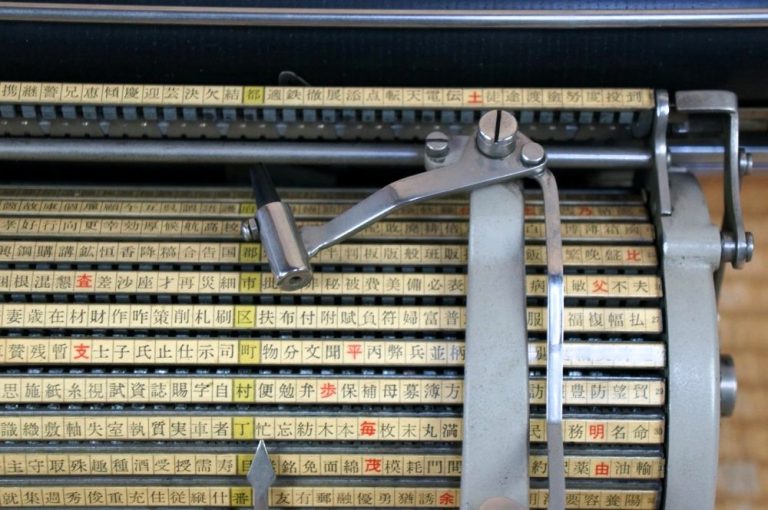
    How Did A Japanese Typewriter Become A Piece Of Australia–Japan History?

    なぜ一台の日本語タイプライターが、日豪関係の歴史になったのでしょうか? The machine nobody else could use 誰にも使えなかったタイプライター In 1963, Akiko Kirkham began working at the University of Queensland. There was something unusual about her job: she was the only person there who could operate its Japanese typewriter. 1963年、Akiko Kirkhamさんはクイーンズランド大学で働き始めました。彼女の仕事には、ちょっと変わった特徴がありました。和文タイプライターをタイプライターを操作できるのが、彼女だけだったのです。 A war bride in Brisbane ブリスベンに渡った日本人女性 Akiko had worked as a typist in Japan after the war. She later married an Australian serviceman and came to Australia as a Japanese war bride. More than 650 Japanese women eventually migrated to Australia as wives or fiancées of Australian servicemen between the end of the war and 1965. Akikoさんは戦後の日本でタイピストとして働いていました。その後、オーストラリア軍人と結婚し、「日本人戦争花嫁」としてオーストラリアへ渡りました。戦後から1965年までに、650人を超える日本人女性が豪州軍人の妻や婚約者として移住しました。 A complicated beginning 簡単ではなかった出発点 Their arrival was far from straightforward. Australian servicemen had…