Blog

  • |

    音楽:ボーガン文化の“心臓部”

    ボーガン文化には、 とんでもなく強力な音楽的コアがある。 その“正典サウンドトラック”はこんな感じ。 これだけ並べると、 「ボーガン=音楽好きの労働者階級ロッカー」 というイメージが浮かぶけれど、 ここでまた最高のパラドックスが登場する。 “ボーガン音楽”は、実はめちゃくちゃ高度な音楽でもある ボーガン文化に結びつけられる音楽の中には、 国際的に影響力があり、音楽的にも超洗練されているものが多い。たとえば AC/DC。「ボーガンが好きだから文化的に価値が低い」 ……なんてことはまったくない。むしろ逆で、ボーガンが愛する音楽が、オーストラリアの国民的神話の一部になる。2002年には Triple J が “National Bogan Day(全国ボーガンの日)” を開催し、Cold Chisel、Midnight Oil、Rose Tattoo、AC/DC など “ボーガン的象徴”の音楽を祝った。つまり、ボーガン音楽=ダメな音楽、ではない。 ボーガン音楽とは何か? それは、気取らないオーストラリア的男性性と 労働者階級の“本物らしさ”を象徴する音楽。音楽そのものの質ではなく、 文化的な結びつきが“ボーガン音楽”を定義する。だからこそ、 ボーガン文化の音楽は単なる趣味ではなく、 国民的アイデンティティの一部になっている。

  • |

    Music As A Bogan Cultural Element

    Bogan culture has an extremely strong musical component. The canonical soundtrack includes: And here we encounter another great paradox. Some music associated with bogan culture is highly sophisticated musically and enormously influential internationally. AC/DC, for example, isn’t culturally insignificant because bogans love them. Quite the opposite. The music becomes part of a national mythology. Triple J even held a National Bogan Day in 2002, celebrating the stereotype with music including Cold Chisel, Midnight Oil, Rose Tattoo and AC/DC. So “bogan music” isn’t necessarily bad music. It is music that has become culturally associated with unpretentious Australian masculinity and working-class authenticity.

  • Squatterはオージーの王室でしょうか?

    Is The Squattocracy Aussie Royalty? 法律を何十年も破り続けた結果、政府がついに諦めて、その人を大金持ちにしてしまった。それが、オーストラリアの「スクワッター」の物語だ。 Imagine breaking the law so thoroughly, for so long, that the government eventually gives up and makes you rich instead. That is, in short, the story of the Australian squatter. Meaning In the early 1800s, a squatter was a settler who occupied vast tracts of Crown land, often land that belonged to indigenous peoples long before European arrival. They had no legal title, simply stealing the land to graze sheep. By the 1840s, colonial authorities began issuing grazing licences to legitimise these claims. Some squatters became so wealthy and powerful they were nicknamed the “squattocracy,” a play on aristocracy. Today the word more commonly…

  • ザ・ボーガン美学:オーストラリアが生んだ“完全なるデザイン体系”

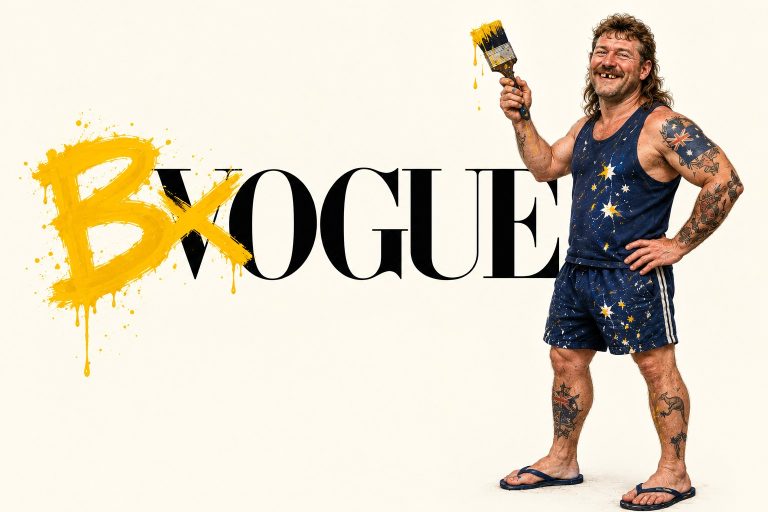
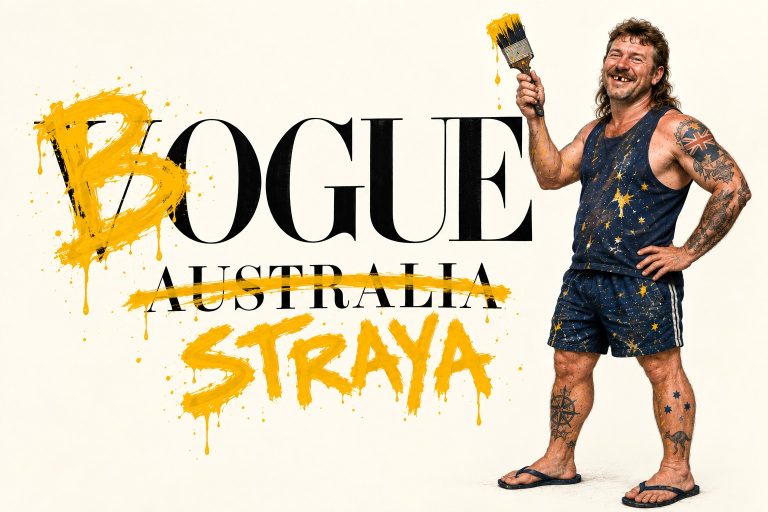
    ボーガン文化の面白いところは、 見た目のスタイルがほぼ“完成されたデザインシステム”になっていること。ヘア、服、アクセサリー、色使い、素材感—— 全部に“ボーガンらしさ”がある。 ヘアスタイル:マレットはボーガンの王冠 ボーガン美学の頂点に君臨するのが、 マレット(前ビジネス・後ろパーティー)。 という、あの伝説的ヘア。 しかも最近は、 「文化的シグナル」として意図的に選ばれるスタイルになっている。マレットは“粗野なオージー男の象徴”という昔のイメージを完全に飛び越え、 自覚的なオーストラリア文化アイコンへと進化した。そして今や マレット大会が存在する。 カテゴリはこんな感じ: さらに2026年には、 子ども向けマレット大会まで登場している。これはもう、ヘアスタイルが 社会的スティグマ → ネタ → ノスタルジー → ファッション → アイデンティティ へと進化した、驚異的な文化変遷の実例。 ファッション:ボーガンのワードローブは“実用+無頓着+ちょい攻め” 定番のボーガン衣装はこんな感じ。 どれも“実用的で、ちょっとダサくて、妙に味がある”という絶妙なライン。でもここでまた面白い現象が起きている。 ボーガンファッションは、ボーガンの手を離れた 今や、 ファッションに敏感な人が“ボーガン風”に着こなすことが普通になっている。つまり、ボーガン美学は、ボーガン以外の人にも採用される文化スタイルになった。これは、パンクやグランジがサブカルからメインストリームへ広がったのと同じ現象。“ダサいはずのものが、かっこよくなる” という文化の反転が起きている。

  • 何でオージー版Spongerの吸収が悪い?

    Why Is A Strine Sponger Not A Good Pickup? どんな職場にも、どんなシェアハウスにも、必ずいる。誰かの分まで飲み食いして、 自分の分は絶対に払わない人。オーストラリア人はその人を”sponger”(スポンジャー) と呼ぶ。 Every workplace, every share house, every family gathering has one: the person who never quite pays their share, never quite pulls their weight, and always seems to be there right when the food comes out. Aussies have a word for them: sponger. Meaning A sponger is someone who lives off other people’s generosity–money, food, a couch to crash on –without ever giving anything back. The image is a kitchen sponge: soaking everything up, contributing nothing. spongerとは、お金でも食べ物でも寝床でも、他人の親切に頼って生きているのに、 何一つお返しをしない人のこと。台所のスポンジのように、すべてを吸い込むだけで 何も生み出さない、というイメージから来ている。 Example “Don’t invite Dave to the barbie. He’s a total sponger, never brings a snag or a coldie.” 「デイブをバーベキューに誘わないで。あいつは完全なスポンジャーで、 ソーセージ一本もビール一本も持ってこないんだから」…

  • テレビが“ボーガン”をキャラクター化した

    オーストラリアのテレビは、 ボーガンという侮蔑語を“文化キャラクター”へと変換するうえで決定的な役割を果たした。 いくつかの重要な番組を見てみよう。 The Comedy Company 1980年代後半、 キャラクター Kylie Mole が登場し、 ボーガンという言葉の特定の使われ方を全国に広めた。ティーン文化、郊外文化、ちょいダサさ—— その全部をコミカルにパッケージした存在だった。 Kath & Kim これはオーストラリア史上もっとも鋭い “郊外の願望(suburban aspiration)”研究と言っていい。 Kath と Kim は単に「貧しい」わけではない。彼女たちは、見た目、消費、ステータス、ファッション、セレブやライフスタイルに異常なほど執着している。つまり、ボーガン的“願望”を体現している。「背伸びしたい郊外のオージー」を、 笑いと愛情を込めて描いた作品。 Bogan Pride Rebel Wilson が 2008年に SBS で制作したシリーズ。ここではボーガン文化が 完全にコメディとして前面に押し出され、 “ボーガン・プライド(誇り)”という概念がメインストリームへ進出した。侮蔑語だったはずの言葉が、 「誇り」として再解釈される瞬間をテレビが後押しした。 Upper Middle Bogan これは知的にもっとも面白い作品かもしれない。設定はこうだ。 “ごく普通の中流家庭が、自分たちの生物学的家族がボーガンだったと知ったらどうなる?” このジョークが、 階級・趣味・お金・教育・アイデンティティ といったテーマを深く掘り下げる装置になる。笑いながら、 オーストラリア社会の階級構造を観察できる秀逸なシリーズ。 テレビは、 ボーガンを侮蔑語から文化キャラクターへ、 そして国民的アイコンへと変換した最大のメディア。

  • Television Created The Bogan

    Australian television has been extraordinarily important in turning the bogan from a social insult into a cultural character. Some important examples include: The Comedy Company The character Kylie Mole helped popularise a particular version of the word in the late 1980s. Kath & Kim Probably one of Australia’s greatest cultural studies of suburban aspiration. Kath and Kim are interesting because they aren’t simply “poor.” They are obsessed with appearance, consumption, status, fashion, celebrity and lifestyle. In other words, they demonstrate bogan aspiration. Bogan Pride Rebel Wilson‘s 2008 SBS series explicitly turned bogan identity into comedy and helped push the idea of bogan pride into mainstream culture. Upper Middle Bogan This…

  • The Great Bogan Aesthetic

    The visual language is almost a complete design system. Hair The mullet is probably the supreme bogan symbol. Business at the front. Party at the back. And, increasingly, deliberate cultural signalling. The mullet has moved far beyond its original association with rough Australian masculinity and has become a self-conscious Australian cultural icon. Mullet competitions have become an actual spectacle, with categories such as “extreme”, “grubby”, “everyday” and “ranga”. There are even children’s mullet competitions in Australia in 2026. That is an extraordinary example of a hairstyle moving from social stigma → joke → nostalgia → fashion → identity. Clothing The classic wardrobe includes: But again, the interesting thing is that…

  • Scungiesはくだけているが、「バジー密輸」より良いのはなぜ?

    Scungies Is A Lousy Word, But Still Better Than “Budgie Smugglers” 「バジー・スマグラーズ(budgie smugglers)」、ようするに、「バジーを密輸する服」は賛成のパンツ型水着のことだ。世界的に有名になった言葉だが、 その表現が生まれるずっと前から、オーストラリアのサーファーたちには ぴったりした水着を指す言葉があった。しかも、それは決して褒め言葉ではなかった。 “Budgie smugglers” gets all the international fame. But long before that phrase existed, Australian surfers already had a word for tight swimming briefs. And it wasn’t a compliment. Meaning スカンジーズとは、ぴったりとした男性用の水着ブリーフのことで、スピード社の 水着(Speedo)とほぼ同義語だ。この言葉は、より古いオーストラリア俗語 “scungy”(汚らしい、感じが悪い)に由来しており、1970年代のサーフカルチャーに おいて、それを着る人への軽い侮蔑が込められていた。シドニーの一部地域では、 ネットボールのスカートの下にはくブリーフ型下着を指すこともある。 Scungies are brief, close-fitting men’s swimming trunks, essentially another word for Speedos. The word comes from the older Australian slang term scungy, meaning dirty or disagreeable, reflecting a certain 1970s surf-culture disdain for anyone who wore them. In some parts of Sydney, “scungies” also refers to girls’ brief sports underwear worn beneath a netball skirt. Example “The ultimate disgrace for a…

  • The Extraordinary Rise Of The Mullet

    The mullet has undergone something approaching a cultural rehabilitation. It was once: bogan haircut → embarrassment then: retro haircut → ironic joke then: hipster/alternative fashion → ironic fashion and now: Australian identity marker → mainstream hairstyle The existence of organised mullet competitions demonstrates that the hairstyle has become something people actively cultivate, judge and celebrate. And there is something wonderfully Australian about judging a person’s mullet competitively.