Blog

  • |

    メルボルンの音楽からトレス海峡の歴史まで:日本で楽しむオーストラリアの今週のYartz

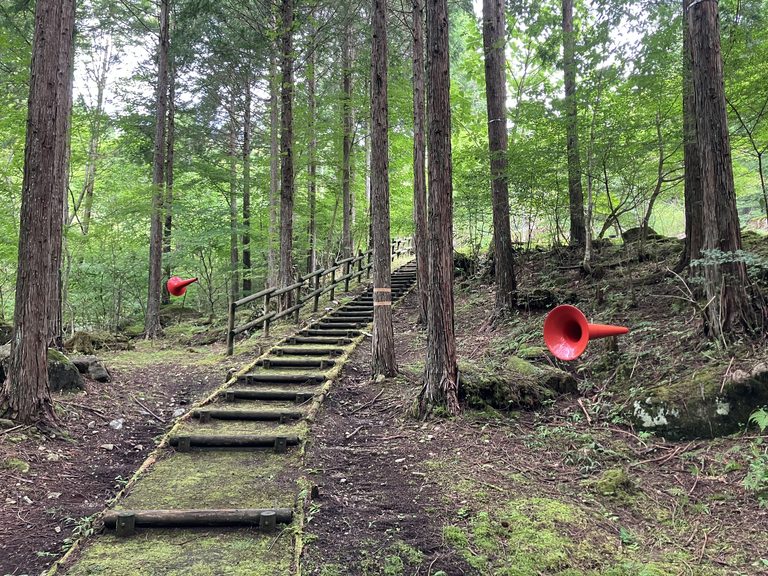
    Australia in Japan–Sept. 11–17, 2026 今週は、オーストラリアのサウンドアート、ワイン、音楽、そして日豪の歴史をめぐる展示まで、全国でさまざまな催しがあります。 This week brings Australian sound art, wine, music and an exhibition exploring the history connecting Australia and Japan, with events spread across the country. 下呂 Art Discovery 2026 オーストラリアのメルボルンを拠点に活動するアーティスト・デュオ、マデライン・フリン+ティム・ハンフリーが、岐阜県下呂市で開催される「下呂 Art Discovery 2026」に参加します。 作品《風をいこさな 山とめる》は、森の中の「苔のみち」を舞台にしたサウンドインスタレーションです。風、水、鳥の声と、地元の子どもたちのわらべ唄をもとにした音楽が重なり、訪れる人に「聴くこと」を通して場所を体験させます。オーストラリア大使館も特別協力しています。 会場 南飛騨健康増進センター/森、萩原商店街、旧湯屋小学校、下呂温泉街など 会期 2026年9月11日〜11月8日 開館時間 火曜日休み。ただし祝日は開館します。 料金 作品鑑賞パスポートは前売2,000円、通常2,500円。高校生以下無料です。前売料金は9月10日まで。 予約 パスポートはWebket、じゃらん、遊び・体験などで購入できます。 アクセス JR下呂駅から公式無料シャトルバスが運行されます。車がない場合でも、シャトルバス、公式ツアー、JRと徒歩・レンタサイクルを利用して各会場を回ることができます。 下呂 Art Discovery 2026 オーストラリアのメルボルンを拠点に活動するアーティスト・デュオ、Madeleine Flynn & Tim Humphreyが、岐阜県下呂市で開催される「下呂 Art Discovery 2026」に参加します。 作品「If the mountain holds its breath」は、森の中の「苔のみち」を舞台にしたサウンドインスタレーションです。風、水、鳥の声と、地元の子どもたちのわらべ唄をもとにした音楽が重なり、訪れる人に「聴くこと」を通して場所を体験させます。オーストラリア大使館も特別協力しています。 Venue Minami-Hida Health Promotion Center / Forest, Hagiwara Shopping Street, Former Yuya Elementary School, Gero Onsen District and other locations Dates September 11–November 8, 2026 Opening hours Hours vary by venue. Closed Tuesdays except public holidays. Admission The Artwork Passport costs…


  • マレットの“異常なほどの大復活”

    マレットはここ数年で、 ほぼ文化的リハビリ(rehabilitation)と言っていいレベルの復活を遂げた。 かつてはこうだった。 ボーガンの髪型 → 恥ずかしいもの その後こうなる。 レトロ髪型 → 皮肉のジョーク さらにこうなる。 ヒップスター/オルタナ系ファッション → 皮肉系オシャレ そして今は—— オーストラリアのアイデンティティ → ふつうに主流の髪型 この変遷、冷静に見るとすごい。 マレット大会が存在するという事実 マレットがただの髪型ではなく、 “育てる・評価する・祝う”対象になっていることを示すのが、 全国で開催されるマレット大会。人々は本気でマレットを整え、 審査員は本気で評価し、 観客は本気で歓声を上げる。これはもう、 髪型が文化競技になった瞬間。 そして何より“オーストラリアらしさ”が爆発している 人のマレットを競技として評価する。この発想そのものが、 オーストラリア的ユーモアと自己認識の結晶。 マレットは、 オーストラリア文化の逆説と遊び心を体現する象徴になった。

  • ボーガン以前のボーガン

    ボーガンという現象は、突然ポンッと現れたわけじゃない。オーストラリアには昔から、 larrikin(いたずら好きの破天荒キャラ)、 ocker(ザ・オージーな粗野キャラ)、 そして各地に散らばる“ちょっとガサツなオーストラリア男性像”が存在していた。つまり、ボーガンはその長い系譜の最新バージョンみたいなもの。「ボーガン」という言葉が全国区になる前は、地域ごとに別の呼び名があった。 地域 以前の現象 Sydneyシドニー Westie Queenslandクイーンズランド Bevan Canberraキャンベラ Booner Hobartホバート Chigga Melbourneメルボルン Bogan やがて“ボーガン”がこれらのローカルな呼び名を飲み込み、全国共通の言葉として定着した。ここがポイントで、 ボーガンは単なる階級ラベルじゃない。もっと言えば、 「オーストラリア的な“ある種のセンス”を語るための言葉」になった。ファッション、趣味、ライフスタイル、価値観—— そういう“文化的な味付け”を説明するための便利な言葉として進化したわけだ。

  • The Bogan Before The Bogan

    The phenomenon didn’t appear from nowhere. Australia already had a long tradition of the larrikin, the ocker and various regional versions of the uncouth Australian male. Before “bogan” became dominant, different parts of Australia had their own labels: Region Earlier stereotype Sydneyシドニー Westie Queenslandクイーンズランド Bevan Canberraキャンベラ Booner Hobartホバート Chigga Melbourneメルボルン Bogan “Bogan” eventually swallowed many of these regional identities and became national. This is important because bogan isn’t simply a class label. It became a way of talking about a particular form of Australian taste.

  • |

    なぜDagはオージー英語で多様性がある?

    Is “Dag” Strine’s Most Versatile Word? 英語の中で、褒め言葉にも侮辱にもなり、しかも羊のお尻にこびりついた汚れをも 意味する単語はそう多くない。それが”dag”(ダグ)だ。 Few English words can be a compliment, an insult, and a description of something stuck to a sheep’s backside all at once. Welcome to Strine’s “dag.” “dag”にはオーストラリア英語で三つの関連した意味がある。①愛嬌のある変わり者、 親しみを込めて言われることが多い。②社会的に不器用でダサい人、特に十代の 若者を指すことが多い。③文字通り、羊のお尻にこびりついた糞まみれの毛玉。 「ダサい」という意味は、間違いなくこの三番目の、最も格好悪い意味から 生まれたものだ。 A dag has three related meanings in Strine: (1) a character or amusing eccentric — often said with affection; (2) a socially awkward, uncool person, usually a teenager; (3) literally, a lump of dung-matted wool hanging from a sheep’s rear end. The insult sense almost certainly comes from the third, least glamorous meaning. Example “He wore socks with sandals to the wedding. What an absolute dag.” 「結婚式にサンダルと靴下を合わせてきたんだ。本当にダグ(ダサい)やつだよ」 日本語では? 面白いのは、”dag”が必ずしも悪口とは限らないという点だ。”He’s such a…

  • 何でオージー英語では金持ちがStinking?

    Why Do The Wealthy Smell In Strine? オーストラリアの俗語では、富はただ輝くだけでなく、どうやら「臭う」ものらしい。 誰かを”stinking rich”(腐るほど金持ち)と呼べば、その人がどれほど裕福かが 一発で伝わる。 Riches, in Australian slang, don’t just glitter; they smell. Call someone “stinking rich” and everyone instantly knows exactly how wealthy you mean. Meaning “stinking rich”は「非常に、過剰に裕福」という意味で、ほとんど嫌みなほど 金持ちだというニュアンスを持つ。この表現自体はオーストラリアだけのものでは なく、イギリスやアメリカの英語でも広く使われている。ただしオーストラリアでは、 かつての牧羊業で一夜にして富を築いたスクワッターや羊毛長者たちの物語で、 特によく使われる表現でもある。 “Stinking rich” means extremely, excessively wealthy — so much money it’s almost distasteful. The phrase isn’t unique to Australia; it’s common across British and American English too. But Australians lean on it heavily in stories about old pastoral fortunes — the squatters and wool barons whose sheep runs made them wealthy almost overnight. Example “He struck it lucky on the goldfields and ended up stinking rich.” 「彼は金鉱で運よく大当たりして、腐るほど金持ちになった」 何で金持ちが臭い? “stinking”という単語を「臭い」ではなく「過剰な」という強調語として使う 発想は、日本語話者には少し不思議に感じられるかもしれない。似た発想の…

  • いったい「ボーガン」って何者なのか?

    ここがちょっとややこしい。 まず、みんなが思い浮かべる“典型的ボーガン像”はこんな感じだ。マレットヘア+ネルシャツ(フランノ)+タンクトップ+黒ジーンズ/ショーツ+ブーツかビーチサンダル+タトゥー+ビール+ユート(軽トラ的なやつ)+爆音ミュージック。 このイメージがあまりにも強烈だから、 自分はボーガンじゃないと思ってる人でさえ、 「はいはい、あの感じね」と即理解できる。 でも、最近の研究では“本当の定義”はそこじゃないと言われている。ボーガン=低所得層 ……ではない。 お金持ちでもボーガンになれる。高学歴でもボーガンになれる。バリバリのプロフェッショナルでもボーガンになれる。大学卒で年収6桁の人が「CUB(Cashed-Up Bogan=金持ちボーガン)」と呼ばれることもあるくらい。このCUBの登場はかなり重要で、“貧しい=ボーガン”というイメージを完全にぶち壊した。 より正確な区別は、経済力よりも文化的なセンス(カルチャー・キャピタル)にあるらしい。つまり、ざっくり言うとこうだ。お金はあっても、センスがあるとは限らない。 そしてオーストラリアは、このギャップをネタにしてめちゃくちゃ楽しんでいる国でもある。

  • What Actually Makes Someone A Bogan?

    This is where things get complicated. The classic visual stereotype is: Mullet + flanno + singlet + black jeans/shorts + boots/thongs + tattoos + beer + ute + loud music. The stereotype is so powerful that even people who don’t identify as bogans know exactly what the image means. But researchers increasingly point out that the real definition isn’t socioeconomic status. A wealthy person can be a bogan. An educated person can be a bogan. A professional can be a bogan. A person with a university degree and a six-figure salary can apparently be a CUB — “cashed-up bogan.” The rise of the CUB was particularly important because it broke…

  • | |

    Poles Apart! How A Japanese-Aussie Created An Apparently Eastern European Monicker

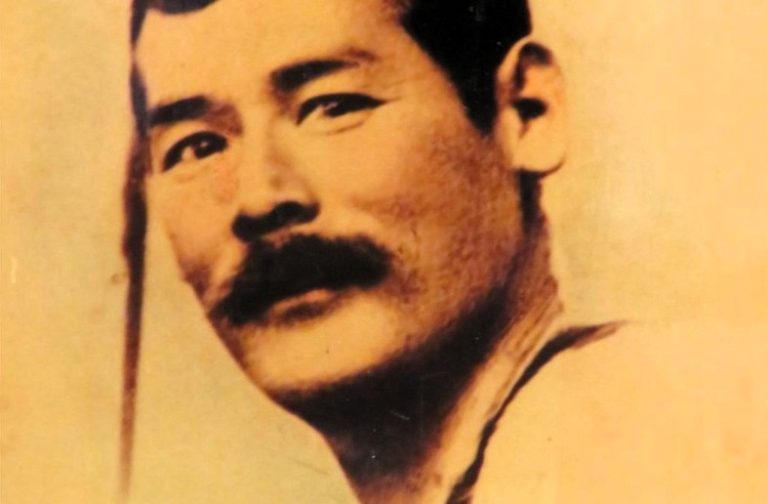
    なぜオーストラリアに「日本人由来のポーランド風の姓」があるのでしょうか? A very Australian mystery オーストラリアにある不思議な姓 Dicinoski sounds Polish. In fact, the surname is so unusual that it appears to belong to just one Australian family. And many of its members thought they came from Poland, too. Yet its origins lie not in Europe, but in Japan. And with a circus performer who became one of the earliest recorded Japanese settlers in Australia. 「ディキノスキー」と聞けば、ポーランド系の姓だと思うのが自然でしょう。ところが、この珍しい姓はオーストラリアの一つの一族にしか見られません。そのルーツはヨーロッパではなく日本。そして、その始まりはサーカス芸人として渡豪した日本人でした。 Meet Rikinosuke 始まりは力之助 His name was Sakuragawa Rikinosuke (桜川力之助). He was a Japanese acrobat who travelled to Australia with other performers in the early 1870s. Australian and Japanese sources differ slightly over the precise arrival date, but he was in Australia by 1873 and is recognised…

  • Boganism And The Aussie Class System

    This may actually be the deepest subject behind the whole phenomenon. Australia traditionally likes to imagine itself as an egalitarian society where the wealthy and working class can sit together in the pub and have a beer. Consequently, Australians have historically been uncomfortable talking explicitly about class. “Bogan” provides a sneaky alternative. Instead of saying: “That person is working class.” people can say: “They’re a bit bogan.” Instead of saying: “I dislike their cultural tastes.” they can say: “That’s bloody bogan.” Sociologists Steve Threadgold and Jessica Gerrard have argued that figures such as the bogan and the hipster function as proxies for class in Australian public culture. The bogan represents…