やばいリンガル:Conk

少なくとも動詞として使う場合、ストライン(オージー英語)では「conk」が人を殴る・ぶつける・小突くといった意味になる。名詞として使うと「鼻」という意味だ。

Conk, at least in its verb form in Strine, means to strike, hit, or punch, usually someone. Used as a noun, conk means nose.

Example: Cripes, tell him off, but don’t bloody conk him. It could cause serious damage.

例: 「おいおい、文句は言っていいけど、絶対に殴ったりするなよ。マジで危ないからな。」

Cop A Gander At These Rippers Too...

  • | |

    豪キャブラリー: XXXX

     多くのオーストラリア人にとってクイーンズランド州と言えばXXXXだ。しかし、XXXXってなに?昔、オーストラリアでは州によって主に飲まれるビールが違った。ニューサウスウェールズ州がToohey’s、ビクトリア州がFoster’sやVB、南オーストラリア州がWest End、西オーストラリア州がSwan、タスマニアがCascade、そしてクイーンズランド州がXXXXだった。現在では、いずれも全国で飲まれるようになったがその昔の印象は、まだ根強く残っている。ちなみに、ビールのブランドに対しての忠誠心が庶民の中ではかなりあると言われている。XXXX以外の銘柄を飲む人の中ではそのビールをからかうことが珍しくない。たとえば、「映画界では最も卑猥なアダルト映画がXXXと位置づけられるが、さらにすごいのはXXXXだけだ」のようなジョークを言う。 日本語のセリフは続けて読んでください。

  • Bunger: When A Cracker Is More Than Just A Bang

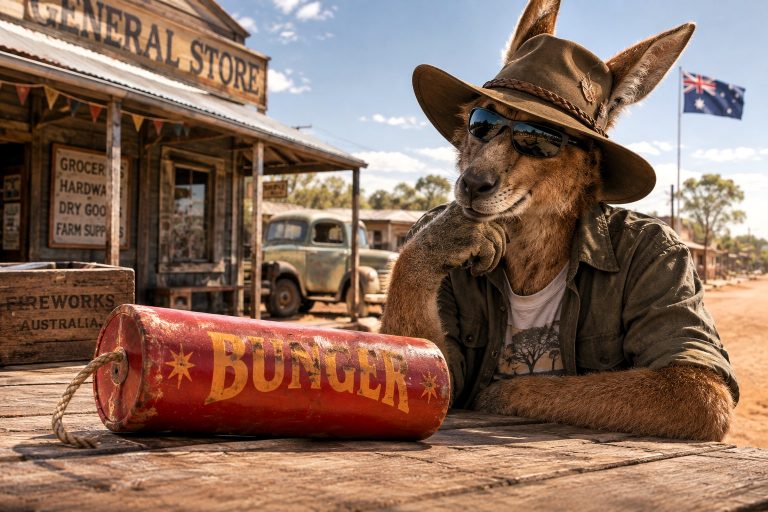
    There are fireworks, and then there are fireworks that make everyone look up and ask what the hell just happened. A bunger belongs to the second category. The word traditionally referred to a particularly large firecracker. In Australia, bunger has long had a reputation for being the sort of explosive device that was far too impressive for its size. The important point for modern readers is that these devices are now heavily restricted, and legality varies according to Australian jurisdiction. bunger は、昔のオーストラリアで使われた「大型の爆竹」や「大きな爆竹型花火」を指す俗語です。現在のオーストラリアでは、花火や爆発物に関する法律が州や準州によって異なり、一般の人が自由に扱えるものではありません。したがって、現代の会話では歴史的・文化的な言葉として知っておくのが安全です。 Meaning Bunger is Australian slang for a large firecracker or explosive firework. The word is associated particularly with the old-fashioned Australian culture of homemade or illegally obtained fireworks….

  • | | | |

    Kangaroo Cooking…Roo Meat: It’s Tasty if Ya Cook It!

    Japanese have been legally eating kangaroo for longer than most Australians. Kangaroo meat was imported to Japan and being served in Tokyo restaurants from 1988, five years before meat from the national symbol was legalized for consumption by Australians in all states other than South Australia, where kangaroo could be eaten legally from 1980. (Indigenous Australians had continued eating kangaroo, a traditional food, regardless of the ban.) Despite the head start, kangaroo meat never really kicked on in Japan, despite its reputation for being a healthy, high-protein, low-fat alternative to beef or pork. RooMeat was promoted in Japan as being a preferred choice of athletes and models, but the “stars”…

  • It Would be Roo-d Not to Include…

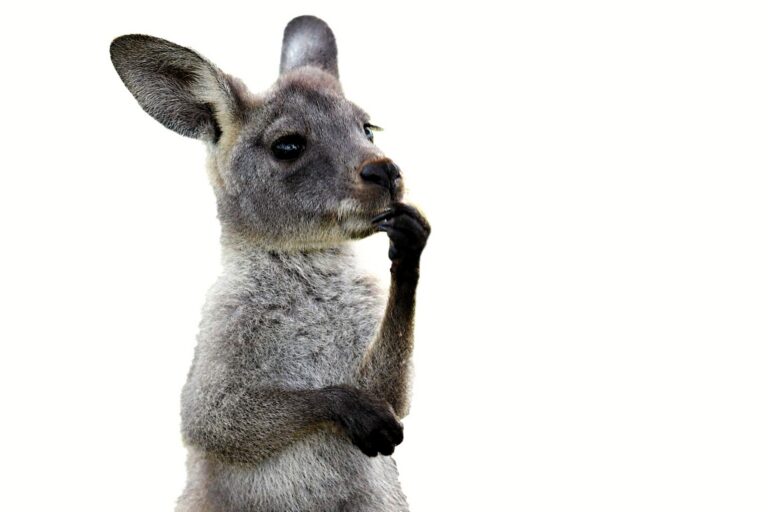
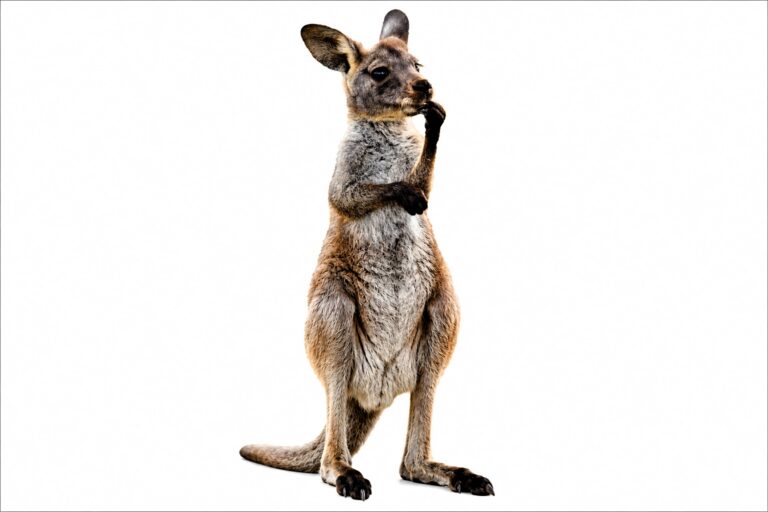
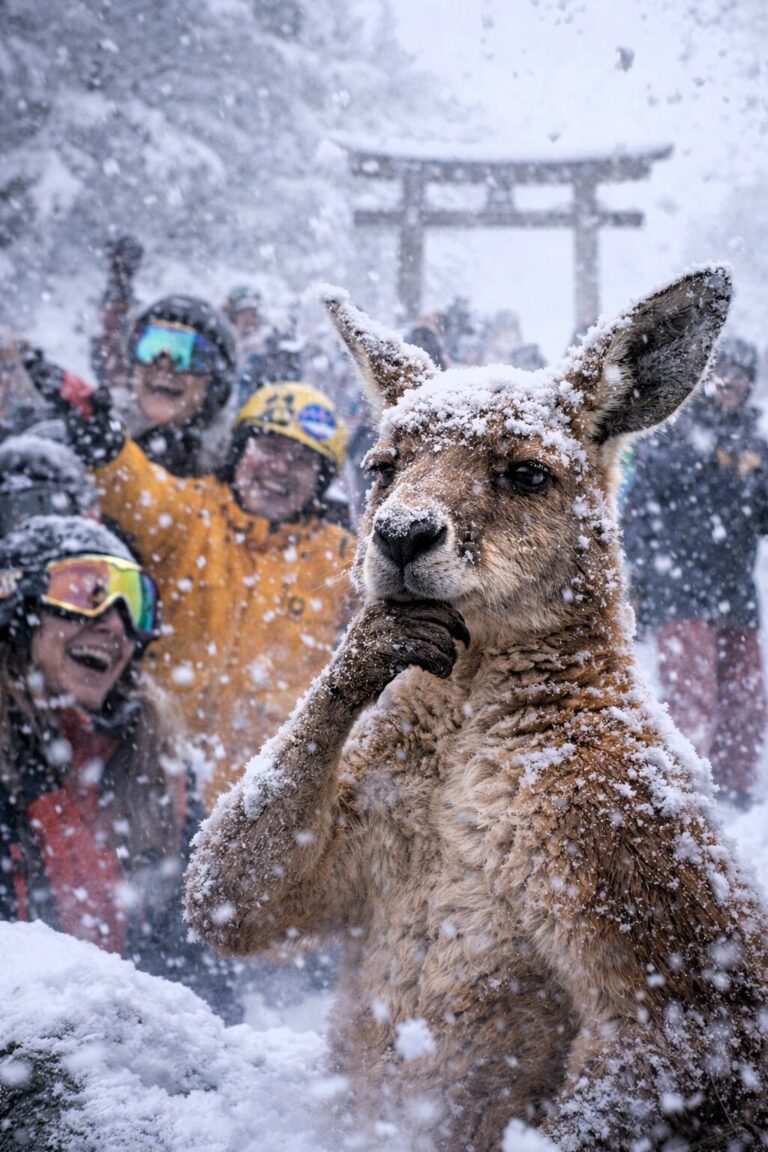
    Having looked at the emu, one of the stars of the Australian coat of arms in our previous post, it would be rude not to look at the other half of the emblem, the kangaroo. Roos are also the national animal of Australia. And here’s a gallery of greys to help make your day. (Of course, we shouldn’t forget that kangaroos are also the inspiration for this site, kangaeroo, the thinking kangaroo.