Blog

  • |

    Putting The Limp Into Olympics

    Japan did the most amazing job of hosting the Olympic Games under the mostr trying of circumstances, and I would argue there probably isn’t a country on earth that could have done it nearly as well. But the big question is: Why? We held the Games behind closed doors. Only the most privileged of guests were able to see the athletes do their thing, and I’m sure the quarantining rules were broken for many. Personally, I got to see almost nothing. I saw none of the downtown Tokyo events, but did get to perform an errand near Horse Park, where the equestrian events were held. The park was surrounded by…
  • Koala-ified for Cuteness

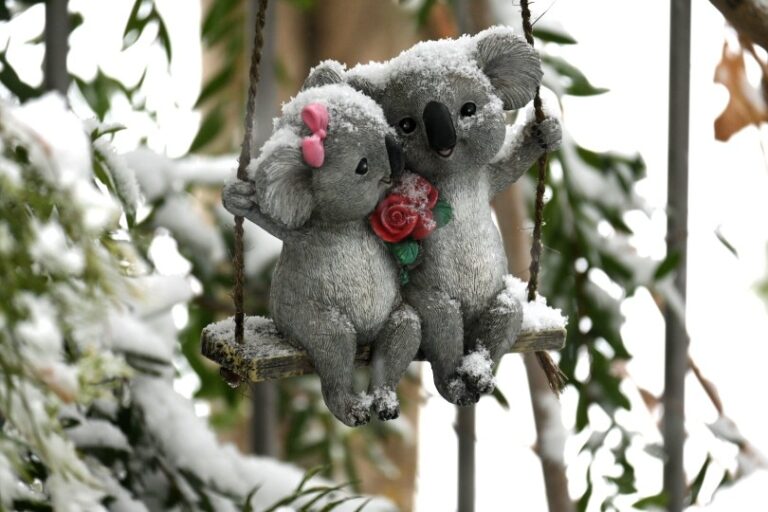
    Koalas are a gorgeous symbol of Australia. Contrary to a once-popular belief, the koala is not a bear. It is, in fact, a marsupial, most closely related to the wombat and kangaroo than it is to anything ursine. Back in the mid-1980s, koalas set off a frenzy among Japanese when they were first brought to zoos here. Like the country itself, though, Japan’s koalas are aging and the country’s koala population has dwindled below half of its peak in the late 1990s. Koalas generally sleep for 22 hours a day, so the animals in these photos are essentially in action pics. It’s fair to say that for most Japanese who…

  • It Would be Roo-d Not to Include…

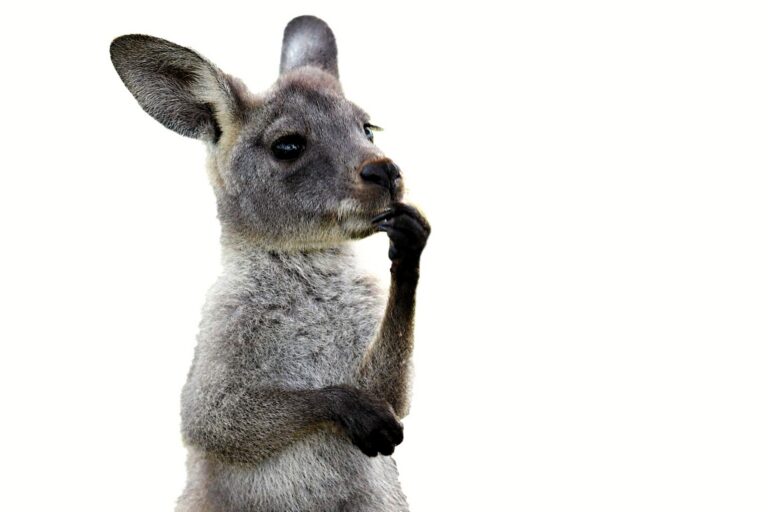
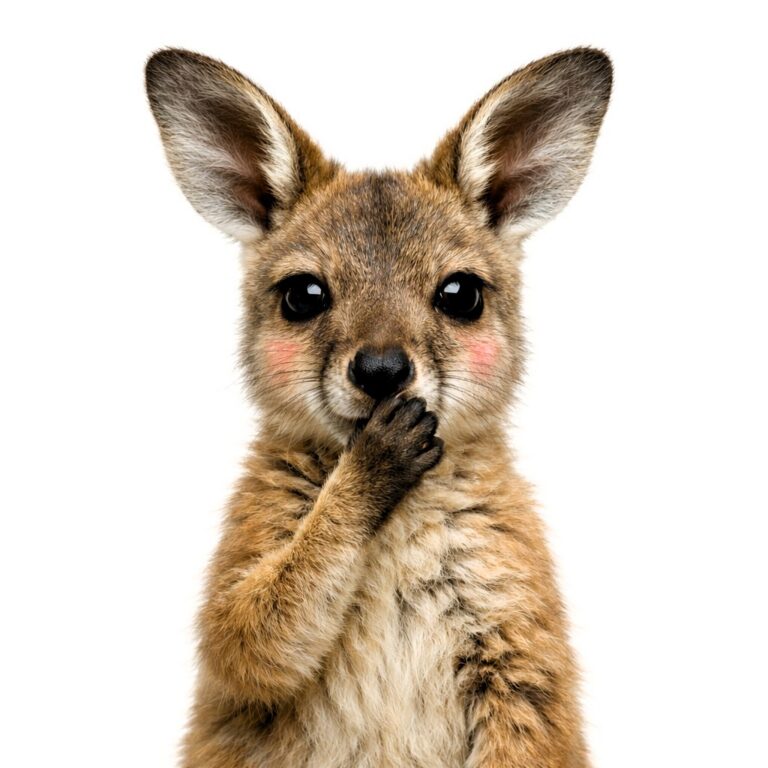
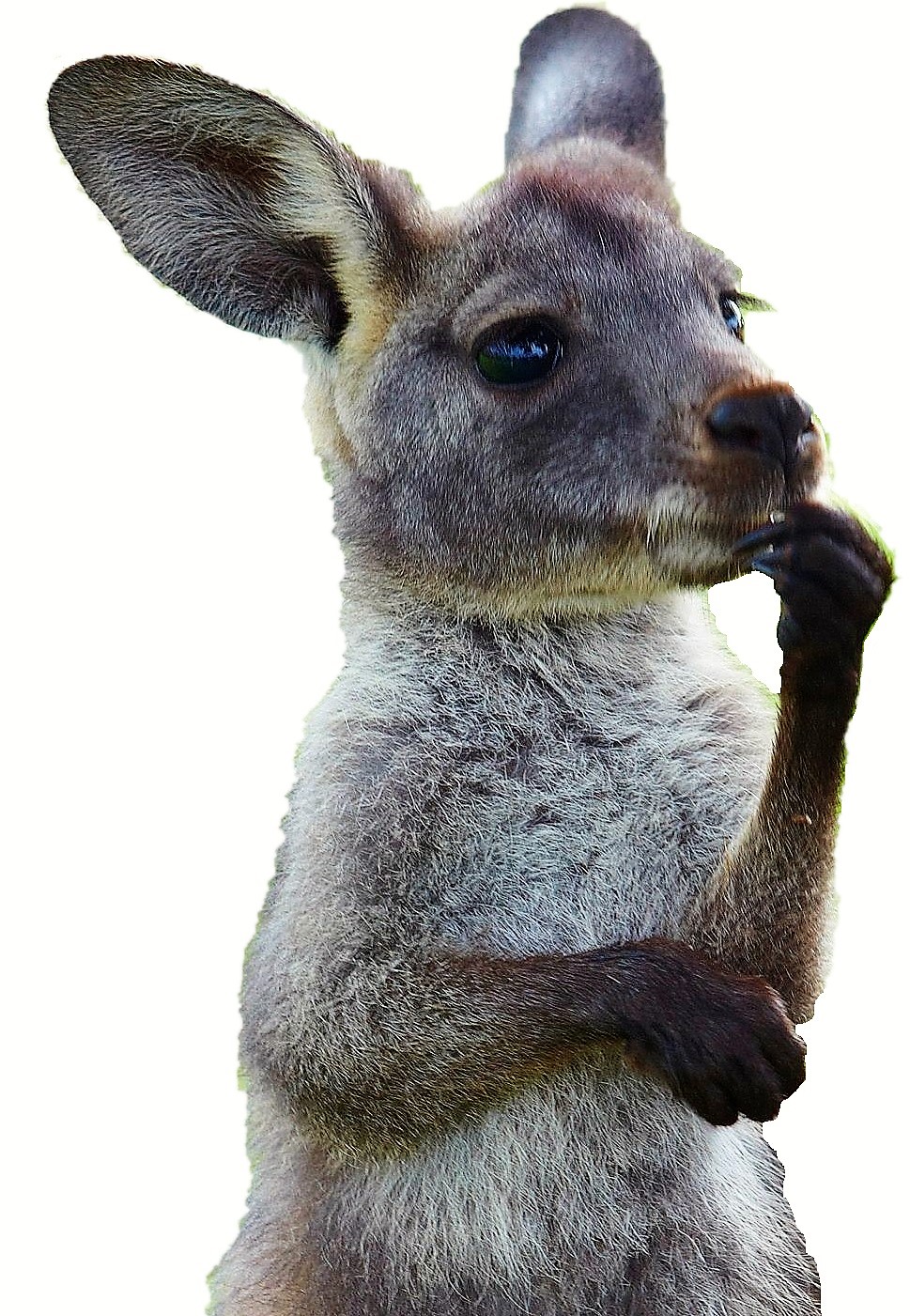
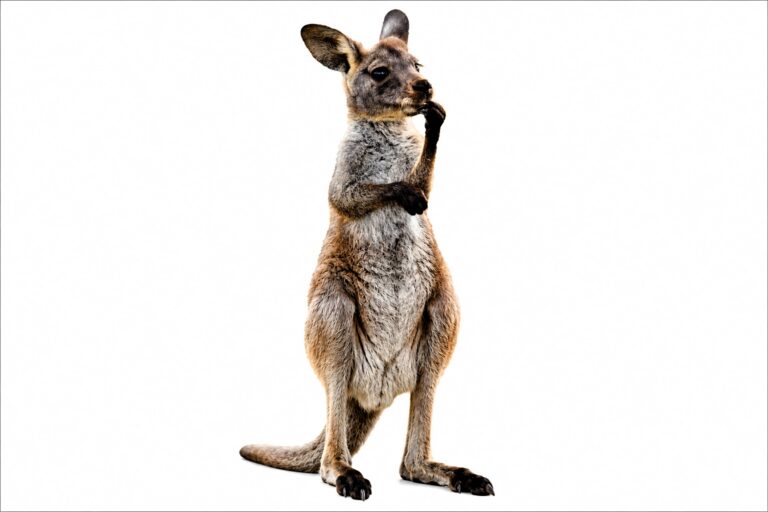
    Having looked at the emu, one of the stars of the Australian coat of arms in our previous post, it would be rude not to look at the other half of the emblem, the kangaroo. Roos are also the national animal of Australia. And here’s a gallery of greys to help make your day. (Of course, we shouldn’t forget that kangaroos are also the inspiration for this site, kangaeroo, the thinking kangaroo.

  • We Are Not Emus-ed

    Emus are huge, flightless birds endemic to Australia. They’re also featured on the country’s coat of arms, together with the kangaroo, with both creatures selected because they are physically incapable of taking a step backward, meaning they can only advance. Emus are one of Australia’s myriad glorious birds and trail only the ostrich as the world’s largest birds. They’re also capable of running up to 50 km/h! The link with dinosaurs also becomes pretty obvious just by looking at these creatures. Emus are also known to have controlled the late British comedian Rod Hull.

  • 豪州ブランド車ホールデンが廃止へ

     オーストラリアの最も有名な車ブランドであったホールデンが2020年いっぱいで廃止となることは親会社であるジェネラルモーターズ社の17日発表で分かった。  1908年に始まったオーストラリア国内製造が2017年に終わったが以降シボレー車が輸入されてホールデンブランドで販売された。  しかし、販売数が伸び悩み、結局GMがホールデンブランドを廃止することを断行した。  一時、オーストラリア製造業の象徴であったホールデン車が事実上存在しなくなる。  販売終了後、約10年間メンテナンスのために200人程度を雇用する予定はしている、とGMがいう。

  • You Know You’re Australian If…

    A decade or so ago, Sydney comedian Richard Glover wrote a fairly comprehensive list of typical Australian behaviors that is usually reprinted around this time of year, heading into Australia Day on January 26. Kangaeroo joints the throng of reprinters by adding the list here. You know you’re Australian if: You know the meaning of the word “girt”. You believe that stubbies can be either drunk or worn. You understand that, should an Australian prime minister attempt to invent a nickname for himself, the nation would respond by choosing its own moniker, somewhat less flattering. You believe the best-looking people in the world are those wearing the uniform of the…

  • Sayonara Stories

    Mobile phones were starting to become a reality when Kangaeroo left Australia around this time of the year back in 1988, a year when the bicentennial of British colonization was marked. It was supposed to be a six-week holiday in Japan. Some 32 years later, that trip effectively hasn’t ended. Japan was in the news in Australia at the time of departure. Then Emperor Hirohito was in a critical condition (he would die shortly into the new year). The Japanese economy was booming and Japan seemed poised to take over leadership of the global business world. But, the more things change, the more they seem to stay the same. Like…

  • | |

    Beauty, Athleticism Driving Boom in Sales of Kangaroo Meat in Japanese Convenience Stores

    Kangaroo meat is selling like hotcakes in Japanese convenience stores. Sales of protein-related products are skyrocketing against a backdrop of growing fascination for weight training. All protein-related products grew 40% year on year at Natural Lawson convenience stores from fiscal 2018 to fiscal 2019. And September 2019 sales increased 70% YoY, with kangaroo meat being a prime driver at the chain’s 143 stores in the Tokyo metropolitan area. Tokyo-based Vasel Inc. sells kangaroo meat under the RooMeat and Paroo brands throughout Japan, including the roo jerky selling strongly at convenience stores. “Kangaroo meat is the pinnacle of red meats. Its saturated fats are 20 times better for you than beef…

  • |

    ‘You’re Not Taking the Kingswood’…But Japan Did for a Little While

    On this day 70 years ago, Australia launched a domestic automaking industry at Fishermen’s Bend in Melbourne to produce Holden cars. Not many outside Australia that the Great Southern Land once produced cars, and perhaps even fewer still are aware that Oz exported some models to Japan. These weren’t cars assembled in Australia and shipped to the world’s then second-largest car market (as would happen in the late 1980s and 1990s, notably with the Subaru Outback). They were cars made with the intent of attracting Japanese consumers. Ironically, one of the cars marketed was the Mazda Roadpacer, a car slightly adapted from an iconic Australian car, the Holden Kingswood. Holden…

  • |

    No Wonder the Wallabies Were Wallies in RWC2019

    Australia’s rugby team, the Wallabies, were ignominiously dumped from the 2019 Rugby World Cup that Japan is currently hosting (and being lauded for both its organization skills and the rousing performance of its unfancied team). The Wallabies lost badly to England in a quarter final, mostly because they were not good enough as a team. But Kangaeroo.com has also discovered another reason for the Wallabies’ woes. Gorgeous Jindaiji Temple, which supported the Wallabies’ woeful World Cup, is situated in the Tokyo suburb of Chofu, location of the Aussies’ group stage loss against Wales on September 29 that effectively derailed their campaign on the field. Jindaiji had proudly displayed Wallabies jerseys…