50 Years of Friendship

  • | |

    The Tragic Tale Of A Japanese-Australian Wallaby Who Became A Symbol Of Mateship

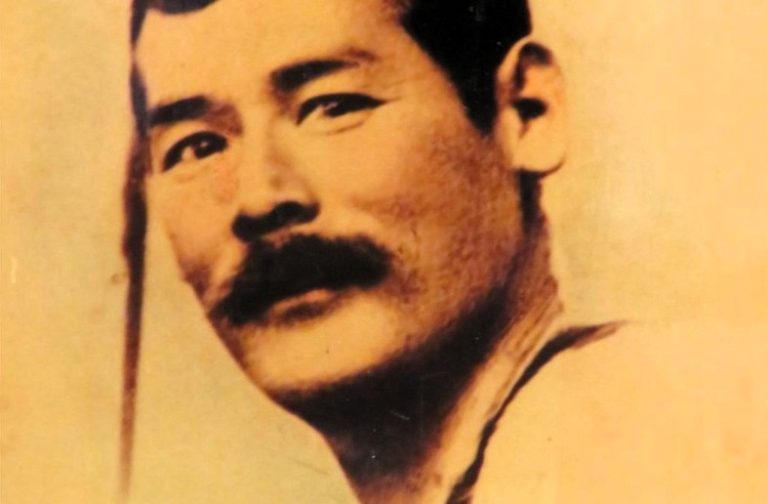
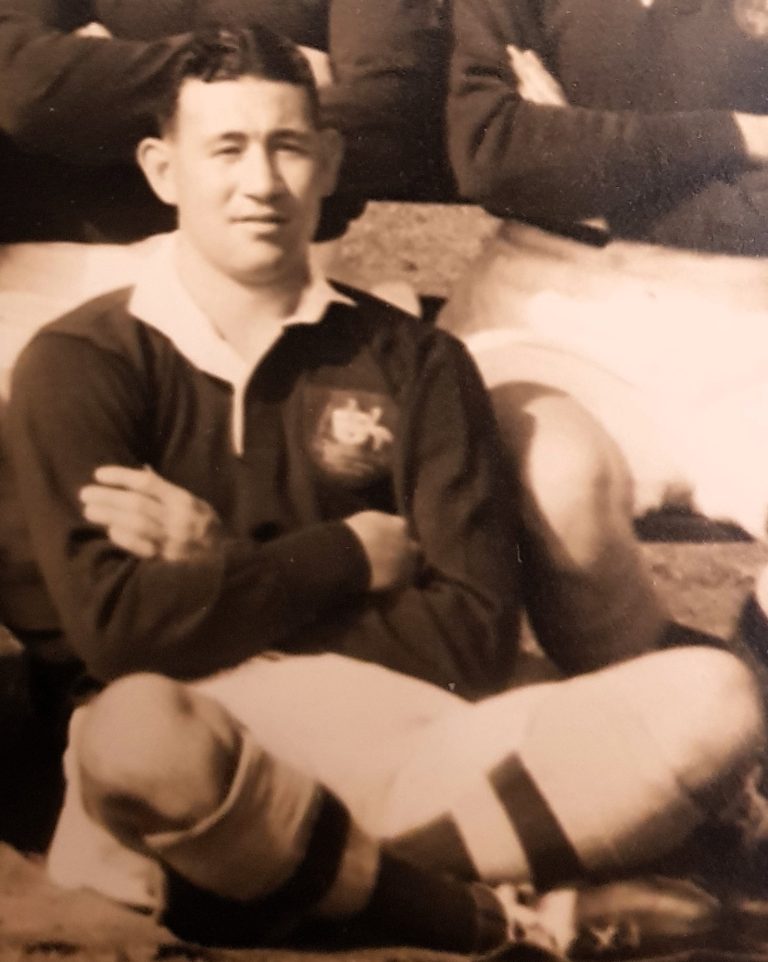
    なぜ日系オーストラリア人のワラビーズ選手は「仲間」の象徴になったのでしょうか? A Wallaby Called “Blow” 「ブロー」と呼ばれたワラビー Winston Phillip James Ide was born in Sydney in 1914 to an Australian mother, Clara, and Japanese-born father Henry Hideichiro Ide. Nicknamed “Blow” as a child, he became a talented rugby player, representing New South Wales and Queensland before playing two Tests for Australia against the All Blacks in 1938. ウィンストン・フィリップ・ジェームズ・イデは1914年、シドニーでオーストラリア人の母クララと日本生まれの父ヘンリー・ハイデイチロウの間に生まれました。幼いころの癖から「ブロー」と呼ばれ、ラグビー選手として頭角を現し、1938年にはオールブラックス戦2試合でオーストラリア代表としてプレーしました。 From rugby field to battlefield ラグビー場から戦場へ Ide was selected for the 1939 Wallabies tour of Britain. The team had just reached England when war broke out in Europe. The tour was abandoned and the players returned home. Ide then enlisted in the Second Australian Imperial Force and joined the 2/10th Field Regiment. イデは1939年のワラビーズ英国遠征メンバーにも選ばれました。しかし一行が英国に到着した直後、ヨーロッパで戦争が始まり、遠征は中止されます。帰国したイデは第二オーストラリア帝国軍に入隊し、第2/10野戦連隊に所属しました。…

  • | |

    Why Do Over 100 Aussie Communities Have Japanese Sister Cities?

    なぜ100を超えるオーストラリアの自治体が日本の姉妹都市を持っているのでしょうか? From school exchanges to sporting visits and lifelong friendships, sister-city relationships have quietly connected Australians and Japanese for decades. Today, more than 100 Australian communities have an official partnership with a Japanese city. 学校交流やスポーツ交流、市民同士の友情まで――姉妹都市交流は長年にわたり日豪の人々を結び続けてきました。現在、100を超えるオーストラリアの自治体が日本の都市と正式な姉妹都市関係を結んでいます。 Friendship begins between communities 友情は町と町から始まる National treaties are signed by governments, but sister-city relationships are built by ordinary people. Students, teachers, musicians, athletes and volunteers have travelled between Australia and Japan for decades, creating friendships that often last a lifetime. 国同士の条約は政府が結びますが、姉妹都市交流を支えているのは市民です。学生や教師、音楽家、スポーツ選手、ボランティアなど、多くの人々が長年にわたり日豪を行き来し、生涯続く友情を育んできました。 More than 100 partnerships Australia and Japan currently have 107 sister-city and sister-state relationships. Together they also support more than 550 sister-school partnerships, making this one of the world’s most extensive local-government exchange networks….

  • | | | | |

    Why Have Thousands Of Young Aussies JET-ted Off To Live And Work In Japan?

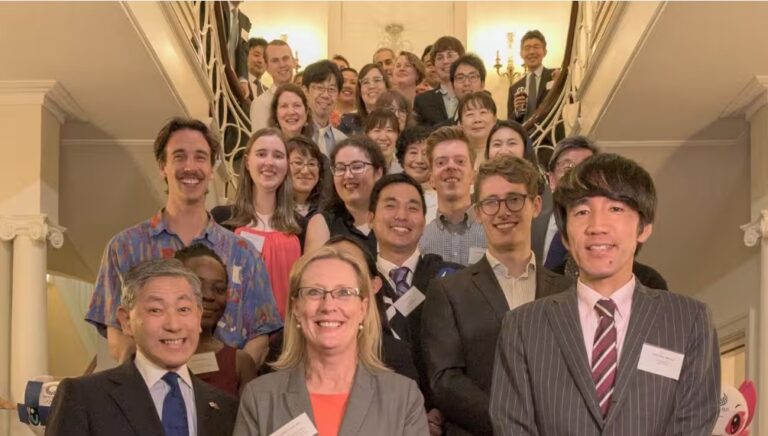
    なぜ何千人ものオージーが日本で暮らき、働く道を選んだのでしょうか? Since 1987, the JET Programme has brought thousands of young Australians to Japan as assistant language teachers and international coordinators. Many arrived expecting a one-year adventure, but found lifelong friendships and careers instead. 1987年に始まったJETプログラムは、何千人ものオーストラリアの若者を外国語指導助手(ALT)や国際交流員として日本へ迎えてきました。1年間の経験のつもりが、一生の友情や仕事につながった人も少なくありません。 An idea with a big vision 大きな夢から始まった交流事業 The Japan Exchange and Teaching (JET) Programme was launched in 1987 by the Japanese Government to promote international understanding at the local level. Australia became one of the first participating countries and remains one of the programme’s largest partners. JETプログラムは1987年、日本政府が地域レベルで国際交流を深めることを目的に始めました。オーストラリアは開始当初から参加しており、現在も主要な参加国の一つとなっています。 Far more than teaching English 英語を教えるだけではない Australian participants teach English in schools, but they also introduce students to Australian culture, sport and everyday life. In return, they learn…

  • |

    Why Is Australia Home To One Of The World’s Largest Japanese Gardens?

    なぜオーストラリアには日本国外有数の日本庭園があるのでしょうか? The Cowra Japanese Garden is far more than a tourist attraction. It grew from an extraordinary act of reconciliation between Australians and Japanese after the Second World War, becoming one of the strongest symbols of friendship between the two nations. カウラ日本庭園は、単なる観光名所ではありません。第二次世界大戦後、オーストラリアと日本の和解から生まれた、日豪友好を象徴する特別な場所なのです。 A difficult chapter in history 歴史の中の苦しい出来事 Cowra, in central New South Wales, was the site of the 1944 Cowra Breakout, when hundreds of Japanese prisoners of war attempted a mass escape from the local prisoner-of-war camp. Many Japanese and four Australian soldiers lost their lives, leaving painful memories for both countries. ニューサウスウェールズ州カウラは、1944年に日本人捕虜による大規模な脱走「カウラ事件」が起きた町です。この出来事では多くの日本人捕虜と4人のオーストラリア兵が命を落とし、両国に深い悲しみを残しました。 Choosing remembrance over resentment 憎しみではなく、追悼を選んだ町 After the war, the people of Cowra chose compassion instead of…

  • | | |

    How Did A Japanese Kid Who Spoke No English Fundamentally Change Aussie Culinary Culture?

    一人の若い日本人シェフは、どうやってオーストラリアの食文化を変えたのでしょうか? When Tetsuya Wakuda arrived in Australia, he spoke little English and had no reputation. Today he is recognised as one of Australia’s greatest chefs, proving that friendship between nations can sometimes begin in a kitchen. ほとんど英語を話せないままオーストラリアへ渡った一人の日本人青年。後に和久田哲也さんは、オーストラリアを代表するシェフの一人となり、料理を通じて日豪の交流を深める存在となりました。 A new life in Australia オーストラリアで始まった新しい人生 Wakuda was born in Hamamatsu, Shizuoka Prefecture, in 1959. At the age of 22 he moved to Sydney, seeking new opportunities. With little English but a determination to learn, he began working in restaurant kitchens, where his talent quickly became clear. 和久田さんは1959年、静岡県浜松市に生まれました。22歳でシドニーへ渡り、新しい人生を歩み始めます。英語はほとんど話せませんでしたが、料理への情熱と努力で、その才能はすぐに高く評価されました。 Japanese precision meets Australian ingredients 日本の技とオーストラリアの食材が出会う Rather than simply cooking traditional Japanese food, Wakuda combined Japanese techniques with Australia’s exceptional seafood, meat and fresh produce….

  • Why Has Kumi Taguchi Become One Of Australia’s Most Important Bridges To Japan?

    なぜクミ・タグチ氏はオーストラリアと日本を結ぶ大切な架け橋になったのでしょうか? Australian journalist Kumi Taguchi has spent decades helping Australians understand Japan—not through stereotypes, but through thoughtful storytelling and her own bicultural experience. オーストラリアのジャーナリスト、クミ・タグチ(田口久実)氏は、長年にわたり自身のルーツと取材を通して、日本を固定観念ではなく「人」の物語としてオーストラリアへ伝えてきました。 Australia’s trusted Japanese-Australian voice オーストラリアで信頼される日系ジャーナリスト Many Australians know Taguchi as the calm, thoughtful presenter of SBS’s Insight. Before that she fronted ABC News and Compass, becoming one of Australia’s best-known journalists. Few viewers realise her Japanese heritage has quietly shaped her career and the stories she tells. Taguchi is, for me, an incredible presence on Insight. The program encourages people to bare their souls about aspects of their lives that make them extremely vulnerable. Having the ability to coax those emotions from people takes an immeasurable…

  • |

    What Japanese Snack Company’s Catchy Commercial Drove Aussies Crackers?

    どの日本のお菓子メーカーのCMがオージーを夢中にしたの? For years, Australians couldn’t get three simple syllables out of their heads: “Sa-ka-ta.” A catchy television commercial turned a little-known Japanese rice cracker into a household name, proving that great advertising can cross cultures as easily as great food. 「サ・カ・タ」――。この3文字が頭から離れなかったオーストラリア人は少なくありません。印象的なテレビCMによって、日本の米菓メーカー「サカタ」は一躍有名になり、広告が国境を越える力を証明しました。 A Tune Nobody Could Forget 耳から離れないメロディー During the 1990s and into the Noughties, Sakata rice crackers burst onto Australian television with a simple commercial. Its infectious adaptation of Trio’s hit song Da Da Da repeated one word over and over. “Sa-ka-ta.” It was impossible not to remember. 耳から離れないメロディー 1990年代から2000年代にかけて、サカタの米菓は印象的なテレビCMでオーストラリアのお茶の間に登場しました。 ドイツのバンド、トリオのヒット曲『Da Da Da』をアレンジし、「サ・カ・タ」を繰り返すシンプルなCMでした。 一度聞けば忘れられないメロディーでした。 A Japanese Snack Finds Australia 日本のお菓子がオーストラリアへ Rice crackers were still unfamiliar to many Australians. Sakata offered…

  • | |

    Did You Know A Japanese Cure Turned Out To Be A QR Aussies Use Daily?

    オーストラリアで毎日使われる便利なものが、日本生まれだと知っていましたか? Aussies scan QR codes countless times every day—for café menus, concert tickets, parking and payments. Yet few realise the technology was invented in Japan by one engineer who wanted to make work easier. カフェのメニュー、コンサートのチケット、駐車場の精算やキャッシュレス決済。オーストラリアでも毎日使われるQRコードですが、その技術が日本で、一人の技術者によって生み出されたことはあまり知られていません。 Meet the man behind the square あの四角いコードを生んだ技術者 In 1994, Japanese engineer Masahiro Hara developed the QR code while working for Denso Wave. The company needed a faster way to track vehicle components during manufacturing. Hara’s solution could store far more information than ordinary barcodes while remaining quick to scan. 1994年、日本の技術者・原昌宏(はら まさひろ)さんは、デンソーウェーブで働きながらQRコードを開発しました。自動車部品をより効率よく管理するため、従来のバーコードより多くの情報を記録でき、素早く読み取れる仕組みを考え出したのです。 A gift, not a monopoly 独占ではなく、世界への贈り物 Although Denso Wave patented the technology, it chose not to enforce the patent rights. This allowed QR codes…

  • | |

    Why Did Aussies Fall in Love with Japan’s Akiya?

    なぜオージーは日本の空き家に魅了されたのか? Lots of Aussies first discovered Japan through “Japow!,” its powdered snow. Now, many are discovering something even more unexpected—its empty country homes. From Niseko to Hakuba and beyond, Aussies are helping breathe new life into communities facing population decline. 多くなオージーが最初に夢中になったのは日本の雪でした。しかし今、彼らを引きつけているのは、地方に残る空き家です。ニセコや白馬をはじめ、日本各地でオーストラリア人が地域に新しい息吹をもたらしています。 Real Estate Romance Started with the Snow すべては雪から始まった The real estate romance relationship began in the 1990s when Aussie skiers discovered the deep powder snow of Hokkaido. Niseko soon became Australia’s favourite overseas ski destination. Many visitors returned year after year, eventually deciding to invest, settle or establish businesses in the region. すべては雪から始まった 1990年代、オーストラリア人スキーヤーが北海道の極上のパウダースノーを発見したことが始まりでした。 ニセコは瞬く間に人気のスキーリゾートとなり、何度も訪れるうちに、移住や投資、事業を始める人が現れました。 From Niseko to Hakuba ニセコから白馬へ After helping transform Niseko into an international resort, Australian…

  • | | |

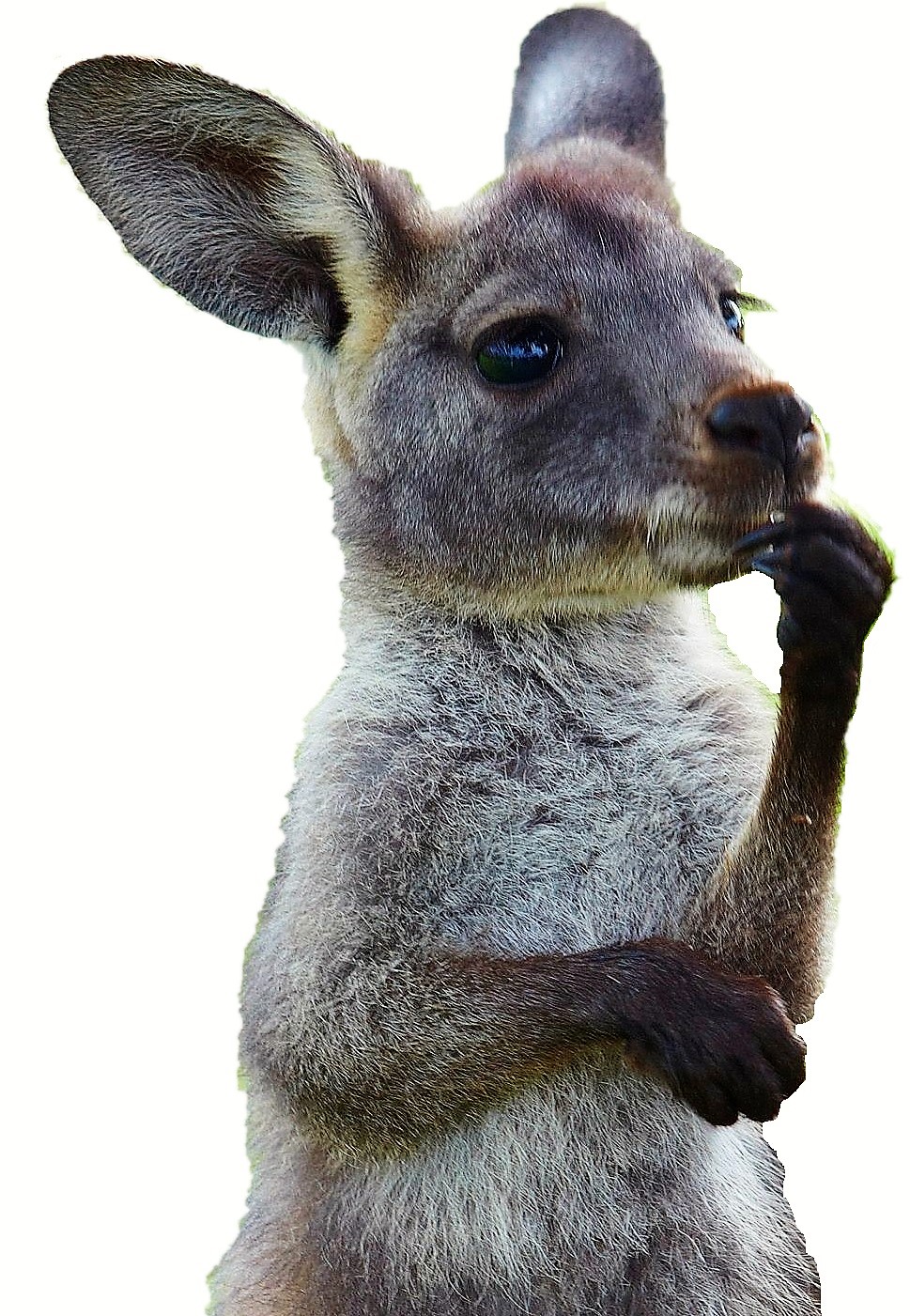
    How Did A 19th Century Kangaroo Spark Japan-Australia Ties That Now Seem A Perfect Match?

    カンガルーが火をつけた日豪交流 ― まさに“マッチ”した関係の始まり? Long before Australia became one of Japan’s closest partners, Japanese manufacturers had been using kangaroos to promote their products. The earliest documented reference to the commercial use of a kangaroo in Japan came from 1884, when a misemono traveling curiosity show advertised that it would feature a fukuro nezumi, literally a pouch mouse, at the Tenmangu Shrine grounds in Osaka. オーストラリアが日本の最も親しいパートナーの一つとなるはるか以前、日本のメーカーはすでにカンガルーを商品の宣伝に活用していました。 現在確認されている日本におけるカンガルーの最初期の商業利用は、1884年に大阪・天満宮境内で開かれた見世物興行の広告です。そこには、カンガルーが「袋鼠(ふくろねずみ)」として紹介されていました。 A Kangaroo on a Matchbox マッチラベルに描かれたカンガルー Japan first enacted a trademark registration system in June 1885, and Kobe-based match manufacturer Seisuisha registered its first trademark on Oct. 11 of that year. It was a matchbox featuring a lion. The lion was part of a series…