日本中がコアラフィーバーになったのはなぜ?
Why Did Japan Go Koala Crazy?
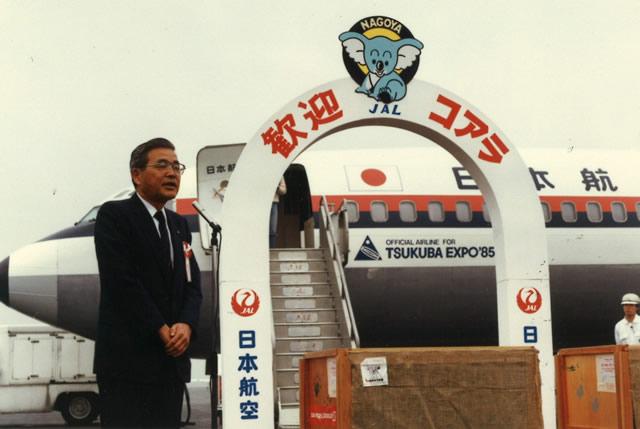
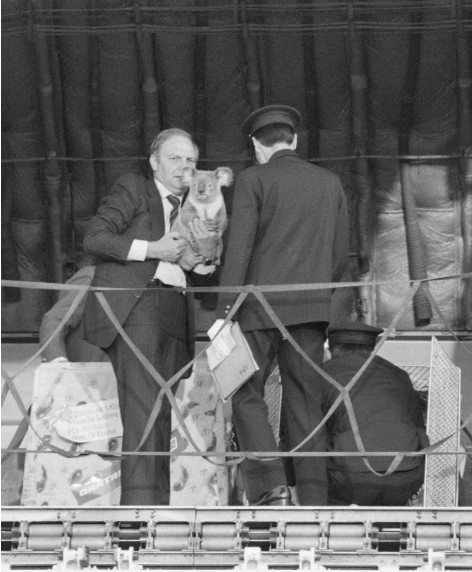
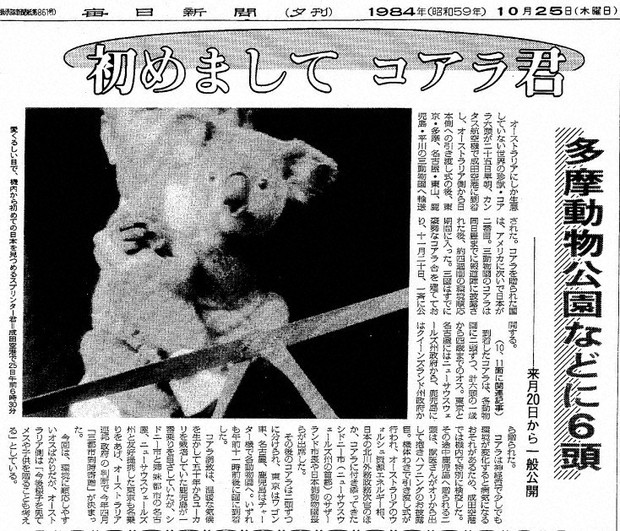
When six Australian koalas arrived in Japan on 25 October 1984, they were treated like visiting royalty. More than 100 journalists crowded Narita Airport, their flight had a special koala compartment, and police escorts accompanied them to their new homes.

1984年10月25日、オーストラリアから6頭のコアラが日本にやって来ました。成田空港には100人以上の報道陣が詰めかけ、専用スペースを設けた特別便で到着。動物園までの移動にはパトカーが先導するという、まさにVIP待遇でした。
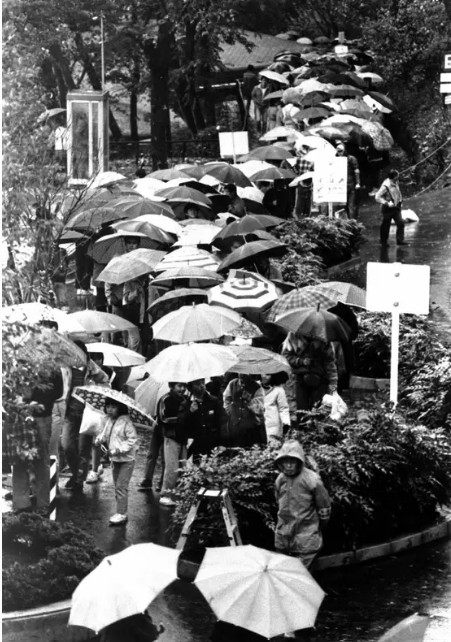
But the real madness began when the public finally got to see them. At Nagoya’s Higashiyama Zoo, 11,200 people came on opening day. On the first weekend, 38,000 visitors descended on the zoo.
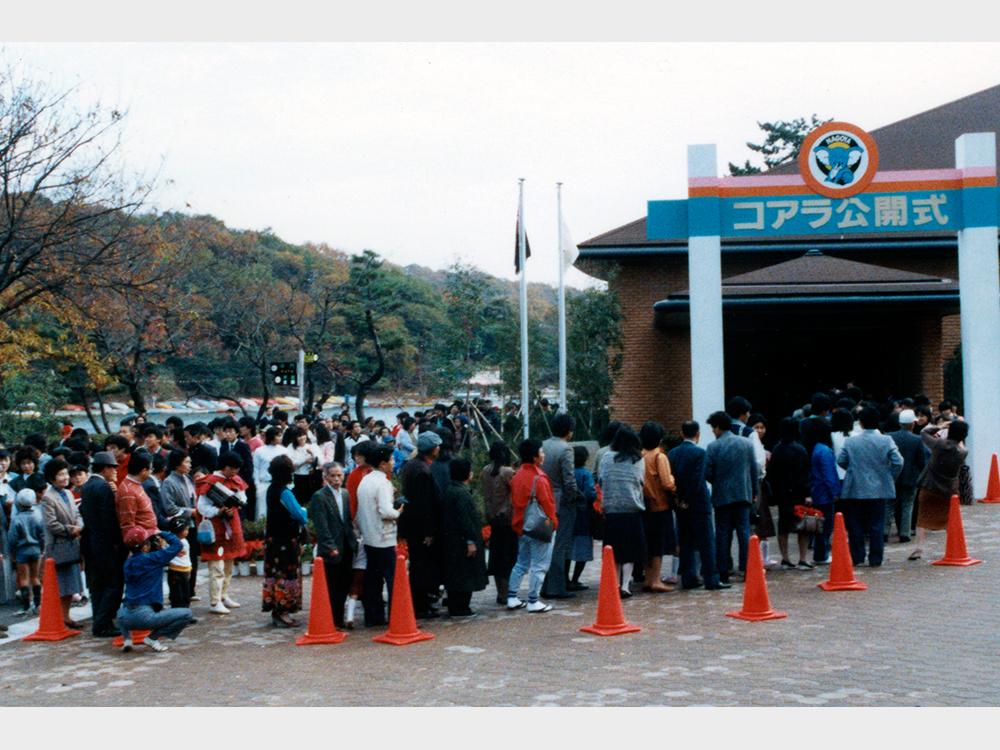
People queued for hours just to catch a glimpse of an animal many had previously known only from pictures.
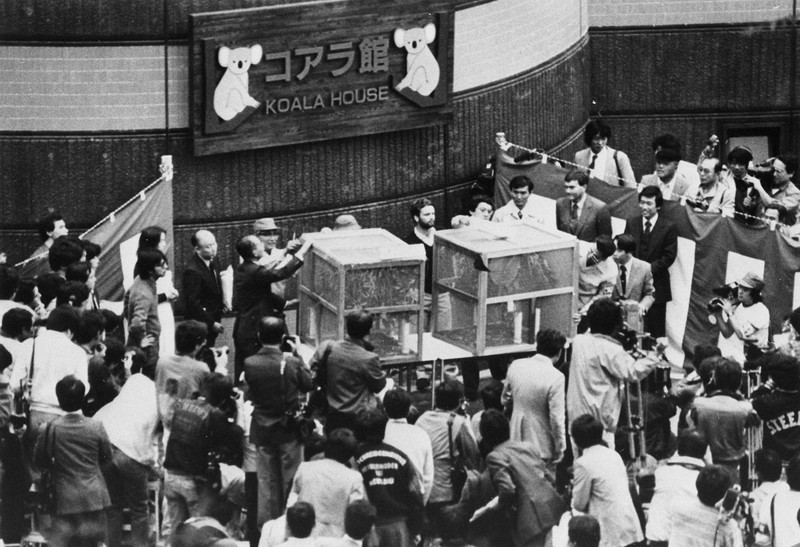
本当の熱狂は、一般公開が始まってからでした。名古屋の東山動植物園では初日に1万1,200人が来園。最初の週末には、なんと3万8,000人が押し寄せました。それまで写真でしか知らなかった動物をひと目見ようと、何時間も行列に並ぶ人々が続出したのです。
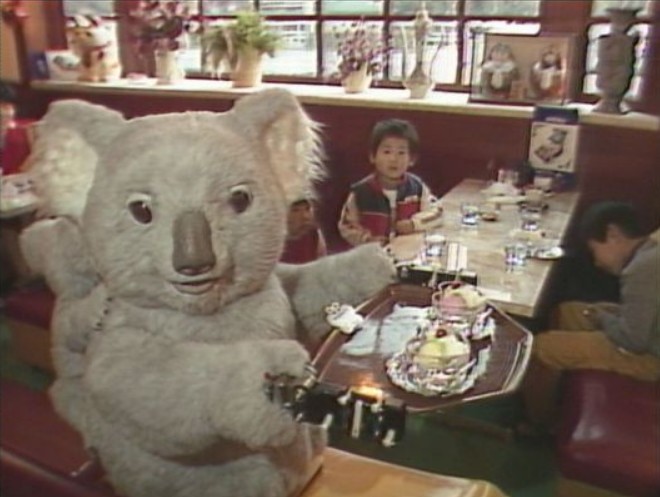
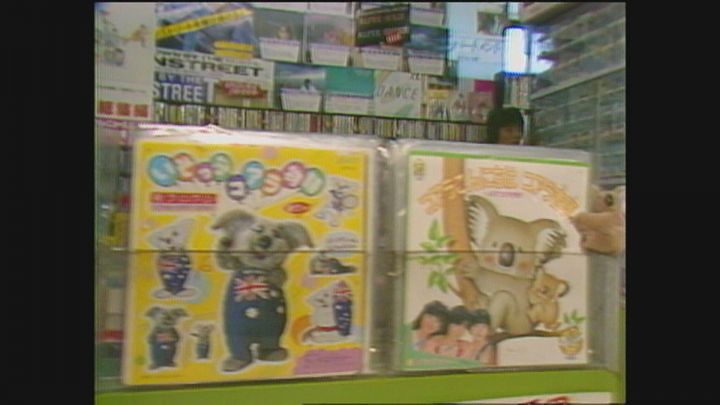
And Japan didn’t stop at looking. A nationwide competition chose the koalas’ names: Tomtom and Tam-tam in Tokyo, Mokumoku and Korokoro in Nagoya, and Hayato and Nemunemu in Kagoshima. Record shops stocked koala songs, shops created special displays, and a bank even launched “Koala Savings”. The craze had escaped the zoo and entered everyday life.
熱狂は動物園の外にも広がりました。全国公募で名前が決まり、東京は「トムトム」と「タムタム」、名古屋は「モクモク」と「コロコロ」、鹿児島は「はやと」と「ネムネム」。レコード店にはコアラの歌が並び、店頭には特設コーナーが登場。銀行まで「コアラ預金」を始めました。コアラは動物園の人気者を超え、暮らしの中に入り込んだのです。

The timing was extraordinary. Lotte had launched Koala’s March in March 1984, inspired by news that koalas were coming to Japan. The biscuits and the real animals arrived in the same year, reinforcing each other’s popularity. Australia had sent six small marsupials; Japan had created a national phenomenon.
このブームを後押ししたのが、ロッテの「コアラのマーチ」です。発売は1984年3月。コアラが日本にやって来るというニュースが、商品名やコンセプトのヒントになりました。本物のコアラとお菓子が同じ年に登場し、人気を高め合ったのです。オーストラリアからやって来たのは小さな有袋類6頭。それが日本中を巻き込む社会現象になりました。
Forty-two years later, the queues have faded, but the connection remains. The koala craze began as entertainment, yet it helped turn a distinctive Australian animal into a familiar part of Japanese life — and a lasting symbol of affection between the two countries.
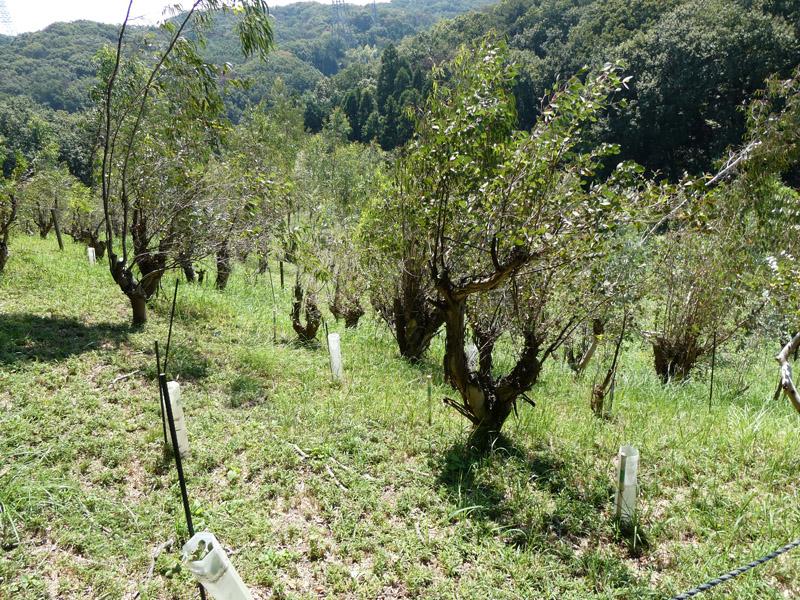
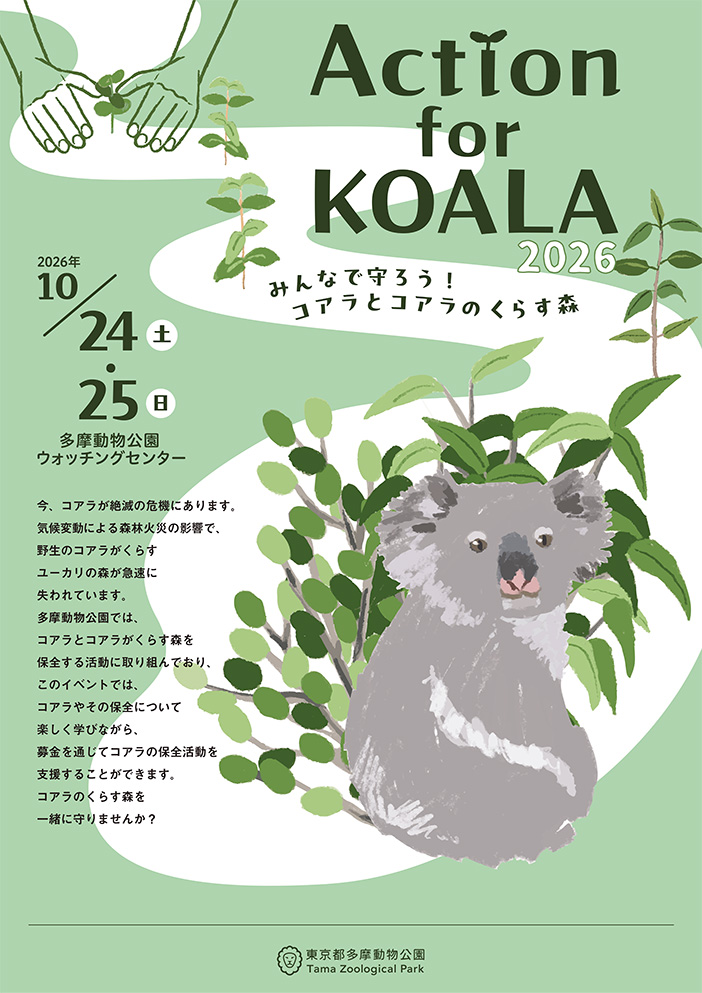
Incidentally, I live near Tama Zoo and first visited more than 30 years ago. Koalas were still fresh in people’s minds and the zoo heavily promoted the marsupial’s presence. I bought a meat pie at the zoo. It had been the first one I’d had in years (and not overly authentic). There are still decorations around the city dating back to the koalas’ heyday, but now people are far more blase. Few visit the Koala House and it seems a pretty pathetic place for the poor animals to spend their entire lives. They still get the VIP treatment in some ways though, with the zoo maintaining a eucalypt forest just for its koalas and the Kichu Forest Cooperative in Wakayama running a dedicated gum tree operation to feed them.
Report Looking Back At Koala Fever
Koala Fever!
Koalas Arriving At Higashiyama Zoo
Public Domain Footage Of The Koalas Arriving At Tama Zoo
NHK archive report with the same footage.
Report On The Koala House At Tama Zoo
More About…
- Lotte: The History of Koala’s March
- Tama Zoo: Action for KOALA 2026
- 考えRoo: Little Girl’s Story Opens Door to Aussie Animal Boom in Japan
- 考えRoo: Why Did Japan Fall in Love with the Frill-necked Lizard?
- 「豪州からVIP待遇で」初来日“コアラフィーバー”から40年…輸出禁止だったコアラが日本に来るまで | 文春オンライン
- 初来日した“コアラフィーバー”から40年…繁殖成功までの苦闘の日々 故郷・豪州では「絶滅の危機」 | 東海テレビNEWS
- ユーカリ事業 | 森林組合の仕事 | 紀中森林組合
- 「Action for KOALA みんなで守ろう!コアラとコアラのくらす森」を開催しました | 東京動物園協会

「Action for KOALA みんなで守ろう!コアラとコアラのくらす森」を開催しました | 東京動物園協会