第33回日豪合同セミナー実行委員会が6月に開催

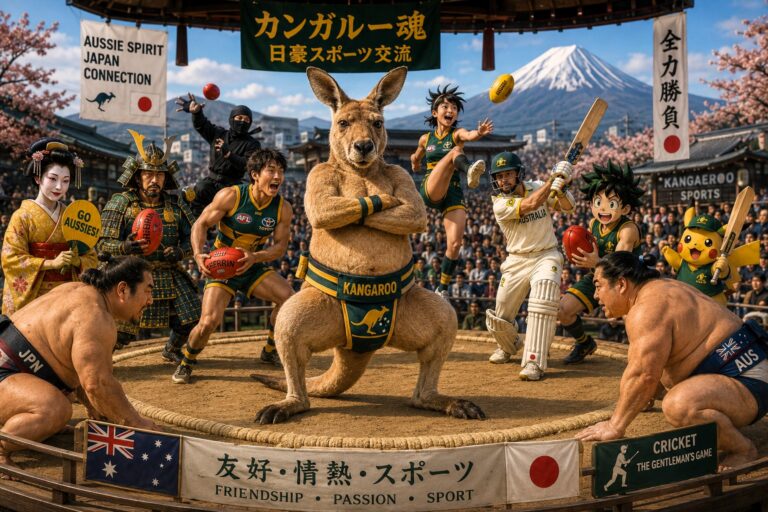
第33回日豪合同セミナー実行委員会が6月16日(土)~17日(日)東京八王子市にて開催することになっている。
 開催者である日豪合同セミナーによると、次の趣旨で議論等が行う。
日米豪が太平洋の防衛ラインを強化すれば、中国はロシアと青島沖で軍事演習を実施。日本がTPP(環太平洋戦略的経済連携協定)への参加を検討すれば、中国は日本、韓国とのFTA交渉を打ち出し、東アジア広域自由貿易構想にも前向きな姿勢を示す。
 外交、貿易、安全保障などでどこと組むか?21世紀の枠組みを巡って微妙な交渉が繰り広げられている。今年のセミナーは日豪関係をカギにして、揺れ動く国際関係を考えたい。
 第33回日豪合同セミナーについて詳しいことはウェブサイトまで。

Cop A Gander At These Rippers Too...

  • | |

    Why Do Japanese Baseball Teams Train in Australia?

    なぜ日本のプロ野球チームはオーストラリアでキャンプを行うのか? Every February and March, Japanese professional baseball teams head south instead of north. Why? The answer isn’t simply sunshine. Behind Australia’s growing role in Japanese baseball lies a story of friendship, trust and a shared love of the game. 毎年2月から3月にかけて、日本のプロ野球チームは北ではなく南へ向かいます。その理由は、暖かい気候だけではありません。オーストラリアでのキャンプには、野球を通じて育まれた日豪の友情と信頼の物語があります。 More Than Sunshine 暖かさだけではない When winter grips Japan, Australia is enjoying late summer. That makes it an ideal place for pre-season training. But sunshine alone doesn’t explain why Japanese teams keep returning. They come because Australia offers first-class facilities, quality opposition and communities that welcome them year after year. 暖かさだけではない 日本が冬を迎える頃、オーストラリアは夏の終わりです。 そのため、春季キャンプには最適な環境となります。 しかし、日本の球団が何度も訪れる理由は気候だけではありません。 充実した施設、実戦相手、そして温かく迎えてくれる地域の人々がいるからです。 Building Baseball Friendships 野球がつないだ友情 Training camps create more than fit players. They create friendships. Local…

  • Banana bender/クイーンズランド人。

    Banana bender Australian English A Queenslander, a resident or native of the state of Queensland. The name derives from the large amount of tropic fruit production in the state, as well as being a gentle jibe at Queenslanders for the perception that they are “slow” because of the regional accent and the state’s traditional conservativeness. Some Queenslanders, particularly from the countryside, speak with a slow, broad accent and many end sentences with the intonated question “eh?” This is the most distinctive of any regional Australian accent. 日本語 クイーンズランド人。クイーンズランド州出身及び定住者。直訳すると「バナナを曲げる人」。由来は、同州がバナナを含めて多くのトロピカルフルーツの産地でありながら、クイーンズランド人が「とろい」という愛情を込めたのからかいを含める。もちろん、とろくないが、同州が豪語の中では鉛が最も目立ち、政治的に最も保守的でもあるに違いない。なまりについて、全国であまり変わらないが、多くのクイーンズランド人、特に田舎に住んでいる人、の話し方がゆっくりであり、母音を長く伸ばす癖がある。また、同州人の多くがしゃべる時に「eh」とイントネーションが高くして文書を負わせる癖もあり、他の地域で見ない現象なので、クイーンズランド州豪語の独特なところである。 Plain English Queenslander. Strine Dictionary

  • Dob/告げ口

    dob Australian English To tell on someone, to tattletale. It is most commonly used among children. A “dobber” is somebody who “dobs,” or tells tales. 日本語 告げ口をいう。密告する。主に子供たちに間に使われているが、大人が使っても違和感をそれほど感じない。Dobをする人は、Dobberと呼ばれる。 Plain English 1) Tell-tale. 2) Snitch. 3) Tell on. Strine Dictionary

  • |

    豪の謎な「マンゴ・ミステリー」が解けちゃった

    オーストラリアの不思議なキッチュオな町おこしオブジェ「Big Things」のひとつである重さ10トンに高さ約4メートルのBig Mangoが今週一旦盗まれたり、見つけられたりして、これに関連して最終的にさまざまな出来事がチキンチェーン店のPRスタントであったことが26日付で分かった。  Big Mangoは、豪北部クィーンズランド州にある同国マンゴ生産一ボエンという町に2002年に地域名物を称えるうえに観光を促進するために設置された。  設置してから2007年にヒュー・ジャックマンとニコール・キッドマン主演「オーストラリア」のロケ地となった期間を除けば同町が平凡な田舎町としてやってきたが、今週24日となったいきなり有名な町象徴ひとつであるBig Mangoの姿が消えていた。  同日、監視カメラが撮影した映像では同オブジェをクレーンが運んでる場面が映られている、という発表があった。  また、翌日、同町内にシートに囲まれている巨大マンゴが見つけられた。  そして、見つかったと同時に米国ファストフードチェーンであるナンドーズが「ボエンの方々に感謝しています。少しの間あなたたちのマンゴをお借りしております。ちゃんと戻すととも理由などを説明いたします」と豪法人ウェブサイトで声明文を出した。 熱帯雨林地の美味しい宝物のBig Mango Big Thingsクイーンズランド州編 Where the Cluck is the Bowen Big Mango? Big Mango tourist attraction stolen from Bowen has been found ‘Stolen’ big mango revealed as a hoax by Nando’s

  • |

    「やばいリンガル」Rubbish(ゴミ)

     米・英語ではrubbishまたはtrashはゴミのことを意味する名詞だけど、オージー英語では動詞として使うと、別の意味にもなる。続けて読めばどのようになるのかが分かる。 In British or U.S. English, rubbish or trash means something you dispose of, but the word adopts a different meaning when used as a verb in Strine.

  • Bonzer Bonsai!

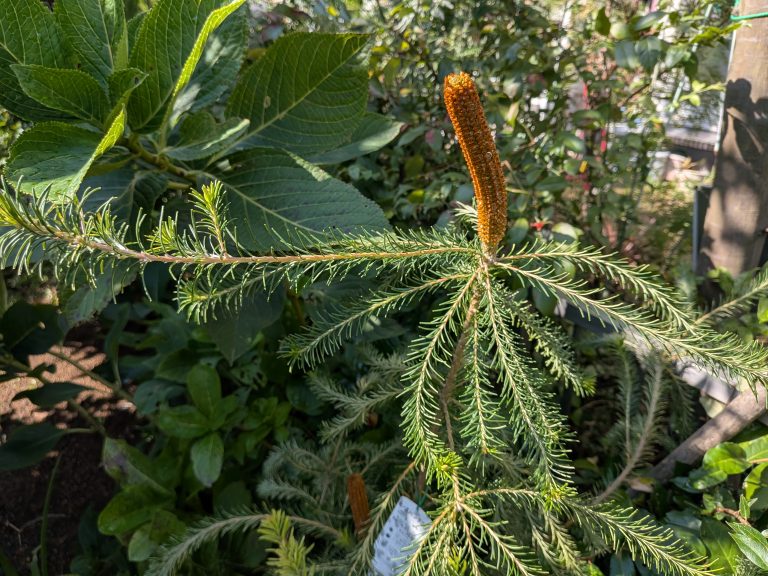
    Given that this site started with the intent of spreading information about Japan and Australia and matters related to these countries, including languages, and then how much focus I have placed on gardening over the past couple of years, it’s surprising that I haven’t had much to say about bonsai. Or bonzer, for that matter. Bonsai is, of course, the Japanese art of miniature tree growing in trays: the literal meaning of the word bon (tray) sai (gro/cultivate). And, despite having written a Strine Dictionary, or list of Australian English terms, one of its notable absentees is the word bonzer, which was perhaps an iconic term Down Under in the…