ファースト・オーストラリアンズ Episode 4 Part 2/5
「ファースト・オーストラリアンズ」(英語)は、2008年作のドキュメンタリー。先住民の視野からオーストラリアの歴史を記録する。必見だ!
今日は4作目5部中2部目。
「ファースト・オーストラリアンズ」(英語)は、2008年作のドキュメンタリー。先住民の視野からオーストラリアの歴史を記録する。必見だ!
今日は4作目5部中2部目。

For much of my life, I was something of a political animal, tempered by social requirements, but eventually tamed and then driven into apathy by circumstance. However, given a chance this week to watch a series of brilliant documentaries about Australian politics with a Tokyo connection, I felt stirrings of an old flame. Mark Willacy, a journalist for the Australian Broadcasting Corporation who was based in Tokyo as its North Asia correspondent from 2008 to 2013, interviewed more than 60 current and former Australian politicians for the three-part documentary series, Nemesis, that aired over the past couple of weeks and told the story of Australia’s three Liberal Party of Australia…
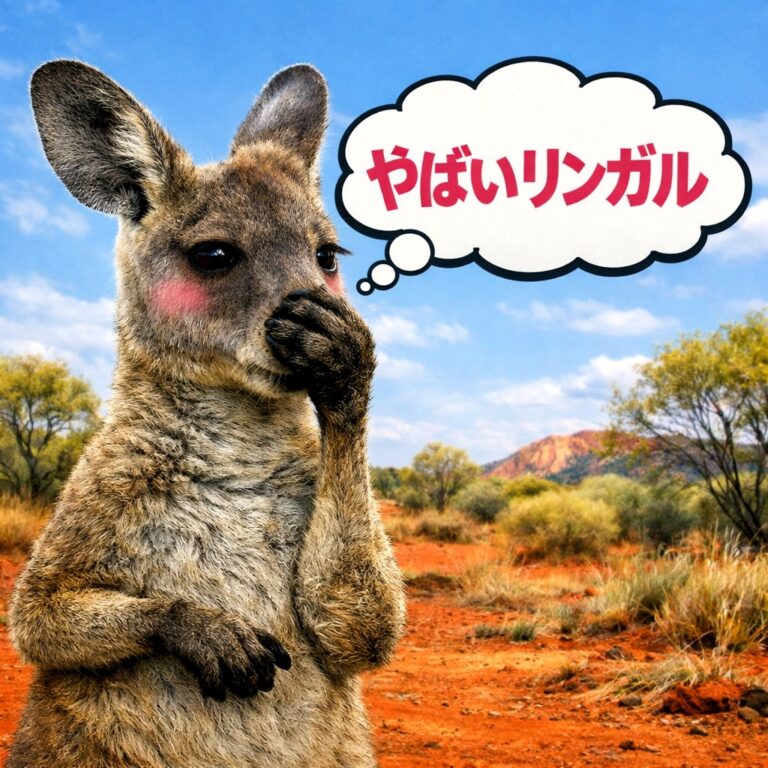
物が少しグラグラ動く事を米・英語ではwobblyと言うが、オージー英語の場合は同じ言葉を、別の状況に対して使う。続けて読めば、どのように使うかが分かる。 Something a little shaky is “wobbly” in most forms of English, but wobbly takes on a different meaning when used in Strine, Australian English. Read on to find out how.

Yoko Ono, perhaps the most famous Japanese person on the planet, sends out a warm wish for a merry Christmas.
mate Australian English A friend or buddy, but also used in a friendly manner to address strangers or acquaintances. It can also be a term of exasperation or frustration when directed at others. 日本語 1)友達。友人。だち。仲間。仲良し。しかし、見知らぬ人に対して使っても珍しくない。 2) 時には、相手に対していらだちなどを感じて表せて使うこともある。 3) (英語での本来の意味は)交尾する。 Plain English 1) Buddy, friend, pal. 2) To procreate. Strine Dictionary

fossick Australian English A term that originated during the Gold Rush of the 1850s that means to look for, search, or rummage. It was once used only to describe searching for gold, but now means seeking anything in a difficult to find place. 日本語 くまなく探す。検索する。探す。オーストラリアは、1850年代にゴールド・ラッシュがあり、fossickがその時に出てきて、「金を探す」という意味しかなかったが、現在に至るまで「見つかりにくい場所にどんなものでも探せる」という使いかたになった。 Plain English To seek, search for, rummage. Strine Dictionary

クリスマス このエントリーをプレーン英語で読む/Read in Plain Englishこのエントリーをオージー英語(豪語)で読む/Read in Strine クリスマスが近いから、仮病を使って仕事サボってずる休みしようかな。まだ、素っ裸だったからパンツを穿いた。タバコ吸おうと思ったけどいつものが切らしていたので、自分で巻くしかなかった。クッキーをつまんで、コーヒーを一杯、それが朝食。天気は最高だったから、かっぺの友達が 都会的なブリスベーンに遊びに来て俺と一緒にバーベキューやるかなと思った。
We use cookies to improve your experience on our site. By using our site, you consent to cookies.
Websites store cookies to enhance functionality and personalise your experience. You can manage your preferences, but blocking some cookies may impact site performance and services.
Essential cookies enable basic functions and are necessary for the proper function of the website.
These cookies are needed for adding comments on this website.
Statistics cookies collect information anonymously. This information helps us understand how visitors use our website.
Google Analytics is a powerful tool that tracks and analyzes website traffic for informed marketing decisions.
Service URL: policies.google.com (opens in a new window)