A Seed Of An Idea

As I touched on over the weekend, I’ve started trying to grow plants from seed and I completed the first round of the process this morning before heading off on my bike.

Blend of potting mix, peat moss and pearlite

Dwarf wattle seeds that I soaked in boiling water last night were the final group of seeds that can be planted in the winter.

Waratah seeds

I managed to spread the seeds over a tray and put them in the humidity pod.

Most of the work was finished yesterday after the ride.

Potting mix

The process so far started in September and October of last year (2022) when I collected Australian native plant seeds, mostly from Bunnings.

Native Australian plant seeds purchased from Oz

Managing to get the seeds through Customs in Oz and Japan, the next toughest step was stopping myself from getting over eager and trying to plant them before they were ready.

Plant starter kits

I did start preparing, mostly by buying plant starter kits, which are lit and heated humidifier pods. They came equipped with diggers, cards and a scoop, all of which I’ve put to use.

Tools

Just before Christmas, I put some waratah seeds in the fridge and kept them there for the subsequent six weeks, as advised by the growing instructions.

Some study revealed that I was on the back foot.

Australian native plants often need to be smoked or exposed to boiled water to replicate natural conditions before they germinate.

I didn’t study that until now, so I missed the opportunity to get starter granules or smoke water, either of which aids in the process, and I couldn’t find them for sale in Japan.

But I did learn about pearlite and vermiculite, so I purchased a bag of both and got to work.

First, I sorted the seeds, setting aside those that could be planted in the winter.

Humidity pod covers with openings to let out the humid air

In addition to the waratah, the seeds were the dwarf wattle, Australian Christmas tree, red cap gum, honeysuckle banksia, orange banksia, everlastings and one of the two sets of kangaroo paw seeds that I have. I had kangaroo paw growing in Kangaeroo Corner from the outset, but I killed them through overwatering, so I am particularly keen to make a better fist of growing them this time around. Another set will go on a tray of their own in another month or so.

Labeled seeds

I took turns sowing each of the seeds in a blend of potting mix, pearlite and peat moss, then covered them with vermiculite.

Each time the seed was sown it got a card with the planting date added so I will be able to tell how long it takes to germinate: if they do, indeed, begin to sprout.

Humidity pods for growing seeds

They were then laid out in the humidity pods in the spare room.

The humidity pods are exposed to daylight (albeit north-facing), but get pumped up with artificial light overnight.

Lighting the humidity pods at night

I’ve never grown anything like this, but am having fun.

In the meantime, I’ll keep checking and updating.
Cop A Gander At These Rippers Too...

  • |

    How Did A Japanese Typewriter Become A Piece Of Australia–Japan History?

    なぜ一台の日本語タイプライターが、日豪関係の歴史になったのでしょうか? The machine nobody else could use 誰にも使えなかったタイプライター In 1963, Akiko Kirkham began working at the University of Queensland. There was something unusual about her job: she was the only person there who could operate its Japanese typewriter. 1963年、Akiko Kirkhamさんはクイーンズランド大学で働き始めました。彼女の仕事には、ちょっと変わった特徴がありました。和文タイプライターをタイプライターを操作できるのが、彼女だけだったのです。 A war bride in Brisbane ブリスベンに渡った日本人女性 Akiko had worked as a typist in Japan after the war. She later married an Australian serviceman and came to Australia as a Japanese war bride. More than 650 Japanese women eventually migrated to Australia as wives or fiancées of Australian servicemen between the end of the war and 1965. Akikoさんは戦後の日本でタイピストとして働いていました。その後、オーストラリア軍人と結婚し、「日本人戦争花嫁」としてオーストラリアへ渡りました。戦後から1965年までに、650人を超える日本人女性が豪州軍人の妻や婚約者として移住しました。 A complicated beginning 簡単ではなかった出発点 Their arrival was far from straightforward. Australian servicemen had…

  • |

    本州面積の半分以上ある射撃場で豪が世界宇宙開発の先がけを

     宇宙開発に先がけた国でいえばオーストラリアを思い浮かぶ人がいないだろう。  初NASA所属日本人宇宙飛行士毛利衛氏が豪大学で博士号を取得したにも関わらず日本では、オーストラリアが宇宙開発に先がけた国だった意識が極めて少ない。実は、オーストラリアでもこのことがほとんど知られていない。でも、事実のだ!  旧ソ連、米国、フランスに次ぐオーストラリアが世界で4番目の宇宙開発用の打ち上げ地となった。  1967年11月29日米国が豪に与えたスパルタ・ロケットを南オーストラリア州にあるウーメラ試験場で打ち上げ、見事にオーストラリア初の人工衛星であるWRESAT(Weapons Research Establishment Satellite)を軌道に乗せた。  約4年後、同試験場が再びロケット打ち上げに関われ、今度はイギリスと共同で英国唯一人工衛星Prosperoがブラック・アローによってウーメラから打ち上げた。Prosperoが今でも起動に乗っている(けど、運用していない)。  以降、ウーメラ試験場でロケットの打ち上げがないものの宇宙開発関連業務が継続的に行っている。1980年まで射撃場として使用されたが閉鎖となった。  また、1990年に再開し、民間や商業的な非軍事の試験プログラムにも使われる。  1996年、宇宙開発事業団(NASDA)と航空宇宙技術研究所(NAL)(現在は両者統合して宇宙航空研究開発機構 (JAXA)) が、小型自動着陸実験機(ALFLEX) の飛行実験を行っている。さらにJAXAは、2002年(当時NAL)と2005年に小型超音速実験機(NEXST-1)の飛行実験を行っている。  2010年6月13日には、小惑星イトカワのサンプルを採取したJAXAの小惑星探査機「はやぶさ」(MUSES-C)のカプセル着陸地点としても使われた。  また、日本の大学も参加しているガンマ線天体物理学のための国際協力実験であるCANGAROO(Collaboration of Australia and Nippon for a GAmma Ray Observatory in the Outback)プロジェクトの望遠鏡が設置され、観測が継続されている。  ウーメラ試験場の面積は12.7万平方キロで、日本の本州(22.8万平方キロ)の半分より少し大きいほどの面積である。世界で最も広い陸上射撃場である。ウーメラ立入制限区域に隣接施設。ウーメラのネーミングは、オーストラリア先住民が槍を投げる時に使った補助道具が由来だ。 ウーメラ試験場公式ウェブサイト(英語) Introduction to the CANGAROO Project(日本語) 日豪共同宇宙開発事業CANGAROOサイト CANGAROOII CANGAROOIII

  • | |

    The Tragic Tale Of A Japanese-Australian Wallaby Who Became A Symbol Of Mateship

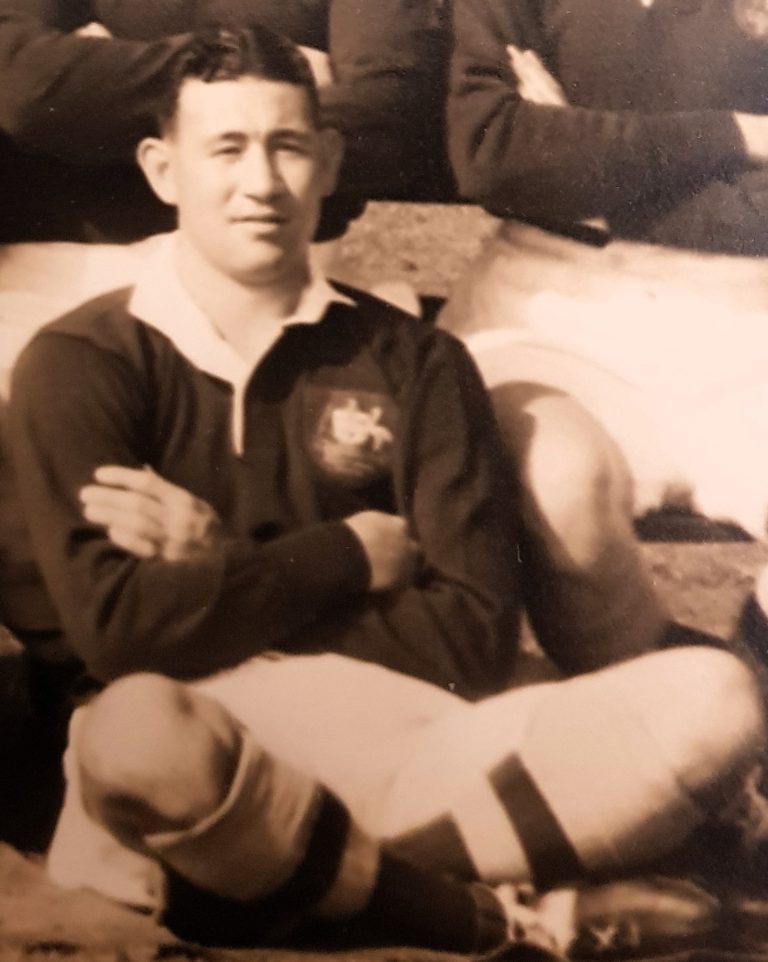
    なぜ日系オーストラリア人のワラビーズ選手は「仲間」の象徴になったのでしょうか? A Wallaby Called “Blow” 「ブロー」と呼ばれたワラビー Winston Phillip James Ide was born in Sydney in 1914 to an Australian mother, Clara, and Japanese-born father Henry Hideichiro Ide. Nicknamed “Blow” as a child, he became a talented rugby player, representing New South Wales and Queensland before playing two Tests for Australia against the All Blacks in 1938. ウィンストン・フィリップ・ジェームズ・イデは1914年、シドニーでオーストラリア人の母クララと日本生まれの父ヘンリー・ハイデイチロウの間に生まれました。幼いころの癖から「ブロー」と呼ばれ、ラグビー選手として頭角を現し、1938年にはオールブラックス戦2試合でオーストラリア代表としてプレーしました。 From rugby field to battlefield ラグビー場から戦場へ Ide was selected for the 1939 Wallabies tour of Britain. The team had just reached England when war broke out in Europe. The tour was abandoned and the players returned home. Ide then enlisted in the Second Australian Imperial Force and joined the 2/10th Field Regiment. イデは1939年のワラビーズ英国遠征メンバーにも選ばれました。しかし一行が英国に到着した直後、ヨーロッパで戦争が始まり、遠征は中止されます。帰国したイデは第二オーストラリア帝国軍に入隊し、第2/10野戦連隊に所属しました。…

  • |

    挑戦・防衛・勝利・完敗、豪のローズが日本で体験する

    1968年東京で世界バンタム級チャンピオンとなって、オーストラリア先住民初の世界チャンピオンリオネル・ローズが同都市で初防衛。相手が桜井孝雄だった。 Lionel Rose won his world bantamweight title in Tokyo in 1968 and defended it there later that same year against Takao Sakurai.

  • |

    How Australian Plants Found A Home At A Century-Old Japanese Nursery

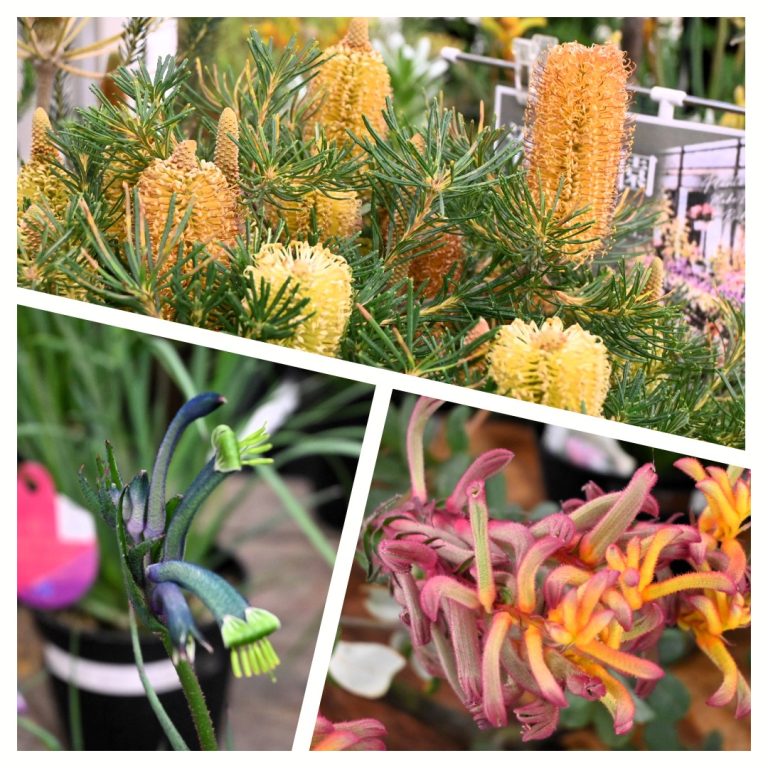
    日本の老舗園芸店が育てるオージープランツの魅力 Japan’s love affair with Australian plants is growing, and one of the nurseries helping it flourish is 沼ノ上農園 (Numanoue Nouen) in Minami-Urawa, Saitama. We visited the nursery’s pop-up shop earlier today at Urawa PARCO, where we met Jun-san, the flower shop owner’s son, and Ryota-san and discovered more about their enthusiasm for Australia’s distinctive botanical treasures. Established in 1912, 沼ノ上農園 has spent more than a century serving local gardeners. Today, alongside seasonal flowers and houseplants, it has developed a particular interest in オージープランツ (Oji Plants), the Japanese gardening term for Australian native plants. Banksias, grevilleas and kangaroo paws offer something different from the familiar flowers of Japanese gardens. Their…

  • Gifts Galore From The Garden And More

    Spring has really kicked into motion, one of the upshots being that our garden presents us with a new gift nearly every day. Our garden is providing us with a series of new flowers one after another. Hardenbergias have been giving me great delight for a few weeks now, particularly because I grew all of our four thriving plants from seeds I brought back from Australia. But our biggest surprise this year has come from the white paperbark teatree, which we picked up in a bargain basement bin at our local home center and have now been rewarded with a delightful bunch of frilly blossoms. Our ground covering linear-leaf grevillea,…