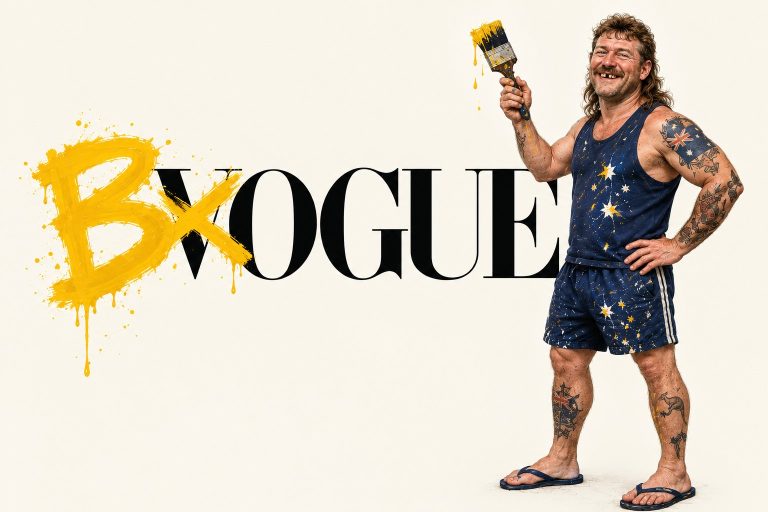
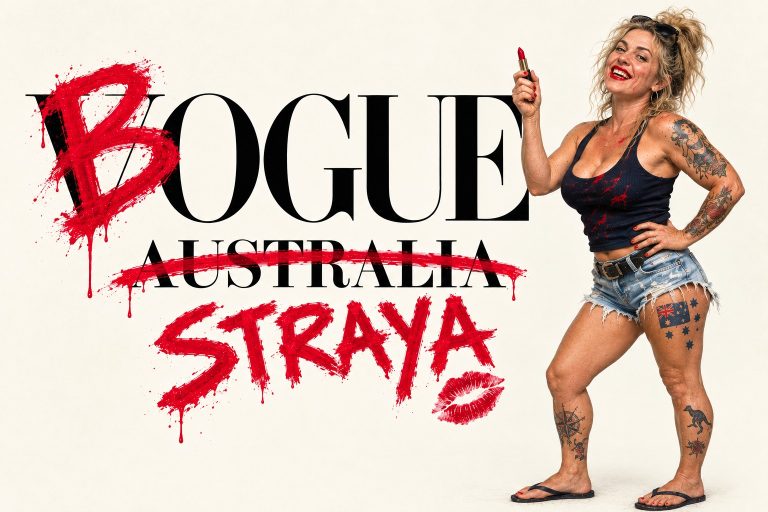
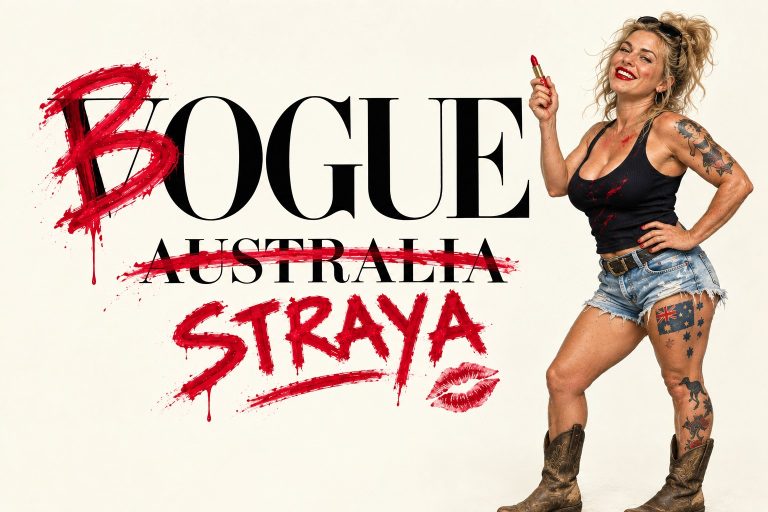
Bogan Moths. Nah, You Heard It Right. The NSW Swarm Is Not Bogong Moths

聞き間違いじゃないぞ! NSW州で大発生しているのはボゴンガじゃなくてボーガンガだ!
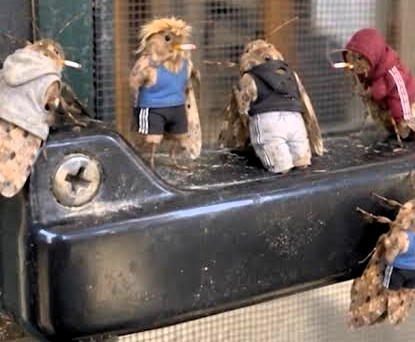
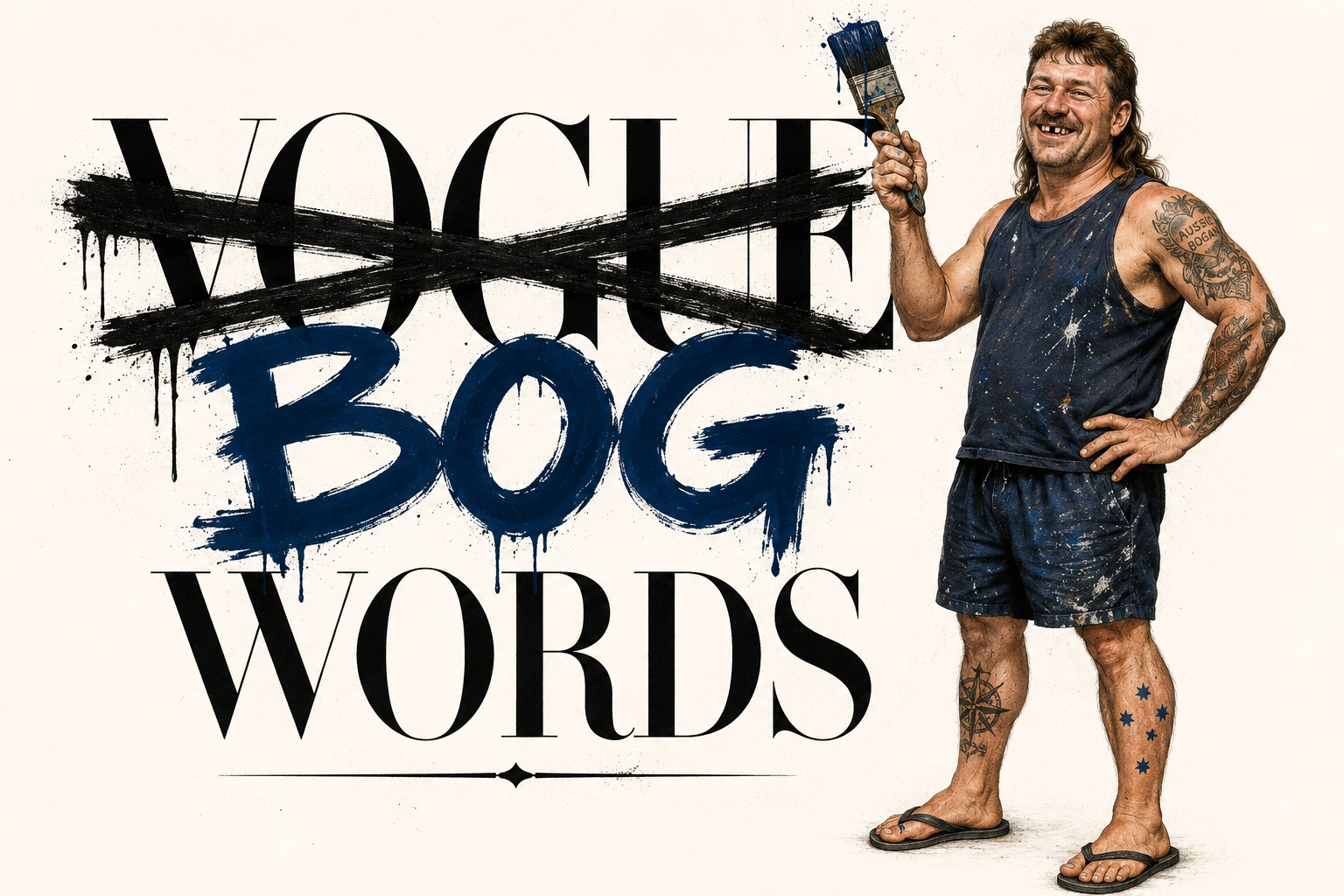
Recent reports have suggested that endangered bogong moths have been swarming part of the Aussie state of New South Wales, but closer inspection has revealed that the infestation has actually been of bogan moths.

オーストラリアのニューサウスウェールズ(NSW)州の一部で、絶滅が危惧されるガ(蛾)の一種、ボゴンガ(Bogong moth)が大量発生しているとの報道が流れていた。ところが、よくよく調べてみると、そこらじゅうに出没していたのはボゴンガではなく、なんとボーガンガ(Bogan moth)だったことが判明した!

The bogan moths are apparently targeting ciggies, people’s fridges and whatever else they can gather.

そんなボーガンガたちの今回のターゲットは、どうやらタバコ(ciggies)や他人の冷蔵庫、その他、かき集められるものなら何でもありらしい。

Bogan moths are reported to be extremely aggressive.

しかも、やたらと攻撃的だというからタチが悪い。

Authorities remain searching for the bogan moth swarm, but have little confidence in being able to eradicate it.

当局は今もボーガンガの大群を捜索中。しかし、根絶できる見込みは薄いと、すでに弱気になっているようだ。

Bogong moths derived their name from an Australian Aboriginal language; the Dhudhuroa word bugung describes the brown colouration of the moth. They were a source of food for indigenous Australians. The origin of bogan is a little cloudier, as we reported last month. They are a source of thought for current day Aussies.

ボゴンガとボーガンガ。名前はそっくりだが、中身はまるで違う。ボゴンガはオーストラリアの先住民の言語に由来する名前。ドゥドゥロア語(Dhudhuroa)で、ガの茶色い体色を表す「bugung」という言葉から来ている。かつては先住民の人々にとって貴重な食料でもあった。一方、ボーガン(bogan)は、オーストラリアで独特のファッションや言動、生活スタイルで知られる人々を指す俗語。その語源は今ひとつはっきりせず、先月の記事でも取り上げたばかりだ。ボゴンガが昔のオーストラリア人のお腹を満たしていたとすれば、ボーガンガは現代のオージーたちに考えるネタを提供しているというわけだ。ボゴンガは自然界のガ。ボーガンガは……オーストラリア社会の難題なのかもしれない。

Related Story

Cop A Gander At These Rippers Too...

  • 「ボーガン」という言葉はどこから来たのか?

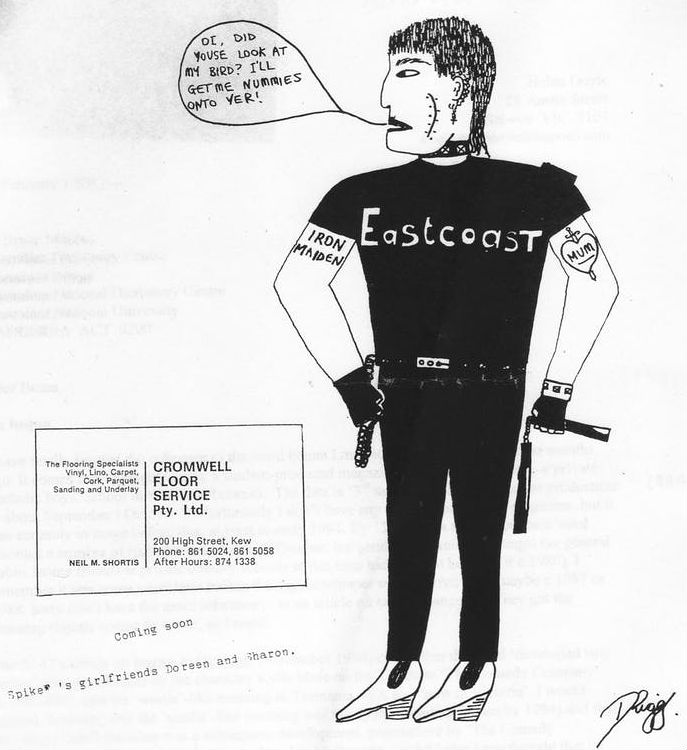
    ここがまた、いい感じに“モヤッ”としている。 世間でよく語られる説はこんなところだ。 いろいろ言われているけれど、 現時点で一番有力なのは 1980年代初期のメルボルン発 という説。ただし、最終的な語源はまだハッキリしない。この“曖昧さ”もまたオーストラリアらしい。 歴史家ブルース・ムーアの発見 歴史家で言語学者のブルース・ムーアが見つけたのは、1984年のメルボルン・ザビエル校の学生誌。 そこに 「ボーガン人形」 という架空キャラが登場していて、 すでに今のボーガン像とほぼ同じ特徴を持っていた。 などなど、今見ても「うん、ボーガンだわ」と納得するスタイル。 By the late 1980s it was spreading nationally. By the early 1990s, it was essentially established Australian slang. 翌年にはサーフ系雑誌 Tracks にも登場し、 1980年代後半には全国に広がり始め、 1990年代初頭には完全に“オーストラリアのスラング”として定着した。 そして一番面白いポイント この言葉を広めたのは、 「自分たちより文化的に洗練されていない人」を指して使っていた、 アッパーミドル階級の私立校ティーンたちだった可能性が高い。 つまり、ボーガンは、ボーガンじゃない人たちが作った言葉かもしれない。 これ、文化史としてめちゃくちゃ面白い。 階級、センス、アイデンティティが入り混じって、 オーストラリアらしい“ゆるい社会学”がそこにある。

  • The Bogan Before The Bogan

    The phenomenon didn’t appear from nowhere. Australia already had a long tradition of the larrikin, the ocker and various regional versions of the uncouth Australian male. Before “bogan” became dominant, different parts of Australia had their own labels: Region Earlier stereotype Sydneyシドニー Westie Queenslandクイーンズランド Bevan Canberraキャンベラ Booner Hobartホバート Chigga Melbourneメルボルン Bogan “Bogan” eventually swallowed many of these regional identities and became national. This is important because bogan isn’t simply a class label. It became a way of talking about a particular form of Australian taste.

  • The Dark Side Of The Bogan

    It would be a mistake to romanticise the phenomenon completely. “Bogan” can be profoundly classist. It can function as a respectable-sounding way of insulting: And stereotypes associated with bogan culture can also include: But these aren’t inherent characteristics of every person labelled bogan. That’s precisely why the term is so slippery. One academic analysis calls “bogan” a “sticky sign” because it can simultaneously attract contempt, affection, identification and disidentification.

  • Bogan Culture: A Cultural Report

    Executive summary The first thing to understand is that “bogan” is not really the name of a single, coherent social group. It is a remarkably flexible Australian cultural label. At various times it has meant: That last transformation is probably the most interesting. “Bogan” began largely as an insult but has been partly reclaimed as a badge of authenticity, national identity and resistance to cultural snobbery. Linguist Roslyn Rowen describes it as a distinctive Australian cultural keyword whose negative meaning can be transformed into positive self-identification and Australian nationalism. And there is a delicious paradox at the heart of it: The bogan has become fashionable precisely because the bogan is…

  • ボーガンフェミニズム

    伝統的なボーガン像が大きく見落としているのが、 男性ばかりにフォーカスしてしまう偏り。実際には、 しっかりとした“女性ボーガン”のアーキタイプ(典型像)が存在する。 思い浮かべてほしいのはこんなスタイル。 つまり、 ボーガン女性は“強さ・派手さ・実用性・ユーモア”のミックス。 “Sheila”の文化的復活とボーガン・フェミニズム 最近興味深いのが、 “sheila(女性)”という言葉の再評価。かつては軽い俗語だったこの言葉が、 現代では一部の論者によって “ボーガン・フェミニズム” の象徴として語られている。 これは何かというと—— こうしたものを女性が堂々と再主張する動き。つまり、 ボーガン女性は“粗野なステレオタイプ”ではなく、 オーストラリア文化の中で独自の強さを持つ存在として再評価されている。 ボーガン女性は文化の“もうひとつの心臓部” 男性ボーガンが車・音楽・マレットで文化を動かすなら、 女性ボーガンはファッション・テレビ文化・日常のユーモアで文化を動かす。どちらも、 オーストラリアの“普通の人”のリアルな姿を映す鏡。 The sheila is returning to Australian culture, riding on a new wave of ‘bogan feminism’

  • テレビが“ボーガン”をキャラクター化した

    オーストラリアのテレビは、 ボーガンという侮蔑語を“文化キャラクター”へと変換するうえで決定的な役割を果たした。 いくつかの重要な番組を見てみよう。 The Comedy Company 1980年代後半、 キャラクター Kylie Mole が登場し、 ボーガンという言葉の特定の使われ方を全国に広めた。ティーン文化、郊外文化、ちょいダサさ—— その全部をコミカルにパッケージした存在だった。 Kath & Kim これはオーストラリア史上もっとも鋭い “郊外の願望(suburban aspiration)”研究と言っていい。 Kath と Kim は単に「貧しい」わけではない。彼女たちは、見た目、消費、ステータス、ファッション、セレブやライフスタイルに異常なほど執着している。つまり、ボーガン的“願望”を体現している。「背伸びしたい郊外のオージー」を、 笑いと愛情を込めて描いた作品。 Bogan Pride Rebel Wilson が 2008年に SBS で制作したシリーズ。ここではボーガン文化が 完全にコメディとして前面に押し出され、 “ボーガン・プライド(誇り)”という概念がメインストリームへ進出した。侮蔑語だったはずの言葉が、 「誇り」として再解釈される瞬間をテレビが後押しした。 Upper Middle Bogan これは知的にもっとも面白い作品かもしれない。設定はこうだ。 “ごく普通の中流家庭が、自分たちの生物学的家族がボーガンだったと知ったらどうなる?” このジョークが、 階級・趣味・お金・教育・アイデンティティ といったテーマを深く掘り下げる装置になる。笑いながら、 オーストラリア社会の階級構造を観察できる秀逸なシリーズ。 テレビは、 ボーガンを侮蔑語から文化キャラクターへ、 そして国民的アイコンへと変換した最大のメディア。

Leave a Reply

This site uses Akismet to reduce spam. Learn how your comment data is processed.