Oops! Austrian textbook error sparks online calls for Japanese to boycott Aussie Beef

Japan’s feisty online community briefly urged a boycott of Aussie Beef — arguably Australia’s best-known export to Japan — after an Austrian school textbook referred to the Sea of Japan as the “East Sea,” a Korean label aimed at helping it forget its past as a Japanese colony, according to a June 28 report from online Japanese news site J-Cast.
Australia, which uses Sea of Japan in its school materials and official documents, had nothing to do with the textbook.
Among the comments posted online were “That Australian mob are simple and will fall for anything,” “Why’s Australia calling it the East Sea if it’s not to their east?” and “Is it OK to boycott Aussie Beef?”
The mix-up was apparently sparked by a Japanese tabloid newspaper headline using the character for Australia (豪) in a story about the Austrian textbook that, when referring to the body of water separating Japan and the Asian mainland, chose to use East Sea, the name Koreans have been lobbying persistently to replace the internationally recognized Sea of Japan.
Japan’s online community has a fierce anti-Korean streak and the news soon reportedly sparked demands to boycott Australian beef in Japan, even though Australia had nothing to do with the issue and steadfastly backs use of the Sea of Japan.
Nonetheless, anti-Australian sentiment is also strong within Japan’s online community due to its perceived anti-Japanese sentiment sparked by opposition to whaling, J-Cast said.
It’s not uncommon for confusion to arise between the names of Australia and Austria.
In this Olympic year, it’s worth noting that when Edwin Flack won gold medals in the first-ever modern Olympic Games in Athens in 1896, confused officials are said to have raised the flag of Austria (then still a middling-power European empire) and played the Austrian national anthem. (This story is probably apocryphal, but widely believed nonetheless).
On the other hand, Austria has carved out a tourist souvenir niche for itself by creating a “No Kangaroos Here” range of souvenirs.


オーストリアが教科書に「東海」 ネットで反発、なぜか「オージービーフの不買運動」
(Japanese)
Official Aussie Beef site (Japanese)
Cop A Gander At These Rippers Too...

  • Booze bus/飲酒運転検問

    booze bus Australian English A surprise police roadblock to test drivers for alcohol consumption. The “bus” refers to the large vehicle police use at the roadblocks. Initial questioning of those who register a blood alohol content above the legal limit takes place within the bus. 日本語 警察の飲酒運転検問のこと。 Plain English Breathalyzer test checkpoint. Strine Dictionary

  • | |

    The Tragic Tale Of A Japanese-Australian Wallaby Who Became A Symbol Of Mateship

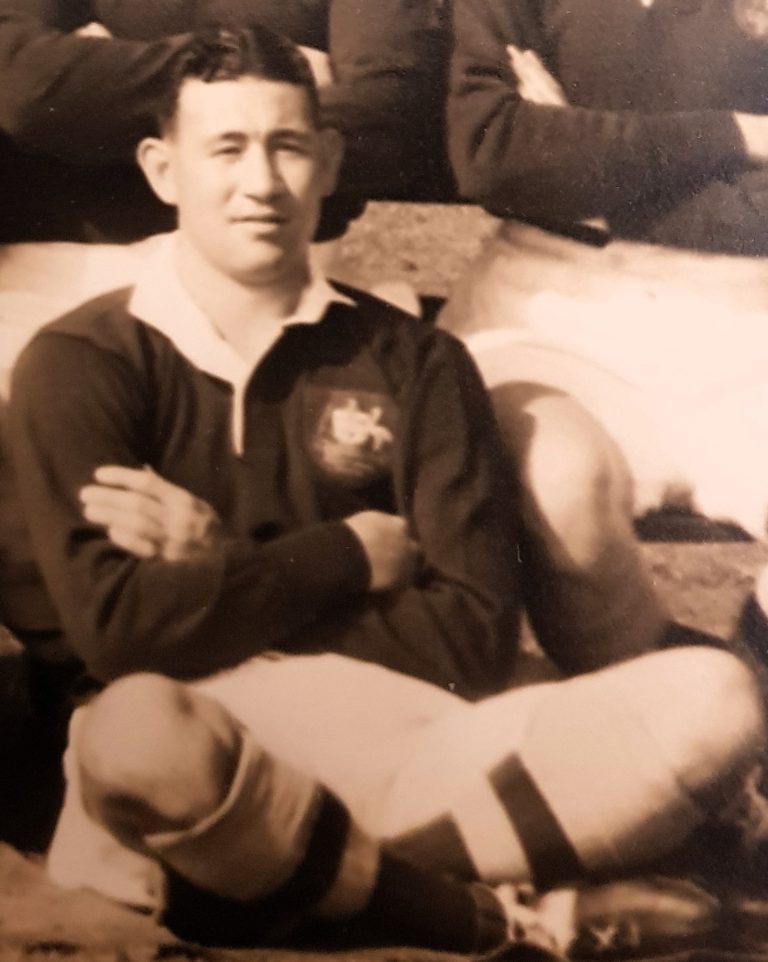
    なぜ日系オーストラリア人のワラビーズ選手は「仲間」の象徴になったのでしょうか? A Wallaby Called “Blow” 「ブロー」と呼ばれたワラビー Winston Phillip James Ide was born in Sydney in 1914 to an Australian mother, Clara, and Japanese-born father Henry Hideichiro Ide. Nicknamed “Blow” as a child, he became a talented rugby player, representing New South Wales and Queensland before playing two Tests for Australia against the All Blacks in 1938. ウィンストン・フィリップ・ジェームズ・イデは1914年、シドニーでオーストラリア人の母クララと日本生まれの父ヘンリー・ハイデイチロウの間に生まれました。幼いころの癖から「ブロー」と呼ばれ、ラグビー選手として頭角を現し、1938年にはオールブラックス戦2試合でオーストラリア代表としてプレーしました。 From rugby field to battlefield ラグビー場から戦場へ Ide was selected for the 1939 Wallabies tour of Britain. The team had just reached England when war broke out in Europe. The tour was abandoned and the players returned home. Ide then enlisted in the Second Australian Imperial Force and joined the 2/10th Field Regiment. イデは1939年のワラビーズ英国遠征メンバーにも選ばれました。しかし一行が英国に到着した直後、ヨーロッパで戦争が始まり、遠征は中止されます。帰国したイデは第二オーストラリア帝国軍に入隊し、第2/10野戦連隊に所属しました。…

  • | |

    Why Do Japanese Zoos Know So Much About Kangaroos?

    なぜ日本の動物園はカンガルーにこんなに詳しいのか? Kangaroos are popular exhibits in Japanese zoos. But their success didn’t happen by accident. It grew from decades of cooperation with Australian wildlife experts, creating one of the world’s most successful international partnerships in animal care. 日本の動物園では、カンガルーは人気者です。しかし、その飼育技術は偶然生まれたものではありません。長年にわたるオーストラリアとの協力が、世界でも高い水準の飼育技術を育ててきました。 More Than an Exhibit 展示動物では終わらない Kangaroos first arrived in Japan as remarkable Australian animals. Keeping them healthy, however, proved far more challenging than displaying them. Japanese keepers needed to understand their diet, behaviour, reproduction and social structure. 展示動物では終わらない カンガルーは、オーストラリアを代表する珍しい動物として日本にやって来ました。 しかし、健康に飼育することは決して簡単ではありませんでした。 飼育員たちは、食性や行動、繁殖、生態について一から学ぶ必要がありました。 Australia Shared Its Knowledge オーストラリアから学んだ Australian zoos and wildlife specialists worked closely with Japanese institutions. Veterinarians, animal keepers and researchers exchanged information on nutrition, enclosure design, breeding and veterinary care. The…

  • 先住民のため改憲に「YES!」

    オーストラリアは、本日(2023年10月14日)国民投票が行う。 アボリジニ―やトレス海諸島など先住民の位置を明文化するために、連邦政府(国)に対して政策を提言でいる諮問機関「Voice to the Parliament(国会への声)」に憲法改正の是非を問う投票が行われる。 同機関が設立されたら国政策等に対して先住民の意見・助言など伝える役割となり、拘束力もなく権限も全くない。 考えRooとしては賛成するの当たり前のことです。植民地化されて国が乗っ取られた全人口の約3.2%を占める先住民は、大半の社会経済指標で全国平均を下回る生活を送っている上に今でも他のオーストラリア人よりも精神的・身体的疾患の割合が高く、失業率が高く、寿命が短い。オーストラリアは先住民の国である。言い分を言わせるべきだ。また、脱植民化工程の一歩となる。 オーストラリアが先住民に対して酷い歴史がある。1967年の国民投票まで国民として承認しなくて、扱いが動物同様でした。1970年代まで続いた白豪主義も先住民を不有利だった。 1967年で先住民を国民として認めて国民投票が圧倒的に賛成し改憲となったが、国民投票の賛成が極めて難しい。全国で過半数の支持を得た上、6州中4州以上で過半数の支持を集める必要がある。独立1901年から国民投票は44回行い、賛成したのはわずか8回。 昨年まで、与野党が先住民が賛成気味だったが、白人至上主義者の兆候が見られる与党党首であるピーター・ダットン氏を先頭に反対派が生まれ、勢いが強まった。反対派は人種による国の分断につながり先住民に過剰な発言権が与えられると訴えている。残念ながら、投票当日「No」が圧倒的に支持されそうだ。 オーストラリアの人種差別歴がこれからも続きそうだ。