原田・ローズ日豪戦で両国の縁を結ぶ
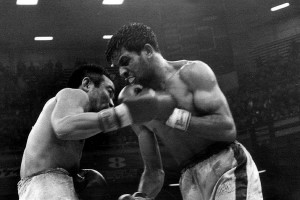 ファイティング原田対リオネル・ローズの1968年2月東京での世界バンタム級タイトル戦が続く、、、
The February 1968 world bantamweight title fight between Lionel Rose and Masahiko “Fighting” Harada continues in Tokyo…
ファイティング原田対リオネル・ローズの1968年2月東京での世界バンタム級タイトル戦が続く、、、
The February 1968 world bantamweight title fight between Lionel Rose and Masahiko “Fighting” Harada continues in Tokyo…
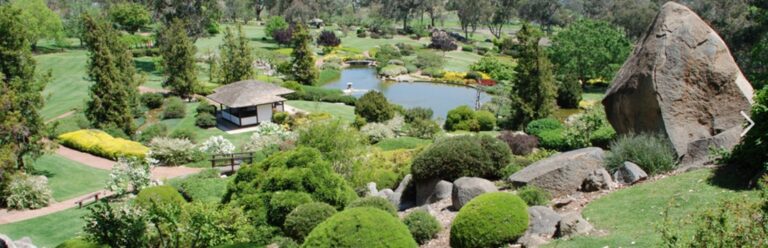
なぜオーストラリアには日本国外有数の日本庭園があるのでしょうか? The Cowra Japanese Garden is far more than a tourist attraction. It grew from an extraordinary act of reconciliation between Australians and Japanese after the Second World War, becoming one of the strongest symbols of friendship between the two nations. カウラ日本庭園は、単なる観光名所ではありません。第二次世界大戦後、オーストラリアと日本の和解から生まれた、日豪友好を象徴する特別な場所なのです。 A difficult chapter in history 歴史の中の苦しい出来事 Cowra, in central New South Wales, was the site of the 1944 Cowra Breakout, when hundreds of Japanese prisoners of war attempted a mass escape from the local prisoner-of-war camp. Many Japanese and four Australian soldiers lost their lives, leaving painful memories for both countries. ニューサウスウェールズ州カウラは、1944年に日本人捕虜による大規模な脱走「カウラ事件」が起きた町です。この出来事では多くの日本人捕虜と4人のオーストラリア兵が命を落とし、両国に深い悲しみを残しました。 Choosing remembrance over resentment 憎しみではなく、追悼を選んだ町 After the war, the people of Cowra chose compassion instead of…
ファイティング原田対リオネル・ローズの1968年2月東京での世界バンタム級タイトル戦が続く、、、 The February 1968 world bantamweight title fight between Lionel Rose and Masahiko “Fighting” Harada continues in Tokyo…
Sandii, responsible for one of Japan’s first (and extremely rare) marks on Australian popular music charts back in the early 1980s, remains active in the Japanese entertainment world, performing live in Tokyo on Aug. 5 during the Ocean Peoples event at Yoyogi Park1980年代前半にオーストラリアでヒットした非常に稀な日本人パフォーマーとしてサンディーは、今でも活躍中であり、8月5日東京代々木公園にて「Ocean Peoples」に関連したライブを行なった。While fronting Sandii and the Sunsetz back in the 1980s, Sandii scored a #11 hit on the Australian pop music charts in 1984 with Sticky Music. A successful tour of Australia accompanied the hit, including a show in the Adelaide suburb of Glenelg as an alcohol-fueled riot that led to 66 arrests broke out.サンディーは、Sandii & the Sunsetzのリードヴォーカルとして1984年にオーストラリアで11位にランクインしたちょっとしたヒット曲「Sticky Music」をリリース、同年に曲と並行したオーストラリア国内ツアーもアデレード市内で暴動が起こしながらライブを続けたことを含めて大成功を収めた。 It was only the second Top 20 hit by…

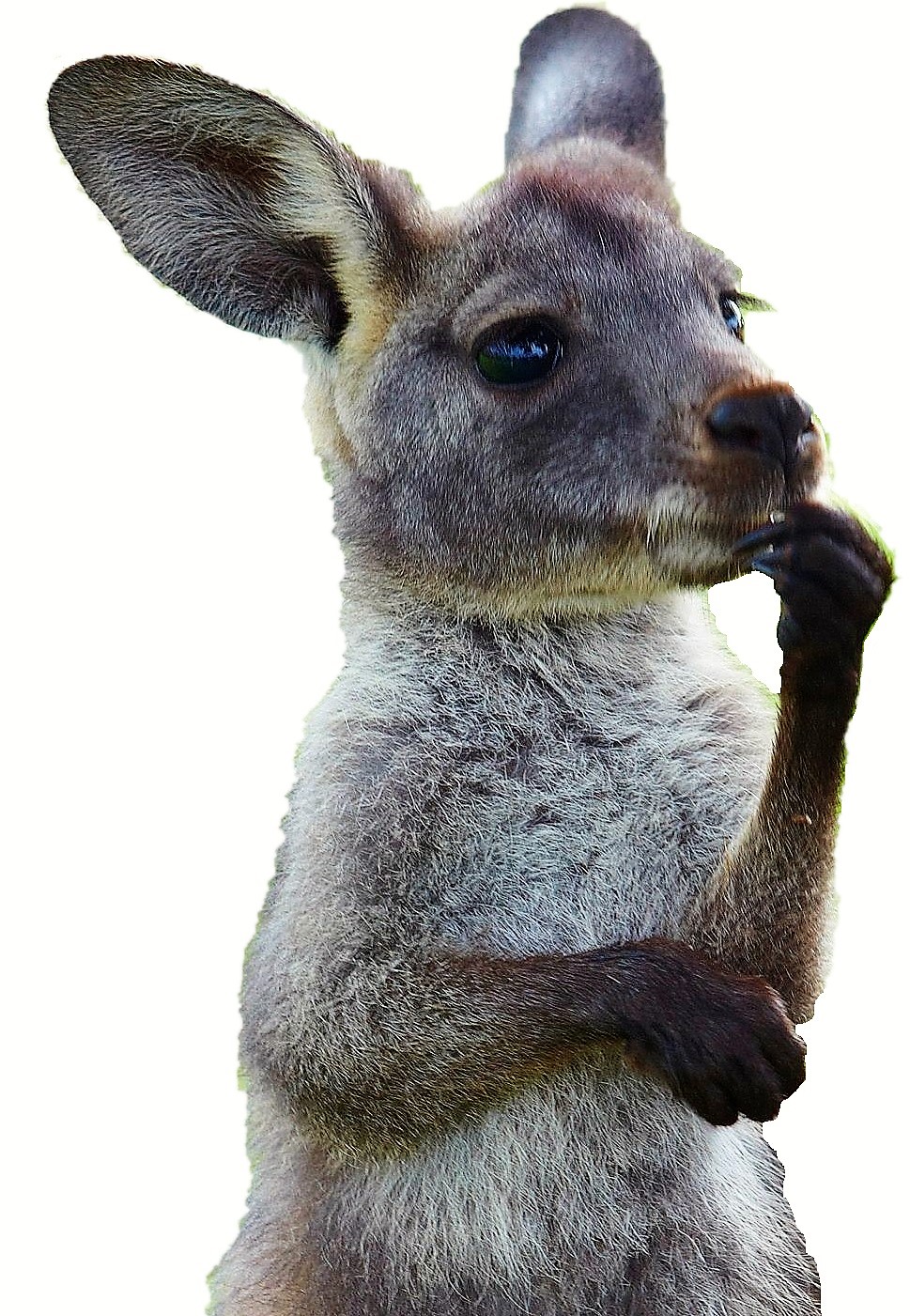
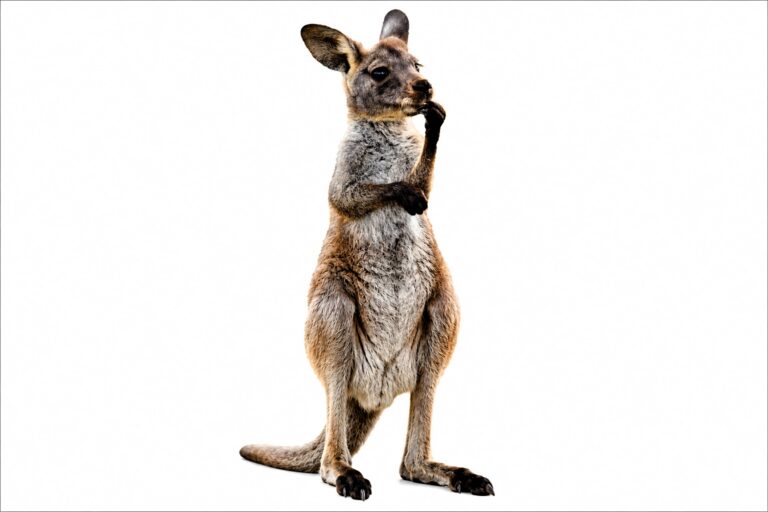
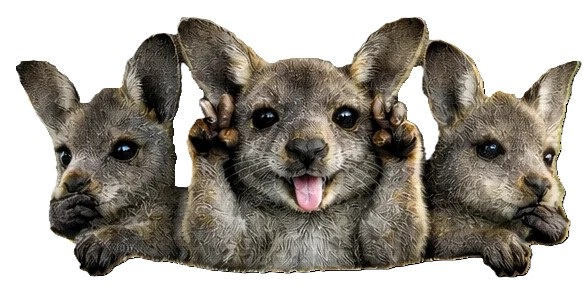
化け物カンガルー(Phantom Kangaroos)について聞いたことがある?まるで未確認動物学のような話に聞こえるが、カンガルーかワラビーというオーストラリア独特の有袋類であり、同国しか野生で暮らしていないが日本を含めて実際に世界中所々野生の群が存在する。これらが言われる化け物カンガルーだ。 化け物カンガルーの歴史が約100年前まで渡る。ドイツではある狩人がカンガルー数頭を自分が狩るために輸入したが、逃げて野性に戻ったが、数年以内に周辺の狩人たちに全部殺されたそうだ。 アメリカでは1930年代から数年おきに化け物カンガルー群がテネシーかオクラホマやイリノイ州などでちょこちょこ目撃されるたが、実際に野生で存在しているということが確認されていない。 だが、化け物カンガルー群の存在が確認されているところがたくさんある。イングランドのスタッフォードシャーやダービーシャーにもカンガルー群が1930年代から健在だ。スコットランドにも、インコノカン島とい小さな島、ワラビーが観光名物となっている。 また、フランス北部にもニュージーランドのカワウ島にもカンガルーとワラビーが野生に生きている。 そして、日本にも野生有袋類がいるとされている。オーストラリア放送協会によると宮城県大崎市真山地区にカンガルーのようなものが頻繁に目撃されている。 Mystery Kangaroos in Japan Fleeing Kangas Give Japanese Drivers a Roo-ed Shock Marsupial Attacks! UFOがなんと泥酔ワラビーだった! カンガルード? 泥酔Big Kangarooが人々を歓迎するようになった

On this day 70 years ago, Australia launched a domestic automaking industry at Fishermen’s Bend in Melbourne to produce Holden cars. Not many outside Australia that the Great Southern Land once produced cars, and perhaps even fewer still are aware that Oz exported some models to Japan. These weren’t cars assembled in Australia and shipped to the world’s then second-largest car market (as would happen in the late 1980s and 1990s, notably with the Subaru Outback). They were cars made with the intent of attracting Japanese consumers. Ironically, one of the cars marketed was the Mazda Roadpacer, a car slightly adapted from an iconic Australian car, the Holden Kingswood. Holden…
オーストラリア・デーだよ!1月26日は、ちょうど224年前この日にオーストラリアを(刑務用の)植民地とするイギリス人が今のシドニーの東部にあるボタニー・ベイに着いた。今、全国がその日を記念として、オーストラリア全体を祝う一日と位置付けている。まぁ、日本で言えば建国記念日見たいなもんだ。 しかし、みんなが喜ぶ訳でもない。 豪原住民にとってヨーロッパ系の人々がオーストラリアに来たことが自分たち国を失うことの始まりになり、多くの原住民にとってこの日が「侵略日」とする。 また、この日を機に「国家主義」と「愛国心」を区別つかない人がこの10数年増えているような気がする。オーストラリア・デーは当然「旗日」であり、この日に国旗は誇りを持ってはる人が多い。しかし、多くの人にとってこれがマイノリティに対して嫌味を示す機会となっている。これは「国家主義」、要する「俺の国がお前の国より偉いぞ」という意識が働いている現象ではないか? 考えRoo自身にとってこのようなことが心外だ。考えRooはオーストラリアが素晴らしい国だと思い、愛国心溢れている。日経オージーをはじめ、世界中のほとんどの国から渡豪して社会に貢献して豊かな多様性を与えてからこそ立派な国となった訳だ。 しかし、元々誰の国だったのかを忘れちゃいけない。白人由来以降オーストラリアの原住民が恐ろしい体験を数えきれないほどさせられた。元の状態にに戻ることが無理でも、今からうまく共栄共存できるようにすべきだ。 Happy Australia Day!
We use cookies to improve your experience on our site. By using our site, you consent to cookies.
Websites store cookies to enhance functionality and personalise your experience. You can manage your preferences, but blocking some cookies may impact site performance and services.
Essential cookies enable basic functions and are necessary for the proper function of the website.
These cookies are needed for adding comments on this website.
Statistics cookies collect information anonymously. This information helps us understand how visitors use our website.
Google Analytics is a powerful tool that tracks and analyzes website traffic for informed marketing decisions.
Service URL: policies.google.com (opens in a new window)