日本語が大きく影響を与えた豪州言語

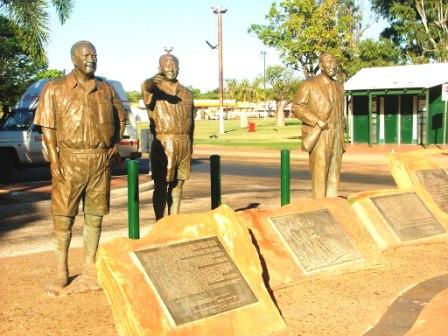
A memorial to Japanese luggers (pearl divers) in Broome, Western Australia
オーストラリアでは、数少ないながら日本人・日系人の影響が昔からあった。19世紀からでも、日本人を中心に西オーストラリア州のブルーム市では、多くの日本人が真珠取りに活躍したのがある程度知られているが、そこで生まれた言語の貢献についてはそれほど知られていないかもしれない。

Though there has never been a great Japanese presence in Australia in terms of numbers, the Japanese have still had an inlfuence on the land Down Under. It’s fairly well-known that even from the 19th century the Japanese were active mainly as pearl luggers in Broome, Western Australia, but what’s less talked about is how Japanese contributed to the creation of an Australian language.

 真珠取りが最も盛んとなった19世紀末から20世紀初期のころ、日本人をはじめアジア諸国からブルーム市にやってきた。

The Japanese were among people from many Asian coutnries to head to Broome to work in the pearl industry in its heyday from the late-19th to early 20th centuries.

 そして、現地の白人と先住民を合わせて使う言葉が多数あり、コミュニケーションができるづらい状態であった。

But with people from so many countries mixing with the European and Indigenous Australians, communication was very difficult.

 真珠取りの中では共通の言葉はオーストラリア全国で主に使われた英語ではなくて、そこで生まれたのがブルーム真珠取りピジン言語(Broome Pearling Lugger Pidgin)だった。

The common language among the various nationalities of those working within the pearl industry was Broome Pearling Lugger Pidgin.

 同言語は、英語・マレー語・先住民語を中心に名詞と動詞に構成され、日本語が助詞となった。同言語では質問を問うと、日本語と同じく「〇〇か?」と聞き出したらしい。

Broome Pearling Lugger Pidgin used mainly English, Malay and Indigenous Australian languages, but Japanese provided the particles. For instance, asking a question in Broome Pearling Lugger Pidgin involved ending a sentence with the particle “ka,” a trait it derived from the identical practice in the Japanese language.

 現在、ブルーム真珠取りピジン言語がほぼ死語となっているらしいが、真珠取りの先住民アジア系の後葉若者を中心にアイデンティティの象徴として使う場合もあると言う。

Broome Pearling Lugger Pidgin is now a dead language. However, the descendants of Asian-Australians who formed the backbone of the pearling industry in Broome now apparently use the pidgin at times as a symbol of their identity.

 日本・日本語・日本人が思わずな所にオーストラリアの歴史と文化に貢献しているよね。
Japan and the Japanese have contributed to Australian history and culture in unexpected ways.
Cop A Gander At These Rippers Too...

  • | |

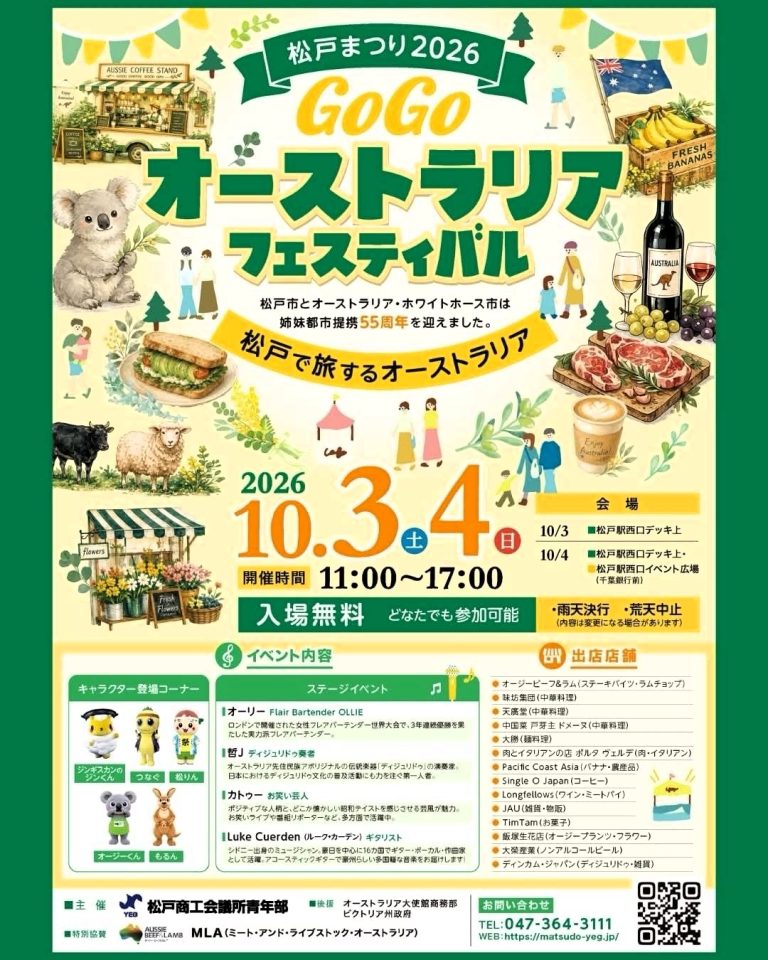
    Go Go Australia Festival In Matsudo Stems Out Of A Friendship Grown From Seeds

    A letter, a eucalyptus tree and 55 years of Australia–Japan connections 1通の手紙から始まった55年 A schoolgirl asking for eucalyptus seeds might seem an unlikely beginning for an international relationship. ユーカリの種が欲しい。そんな一人の女子生徒からの手紙が、国際交流の始まりになるとは、当時は誰も想像しなかったかもしれません。1958年、松戸市立第五中学校の女子生徒が、オーストラリア大使館にユーカリの種を求める手紙を送りました。その手紙をきっかけに、松戸市と現在のメルボルンのホワイトホース市との交流は少しずつ広がり、1971年に正式な姉妹都市提携へと発展した。 In 1958, a student at Matsudo Municipal Daigo Junior High School wrote to the Australian Embassy asking for eucalyptus seeds. The request was answered, and the relationship between Matsudo and what is now the City of Whitehorse in Melbourne gradually developed. In 1971, the two cities formally became sister cities. In 2026, Matsudo and Whitehorse are celebrating 55 years of their sister-city relationship. This year also marks the 50th anniversary of the signing of the Japan–Australia Basic Treaty of Friendship and Cooperation….

  • |

    「やばいリンガル」Packet(パケット)

     英語圏では「Make a packet – パケットを作る」と言うと、何かを包装すると いう意味になるだろうが、オージー英語では違う。どのように違うか見てみよう。 Make a packet anywhere else in the English-speaking world and you’d be creating a parcel, but that’s not how it goes in Aussie English.

  • ファースト・オーストラリアンズ Episode 7 Part 5/5

    「ファースト・オーストラリアンズ」(英語)は、2008年作のドキュメンタリー。先住民の視野からオーストラリアの歴史を記録する。必見だ!  今日は7作目5部中5部目。  これが「ファースト・オーストラリアンズ」の最後のポスト。ご愛読いただき、ありがとうございました!Ta, mate and hooroo!

  • What Did Ya Aussie Garden In Tokyo Look Like Before?

    都内のオージープランツ庭はもともとどうだった? Well, we’ve gotta go back a bit. But this is what our garden looked like when it started. I removed everything I could, made the plot as flat as possible, removed all the weeds and then waited for instructions from Alex Endo. ちょっと昔にさかのぼる必要があるんだけど、庭づくりを始めた頃はこんな感じだったんだ。できる限り全部取り除いて、区画をできるだけ平らにして、雑草も全部抜いてから、遠藤アレックスの指示を待った。 And before this, it was even more of an eyesore.