Who Were the Japanese Divers Who Helped Build Broome?
ブルームの真珠産業を支えた日本人ダイバーとは

The Japanese connection beneath the waves
海の底から始まった日豪のつながり
Today, Broome in Western Australia is famous for its turquoise waters, red earth and South Sea pearls. But behind the town’s pearling history lies a remarkable Japanese connection, built by men who risked their lives working on the ocean floor.
西オーストラリア州のブルームといえば、青い海、赤い大地、そして南洋真珠で知られる。しかし、この町の真珠産業の歴史には、海底で命がけの仕事をした日本人たちが築いた、知られざる日豪のつながりがある。
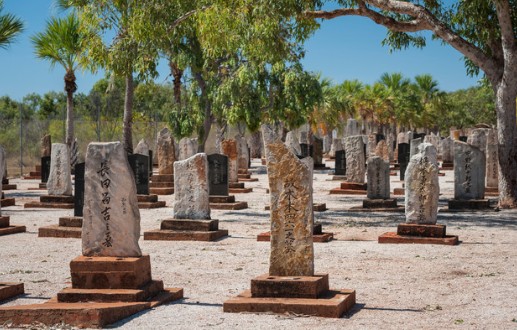
By the late 1880s, Broome had become a major centre for the pearling industry. Aboriginal and Torres Strait Islander people had harvested shell for thousands of years, but as the industry moved into deeper waters, experienced divers from overseas became increasingly important. Many Japanese divers came from Wakayama Prefecture, where coastal communities had long traditions of fishing and diving.
1880年代後半までに、ブルームは真珠産業の一大拠点となった。アボリジナルやトレス海峡諸島の人々は、何千年も前から貝を採取してきたが、産業がより深い海域へと進むにつれ、海外から来た熟練ダイバーの重要性が増した。日本人ダイバーの多くは、漁業や潜水の伝統を持つ和歌山県の沿岸地域からやって来た。
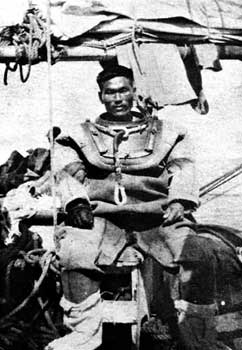
The work was brutal. Wearing heavy diving suits, metal helmets and lead weights, divers descended as deep as 45 metres. They could make dozens of dives in a day and remain at sea for months. The rewards could be substantial, but the risks were enormous: decompression sickness, accidents and death were constant threats.
仕事は過酷だった。重い潜水服や金属製のヘルメット、おもりを身につけ、深さ45メートルにも達する海底へ潜った。一日に何十回も潜水し、数か月間、船上で生活することもあった。成功すれば大きな収入を得られた一方、減圧症や事故、死の危険が常につきまとった。

A community, not just a workforce
労働者から地域社会の一員へ
Japanese divers became essential to the industry, yet their lives were shaped by racial discrimination and restrictions under the White Australia policy. Broome also experienced racial tensions and riots. During the Second World War, Japanese residents were interned, and the community was profoundly disrupted.
日本人ダイバーは産業に欠かせない存在となったが、その暮らしは人種差別や白豪主義による制限に左右された。ブルームでは人種間の緊張や暴動も起きた。第二次世界大戦中には日本人住民が収容され、地域社会は大きな打撃を受けた。
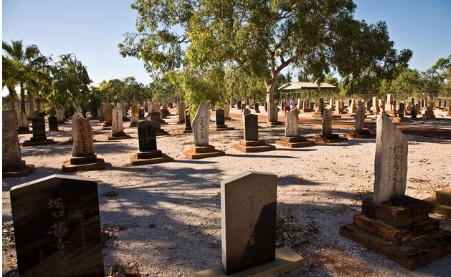
One enduring memorial is Broome’s Japanese cemetery, where gravestones remember many who died far from home. It is a sobering reminder that this connection was forged not just through commerce, but through the lives, losses and families of people who made Australia their workplace and, for some, their home.
今も残る大切な記憶の場所が、ブルームの日本人墓地だ。そこには故郷から遠く離れて亡くなった人々の墓石が並ぶ。日豪のつながりは貿易だけで築かれたのではない。オーストラリアで働き、家族を築き、そこで生涯を終えた人々の人生と喪失の上にも成り立っている。
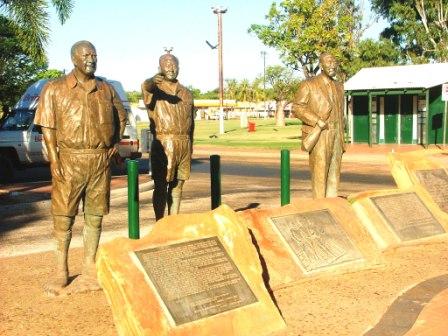
The connection survived the rupture of war. Some Japanese divers returned to Broome in the 1950s, and in 1981 Broome established a sister-city relationship with Taiji in Wakayama, the home region of many divers. Today, Broome’s annual Shinju Matsuri, or Festival of the Pearl, celebrates the town’s multicultural heritage, including its Japanese, Chinese and Malay influences and the continuing presence of its Traditional Owners, the Yawuru people.
戦争によって断ち切られた関係も、完全には失われなかった。1950年代にはブルームに戻る日本人ダイバーもおり、1981年には多くのダイバーの故郷に近い和歌山県太地町と姉妹都市提携を結んだ。現在、ブルームの「真珠祭り(Shinju Matsuri)」では、日本や中国、マレー系の文化を含む町の多文化的な歴史と、この土地の伝統的な所有者であるヤウル族の存在が大切にされている。
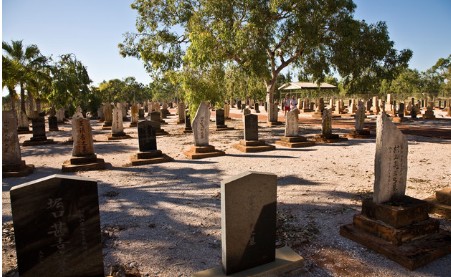
This is a Japan–Australia story that began long before the two countries’ modern friendship treaty. Its legacy can still be seen in Broome’s cemetery, its cultural traditions and its enduring link with Taiji.
これは、日豪の友好協力基本条約よりもずっと前に始まった物語だ。その歴史は今も、ブルームの墓地や文化行事、そして太地町とのつながりの中に生きている。
More about Broome’s Japanese connection
もっと知る:ブルームと日本のつながり
- How Japanese Men Shaped An Australian Language
- ‘Single Men Only?’ – Early Japanese Migration to Oz 日本人の豪州への初期移民は「独身男性限定」?
- 日本語が大きく影響を与えた豪州言語
- Broome Pearling Lugger Pidgin
- National Museum of Australia: Japanese pearl divers in Broome
- Broome Historical Society and Museum: Multicultural Broome
- Visit Broome: History
- Karayuki-san, the Making of a Prostitute
- からゆきさん
- Japanese diaspora
- White Australia policy
- Trepang
- Trochus maculatus
- Picture bride
- Why Does Australia Have So Many Japanese War Memorials?
- Where Can You Find Australia’s Japanese War Memorials?
- How Did Former Enemies Become Partners in Remembrance?