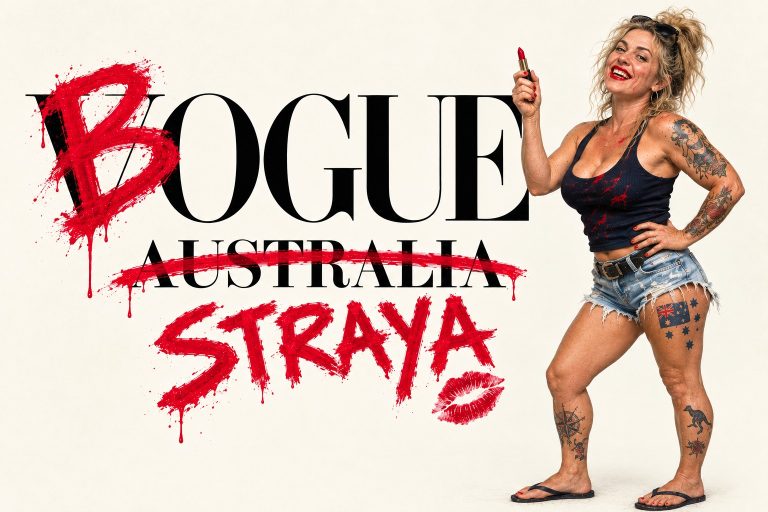
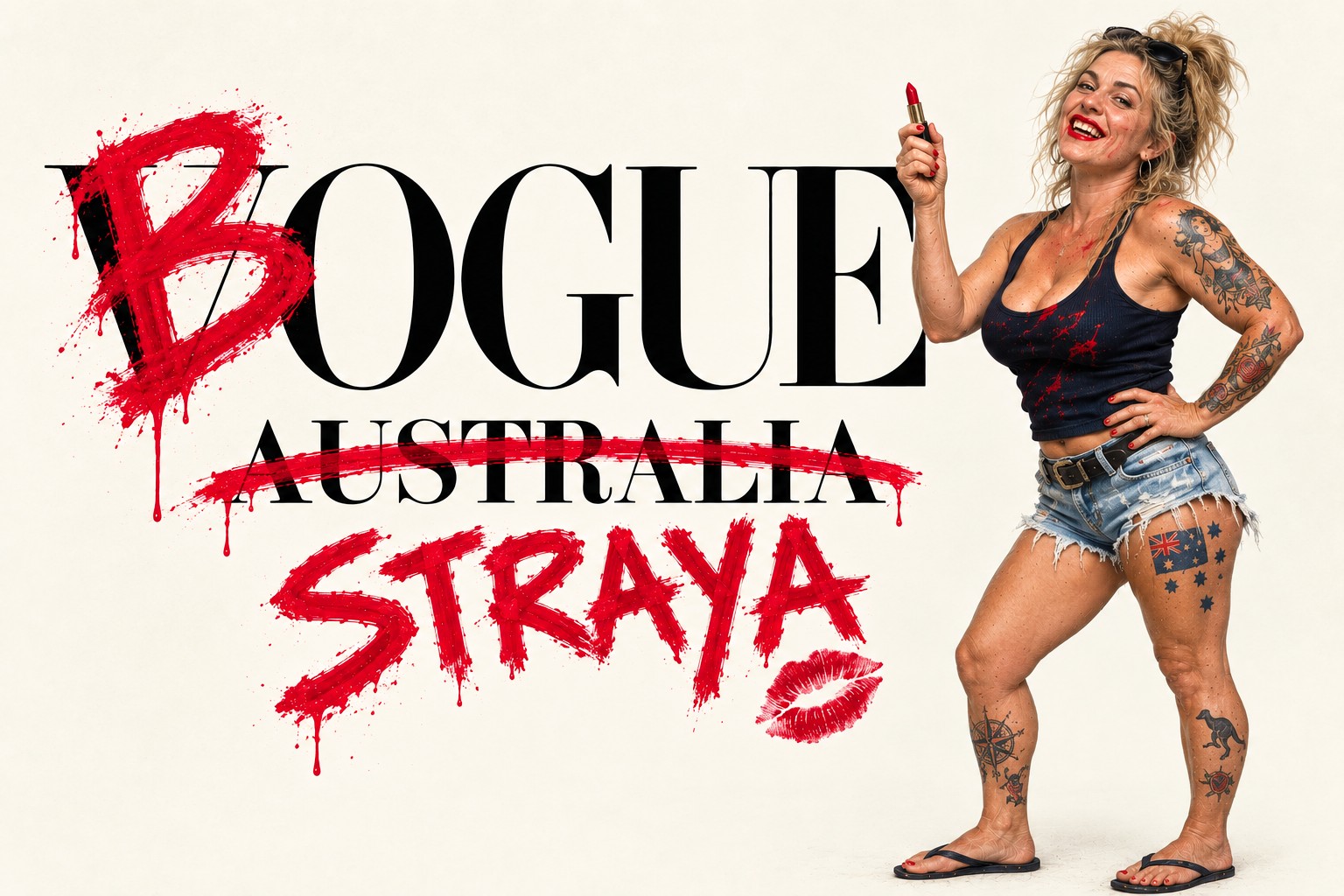


Bogue

Bogue

is our affectionate cultural examination of the Australian bogan.

We are interested in boganism not as something to ridicule or look down upon, but as a distinctive and important part of Australian life. The bogan has its own language, fashions, music, humour, food, cars, traditions, attitudes and ways of expressing identity.

We explore where these characteristics came from, how they have changed, and what they tell us about Australia and Australians. We look at the history and evolution of the bogan, as well as contemporary trends and the way bogan culture has influenced mainstream Australian life.

We also examine the phenomenon from overseas, including its sometimes surprising connections with Japan.

There is plenty of humour here, but the humour is affectionate rather than contemptuous. We recognise that “bogan” can sometimes be used as a derogatory label, and we do not use it to make assumptions about people’s intelligence, education, income or worth.

In short, Bogue celebrates, investigates and occasionally has a good laugh about one of Australia’s most recognisable cultural phenomena.

We’re not looking down on the bogan. We’re looking at the bogan — proudly.

ボーグ

は、オーストラリアの重要な文化現象である「ボーガン(bogan)」を、親しみと敬意を込めて探るコーナーです。

ここで取り上げるのは、人をからかったり、見下したりするための「ボーガン」ではありません。ボーガンには、独特の言葉、ファッション、音楽、ユーモア、食文化、車、習慣、価値観、そしてアイデンティティの表現があります。

私たちは、ボーガン文化がどのように生まれ、どのように変化してきたのか、そしてオーストラリア社会やオーストラリア人の暮らしについて何を物語っているのかを探ります。歴史だけでなく、現在のトレンドや、ボーガン文化が一般的なオーストラリア文化に与えた影響にも注目します。

さらに、海外から見たボーガン文化や、日本との意外なつながりについても考察します。

もちろん、ユーモアも大切にします。ただし、それは侮蔑ではなく、親しみを込めたものです。「ボーガン」という言葉が侮蔑的に使われる場合があることも踏まえ、人の知性、学歴、収入、社会的価値などを決めつけるためには使いません。

つまり「ボーグ」は、オーストラリアを代表する文化現象のひとつを、誇りを持って、真面目に、そして時には大いに笑いながら見つめるコーナーです。

ボーガンを見下すのではなく、ボーガンを誇りを持って見つめます。

  • The Bogan Before The Bogan

    The phenomenon didn’t appear from nowhere. Australia already had a long tradition of the larrikin, the ocker and various regional versions of the uncouth Australian male. Before “bogan” became dominant, different parts of Australia had their own labels: Region Earlier stereotype Sydneyシドニー Westie Queenslandクイーンズランド Bevan Canberraキャンベラ Booner Hobartホバート Chigga Melbourneメルボルン Bogan “Bogan” eventually swallowed many of these regional identities and became national. This is important because bogan isn’t simply a class label. It became a way of talking about a particular form of Australian taste.

  • |

    なぜDagはオージー英語で多様性がある?

    Is “Dag” Strine’s Most Versatile Word? 英語の中で、褒め言葉にも侮辱にもなり、しかも羊のお尻にこびりついた汚れをも 意味する単語はそう多くない。それが”dag”(ダグ)だ。 Few English words can be a compliment, an insult, and a description of something stuck to a sheep’s backside all at once. Welcome to Strine’s “dag.” “dag”にはオーストラリア英語で三つの関連した意味がある。①愛嬌のある変わり者、 親しみを込めて言われることが多い。②社会的に不器用でダサい人、特に十代の 若者を指すことが多い。③文字通り、羊のお尻にこびりついた糞まみれの毛玉。 「ダサい」という意味は、間違いなくこの三番目の、最も格好悪い意味から 生まれたものだ。 A dag has three related meanings in Strine: (1) a character or amusing eccentric — often said with affection; (2) a socially awkward, uncool person, usually a teenager; (3) literally, a lump of dung-matted wool hanging from a sheep’s rear end. The insult sense almost certainly comes from the third, least glamorous meaning. Example “He wore socks with sandals to the wedding. What an absolute dag.” 「結婚式にサンダルと靴下を合わせてきたんだ。本当にダグ(ダサい)やつだよ」 日本語では? 面白いのは、”dag”が必ずしも悪口とは限らないという点だ。”He’s such a…

  • いったい「ボーガン」って何者なのか?

    ここがちょっとややこしい。 まず、みんなが思い浮かべる“典型的ボーガン像”はこんな感じだ。マレットヘア+ネルシャツ(フランノ)+タンクトップ+黒ジーンズ/ショーツ+ブーツかビーチサンダル+タトゥー+ビール+ユート(軽トラ的なやつ)+爆音ミュージック。 このイメージがあまりにも強烈だから、 自分はボーガンじゃないと思ってる人でさえ、 「はいはい、あの感じね」と即理解できる。 でも、最近の研究では“本当の定義”はそこじゃないと言われている。ボーガン=低所得層 ……ではない。 お金持ちでもボーガンになれる。高学歴でもボーガンになれる。バリバリのプロフェッショナルでもボーガンになれる。大学卒で年収6桁の人が「CUB(Cashed-Up Bogan=金持ちボーガン)」と呼ばれることもあるくらい。このCUBの登場はかなり重要で、“貧しい=ボーガン”というイメージを完全にぶち壊した。 より正確な区別は、経済力よりも文化的なセンス(カルチャー・キャピタル)にあるらしい。つまり、ざっくり言うとこうだ。お金はあっても、センスがあるとは限らない。 そしてオーストラリアは、このギャップをネタにしてめちゃくちゃ楽しんでいる国でもある。

  • What Actually Makes Someone A Bogan?

    This is where things get complicated. The classic visual stereotype is: Mullet + flanno + singlet + black jeans/shorts + boots/thongs + tattoos + beer + ute + loud music. The stereotype is so powerful that even people who don’t identify as bogans know exactly what the image means. But researchers increasingly point out that the real definition isn’t socioeconomic status. A wealthy person can be a bogan. An educated person can be a bogan. A professional can be a bogan. A person with a university degree and a six-figure salary can apparently be a CUB — “cashed-up bogan.” The rise of the CUB was particularly important because it broke…

  • Boganism And The Aussie Class System

    This may actually be the deepest subject behind the whole phenomenon. Australia traditionally likes to imagine itself as an egalitarian society where the wealthy and working class can sit together in the pub and have a beer. Consequently, Australians have historically been uncomfortable talking explicitly about class. “Bogan” provides a sneaky alternative. Instead of saying: “That person is working class.” people can say: “They’re a bit bogan.” Instead of saying: “I dislike their cultural tastes.” they can say: “That’s bloody bogan.” Sociologists Steve Threadgold and Jessica Gerrard have argued that figures such as the bogan and the hipster function as proxies for class in Australian public culture. The bogan represents…

  • ボーガンフェミニズム

    伝統的なボーガン像が大きく見落としているのが、 男性ばかりにフォーカスしてしまう偏り。実際には、 しっかりとした“女性ボーガン”のアーキタイプ(典型像)が存在する。 思い浮かべてほしいのはこんなスタイル。 つまり、 ボーガン女性は“強さ・派手さ・実用性・ユーモア”のミックス。 “Sheila”の文化的復活とボーガン・フェミニズム 最近興味深いのが、 “sheila(女性)”という言葉の再評価。かつては軽い俗語だったこの言葉が、 現代では一部の論者によって “ボーガン・フェミニズム” の象徴として語られている。 これは何かというと—— こうしたものを女性が堂々と再主張する動き。つまり、 ボーガン女性は“粗野なステレオタイプ”ではなく、 オーストラリア文化の中で独自の強さを持つ存在として再評価されている。 ボーガン女性は文化の“もうひとつの心臓部” 男性ボーガンが車・音楽・マレットで文化を動かすなら、 女性ボーガンはファッション・テレビ文化・日常のユーモアで文化を動かす。どちらも、 オーストラリアの“普通の人”のリアルな姿を映す鏡。 The sheila is returning to Australian culture, riding on a new wave of ‘bogan feminism’

  • Bogan Feminism

    One thing traditional bogan imagery gets wrong is its obsession with men. There is a substantial female bogan archetype. Think: And there is currently an interesting cultural revival around “sheila”, with commentators describing a contemporary “bogan feminism” that reclaims toughness, Australianness and working-class identity. The sheila is returning to Australian culture, riding on a new wave of ‘bogan feminism’

  • Cars: Probably The Greatest Bogan Art Form

    If you wanted to identify one area in which bogan culture becomes genuinely subcultural, I’d choose cars. Particularly: Australia developed a particularly distinctive form of working-class car culture around the Holden–Ford rivalry. The ute is especially significant. It is simultaneously: work vehicle + family vehicle + status symbol + masculine identity + recreational toy. And then there is the Australian phenomenon of the hoon. The hoon and the bogan aren’t identical, but they overlap heavily.

  • ボーガン語という“金鉱脈”

    ボーガン文化は、 驚異的なレベルの言語的クリエイティビティを生み出す。実際に存在する(そして使われる)語彙だけでもこの量だ。 ここまで来ると、 「ボーガン」という語がどれだけ生産力の高い単語なのか」 がよく分かる。研究者たちは、 ボーガンという語は Australian English の中でも特に“派生語を作りやすい単語” だと指摘している。つまり、 オージーはボーガンに何でもくっつけて新語を作る。 そしてそれが文化になる。 ボーガン発音という“音声美学” そして忘れてはいけないのが、 ボーガン的発音(bogan pronunciation)。ステレオタイプでは、 オーストラリア英語の特徴をさらに誇張した形になる。 語尾の子音を落とす、 母音を広げる、 そしてお約束のスラングと罵り言葉。これらは単なる“乱暴な発音”ではなく、 文化的シグナルとして機能する音声スタイルになっている。 ボーガン語は、文化そのもの ここまで見てくると分かるように、 ボーガン語は単なる俗語ではなく、 オーストラリア文化の創造力が爆発する領域だ。語形成、発音、ユーモア、階級、アイデンティティ。すべてがすべてが混ざり合って、 ボーガン語は“国民的言語遊び”のような存在になっている。