bogan

  • Television Created The Bogan

    Australian television has been extraordinarily important in turning the bogan from a social insult into a cultural character. Some important examples include: The Comedy Company The character Kylie Mole helped popularise a particular version of the word in the late 1980s. Kath & Kim Probably one of Australia’s greatest cultural studies of suburban aspiration. Kath and Kim are interesting because they aren’t simply “poor.” They are obsessed with appearance, consumption, status, fashion, celebrity and lifestyle. In other words, they demonstrate bogan aspiration. Bogan Pride Rebel Wilson‘s 2008 SBS series explicitly turned bogan identity into comedy and helped push the idea of bogan pride into mainstream culture. Upper Middle Bogan This…

  • The Great Bogan Aesthetic

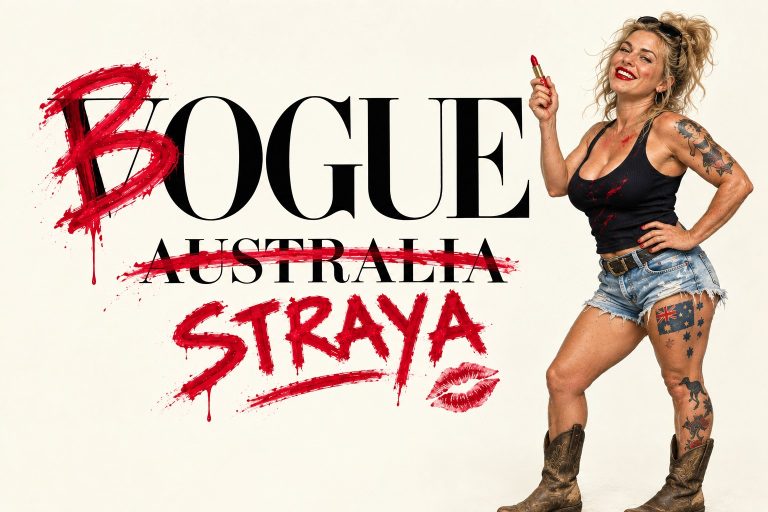
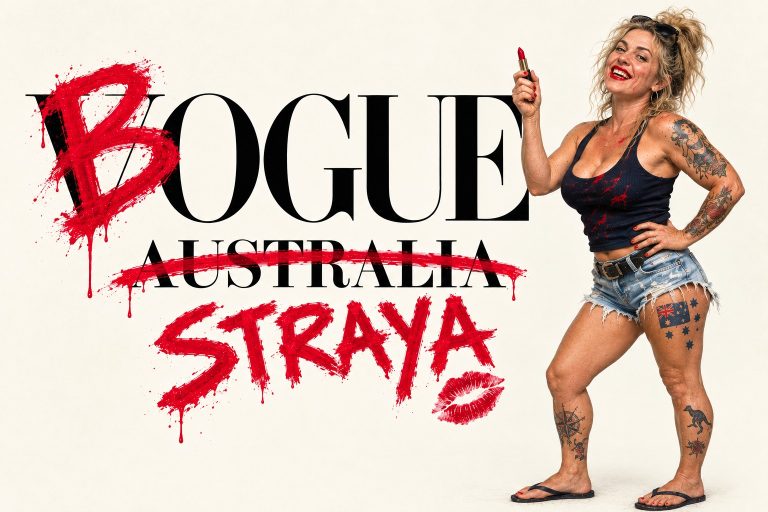
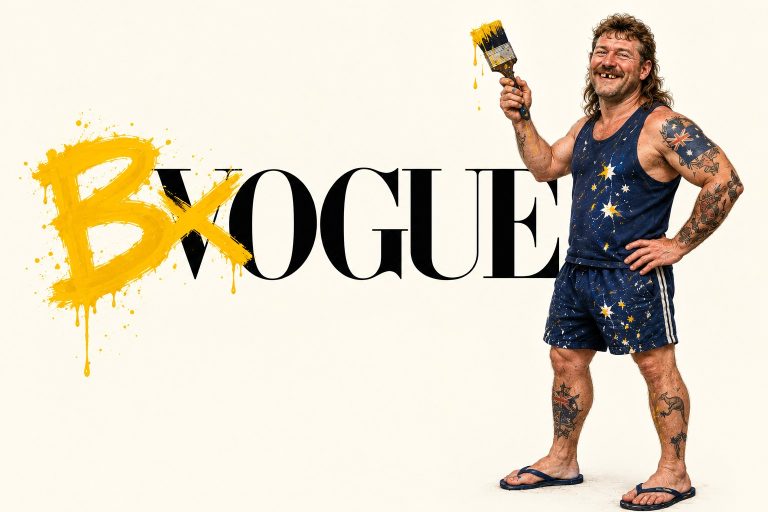
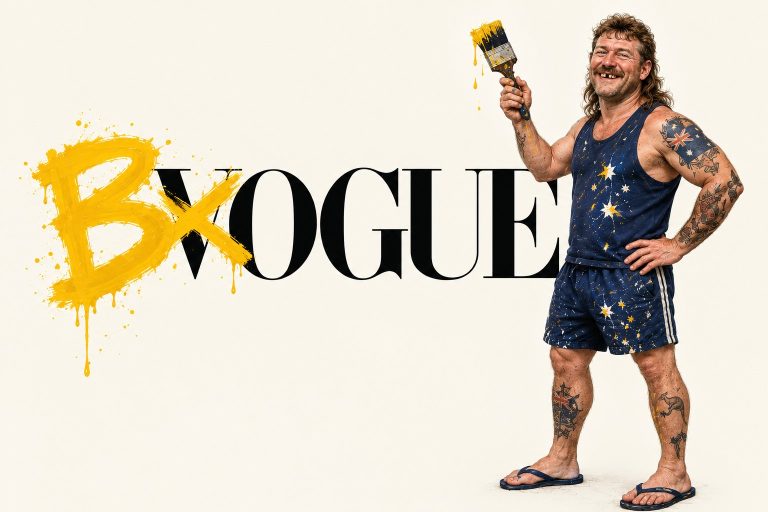
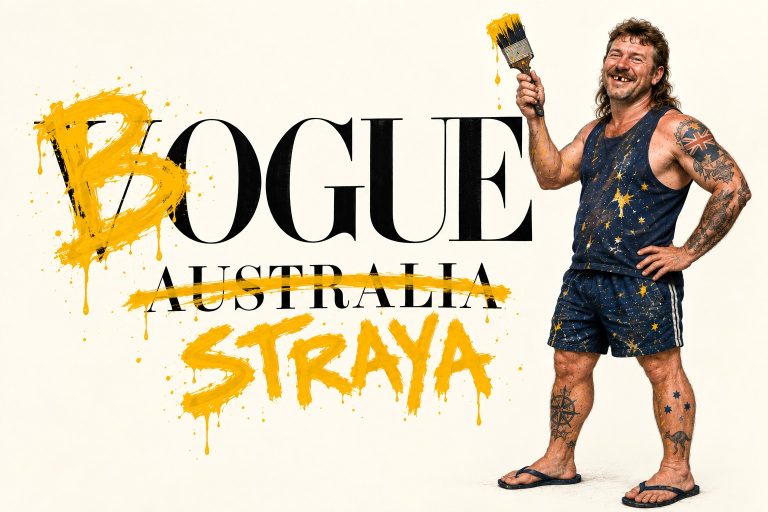
    The visual language is almost a complete design system. Hair The mullet is probably the supreme bogan symbol. Business at the front. Party at the back. And, increasingly, deliberate cultural signalling. The mullet has moved far beyond its original association with rough Australian masculinity and has become a self-conscious Australian cultural icon. Mullet competitions have become an actual spectacle, with categories such as “extreme”, “grubby”, “everyday” and “ranga”. There are even children’s mullet competitions in Australia in 2026. That is an extraordinary example of a hairstyle moving from social stigma → joke → nostalgia → fashion → identity. Clothing The classic wardrobe includes: But again, the interesting thing is that…

  • The Extraordinary Rise Of The Mullet

    The mullet has undergone something approaching a cultural rehabilitation. It was once: bogan haircut → embarrassment then: retro haircut → ironic joke then: hipster/alternative fashion → ironic fashion and now: Australian identity marker → mainstream hairstyle The existence of organised mullet competitions demonstrates that the hairstyle has become something people actively cultivate, judge and celebrate. And there is something wonderfully Australian about judging a person’s mullet competitively.

  • マレットの“異常なほどの大復活”

    マレットはここ数年で、 ほぼ文化的リハビリ(rehabilitation)と言っていいレベルの復活を遂げた。 かつてはこうだった。 ボーガンの髪型 → 恥ずかしいもの その後こうなる。 レトロ髪型 → 皮肉のジョーク さらにこうなる。 ヒップスター/オルタナ系ファッション → 皮肉系オシャレ そして今は—— オーストラリアのアイデンティティ → ふつうに主流の髪型 この変遷、冷静に見るとすごい。 マレット大会が存在するという事実 マレットがただの髪型ではなく、 “育てる・評価する・祝う”対象になっていることを示すのが、 全国で開催されるマレット大会。人々は本気でマレットを整え、 審査員は本気で評価し、 観客は本気で歓声を上げる。これはもう、 髪型が文化競技になった瞬間。 そして何より“オーストラリアらしさ”が爆発している 人のマレットを競技として評価する。この発想そのものが、 オーストラリア的ユーモアと自己認識の結晶。 マレットは、 オーストラリア文化の逆説と遊び心を体現する象徴になった。

  • ボーガン以前のボーガン

    ボーガンという現象は、突然ポンッと現れたわけじゃない。オーストラリアには昔から、 larrikin(いたずら好きの破天荒キャラ)、 ocker(ザ・オージーな粗野キャラ)、 そして各地に散らばる“ちょっとガサツなオーストラリア男性像”が存在していた。つまり、ボーガンはその長い系譜の最新バージョンみたいなもの。「ボーガン」という言葉が全国区になる前は、地域ごとに別の呼び名があった。 地域 以前の現象 Sydneyシドニー Westie Queenslandクイーンズランド Bevan Canberraキャンベラ Booner Hobartホバート Chigga Melbourneメルボルン Bogan やがて“ボーガン”がこれらのローカルな呼び名を飲み込み、全国共通の言葉として定着した。ここがポイントで、 ボーガンは単なる階級ラベルじゃない。もっと言えば、 「オーストラリア的な“ある種のセンス”を語るための言葉」になった。ファッション、趣味、ライフスタイル、価値観—— そういう“文化的な味付け”を説明するための便利な言葉として進化したわけだ。

  • The Bogan Before The Bogan

    The phenomenon didn’t appear from nowhere. Australia already had a long tradition of the larrikin, the ocker and various regional versions of the uncouth Australian male. Before “bogan” became dominant, different parts of Australia had their own labels: Region Earlier stereotype Sydneyシドニー Westie Queenslandクイーンズランド Bevan Canberraキャンベラ Booner Hobartホバート Chigga Melbourneメルボルン Bogan “Bogan” eventually swallowed many of these regional identities and became national. This is important because bogan isn’t simply a class label. It became a way of talking about a particular form of Australian taste.

  • いったい「ボーガン」って何者なのか?

    ここがちょっとややこしい。 まず、みんなが思い浮かべる“典型的ボーガン像”はこんな感じだ。マレットヘア+ネルシャツ(フランノ)+タンクトップ+黒ジーンズ/ショーツ+ブーツかビーチサンダル+タトゥー+ビール+ユート(軽トラ的なやつ)+爆音ミュージック。 このイメージがあまりにも強烈だから、 自分はボーガンじゃないと思ってる人でさえ、 「はいはい、あの感じね」と即理解できる。 でも、最近の研究では“本当の定義”はそこじゃないと言われている。ボーガン=低所得層 ……ではない。 お金持ちでもボーガンになれる。高学歴でもボーガンになれる。バリバリのプロフェッショナルでもボーガンになれる。大学卒で年収6桁の人が「CUB(Cashed-Up Bogan=金持ちボーガン)」と呼ばれることもあるくらい。このCUBの登場はかなり重要で、“貧しい=ボーガン”というイメージを完全にぶち壊した。 より正確な区別は、経済力よりも文化的なセンス(カルチャー・キャピタル)にあるらしい。つまり、ざっくり言うとこうだ。お金はあっても、センスがあるとは限らない。 そしてオーストラリアは、このギャップをネタにしてめちゃくちゃ楽しんでいる国でもある。

  • What Actually Makes Someone A Bogan?

    This is where things get complicated. The classic visual stereotype is: Mullet + flanno + singlet + black jeans/shorts + boots/thongs + tattoos + beer + ute + loud music. The stereotype is so powerful that even people who don’t identify as bogans know exactly what the image means. But researchers increasingly point out that the real definition isn’t socioeconomic status. A wealthy person can be a bogan. An educated person can be a bogan. A professional can be a bogan. A person with a university degree and a six-figure salary can apparently be a CUB — “cashed-up bogan.” The rise of the CUB was particularly important because it broke…

  • Boganism And The Aussie Class System

    This may actually be the deepest subject behind the whole phenomenon. Australia traditionally likes to imagine itself as an egalitarian society where the wealthy and working class can sit together in the pub and have a beer. Consequently, Australians have historically been uncomfortable talking explicitly about class. “Bogan” provides a sneaky alternative. Instead of saying: “That person is working class.” people can say: “They’re a bit bogan.” Instead of saying: “I dislike their cultural tastes.” they can say: “That’s bloody bogan.” Sociologists Steve Threadgold and Jessica Gerrard have argued that figures such as the bogan and the hipster function as proxies for class in Australian public culture. The bogan represents…

  • ボーガニズムとオーストラリアの階級システム

    実はこのテーマ、ボーガン文化の中でもいちばん“深いところ”にある。 オーストラリアは昔から、 「金持ちも労働者も、パブで同じテーブルに座ってビールを飲む国」 という“平等主義の国民イメージ”を大事にしてきた。 そのせいで、オーストラリア人は歴史的に 階級の話をストレートにするのが苦手。 そこで登場するのが—— ボーガンという便利な裏口。 ■ 階級を言わずに階級を語る魔法の言葉 本来ならこう言うべき場面で、 「あの人、労働者階級だよね。」 と言わずに、 「ちょっとボーガンっぽいよね。」 と濁す。 本来ならこう言うべき場面で、 「あの人の文化的趣味、苦手なんだよね。」 と言わずに、 「あれ、めっちゃボーガンじゃん。」 と言い換える。 つまり、 ボーガンは“階級の代わりに使える文化ラベル”として機能してきた。 ■ ボーガンとヒップスターは階級の代理キャラ? 社会学者スティーブ・スレッドゴールドとジェシカ・ジェラードは、 ボーガンやヒップスターのようなキャラクターが オーストラリアの公共文化における“階級の代理”として働いている と指摘している。 という構図だ。 クリス・ギブソンの「ボーガンヴィル」研究でも、 ボーガンというラベルは 階級的なスティグマ(偏見)を生む一方で、 地域の誇りにも変わりうる という結果が出ている。 つまり、 “ボーガンと言われたコミュニティが、逆にその言葉を誇りとして受け入れる” という現象が起きるわけだ。 ■ ここに最高の矛盾がある ボーガンは侮辱として使われる。 「お前、文化的に未熟だよ。」 ボーガンは防御として使われる。 「だから何?」 ボーガンは自慢として使われる。 「むしろ誇りだし。」 ボーガンは国民的アイデンティティとして使われる。 「これが本物のオージーだろ。 たった4文字の侮辱語が、ここまで複雑で洗練された文化的進化を遂げるなんて、オーストラリアらしくて最高に面白い。