bogan

  • ボーガン・プライドという文化革命

    これは、ボーガン文化の中でも 最重要のターニングポイントと言っていい。 かつて「ボーガン」と呼ぶことは、ほぼこう言うのと同じだった。 「お前は俺より下の階層だ。」 ところが時代が進むにつれ、こんな返しが増えていく。 「そうだよ、ボーガンだけど?何か問題でも?」 これぞ、典型的な 文化的リクレイメーション(再所有)。 世界中で、侮蔑語だったアイデンティティが 当事者によって“誇り”へと変換される現象は起きている。 でもオーストラリアの ボーガン・プライド には、 オーストラリア特有の“味”がある。 それは、次の文化要素と深く重なるからだ。 つまり、 ボーガン・プライドは「普通の人」を祝福するオーストラリア的国民性と直結している。 言語学者ロズリン・ローワンは、 「ボーガンの肯定的再解釈は、オーストラリアのナショナリズムと “普通の人”を称える文化傾向と結びついている」 と指摘している。侮蔑語だったはずの言葉が、 国民的アイデンティティの一部へと昇格する。これこそ、ボーガン文化の最大の魅力であり、 オーストラリアらしい文化のひねりでもある。

  • Bogan Pride

    Bogan pride is probably the most important cultural development of the bogan culture. Calling someone a bogan used to be essentially saying: “You’re beneath me.” Increasingly, people started saying: “Yep. I’m a bogan. Got a problem with that?” That is classic cultural reclamation. The same process has happened with many supposedly derogatory identities around the world. But Australian bogan pride has a particularly Australian flavour because it overlaps with: Roslyn Rowen’s research specifically links the positive reappropriation of “bogan” with Australian nationalism and the Australian tendency to celebrate the “ordinary” person.

  • Where Did “Bogan” Come From?

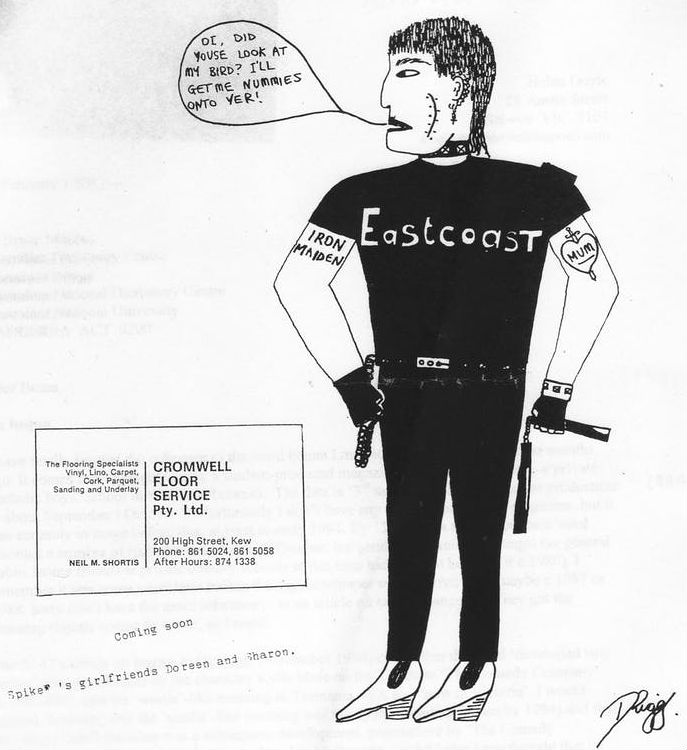
    This is where things get wonderfully murky. The popular theories include: The evidence currently points most strongly toward Melbourne in the early 1980s, although the ultimate etymology remains uncertain. Historian and linguist Bruce Moore found evidence from 1984, in a student magazine at Melbourne’s Xavier College, describing a fictional “bogan doll”. The character already possessed many of the stereotypes we would recognise today: tattoos, long hair, heavy-metal clothing, sleeveless denim, etc. The word then appears in a 1985 issue of Tracks magazine. By the late 1980s it was spreading nationally. By the early 1990s, it was essentially established Australian slang. The really funny part The word may have been popularised…

  • 「ボーガン」という言葉はどこから来たのか?

    ここがまた、いい感じに“モヤッ”としている。 世間でよく語られる説はこんなところだ。 いろいろ言われているけれど、 現時点で一番有力なのは 1980年代初期のメルボルン発 という説。ただし、最終的な語源はまだハッキリしない。この“曖昧さ”もまたオーストラリアらしい。 歴史家ブルース・ムーアの発見 歴史家で言語学者のブルース・ムーアが見つけたのは、1984年のメルボルン・ザビエル校の学生誌。 そこに 「ボーガン人形」 という架空キャラが登場していて、 すでに今のボーガン像とほぼ同じ特徴を持っていた。 などなど、今見ても「うん、ボーガンだわ」と納得するスタイル。 By the late 1980s it was spreading nationally. By the early 1990s, it was essentially established Australian slang. 翌年にはサーフ系雑誌 Tracks にも登場し、 1980年代後半には全国に広がり始め、 1990年代初頭には完全に“オーストラリアのスラング”として定着した。 そして一番面白いポイント この言葉を広めたのは、 「自分たちより文化的に洗練されていない人」を指して使っていた、 アッパーミドル階級の私立校ティーンたちだった可能性が高い。 つまり、ボーガンは、ボーガンじゃない人たちが作った言葉かもしれない。 これ、文化史としてめちゃくちゃ面白い。 階級、センス、アイデンティティが入り混じって、 オーストラリアらしい“ゆるい社会学”がそこにある。

  • Bogan Culture: A Cultural Report

    Executive summary The first thing to understand is that “bogan” is not really the name of a single, coherent social group. It is a remarkably flexible Australian cultural label. At various times it has meant: That last transformation is probably the most interesting. “Bogan” began largely as an insult but has been partly reclaimed as a badge of authenticity, national identity and resistance to cultural snobbery. Linguist Roslyn Rowen describes it as a distinctive Australian cultural keyword whose negative meaning can be transformed into positive self-identification and Australian nationalism. And there is a delicious paradox at the heart of it: The bogan has become fashionable precisely because the bogan is…

  • |

    豪キャブラリ:flannie

    In Strine, a flannie is a shirt made out of a wool-like material called flannelette. The flannie, sometimes also called a flanno, is an iconic item of clothing in Australia, often viewed as part of the bogan uniform. ストライン(オージー英語)では、「flannie」とは、フランネルというウールのような素材で作られたシャツのことを指します。「flannie」は「flanno」とも呼ばれることがあり、オーストラリアを代表する衣類の一つであり、しばしば「bogan」の定番スタイルの一部と見なされています。 The flannel can also be used to refer to a wash cloth. Flannelは、雑巾の意味もある。

  • |

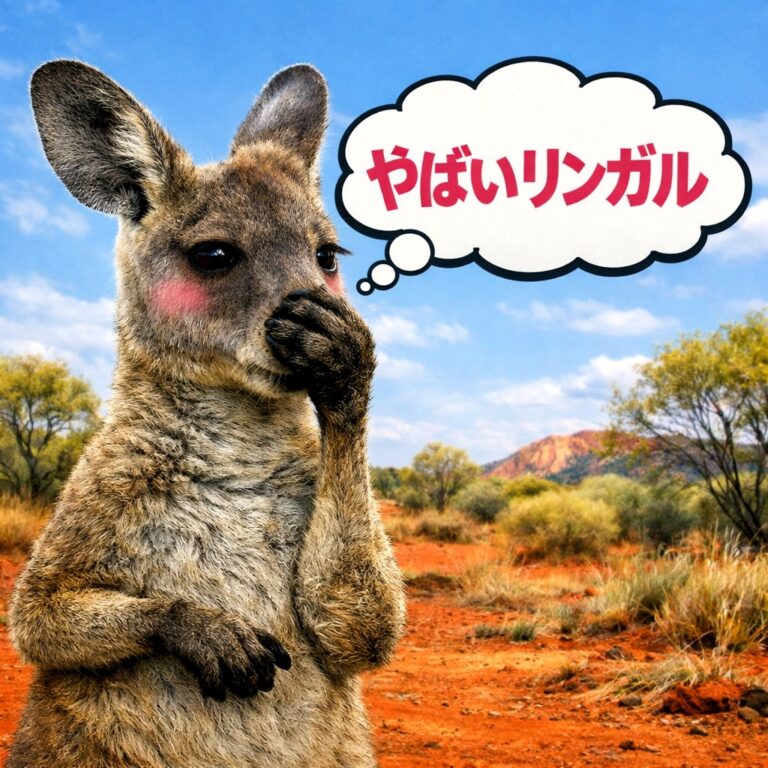
    やばいリンガル:Westie

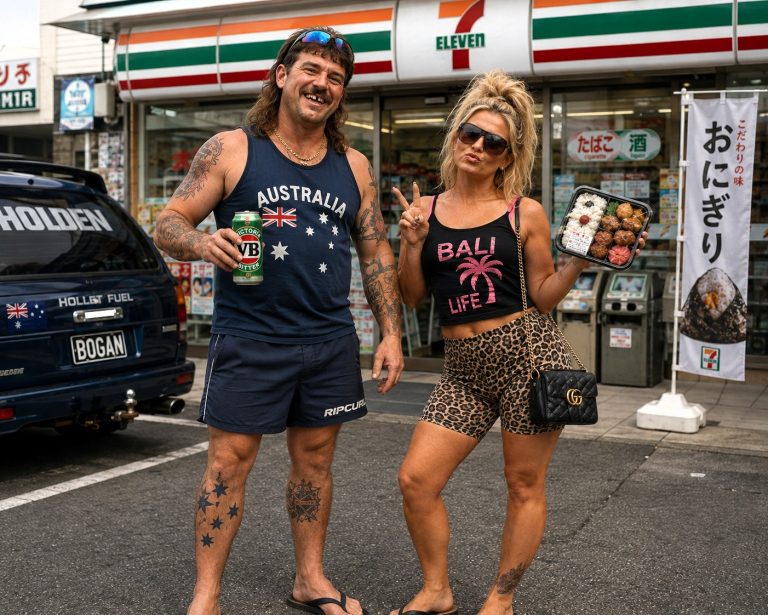
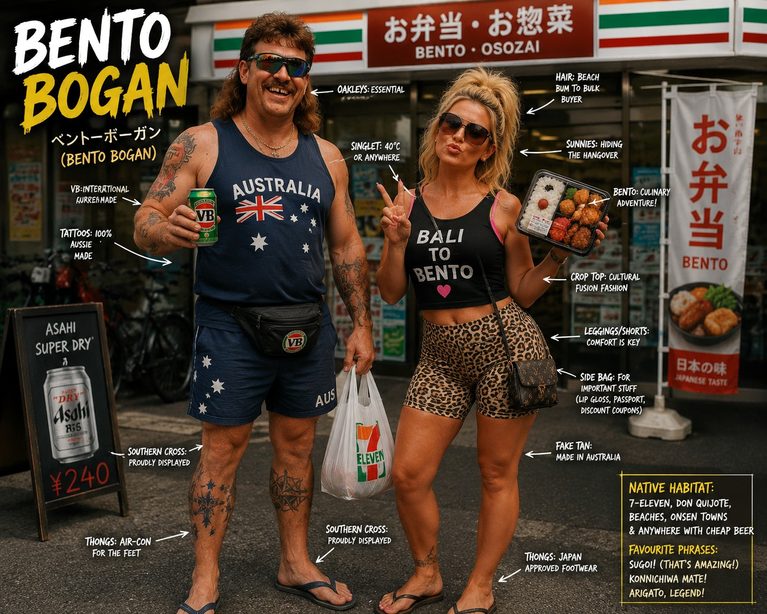
    A westie, at least the version in Strine, is a bogan from the western suburbs of Sydney. A bogan, of course, is a person whose speech, mannerisms, appearance, clothing, behaviour, or attitudes are considered unrefined or unsophisticated. Bogans are often symbolized by a flannie and a mullet. 「Westy」とは、少なくともストライン(オーストラリア英語)における定義では、シドニー西部の郊外出身の「bogan」を指す。言うまでもなく、「bogan」とは、話し方、仕草、外見、服装、振る舞い、あるいは態度が、洗練されていない、あるいは野暮ったいと見なされる人のことだ。ボーガンは、しばしばフランネルシャツとマレットヘアで象徴される。 There are numerous types of bogans, including the snow bogans who swarm to Japan on bogan missiles. And New Zealand English, which is like an emerging version of Strine, also has westies, these being from the western suburbs of Auckland. The Japanese equivalent to the bogan or westie is the yankii. 「Bogan missile」に乗って来日に蔓延している「snow bogans」を含めて、ボーガンには様々なタイプが存在する。また、ストラインの派生版とも言えるニュージーランド英語にも「westy」という言葉があり、こちらはオークランドの西郊外出身者を指す。ボーガンやウェスティに相当する日本の言葉は「ヤンキー」である。

  • |

    豪キャブラリー:Bogan Missile

     Bogan missileはオーストラリアから海外に向けて数多くのボーガンを運ぶ旅客機のことを指す。もともとボーガンが多く集まるバリ島線を飛ぶ飛行機について使われた言葉だったが、残念ながら近年「羽田」「成田」や「関西空港」行きのためにも使われている。  主に格安航空会社であるJetstarに対して使われていますが、サービス評価がだんだん下がっているQantas航空にも十分当てはまります。 Strine Dictionary | 考えRoo

  • |

    豪キャブラリー:Bogan Band

     Bogan bandは、一般的に若者のboganが好んでする髪型で、髪の縁に沿って細い帯状に髪を金髪にブリーチしたもの。通常、幅は約1cmで、長さは3~4cmを超えることはない。  後ろ髪が長くて上が短髪なMulletやラットテイルヘアという特に細長い部分が特徴的な毛髪のスタイルを指しますボーガンがよく選ぶ髪型ほど人気に及んでいないが、21世紀型ボーガン髪型になりつつ。 Strine Dictionary | 考えRoo