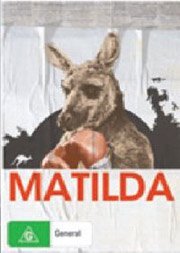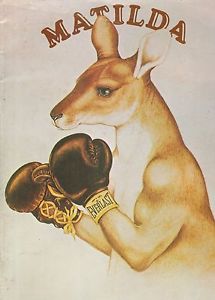
(Costumed) Kangaroo Stars In The “Worst Sports Movie Ever Made”
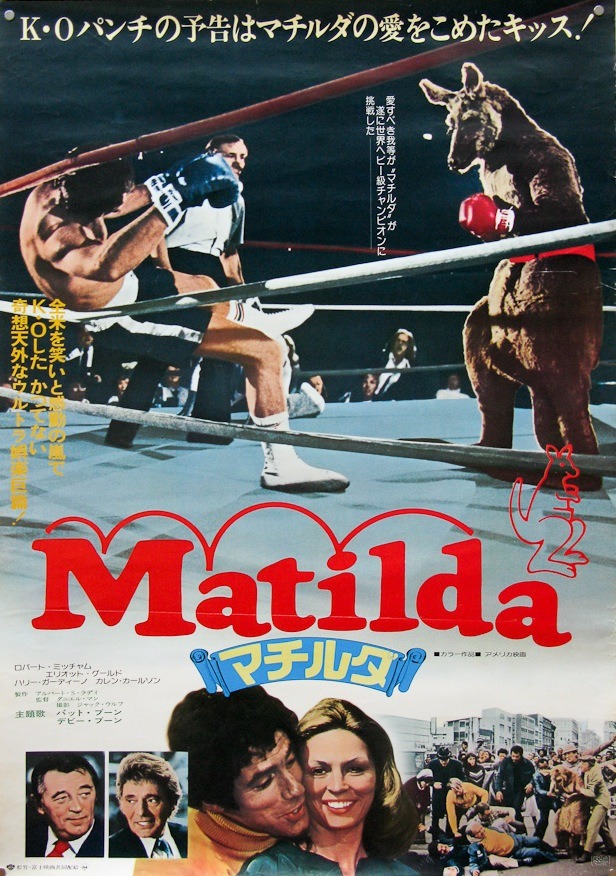
Matilda has been described online as “the worst sports movie ever made.” Kindly, as it turns out.
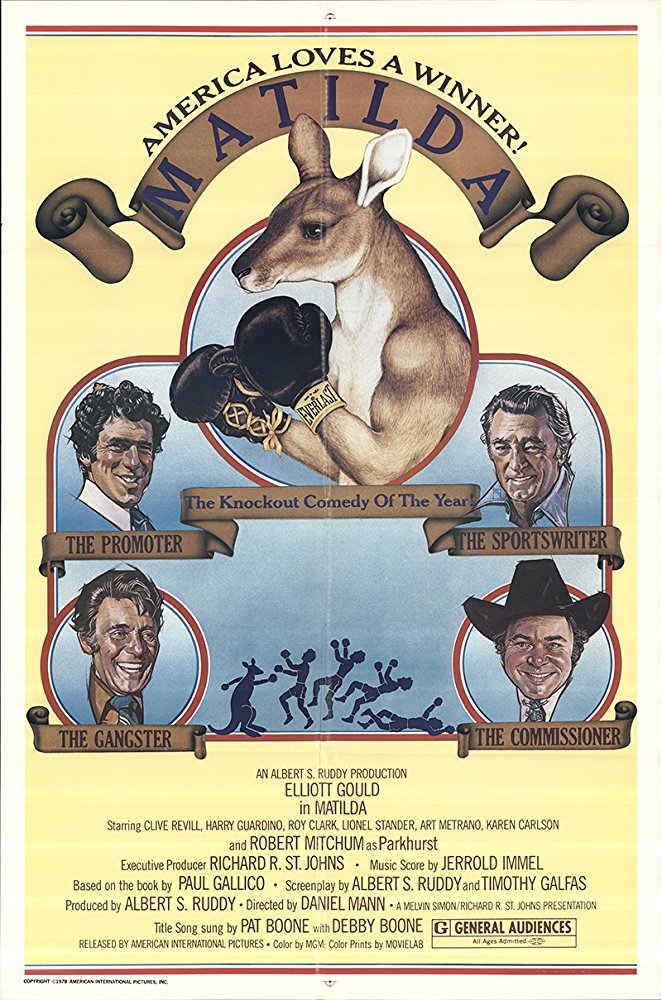
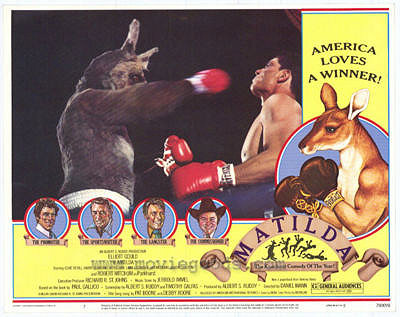
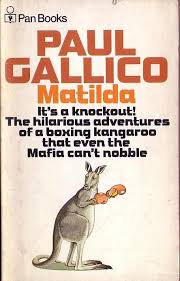
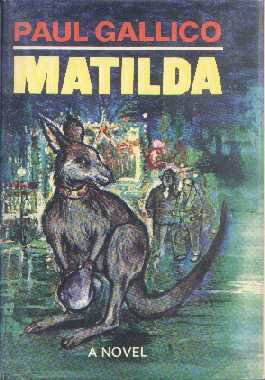
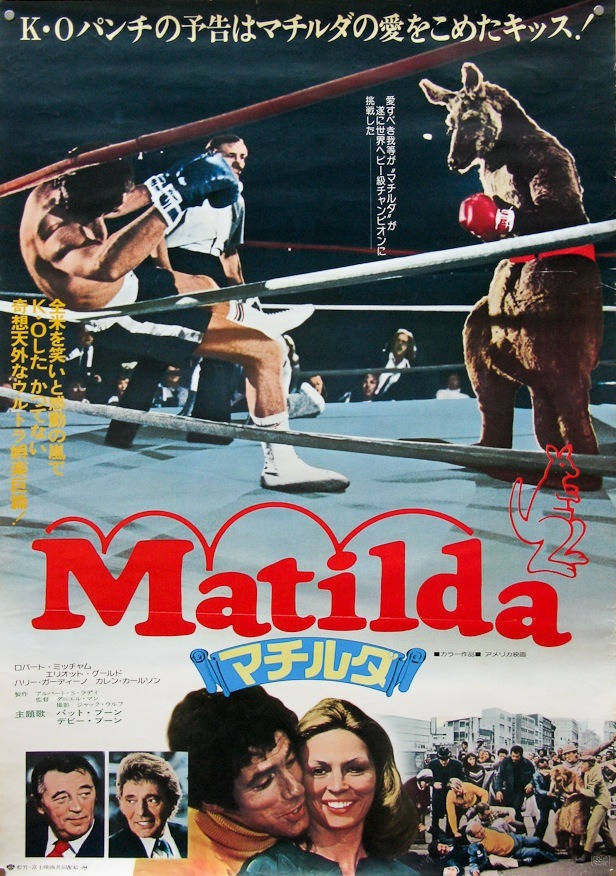
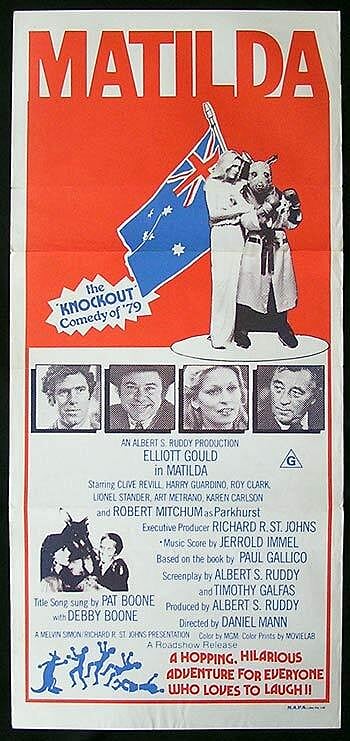
Matilda was a dreadful, alleged comedy about a boxing kangaroo that challenges for the world heavyweight champion title.
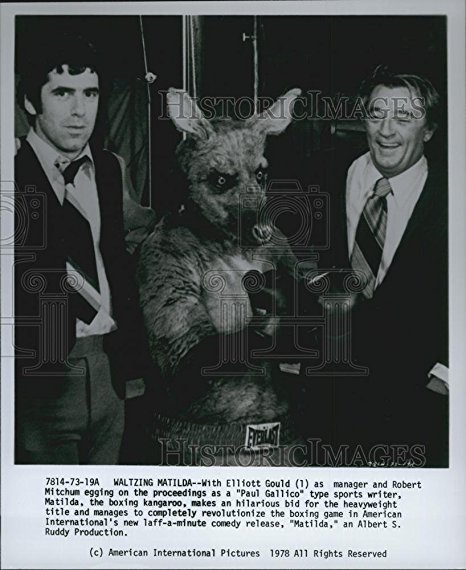
The movie was made in 1978, when Muhammad Ali was probably at his most widely popular (and the reigning world champion), and starred Elliot Gould, who was then still not too far off the peak of a career that continues going strong today.

Co-starring was another A-lister, Robert Mitchum, so it’s hard to argue that the cast and circumstances surrounding the movie didn’t pack a punch.

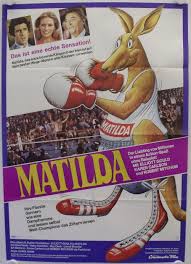
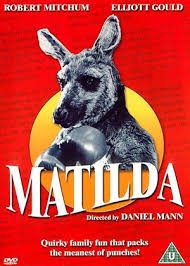
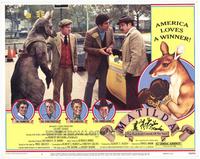
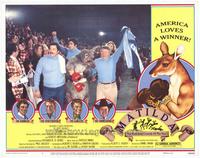
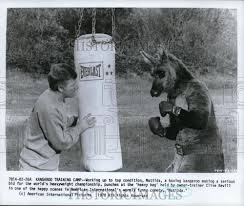
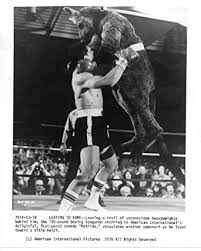
Unfortunately, the kangaroo featured in the film was clearly a bloke in a costume. With demonic eyes.
On top of that, the Australian involvement in the movie was non-existent outside of the kangaroo’s origins. And, as anybody who’s ever heard an American attempt an Australian accent or been to an Outback Steakhouse can attest, Americans don’t really put a lot of weight into authenticity when it comes to Down Under.
Matilda was based on a novel by Paul Gallico, whose research into Australia and kangaroos was so extensive he gave the male marsupial protagonist of his work a female name.
Perhaps Gallico had a portend of the movie’s fate, though, as he was most famous for The Poseidon Adventure, which would be adapted by Hollywood for another disaster movie of a different kind.

Directing Matilda was Daniel Mann, who made some impressive movies over his career.
For 考えRoom.com, though, with its interest in Australia and Japan, perhaps his most interesting movie was The Teahouse of the August Moon, which starred Marlon Brando in yellowface.
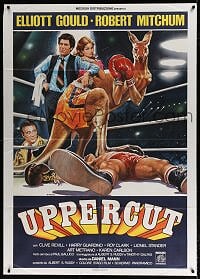
All in all, Matilda was a critical and commercial disaster. On the upside, though, it did get some decent movie posters from all over the world, as well as some other decent images, many of which can be viewed in the gallery.
Cop A Gander At These Rippers Too...

  • Got Rich On The Sheep’s Back

    Australia is said to have gotten rich on the sheep’s back. オーストラリアは「羊の背中に乗って」豊かになったと言われている。 Australia is a wealthy country and has been for most of the time since colonization, mainly because it has bountiful mineral resources. オーストラリアは植民地化以降ほとんどの時期で裕福な国でしたが、その主な理由は豊富な鉱物資源にある。 But before things like gold, iron ore, diamonds, uranium, lithium and the like starting bringing in the bikkies for Australia, the squattocracy raised merino sheep that fuelled the then thriving textile mills of northern England that were making Britain an industrial superpower in the 19th century. しかし、金、鉄鉱石、ダイヤモンド、ウラン、リチウムなどがオーストラリアにもたらす莫大な収入よりも前、19世紀のイギリスを産業大国へと押し上げていた北イングランドの繊維工場を支えていたのは、squattocracyが飼育していたメリノ羊だった。 The squattocracy were wealthy farmers who stole the land they used to get rich and then used their financial clout to wield political influence. スクワットクラシーとは、土地を奪って富を築き、その財力を使って政治的影響力を振るった裕福な農場主階級のこと。 Example Australia reckoned…

  • |

    豪キャブラリー: Hooroo

    Hoorooは、スペルや発音などにより一瞬でオーストラリアのシンボルであるカンガルーと何らかの関係があることを思わせる人は少なくないが、全く違う。 実は、hoorooはバイバイのことです。人と離れる時、軽く言う言葉、「じゃね」と同じような雰囲気でありながら、オージー英語としてかなり古く感じるので実際に使用回数が減っているだろう。年配の方がまだ良く使う言葉けど。

  • |

    「ラスト豪先住民言語スピーカー」は日本人だった

    国立国語研究所学者角田太作氏は、日豪関係に対して長年に渡ってとてもユニークな貢献をしてきている。  同氏は、オーストラリア先住民であるウォロンゴ族が使っていたウォロンゴ語が話せる世界中で唯一の人である。幸いに、同氏は言語学者であり、ウォロンゴ語の辞書を作り、ウォロンゴ族の人々にその言葉を必死に教えようとしている。  最近、オーストラリア全国及びアジア・太平洋地域に向けて放送しているラジオ局ラジオ・オーストラリアが角田氏をインタービューし、ウォロンゴ語の例も話し中に出ている。  角田氏に脱帽します。 Japanese linguist helps revive an Aboriginal language (English) 角田氏のインタービュー(英語)

  • Spruik/カラス族

    Spruik Australian English To advertise or promote a service or product. Somebody who does this is a spruiker. The name is also given to street-side touts who try to entice people into clubs, restaurants or other entertainment establishments. 日本語 1) 製品及びサービスを推薦・促進すること。この行為を行う人はspruikerと呼ばれる。 2) Spruikerは、バーかクラブやレストランなどをしつこく売り込む人に対して使われることもある。日本の繁華街などで集まる「カラス族」もオージー英語ではspruikerと呼ばれるはずだ。 Plain English To plug, tout, harangue or sell and promote aggressively. Strine Dictionary

  • |

    Striking a Light for Strine 「豪」にいれば「豪語」に従えって?

    Hugh Lunn, one of the most vocal advocates of Strine and arguably its greatest modern protector, is about to release Words Fail Me, a follow-up to his 2006 bestseller Lost for Words, which told the tale of disappearing Australian English, mainly due to American cultural influence on the mass media. ヒュー・ラン氏は、ジャーナリストのヒュー・ラン氏は有数のオージー英語の最大の支持者で、保護者とも言えるであろう。同氏は近年オージー英語をテーマにした著書「Words Fall Me」を発刊した。同書は絶滅しつつあるオージー英語についての話題が中心となった2006年発行の「Lost for Words」の続編である。 Hugh Lunn’s Works on Amazon.co.jp