「やばいリンガル」 Bag (バッグ)
たまに、豪語(オーストラリ英語)はやばい!他の英語をしゃべる国と同じ言葉でも、まったく異なる意味の場合がある。
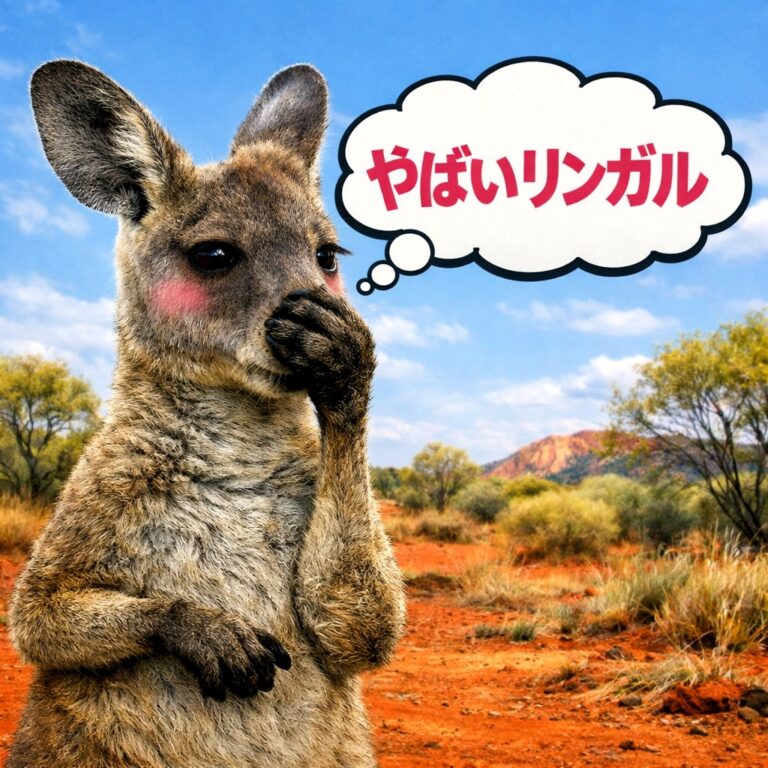
たまに、豪語(オーストラリ英語)はやばい!他の英語をしゃべる国と同じ言葉でも、まったく異なる意味の場合がある。
知られざる日豪関係のルーツ What You Didn’t Know about Australia-Japan Relations Japanese immigration to Australia in the 19th century differed to other parts of the Japanese diaspora. 19世紀、豪州への日本人移民は他の国での日本人移住と比べて少々違っていた。
オーストラリア英語(豪語)ってやばいところがある。豪語で特有の言葉の使い方により、他の国で話す英語と同じ言葉でも全く違う意味になることもたまにある。今日は、Blueの場合を見てみよう。
オージー英語って、多くの言葉がオーストラリア独特な使い方があって、ほかの国で話す英語と言葉が同じでも意味がまったく違うことがたまにある。ここでは、その例を数多く紹介します。今日は、Beautyの誤解について見てみます。
オージー英語って、多くの言葉がオーストラリア独特な使い方があって、ほかの国で話す英語と言葉が同じでも意味がまったく違うことがたまにある。ここでは、その例を数多く紹介します。今日は、Battlerの誤解について見てみます。
オージー英語って、多くの言葉がオーストラリア独特な使い方があって、ほかの国で話す英語と言葉が同じでも意味がまったく違うことがたまにある。ここでは、その例を数多く紹介します。今日は、Barbieの誤解について見てみます。
Hugh Lunn, one of the most vocal advocates of Strine and arguably its greatest modern protector, is about to release Words Fail Me, a follow-up to his 2006 bestseller Lost for Words, which told the tale of disappearing Australian English, mainly due to American cultural influence on the mass media. ヒュー・ラン氏は、ジャーナリストのヒュー・ラン氏は有数のオージー英語の最大の支持者で、保護者とも言えるであろう。同氏は近年オージー英語をテーマにした著書「Words Fall Me」を発刊した。同書は絶滅しつつあるオージー英語についての話題が中心となった2006年発行の「Lost for Words」の続編である。 Hugh Lunn’s Works on Amazon.co.jp
オージー英語って、多くの言葉がオーストラリア独特な使い方があって、ほかの国で話す英語と言葉が同じでも意味がまったく違うことがたまにある。ここでは、その例を数多く紹介します。今日は、Barrackの誤解について見てみます。
知られざる日豪関係のルーツ What You Didn’t Know about Australia-Japan Relations 日豪関係のルーツは、まさにアクロバティックに始まった。1867年に日本の曲芸団がオーストラリアを訪問した数年後(具体的な日付は不明。1871年という説もあれば、1874年という説もある)、Sakuragawa Rikinosukeという曲芸師がオーストラリア人女性と結婚して、豪州に移住した日本人として初めて記録された。 Japan-Australia relations started off by swinging into action – literally. First contact came in 1867 when a Japanese acrobatic troupe visited Down Under in 1867. A few years later (the exact date is unknown – some say 1871, others 1874), Rikinosuke Sakuragawa, an acrobat touring Melbourne with another troupe, married an Australian woman and they settled in Queensland, where their descendants remain today.
オージー英語って、多くの言葉がオーストラリア独特な使い方があって、ほかの国で話す英語と言葉が同じでも意味がまったく違うことがたまにある。ここでは、その例を数多く紹介します。今日は、水着の誤解について見てみます。
We use cookies to improve your experience on our site. By using our site, you consent to cookies.
Websites store cookies to enhance functionality and personalise your experience. You can manage your preferences, but blocking some cookies may impact site performance and services.
Essential cookies enable basic functions and are necessary for the proper function of the website.
These cookies are needed for adding comments on this website.
Statistics cookies collect information anonymously. This information helps us understand how visitors use our website.
Google Analytics is a powerful tool that tracks and analyzes website traffic for informed marketing decisions.
Service URL: policies.google.com (opens in a new window)