バナナを曲げる人々 People who Bend Bananas

オージー英語は、地方によっての訛りの違いがあまりみられない。オーストラリアの西南部にあるパースの人も、そこから約6000キロも離れている東北部にあるタウンズビルの人も、訛りにたいした違いはない。広さのことを考えてみれば、驚くべき事だ。(だってオーストラリアの面積は日本の26倍もあるんだから!)
But inhabitants of the northern state of Queensland are often fondly ribbed by those from other parts of the country for their presumably slow speaking style, and for being more than a little slow-witted. (This is a long story better suited for another time).
強いて言うなら、オーストラリア東北部にあるクィーンズランド州の人々の話し方はゆっくりなので、他の州の人から、頭の回転も遅いのではないかと、親しみをこめながら、からかわれたりする。(なぜ、そうなったかについては話が長くなるので、その件については改めて別の機会にご紹介しますね!)
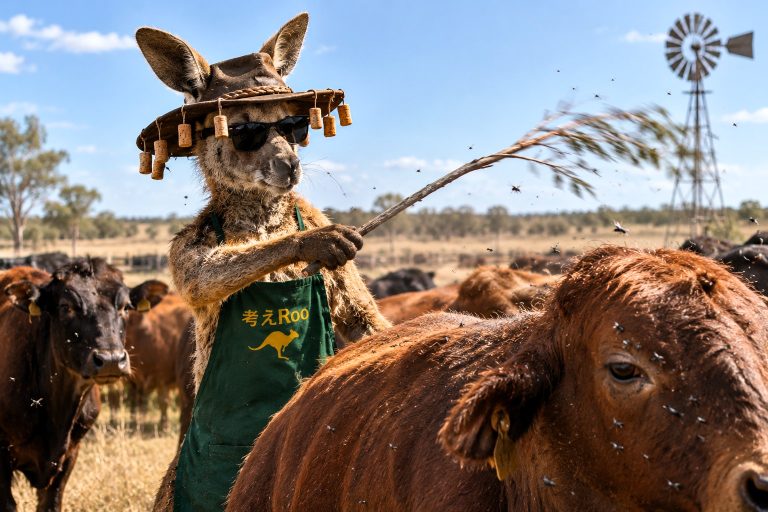
Queenslanders are nicknamed Banana Benders in typically self-deprecating Australian humor style as the state is a major banana producer and there is a hint at the presumed slowness of the people in the suggestion that they believe the tropical fruit needs to be forcibly bent instead of growing naturally that way.
そして、クィーンズランド州人のニックネームはバナナ・ベンダー(バナナを曲げる人)だ。同州はバナナの名産地であり、同州人ののんびりとした気質の象徴として、彼らはバナナは自然に曲がるのではなく強制的に曲げなくてはならないと信じている、という、自虐ネタで笑う典型的なオーストラリア式ユーモアがたっぷりと、その名には込められている。
Queenslanders do have some minor quirks not found in other parts of Strine, though it has nothing to do with their accents. They’ll often end spoken sentences by inclining their voice upward and saying “eh?” For instance, instead of the typical Strine, “Howzit goin’? (How are you?),” a Queenslander may ask “Howzit goin’ eh?” to which the correct reply would be something like “Awright, eh?”
確かに、クィーンズランド人のオージー英語は訛りを別にしても、他の州の人々と若干の違いがある。他の英語圏同様、オージー英語でも疑問形の語尾のイントネーションは上がる。しかしクィーンズランド人オージー英語では、質問、応答問わず、語尾のイントネーションを上げたうえに「Eh(ええ?)」と加わり、質問しているように言う。例えば、他のオージー英語ではHowzit goin’? (How are you?)という場合、同州人は“Howzit goin’ eh?” と聞き、そして“Awright (All right), eh?”と答える。
Moreover, some banana benders have a funny way of saying goodbye. Strine has the word “hooroo,” which is a typical farewell, but in Queensland, this has transformed into “hooray,” a word usually used in the rest of the English-speaking world as a celebratory cheer. For some, the intended friendly farewell can sound as though people are happy to see them leave.

Some Queenslanders may speak slowly, but that doesn’t mean their minds work that way. Still, there’s an old Aussie joke about why the state’s most popular beer is a brand called XXXX, a product that almost symbolizes Queensland in the minds of Australians. The joke says that Queenslanders drink XXXX because it was the only brand on sale that the banana benders would be able to spell properly.
クィーンズランド人の話し方は確かにゆっくりだが、頭の回転も同じように遅いという事は、決してない。しかし、オーストラリア国内では、クィーンズランド人に対して同州の象徴であり、圧倒的に人気のあるXXXXビールにまつわる、昔からのジョークがある。
「何故、クィーンズランド人はXXXXビールを飲むのか?」
「スペル(つづり)がわかる銘柄がそれしかないから」